Loading…
← All schools
University of Puerto Rico-Medical Sciences
San Juan, PRpublicwww.rcm.upr.edu/
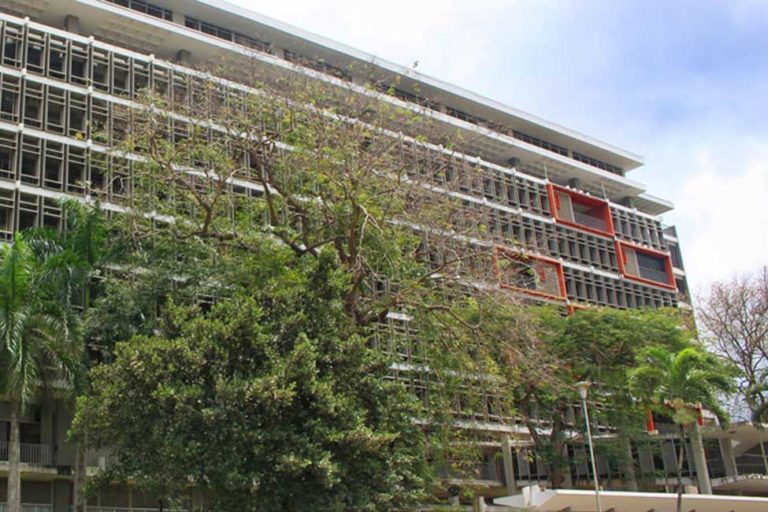
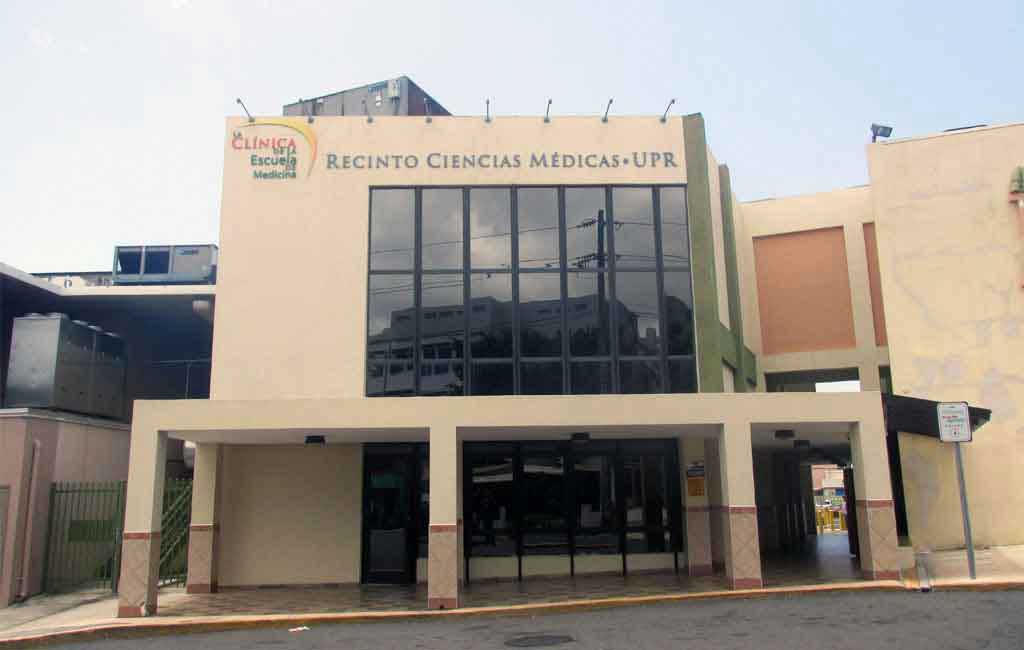
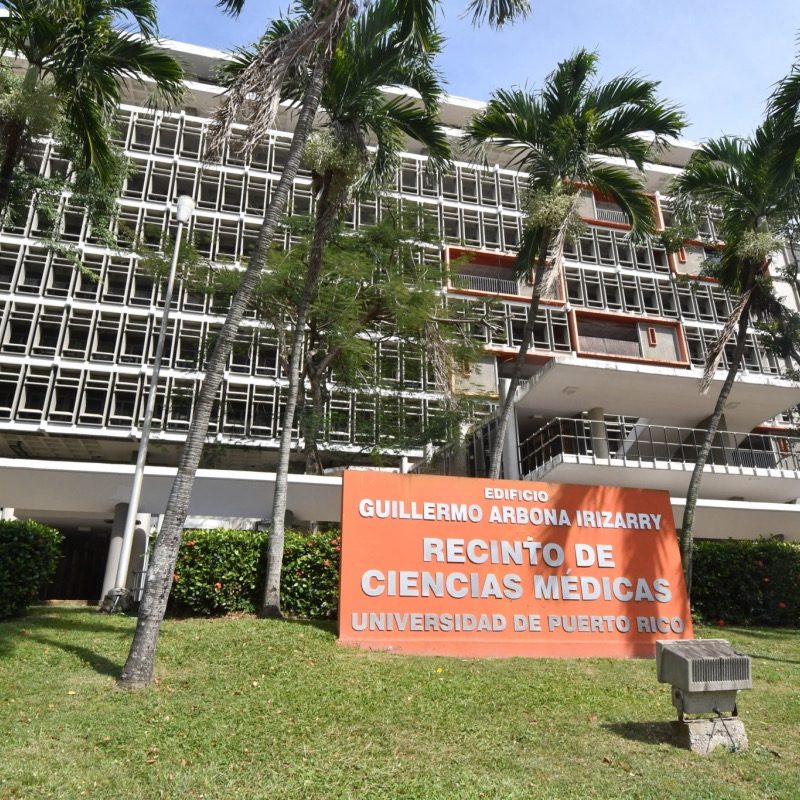
The University of Puerto Rico-Medical Sciences Campus is not a typical undergraduate college; it is a specialized, high-stakes professional training ground embedded in the heart of San Juan. This public institution functions as the island's premier biomedical hub, where the vast majority of students are graduate-level candidates in medicine, nursing, dentistry, and pharmacy, immersed in a curriculum that is intensely clinical and research-focused from day one. The vibe is less about campus life and more about mastering a craft, with a culture defined by close-knit cohorts, a profound commitment to serving Puerto Rico's communities, and a relentless focus on producing the next generation of healthcare leaders.
More details
- Undergrad enrollment
- 233
- Graduation Rate
- 90%
- Top Degree Programs
- Medicine, Nursing, Dentistry, Pharmacy
- Student-Faculty Ratio
- 2:1 (reported)
- Median Earnings (10yr)
- $45,953
- Student Population Gender Balance
- 65.4% Female, 34.6% Male
Outcomes & value
Outcomes & value
- Median earnings (10 yr)
- $45,953
- Reducing loan balance (3 yr)
- 76%
- Pell (lower-income) share
- 54%
- First-gen share (among federal-aid recipients)
- 17%
- Endowment / student
- $7
Earnings = median of students working ~10 years after entry; debt = median of graduates. Value divides 10-yr earnings by one year’s net price — read it as earnings per dollar of annual cost, not a full lifetime ROI; it favors lower-cost schools. Source: U.S. Dept. of Education College Scorecard. Figures lag ~2 years and reflect all students, not your intended major.
Top-earning majors
Median earnings by field of study (highest credential), ~2 years after completion.
- Registered Nursing, Nursing Administration, Nursing Research and Clinical Nursing$25,194
Source: U.S. Dept. of Education College Scorecard (field-of-study earnings). Figures cover graduates who received federal aid and lag ~2 years; not all programs report data.
Compare on earnings: best colleges for Nursing
Campus & location
Campus safety
- On-campus violent crimes (2024)
- 0
- Per 1,000 students
- 0.00
On-campus criminal offenses classed as violent (murder/non-negligent manslaughter, rape, robbery, aggravated assault) for the most recent reported year. Source: U.S. Dept. of Education Campus Safety and Security (Clery Act). Counts reflect what’s reported to the school, and urban campuses often report more partly due to non-student incidents nearby — read alongside campus size and setting, not as a standalone safety verdict.
Climate
- Pleasant days / yr
- 15
- Summer high
- 91°F
- Winter low
- 69°F
- Annual rain
- 38.2"
Pleasant days counts days per year with a mean temperature of 55–75°F, a high at or below 90°F, a low at or above 45°F, and little precipitation — a transparent comfort measure, not a weighting we invented. Computed from Open-Meteo ERA5 daily history (2019–2023).
Quick answers
- How many undergraduates attend University of Puerto Rico-Medical Sciences?
- University of Puerto Rico-Medical Sciences enrolls approximately 233 undergraduate students.
- Where is University of Puerto Rico-Medical Sciences located?
- University of Puerto Rico-Medical Sciences is located in San Juan, PR.
Admissions
Admissions here is a bifurcated process, reflecting the school's dual nature as a graduate/professional powerhouse with some undergraduate health sciences programs. For its flagship School of Medicine, the process is fiercely competitive and mirrors that of mainland U.S. medical schools. The for the MD program is reported at 13.11%, with 150 applicants typically invited to interview for a class size that is a fraction of the applicant pool. Successful candidates historically present strong academic credentials, with one source citing a competitive profile of an MCAT score of 501 and a GPA of 3.85. The institution is public and not-for-profit, and while some sources suggest it may be "Need Aware" in its admissions considerations, no for graduate schools (analogous to the undergraduate CDS) is available to provide standardized, granular detail on factors like demonstrated interest for its professional programs. For any undergraduate offerings, data is sparse, though one source notes the regular admissions deadline is rolling.
Compare University of Puerto Rico-Medical Sciences
vs University of Science and Arts of Oklahomavs University of Virginia's College at Wisevs Northwestern Oklahoma State Universityvs Texas A&M University-Texarkana
See colleges similar to University of Puerto Rico-Medical Sciences →Sources
- Common Data Set: Home
- Common Data Set Explorer 2026: Compare 100 Colleges
- Is there a common data set for graduate schools?
- 2023-2024 Common Data Set Template
- 2020-21 Data Collection System
- Common Data Set Section A1. General Information 2023-2024 ...
- University of Puerto Rico, Medical Sciences Campus ...
- University of Puerto Rico - Medical Sciences
- University of Puerto Rico - Medical Sciences: Statistics