Loading…
← All schools
University of Puerto Rico-Utuado
Utuado, PRpublicwww.uprutuado.edu/
Acceptance
64%
Avg net price
$13,648
Earnings (10 yr)
$23,906
Graduation rate
23%
Admit rate has ranged 63%–68% over the last 5 years. Source: IPEDS via Urban Institute.
Acceptance & SAT from Common Data Set / IPEDS; net price, earnings & graduation from the U.S. Dept. of Education College Scorecard. Figures lag ~1–2 years — verify with the school.
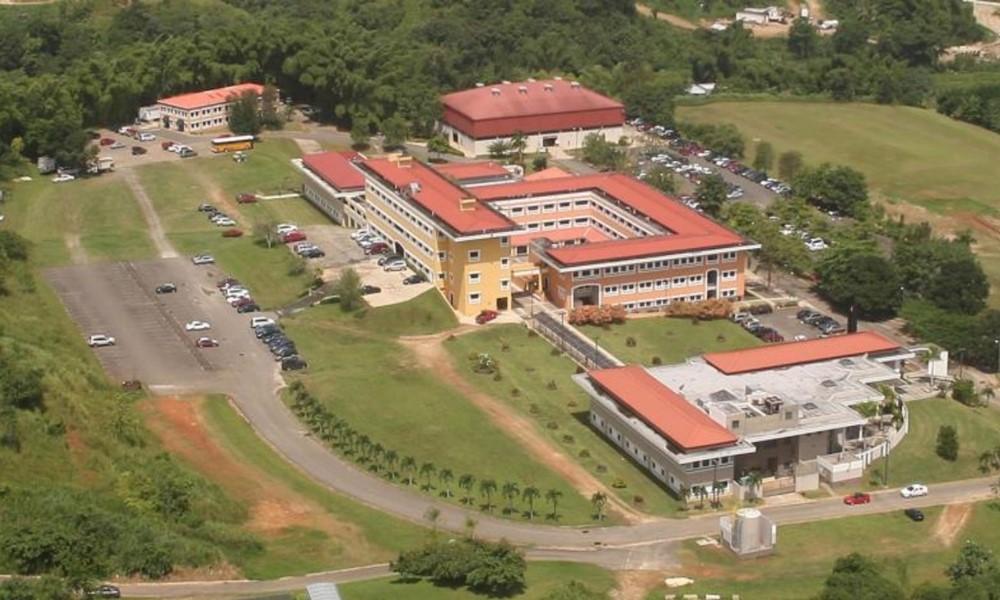
The University of Puerto Rico-Utuado is a singular institution, the only university campus in Puerto Rico set in a rural environment. It carves out a distinct identity as a small, agriculturally-focused college, offering a tight-knit academic community with a student-faculty ratio of 9:1 amidst the island's central highlands. While it provides accessible, low-cost education with a focus on practical fields like animal husbandry, it contends with significant challenges in student retention and graduation outcomes.
Admission requirements
Test-blind — scores not considered
Required
- High school transcript
- Grade point average
Source: IPEDS Admissions survey (2022) via Urban Institute. Covers formal factors only — it does not reflect essays, extracurriculars, or other holistic criteria.
More details
- Undergrad enrollment
- 325
- In-state tuition
- $5,354
- Out-of-state tuition
- $5,354
- Setting
- Rural
- Graduation Rate
- 23%
- Number of Majors
- 12
- Student-Faculty Ratio
- 9:1
- Median Earnings (10yr)
- $23,906
- First-Year Retention Rate
- 46%
Outcomes & value
Outcomes & value
- Median earnings (10 yr)
- $23,906
- Value (earnings ÷ net price)
- 1.8×
- Median debt at graduation
- $3,500
- Graduation rate
- 23%
- First-year retention
- 46%
- Reducing loan balance (3 yr)
- 35%
- Pell (lower-income) share
- 84%
- First-gen share (among federal-aid recipients)
- 27%
Top-earning majors
Median earnings by field of study (highest credential), ~2 years after completion.
- Teacher Education and Professional Development, Specific Levels and Methods$10,925
Source: U.S. Dept. of Education College Scorecard (field-of-study earnings). Figures cover graduates who received federal aid and lag ~2 years; not all programs report data.
Campus & location
Campus safety
- On-campus violent crimes (2024)
- 1
On-campus criminal offenses classed as violent (murder/non-negligent manslaughter, rape, robbery, aggravated assault) for the most recent reported year. Source: U.S. Dept. of Education Campus Safety and Security (Clery Act). Counts reflect what’s reported to the school, and urban campuses often report more partly due to non-student incidents nearby — read alongside campus size and setting, not as a standalone safety verdict.
Climate
- Pleasant days / yr
- 87
- Summer high
- 88°F
- Winter low
- 68°F
- Annual rain
- 49.4"
Pleasant days counts days per year with a mean temperature of 55–75°F, a high at or below 90°F, a low at or above 45°F, and little precipitation — a transparent comfort measure, not a weighting we invented. Computed from Open-Meteo ERA5 daily history (2019–2023).
Quick answers
- What is the acceptance rate at University of Puerto Rico-Utuado?
- University of Puerto Rico-Utuado's acceptance rate is approximately 64% (Utuado, PR), based on the most recent figures we compiled from public and primary sources.
- How much does University of Puerto Rico-Utuado cost?
- At University of Puerto Rico-Utuado, the average net price (after aid) is about $13,648 per year. Actual cost varies with financial aid and residency.
- How many undergraduates attend University of Puerto Rico-Utuado?
- University of Puerto Rico-Utuado enrolls approximately 325 undergraduate students.
- Where is University of Puerto Rico-Utuado located?
- University of Puerto Rico-Utuado is located in Utuado, PR.
Admissions
Admissions at UPR-Utuado are accessible, with a clear focus on serving the local population. The process does not appear to hinge on standardized testing; sources indicate SAT and ACT scores are "not checked" for admission. The is consistently reported around 64-65%, with a slight variance in acceptance between men (67%) and women (63%). The rate—the percentage of admitted students who enroll—is notably high at 78.42%, suggesting that most students who are admitted choose to attend, a common pattern for regional public institutions. There is no mention of an Early Decision plan, and the application priorities or the role of demonstrated interest in admissions are not detailed in the provided sources for this specific campus.
Compare University of Puerto Rico-Utuado
vs Florida Polytechnic Universityvs University of Science and Arts of Oklahomavs Northwestern Oklahoma State Universityvs Texas A&M University-Texarkana
See colleges similar to University of Puerto Rico-Utuado →Sources
- University of Puerto Rico-Utuado - IPEDS - Department of Education
- Common Data Set: Home
- Common Data Set - OIRA (unc.edu)
- Decoding the Common Data Set What You Need to Know for Your ...
- Common Data Set - GradGPT
- [PDF] Common Data Set 2021-2022 - Colorado Department of Education
- University of Puerto Rico-Utuado Acceptance Rate - College Raptor
- University of Puerto Rico - Utuado Admissions & Acceptance - Niche
- University of Puerto Rico--Utuado | US News Best Colleges
- Puerto Rico Colleges by Acceptance Rate