Loading…
← All schools
Vantage Career Center
Van Wert, OHpublicwww.vantagecareercenter.com/
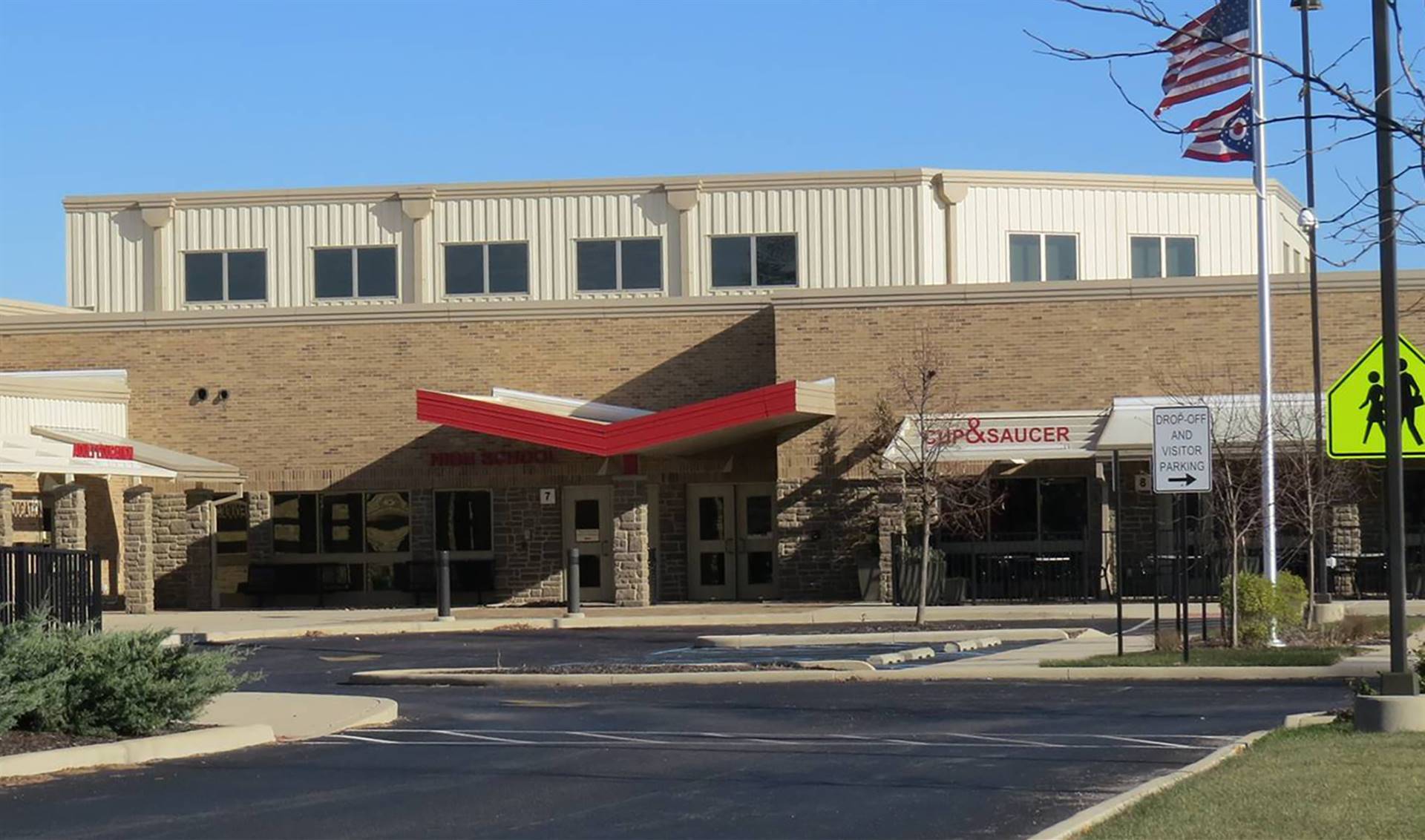
Vantage Career Center is not a traditional university but a public career-technical school in rural Van Wert, Ohio, built for a singular purpose: to fast-track high school students and adults into skilled trades and technical careers. Its identity is defined by hands-on, practical training in fields like nursing assistance and industrial technology, with a focus on earning industry credentials and immediate job placement. The vibe is utilitarian and community-focused, serving as a direct pipeline for the local workforce rather than a broad liberal arts education.
More details
- Undergrad enrollment
- 104
- Graduation Rate
- 77.1%
- Student Body Focus
- 11th/12th graders & adult learners
- Median Earnings (10yr)
- $33,875
- Average Debt at Graduation
- $11,978
- Financial Aid: Pell Grants
- Available, need-based
- Financial Aid: Institutional Grants
- 4% of recipients, avg $583
Outcomes & value
Outcomes & value
- Median earnings (10 yr)
- $33,875
- Median debt at graduation
- $11,978
- Pell (lower-income) share
- 12%
Earnings = median of students working ~10 years after entry; debt = median of graduates. Value divides 10-yr earnings by one year’s net price — read it as earnings per dollar of annual cost, not a full lifetime ROI; it favors lower-cost schools. Source: U.S. Dept. of Education College Scorecard. Figures lag ~2 years and reflect all students, not your intended major.
Campus & location
Campus safety
- On-campus violent crimes (2024)
- 0
On-campus criminal offenses classed as violent (murder/non-negligent manslaughter, rape, robbery, aggravated assault) for the most recent reported year. Source: U.S. Dept. of Education Campus Safety and Security (Clery Act). Counts reflect what’s reported to the school, and urban campuses often report more partly due to non-student incidents nearby — read alongside campus size and setting, not as a standalone safety verdict.
Climate
- Pleasant days / yr
- 94
- Summer high
- 83°F
- Winter low
- 25°F
- Annual rain
- 30.3"
- Annual snow
- 21.4"
- Natural-hazard risk
- Very Low
Pleasant days counts days per year with a mean temperature of 55–75°F, a high at or below 90°F, a low at or above 45°F, and little precipitation — a transparent comfort measure, not a weighting we invented. Computed from Open-Meteo ERA5 daily history (2019–2023). Natural-hazard risk is the county’s composite rating from the FEMA National Risk Index.
Quick answers
- How many undergraduates attend Vantage Career Center?
- Vantage Career Center enrolls approximately 104 undergraduate students.
- Where is Vantage Career Center located?
- Vantage Career Center is located in Van Wert, OH.
Admissions
Admissions at Vantage Career Center operates on a fundamentally different premise than a four-year college. It is a career-technical school open to any eleventh and twelfth-grade high school student living within its thirteen member school districts, with an apparent of 100% according to one source. Acceptance is based not on test scores or essays, but on a student's ability to meet their home high school's graduation requirements. The process involves submitting an application, with tentative acceptance letters sent starting in April; final acceptance is contingent upon successful completion of the student's current courses. There is no indication that standardized test scores (ACT/SAT) are required for admission, and the concept of 'demonstrated interest'—a common factor in traditional college admissions—is not applicable in this context. The school serves a dual population: high school students attending for career-tech training alongside their academic coursework and adults seeking post-secondary certification.
Academics
The academic model is purely career-technical. Vantage provides 'authentic, student-focused, career-technical training that prepares high school students and adults for employment and further education.' The curriculum is built around hands-on training and real-world experience, with the explicit goal of helping students earn industry-recognized credentials, college credit, and early career placement. There are no traditional majors in the liberal arts sense; instead, programs are aligned with specific trades and technical fields. The school's mission is to open doors for students to achieve their college and career goals, often by providing a direct, skilled pathway into the workforce immediately after completion. Instruction is practical and applied, focused on competency in a specific trade rather than broad theoretical exploration.
Compare Vantage Career Center
vs Chicago State Universityvs United States Coast Guard Academyvs University of Minnesota-Morrisvs Dickinson State University
See colleges similar to Vantage Career Center →Sources
- Vantage Career Center Statistics
- Student Services
- Common Data Set: Home
- Adult Education School Catalog & Student Handbook
- The Common Data Set: What It Is & How to Use It In ...
- About Us
- Vantage Career Center
- Accreditation Statistics for Vantage Career Center
- Vantage FAQs
- Vantage Career Center
- Student Handbook 2025-2026
- Vantage Career Center | Van Wert OH