Loading…
← All schools
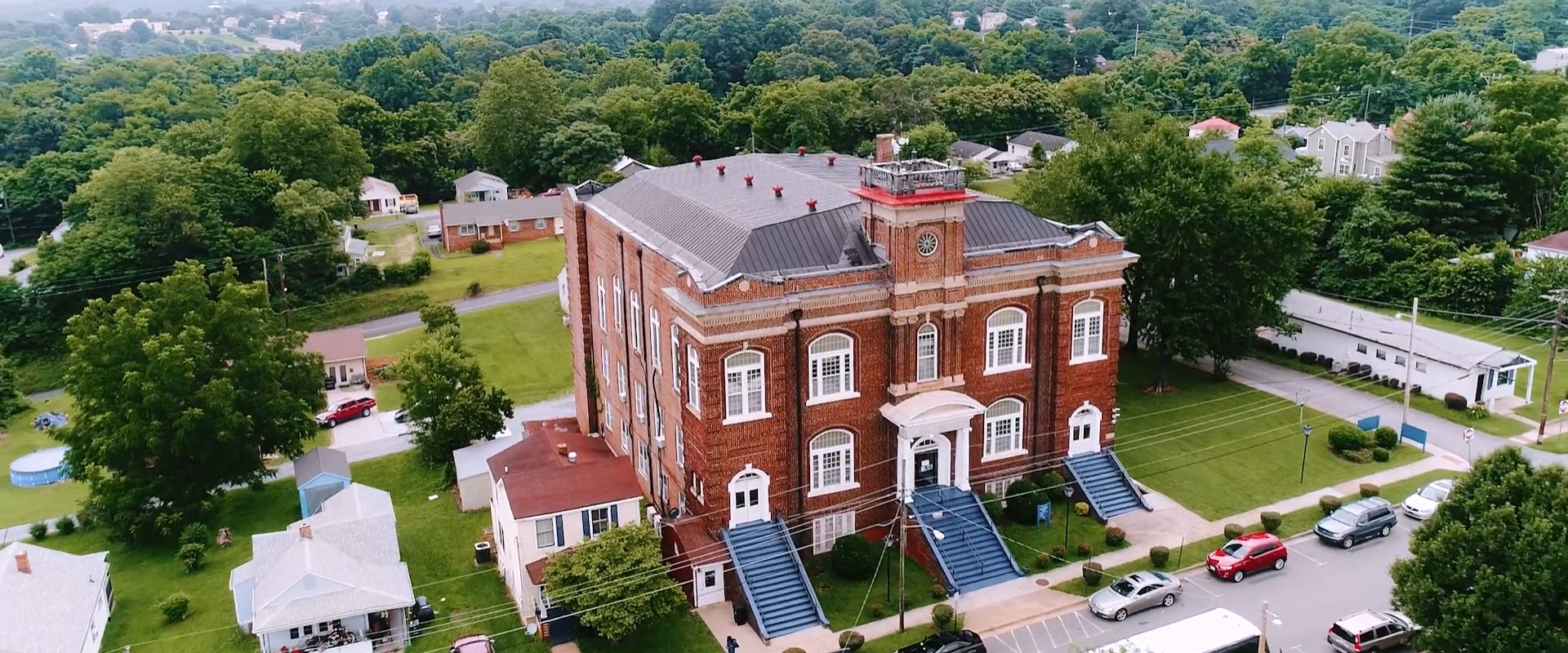
Virginia University of Lynchburg
Lynchburg, VAprivate nonprofitwww.vul.edu/
Avg net price
$21,253
Earnings (10 yr)
$28,396
Graduation rate
38%
Acceptance & SAT from Common Data Set / IPEDS; net price, earnings & graduation from the U.S. Dept. of Education College Scorecard. Figures lag ~1–2 years — verify with the school.
Virginia University of Lynchburg is a small, historically Black, faith-based institution that defines itself by its mission of access and service. With an open admissions policy and a graduation rate of 38%, it serves a specific niche of students who may not have the chance to attend larger traditional universities, offering a close-knit, community-oriented environment grounded in liberal arts and social responsibility. Its identity is less about prestige or selectivity and more about providing a supportive, faith-integrated education for those it was founded to serve.
More details
- Undergrad enrollment
- 125
- In-state tuition
- $11,360
- Out-of-state tuition
- $11,360
- Graduation Rate
- 38%
- Number of Majors
- 9
- Demonstrated Interest
- Not considered
- Median Earnings (10yr)
- $28,396
- Student-to-Faculty Ratio
- 12:1
Outcomes & value
Outcomes & value
- Median earnings (10 yr)
- $28,396
- Value (earnings ÷ net price)
- 1.3×
- Median debt at graduation
- $24,250
- Graduation rate
- 38%
- First-year retention
- 75%
- Reducing loan balance (3 yr)
- 11%
- Pell (lower-income) share
- 75%
- First-gen share (among federal-aid recipients)
- 52%
Top-earning majors
Median earnings by field of study (highest credential), ~2 years after completion.
- Business, Management, Marketing, and Related Support Services, Other$21,964
Source: U.S. Dept. of Education College Scorecard (field-of-study earnings). Figures cover graduates who received federal aid and lag ~2 years; not all programs report data.
Compare on earnings: best colleges for Marketing
Campus & location
Campus safety
- On-campus violent crimes (2024)
- 0
- Per 1,000 students
- 0.00
On-campus criminal offenses classed as violent (murder/non-negligent manslaughter, rape, robbery, aggravated assault) for the most recent reported year. Source: U.S. Dept. of Education Campus Safety and Security (Clery Act). Counts reflect what’s reported to the school, and urban campuses often report more partly due to non-student incidents nearby — read alongside campus size and setting, not as a standalone safety verdict.
Climate
- Pleasant days / yr
- 102
- Summer high
- 87°F
- Winter low
- 33°F
- Annual rain
- 30.6"
- Annual snow
- 8.6"
- Natural-hazard risk
- Relatively Low
Pleasant days counts days per year with a mean temperature of 55–75°F, a high at or below 90°F, a low at or above 45°F, and little precipitation — a transparent comfort measure, not a weighting we invented. Computed from Open-Meteo ERA5 daily history (2019–2023). Natural-hazard risk is the county’s composite rating from the FEMA National Risk Index.
Deep dive — research, future-scholar output & economic mobility
Research output
- Institutional h-index
- 21
- Scholarly works
- 325
Institutional research volume and impact from OpenAlex. The h-index reflects large research universities and will be low for teaching-focused liberal-arts colleges — not a measure of undergraduate quality.
Quick answers
- How much does Virginia University of Lynchburg cost?
- At Virginia University of Lynchburg, the average net price (after aid) is about $21,253 per year. Actual cost varies with financial aid and residency.
- How many undergraduates attend Virginia University of Lynchburg?
- Virginia University of Lynchburg enrolls approximately 125 undergraduate students.
- Where is Virginia University of Lynchburg located?
- Virginia University of Lynchburg is located in Lynchburg, VA.
Admissions
Virginia University of Lynchburg operates with an open admissions policy, accepting virtually every applicant. For the most recent cycle, 100% of the 957 applicants were admitted, with 126 of those admitted students enrolling. The process is straightforward and non-selective, reflecting the school's mission to provide access. The university accepts the Common Application and has also participated in Common App's direct admissions program, which targets and low-income students. Demonstrated interest is not a factor in admissions decisions, as indicated by reporting. The average high school GPA of admitted students is reported as 2.1, and while test scores are considered, the emphasis is on fulfilling application requirements rather than competitive metrics.
- Admission Rate: 100%
- Application Volume: 957 applicants
- Enrolled Yield: 126 students from the admitted pool
- Average Admitted GPA: 2.1
Compare Virginia University of Lynchburg
vs Livingstone Collegevs Dillard Universityvs Huston-Tillotson Universityvs Inter American University of Puerto Rico-Fajardo
See colleges similar to Virginia University of Lynchburg →Sources
- Virginia University of Lynchburg Overview
- Common Data Set Initiative - Institutional Research & Analytics
- Common Data Set 2023-2024
- Virginia University of Lynchburg - IPEDS - Department of Education
- University of Lynchburg joins Common App's direct admissions ...
- University of Lynchburg - Profile, Rankings and Data
- University of Lynchburg Admissions - US News Best Colleges
- University of Lynchburg Admissions & Acceptance
- University of Lynchburg - BigFuture College Search
- University of Lynchburg Profile - SCHEV Research