Loading…
← All schools
Western Maricopa Education Center
Glendale, AZpublicwest-mec.edu
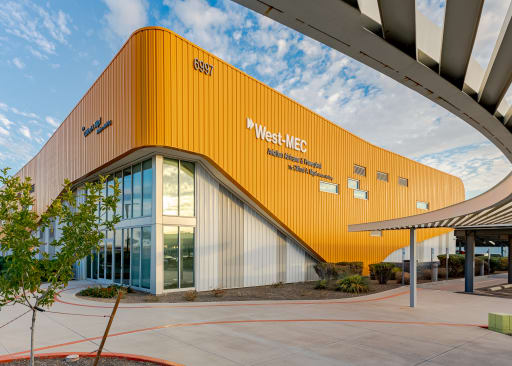
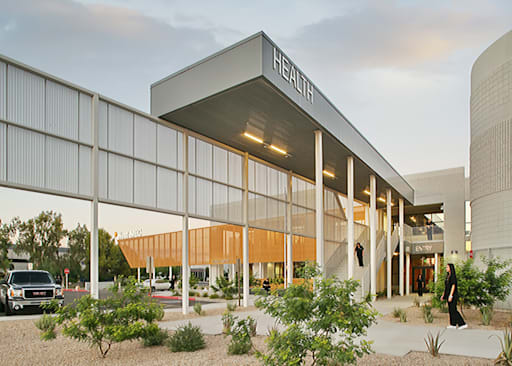
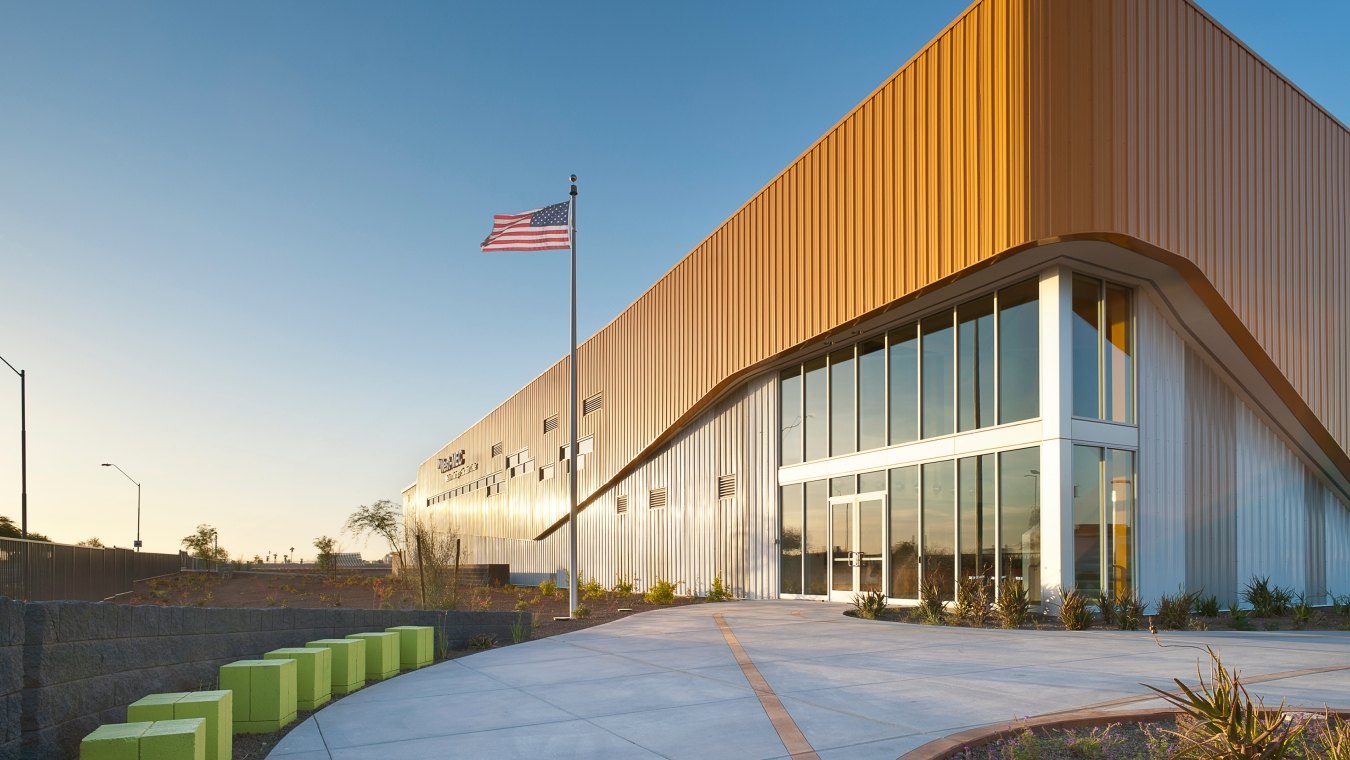
Western Maricopa Education Center (West-MEC) is not a traditional university but a sprawling, publicly-funded Career and Technical Education District (CTED) in the Phoenix metro area. It operates with a singular, pragmatic mission: to equip high school students and adults with specific, in-demand job skills through hands-on, industry-aligned programs. Forget ivy-covered halls; think specialized campuses and workshops where the curriculum is built around welding, cybersecurity, aviation, and healthcare certifications. Its culture is one of immediate utility, where success is measured not in acceptances to elite colleges, but in industry certifications earned and job offers secured.
More details
- Undergrad enrollment
- 245
- Campus Type
- Multiple Non-Residential Campuses
- Service Area
- 3,685 sq mi in Phoenix Metro
- Student Body
- High School & Adult Students
- Mission Focus
- Solely Career & Technical Education (CTE)
Outcomes & value
Outcomes & value
- Pell (lower-income) share
- 37%
Earnings = median of students working ~10 years after entry; debt = median of graduates. Value divides 10-yr earnings by one year’s net price — read it as earnings per dollar of annual cost, not a full lifetime ROI; it favors lower-cost schools. Source: U.S. Dept. of Education College Scorecard. Figures lag ~2 years and reflect all students, not your intended major.
Campus & location
Campus safety
- On-campus violent crimes (2024)
- 0
On-campus criminal offenses classed as violent (murder/non-negligent manslaughter, rape, robbery, aggravated assault) for the most recent reported year. Source: U.S. Dept. of Education Campus Safety and Security (Clery Act). Counts reflect what’s reported to the school, and urban campuses often report more partly due to non-student incidents nearby — read alongside campus size and setting, not as a standalone safety verdict.
Climate
- Pleasant days / yr
- 101
- Summer high
- 105°F
- Winter low
- 44°F
- Annual rain
- 8.6"
- Natural-hazard risk
- Very High
Pleasant days counts days per year with a mean temperature of 55–75°F, a high at or below 90°F, a low at or above 45°F, and little precipitation — a transparent comfort measure, not a weighting we invented. Computed from Open-Meteo ERA5 daily history (2019–2023). Natural-hazard risk is the county’s composite rating from the FEMA National Risk Index.
Quick answers
- How many undergraduates attend Western Maricopa Education Center?
- Western Maricopa Education Center enrolls approximately 245 undergraduate students.
- Where is Western Maricopa Education Center located?
- Western Maricopa Education Center is located in Glendale, AZ.
Admissions
Admission to West-MEC is a process entirely distinct from the selective, of a four-year college. The institution reports a 100% , but this figure is misleading without context. It reflects an open-access mission for its adult education programs, but for its high school career programs, placement is competitive and based on specific program requirements and a scoring rubric. Applicants who score below a 42 on this rubric or fail to meet program-specific prerequisites are not considered in the priority allocation process. The initiative, a standard for traditional higher education reporting, is referenced in the sources but its specific application to West-MEC's unique CTE admissions process is not detailed in the provided snippets. Standardized test scores (SAT/ACT) are not a focal point; the College Scorecard notes the admission test score policy is 'unknown.' The process is less about evaluating a full academic portfolio and more about assessing a student's readiness and fit for a specific, technical career path.
Compare Western Maricopa Education Center
vs New Mexico Institute of Mining and Technologyvs Oregon State University-Cascades Campusvs University of Alaska Southeastvs Maine Maritime Academy
See colleges similar to Western Maricopa Education Center →Sources
- Common Data Set - Financial Services - Caltech
- Common Data Set: Home
- Common Data Set - Office of Institutional Research
- [PDF] Common Data Set 2021-2022 - Amazon S3
- Decoding the Common Data Set What You Need to Know for Your ...
- Common Data Set - University Analytics and Institutional Research
- Western Maricopa Education Center - Niche
- Home - Western Maricopa Education Center
- Western Maricopa Education Center - Northwest Campus | Instudi
- Western Maricopa Education Center - Sallie
- Application & Enrollment Resources - Western Maricopa Education ...