Admit rate has ranged 48%–59% over the last 5 years — notably volatile, though the latest figure above (38%) falls outside that window. Source: IPEDS via Urban Institute.
Acceptance & SAT from Common Data Set / IPEDS; net price, earnings & graduation from the U.S. Dept. of Education College Scorecard. Figures lag ~1–2 years — verify with the school.
Whitman College is a fiercely independent liberal arts enclave in the heart of Washington's wine country, where intellectual rigor meets a distinctly Pacific Northwest brand of adventure. With a collaborative, non-competitive academic culture and a sprawling campus that serves as a launchpad for the outdoors, it attracts students who are as serious about seminar discussions as they are about weekend backpacking trips. Its recent commitment to meeting 100% of demonstrated financial need for all students signals a profound investment in accessibility, making its intense, personalized education a tangible reality for a broader range of scholars.
Admission requirements
Test-optional — scores considered if submitted
Required
High school transcript
Letters of recommendation
TOEFL (non-native English)
Considered (not required)
Grade point average
Class rank
Test scores (SAT/ACT)
College-prep program
Demonstrated competencies
Source: IPEDS Admissions survey (2022) via Urban Institute. Covers formal factors only — it does not reflect essays, extracurriculars, or other holistic criteria.
More details
Undergrad enrollment
1,531
In-state tuition
$64,050
Out-of-state tuition
$64,050
No-Loan Policy
Yes, for DACA/undocumented students; listed as a no-loan college
Graduation Rate
81%
Meets Full Need
Yes
Demonstrated Interest
Considered (Special talent/abilities)
Median Earnings (10yr)
$67,589
Financial Aid Recipients
95% of first-time students
Early Decision Share of Class
~25% (1 in 4 enrolled students)
Outcomes & value
Outcomes & value
Median earnings (10 yr)
$67,589
Value (earnings ÷ net price)
2.0×
Median debt at graduation
$18,437
Graduation rate
81%
First-year retention
87%
Reducing loan balance (3 yr)
93%
Pell (lower-income) share
16%
First-gen share (among federal-aid recipients)
12%
Earnings = median of students working ~10 years after entry; debt = median of graduates. divides 10-yr earnings by net price — read it as earnings per dollar of annual cost, not a full lifetime ROI; it favors lower-cost schools. Source: U.S. Dept. of Education College Scorecard. Figures lag ~2 years and reflect all students, not your intended major.
Financial health
3.0 / 3.0Meets the federal financial-responsibility standard
U.S. Dept. of Education Financial Responsibility Composite Score (FY2022-23). Scale −1.0 to 3.0; ≥1.5 meets the standard. Reported for private nonprofit & for-profit institutions only — public universities are state-backed and not scored, so this is a stability signal, not a ranking.
Top-earning majors
Median earnings by field of study (highest credential), ~2 years after completion.
Economics$42,682
Political Science and Government$33,993
Sociology$33,993
Psychology, General$27,584
Visual and Performing Arts, General$26,353
Film/Video and Photographic Arts$25,194
Biology, General
Campus & location
Campus safety
On-campus violent crimes (2024)
1
On-campus criminal offenses classed as violent (murder/non-negligent manslaughter, rape, robbery, aggravated assault) for the most recent reported year. Source: U.S. Dept. of Education Campus Safety and Security (Clery Act). Counts reflect what’s reported to the school, and urban campuses often report more partly due to non-student incidents nearby — read alongside campus size and setting, not as a standalone safety verdict.
Climate
Pleasant days / yr
100
Summer high
88°F
Winter low
31°F
Annual rain
20"
Annual snow
21.5"
Natural-hazard risk
Relatively Low
Pleasant days counts days per year with a mean temperature of 55–75°F, a high at or below 90°F, a low at or above 45°F, and little precipitation — a transparent comfort measure, not a weighting we invented. Computed from Open-Meteo ERA5 daily history (2019–2023). Natural-hazard risk is the county’s composite rating from the FEMA National Risk Index.
Deep dive — research, future-scholar output & economic mobility▾
Research output
Institutional h-index
157
Scholarly works
3,344
Institutional research volume and impact from OpenAlex. The h-index reflects large research universities and will be low for teaching-focused liberal-arts colleges — not a measure of undergraduate quality.
Future-scholar output
Science & engineering PhDsper-capita yield 8.1
Share of this school’s graduates who go on to earn research doctorates (2010–20), by national rank and per-capita yield (NSF institutional-yield ratio). A signal of a research-oriented student culture — not a causal promise, since it partly reflects who enrolls. Only top producers appear. Source: NSF NCSES, Baccalaureate Origins of U.S. Research Doctorate Recipients.
Economic mobility
Mobility rate
0.9%
Bottom → top quintile
Quick answers
What is the acceptance rate at Whitman College?
Whitman College's acceptance rate is approximately 38% (Walla Walla, WA), based on the most recent figures we compiled from public and primary sources.
What SAT score do you need for Whitman College?
Admitted students at Whitman College typically score 1310–1480 on the SAT (the middle-50% range). Scores outside this band are still admitted, especially with strong applications.
How much does Whitman College cost?
At Whitman College, the average net price (after aid) is about $33,313 per year. Actual cost varies with financial aid and residency.
How many undergraduates attend Whitman College?
Whitman College enrolls approximately 1,531 undergraduate students.
Where is Whitman College located?
Whitman College is located in Walla Walla, WA.
Admissions
Whitman's admissions process is selective, with a that places significant weight on academic achievement and personal fit. The college accepts the Common Application and considers a student's secondary school record—including rigor of coursework, GPA, and class rank—as "very important" factors. Standardized test scores, while considered, are part of a broader evaluation; the middle 50% SAT range for admitted students is 1310–1480. The application essay, recommendations, extracurricular activities, and character/personal qualities are all rated as "important."
Demonstrated interest is a notable part of the calculus. The indicates that special consideration is given to students with demonstrated talent or abilities in areas of interest to the institution, such as sports, the arts, or languages. This suggests that showcasing a specific passion that aligns with Whitman's community can strengthen an application.
Applying Early Decision (ED) can be a strategic advantage for committed applicants. Whitman states that ED applicants "are admitted at higher rates" because their commitment shines through. One source notes that approximately one in four enrolled students applied via Early Decision. While specific ED vary across sources, the clear institutional message is that ED signals a strong mutual fit.
Source: U.S. Dept. of Education College Scorecard (field-of-study earnings). Figures cover graduates who received federal aid and lag ~2 years; not all programs report data.
Mobility rate = the share of students who both start in the bottom household-income quintile and reach the top quintile; bottom → top is that chance conditional on starting at the bottom. Source: Opportunity Insights Mobility Report Cards (Chetty, Friedman, Saez, Turner & Yagan). Reflects 1980–82 birth cohorts, so it’s directional, not current.
Whitman's academic identity is built on a classic, expansive liberal arts foundation with a distinctly collaborative twist. The college offers more than 80 majors and programs, granting students significant freedom to explore interests and connect disciplines. The faculty are framed not as distant lecturers but as engaged mentors who are "here to challenge and support you," fostering an environment where students "collaborate with your peers, not compete."
Popular majors reflect a balance of humanities, social sciences, and sciences. Recent data shows English Language and Literature, Anthropology, Film/Cinema/Media Studies, and Sociology each constituting notable percentages of graduates. The curriculum is designed to develop mastery through "a coherent array of courses" in a chosen major. Mathematics and statistics, for example, are promoted for their power to "foster abstract thinking, problem-solving skills, and the ability to identify and communicate patterns." This broad, interdisciplinary approach ensures that STEM students are immersed in the same rigorous, discussion-based liberal arts context as their peers in the humanities.
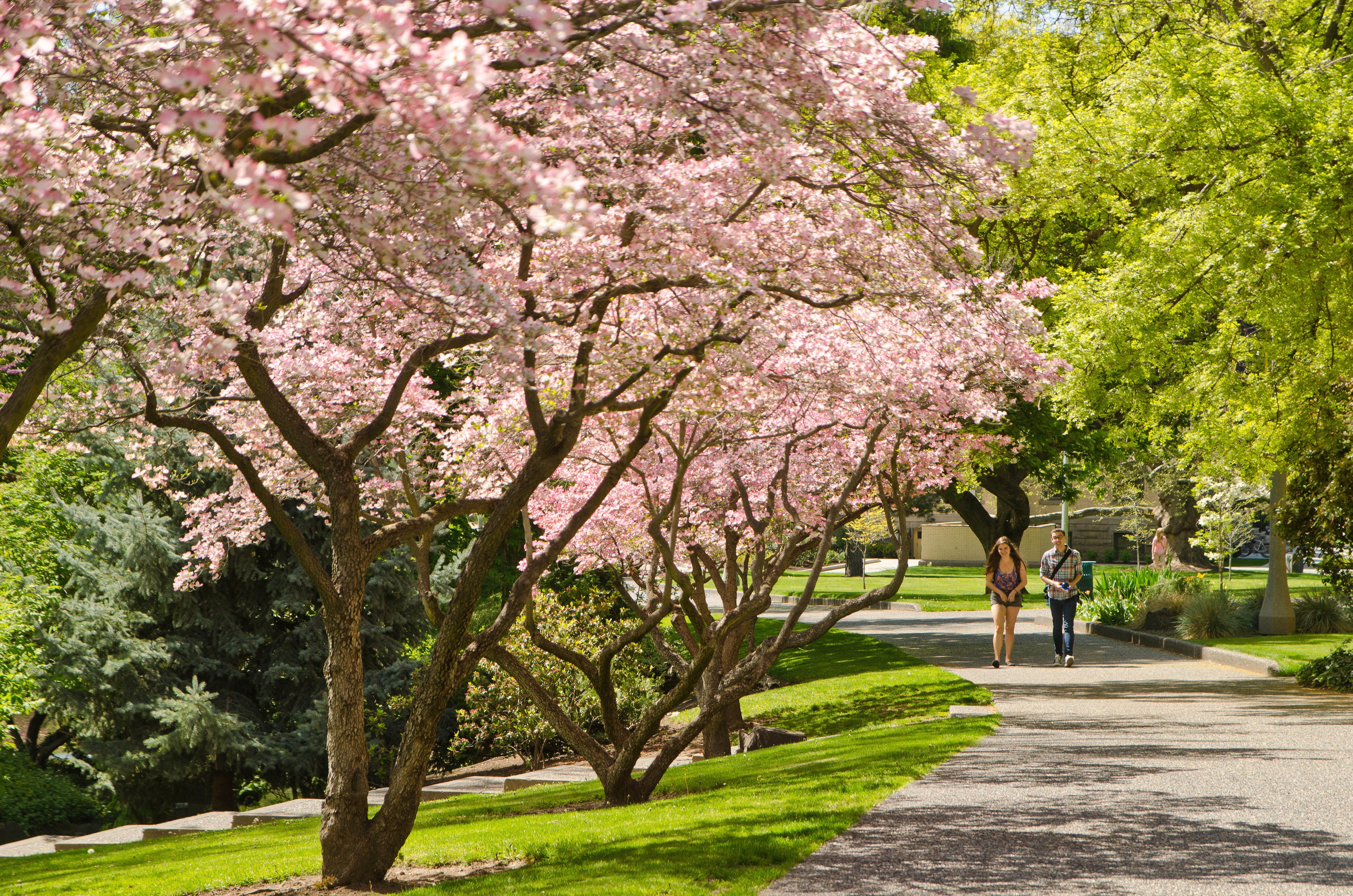
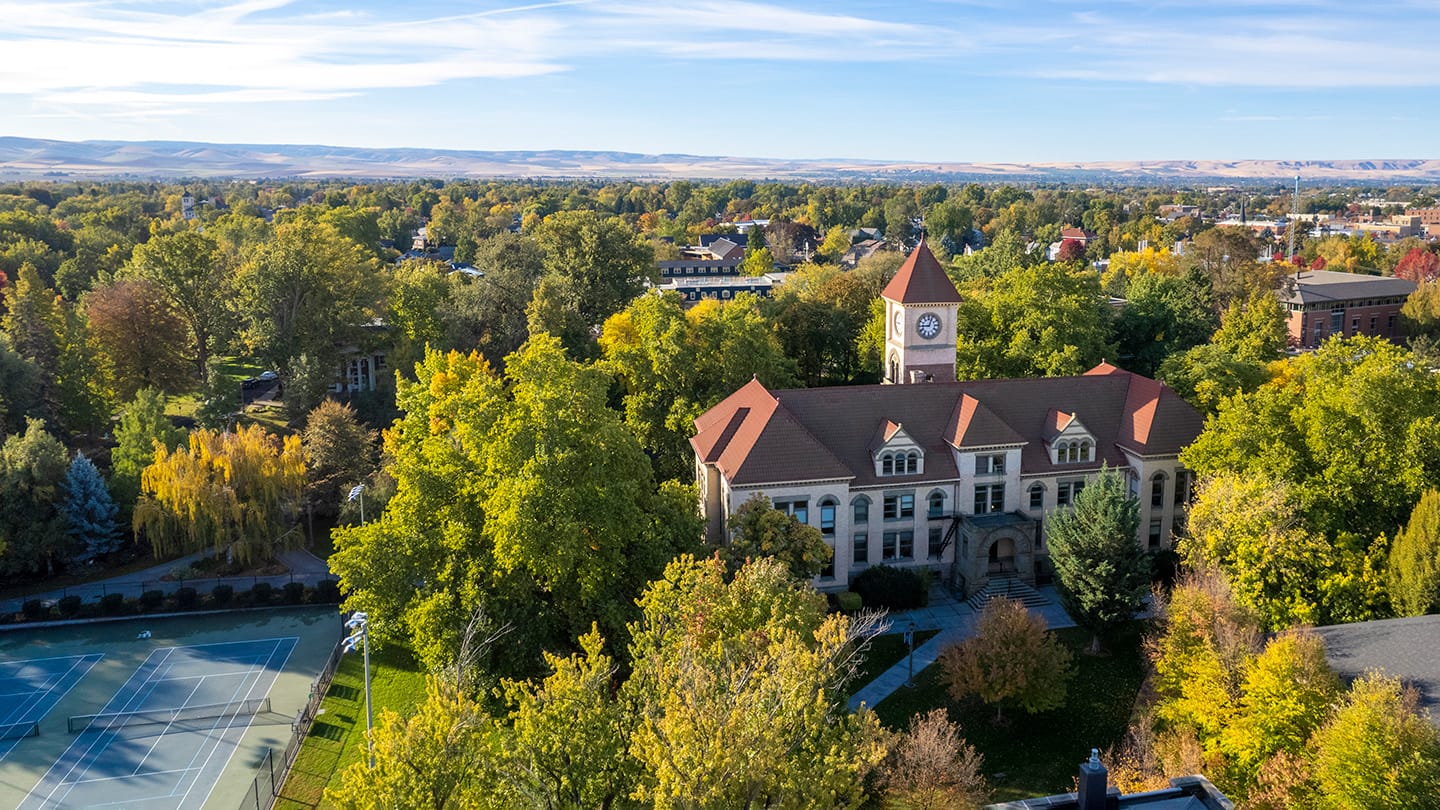
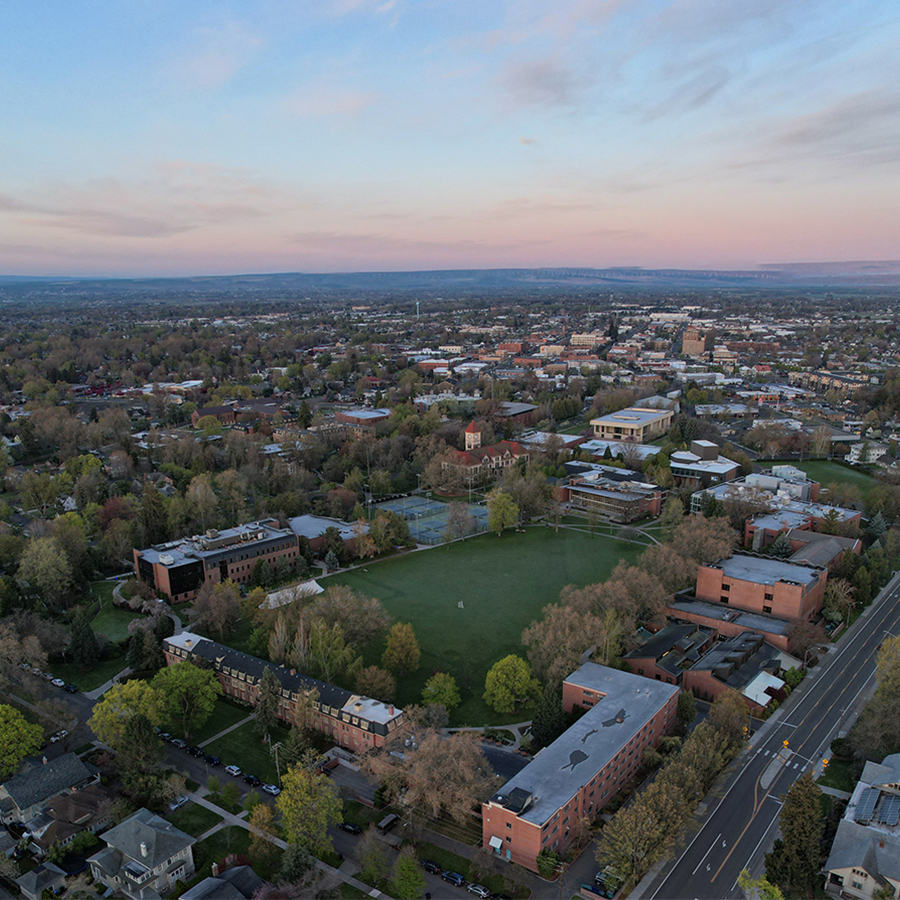
Life at Whitman is defined by a potent mix of passionate engagement and relaxed, scenic camaraderie. The campus itself is a central character—featuring tree-lined paths, Ankeny Field as a central gathering space, and a resident population of ducks. The Reid Campus Center acts as the hub for student life, housing the post office, the Outdoor Program, and student activity offices.
Student energy is channeled into a vast array of clubs and organizations, from climate activism groups to intramural sports. The college is committed to fostering a culture "where all our talented, amazing students can participate fully and experience a genuine sense of belonging." Student reviews highlight a "chill party scene," an "amazing outdoor program," and the quality of campus resources and facilities. The vibe is often described as self-directed and inclusive; students are "passionate, motivated and committed," but within a supportive, low-pressure social atmosphere that takes full advantage of its stunning Eastern Washington setting.
Whitman graduates launch into their post-college lives with strong momentum. The institution reports that a significant percentage of recent graduates are employed, in graduate school, or pursuing fellowships and service opportunities shortly after commencement. One internal metric highlights the percentage of graduates who are "Full-Time from Day One."
The six-year graduation rate is a key indicator of student success and institutional support. Sources show varying figures, but the overall rate is considered high, ranking Whitman in the top tier nationally. Notably, one analysis places Whitman's graduation rate well above the national midpoint for four-year colleges. This strong completion rate underscores the effectiveness of Whitman's academic support and close-knit community in seeing students through to degree attainment.
Whitman College has made a transformative commitment to affordability through a robust financial aid policy. The college now meets 100% of the demonstrated financial need for all admitted students. For those whose need is not fully met by other aid, Whitman meets at least 95% of each student's demonstrated need. This policy is a major shift, enabled by a significant gift, and means admission decisions are made without regard to a student's financial circumstances.
Crucially, this commitment includes a no-loan component for many students. The college states that it meets 100% of demonstrated need, with no loan expectation, for students who have DACA status or are undocumented, indicating a loan-free package for that population. More broadly, Whitman is listed among institutions with "no loan" policies, meaning loans are not a required part of the financial aid package, allowing students to graduate with less debt.
The result is that a very high percentage of students receive financial support. The calculator indicates that 95% of full-time, first-time students receive scholarship or grant aid, making the nationally ranked education more accessible.
Whitman College stands out for its powerful synthesis of academic intensity and a distinctly laid-back, outdoorsy culture—all backed by a serious financial commitment to its students. It's not a place of cutthroat competition; the ethos is collaboration, both in the seminar room and on the trail. This creates a unique student: intellectually voracious yet unpretentious, equally comfortable debating political theory and planning a weekend rock-climbing trip.
The recent move to a 100% need-met admission policy for all students is a game-changer. It elevates Whitman into a rare echelon of liberal arts colleges that remove financial barriers as a matter of principle, not just for a select few. This commitment, coupled with its no-loan packages for key student groups, transforms it from a desirable option into an accessible one for high-achieving students from all economic backgrounds.
Finally, its location is integral to its identity. Walla Walla provides a serene, focused environment that fosters tight-knit community, while the surrounding mountains, rivers, and vineyards offer a playground that shapes the Whitman personality. It’s a college that doesn’t just offer an education, but a particular, balanced way of life—one that values deep thought, genuine connection, and the great outdoors in equal measure.
Whitman College seal · sourceWhy Whitman? | Whitman College · sourceVideo Tours & Photo Galleries | Whitman College · sourceOur Community | Whitman College · source