Loading…
← All schools
Wichita State University-Campus of Applied Sciences and Technology
Wichita, KSpublicwww.wsutech.edu/
Avg net price
$8,805
Earnings (10 yr)
$38,679
Acceptance & SAT from Common Data Set / IPEDS; net price, earnings & graduation from the U.S. Dept. of Education College Scorecard. Figures lag ~1–2 years — verify with the school.
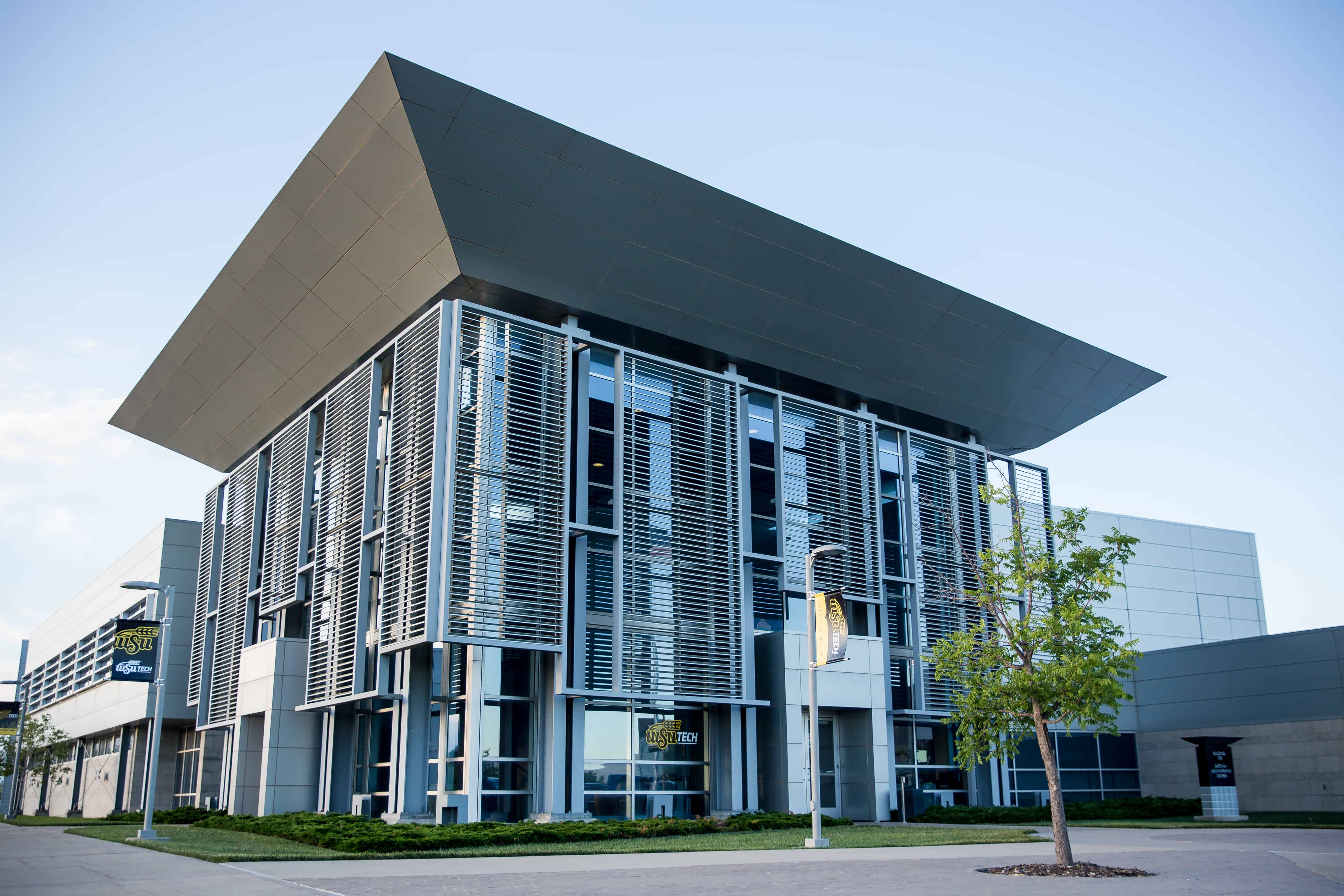
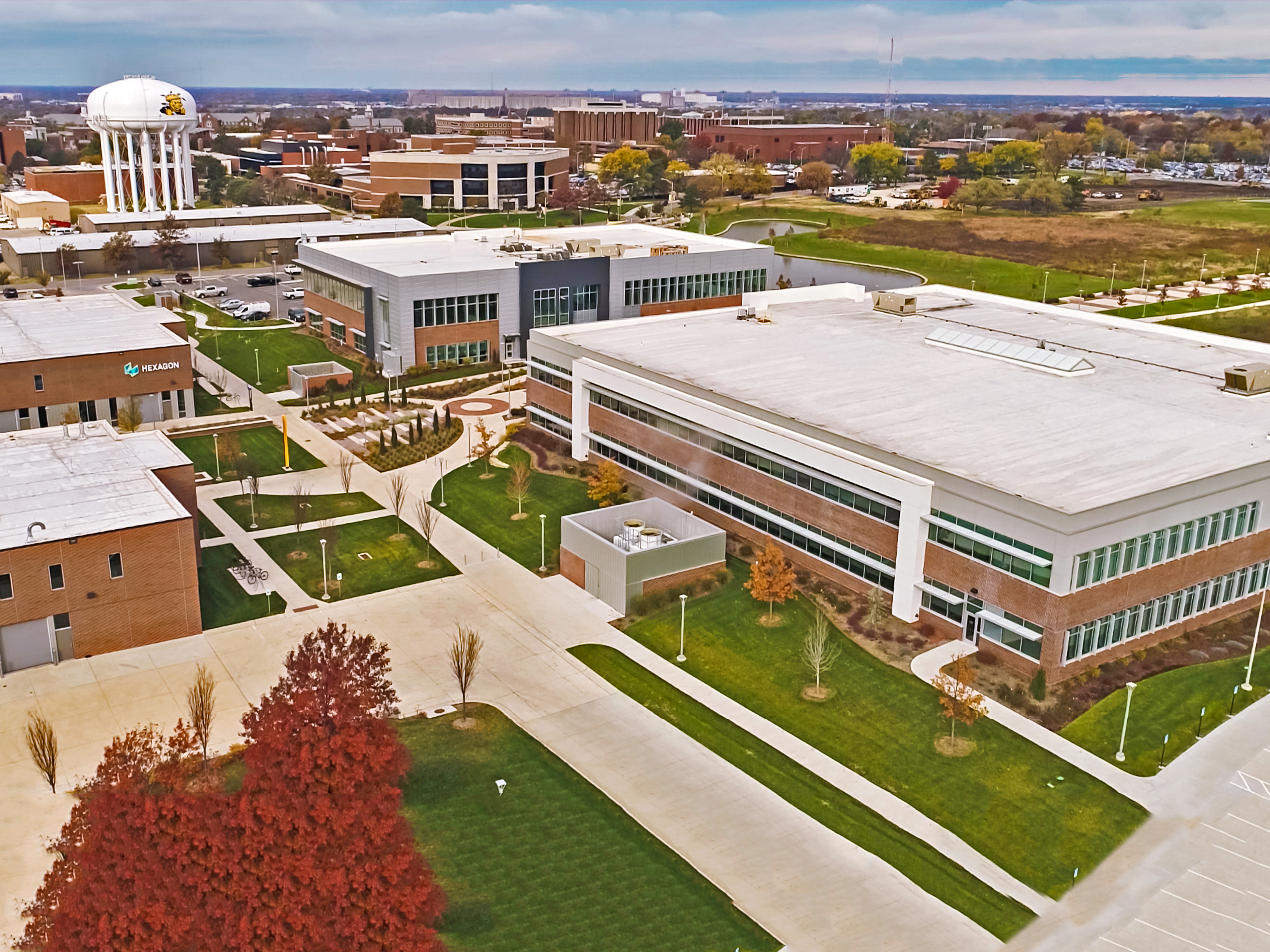
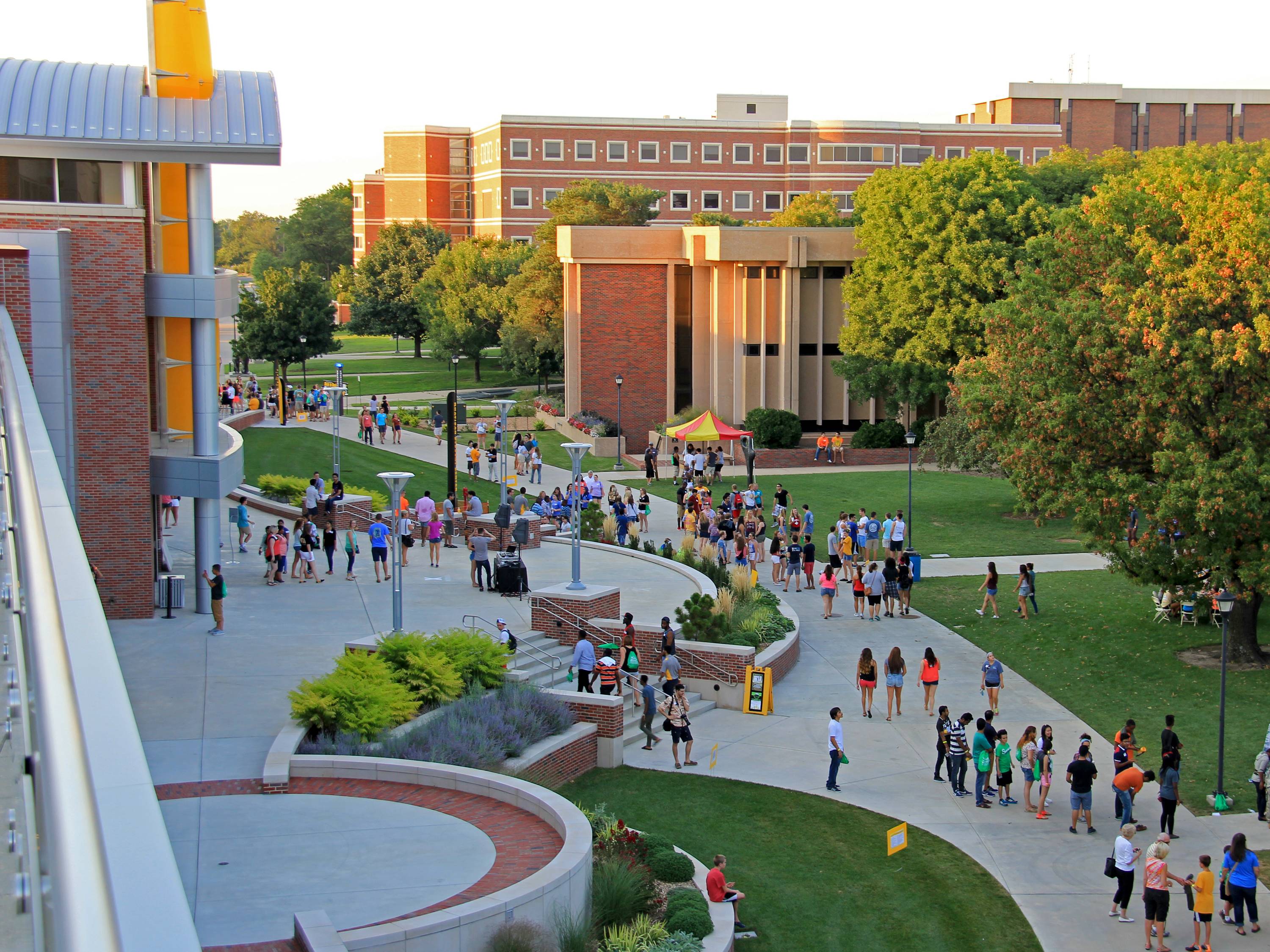
Wichita State University-Campus of Applied Sciences and Technology (WSU Tech) is a public technical college that operates with a distinct, no-frills mission: to get students job-ready, fast. It’s a direct pipeline to the workforce, offering over 100 career-focused degree and certificate programs in a high-access environment. Forget the traditional residential campus experience; here, the vibe is pragmatic, the pace is accelerated, and the goal is a tangible return on investment in the form of a skilled trade or applied science credential.
More details
- Undergrad enrollment
- 2,828
- In-state tuition
- $7,238
- Out-of-state tuition
- $7,238
- Setting
- Rural
- Programs Offered
- 100+ degree/certificate programs
- Student-Faculty Ratio
- 14:1
- Median Earnings (10yr)
- $38,679
- Financial Aid Awarded (Annual)
- >$20 million
- Paid Co-op Placement Rate (WSU)
- 96%
- First-Year Students Receiving Grant Aid
- 73%
Outcomes & value
Outcomes & value
- Median earnings (10 yr)
- $38,679
- Value (earnings ÷ net price)
- 4.4×
- Median debt at graduation
- $9,500
- Reducing loan balance (3 yr)
- 33%
- Pell (lower-income) share
- 23%
- First-gen share (among federal-aid recipients)
- 44%
Earnings = median of students working ~10 years after entry; debt = median of graduates. Value divides 10-yr earnings by one year’s net price — read it as earnings per dollar of annual cost, not a full lifetime ROI; it favors lower-cost schools. Source: U.S. Dept. of Education College Scorecard. Figures lag ~2 years and reflect all students, not your intended major.
Campus & location
Campus safety
- On-campus violent crimes (2024)
- 1
On-campus criminal offenses classed as violent (murder/non-negligent manslaughter, rape, robbery, aggravated assault) for the most recent reported year. Source: U.S. Dept. of Education Campus Safety and Security (Clery Act). Counts reflect what’s reported to the school, and urban campuses often report more partly due to non-student incidents nearby — read alongside campus size and setting, not as a standalone safety verdict.
Climate
- Pleasant days / yr
- 72
- Summer high
- 89°F
- Winter low
- 27°F
- Annual rain
- 34.8"
- Annual snow
- 12.4"
- Natural-hazard risk
- Relatively High
Pleasant days counts days per year with a mean temperature of 55–75°F, a high at or below 90°F, a low at or above 45°F, and little precipitation — a transparent comfort measure, not a weighting we invented. Computed from Open-Meteo ERA5 daily history (2019–2023). Natural-hazard risk is the county’s composite rating from the FEMA National Risk Index.
Quick answers
- How much does Wichita State University-Campus of Applied Sciences and Technology cost?
- At Wichita State University-Campus of Applied Sciences and Technology, the average net price (after aid) is about $8,805 per year. Actual cost varies with financial aid and residency.
- How many undergraduates attend Wichita State University-Campus of Applied Sciences and Technology?
- Wichita State University-Campus of Applied Sciences and Technology enrolls approximately 2,828 undergraduate students.
- Where is Wichita State University-Campus of Applied Sciences and Technology located?
- Wichita State University-Campus of Applied Sciences and Technology is located in Wichita, KS.
Admissions
WSU Tech maintains an open-access, non-selective admissions policy, prioritizing accessibility over selectivity. Multiple sources characterize its as 100%, reflecting its mission to provide technical education to a broad population. The institution does not appear to heavily weigh standardized test scores in its admissions process; one source notes that 100% of submitting students provide SAT scores, but this is likely a function of a small applicant pool rather than a requirement. The admissions process is described as supportive, with staff ready to "walk you through the entire enrollment process from the very beginning, including choosing a career path." Prospective students can contact the admissions office via phone at 316-978-3085, fax, or email at [email protected]. There is no indication of an Early Decision program or that demonstrated interest is a considered factor in admissions decisions.
Academics
The academic identity of WSU Tech is unequivocally centered on applied, career-specific training. The college offers more than 100 degree and certificate programs designed to "develop the skills employers are looking for." This stands in contrast to the broader, more theoretical program array of its parent institution, Wichita State University, which includes majors like Strength and Conditioning, a Bachelor of Applied Science, and education programs through its College of Education. The student-faculty ratio at WSU Tech is reported as 14-to-1, which suggests the potential for more direct, hands-on instruction. The focus is on practicality and speed, with the explicit aim of helping students "get your degree sooner." There is no mention of traditional liberal arts cores or extensive study-abroad networks here; the curriculum is built for direct entry into technical fields.
Compare Wichita State University-Campus of Applied Sciences and Technology
vs Indiana University-Northwestvs Indiana University-Eastvs University of Wisconsin-Parksidevs Chicago State University
See colleges similar to Wichita State University-Campus of Applied Sciences and Technology →Sources
- [DOC] 2022-2023 Common Data Set - Wichita State University
- External Reporting & Assessment Data - Wichita State University
- [DOC] 2020-2021 Common Data Set - Wichita State University
- Wichita State University-Campus of Applied Sciences and Technology
- Wichita State University Campus Of Applied Sciences And Technology
- [PDF] Wichita State University Campus of Applied Sciences & Technology
- Wichita State University Admissions - BigFuture College Search
- Wichita State University-Campus of Applied Sciences and ...
- Wichita State University-Campus of Applied Sciences and ...