Loading…
← All schools
Word of Life Bible Institute
Pottersville, NYprivate nonprofitwww.wordoflife.edu/
Avg net price
$14,516
Earnings (10 yr)
$36,173
Acceptance & SAT from Common Data Set / IPEDS; net price, earnings & graduation from the U.S. Dept. of Education College Scorecard. Figures lag ~1–2 years — verify with the school.
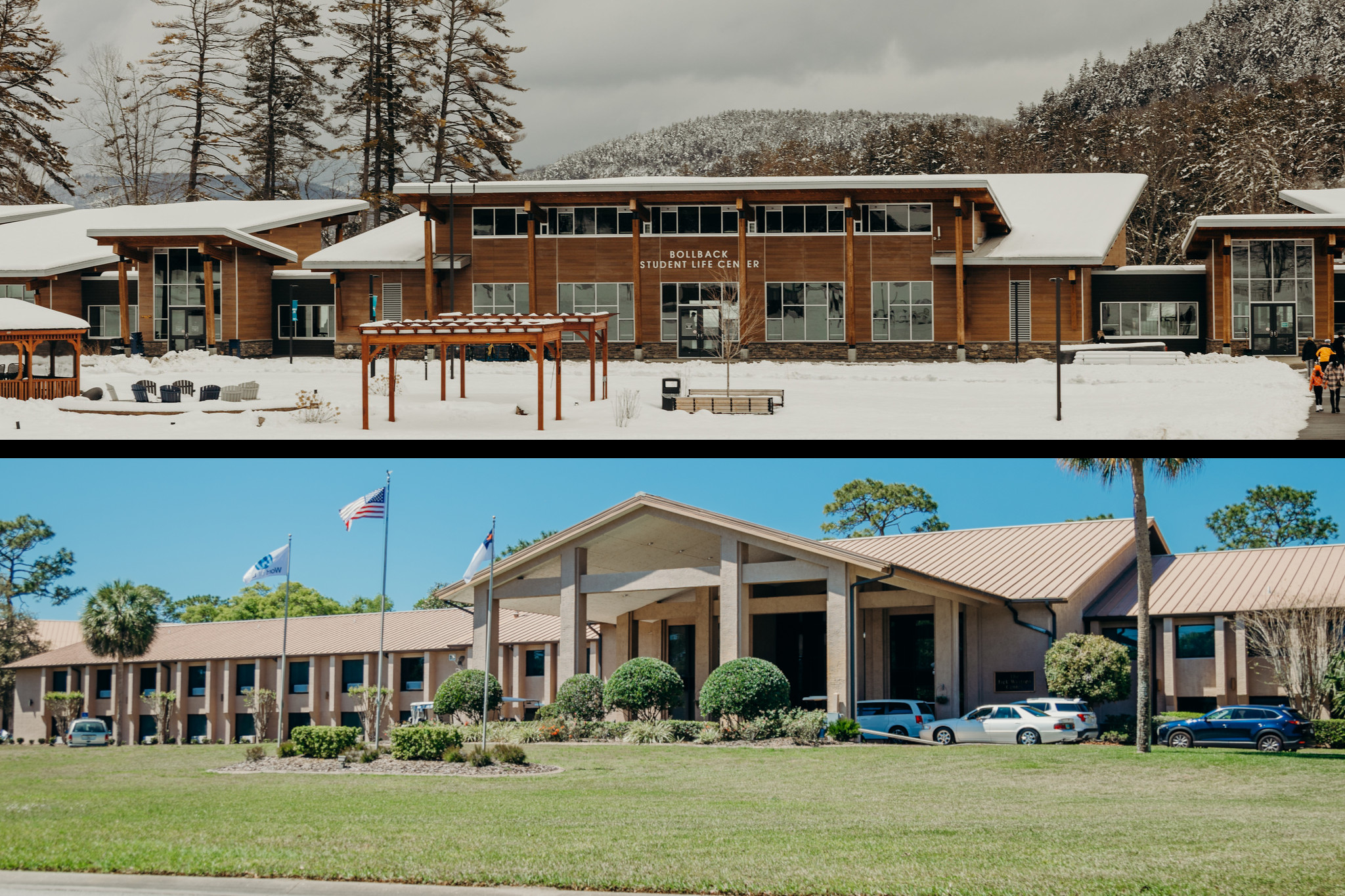
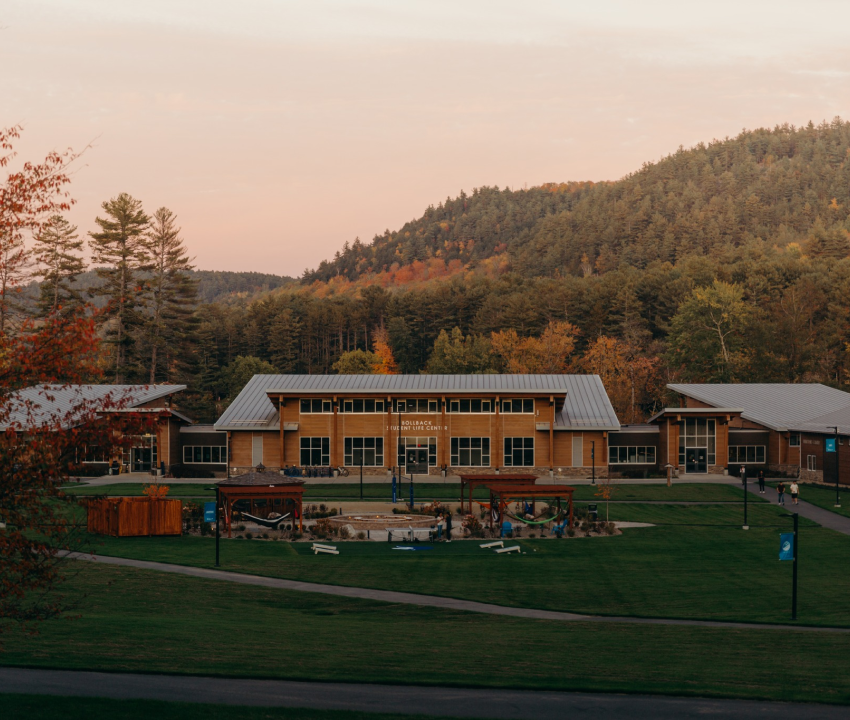
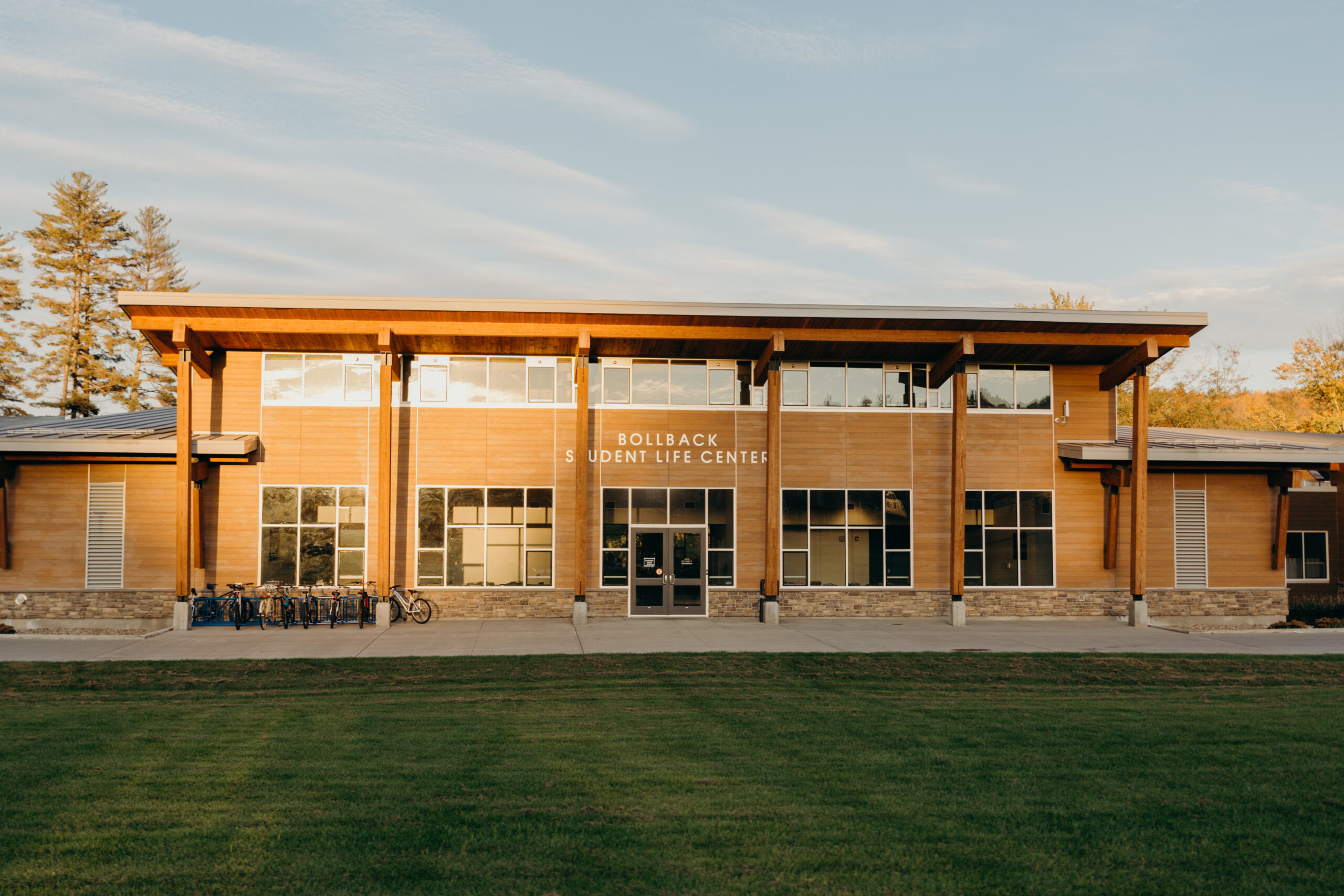
Word of Life Bible Institute is less a conventional college and more a total-immersion spiritual boot camp, where the entire academic and social structure is engineered around intensive biblical study and discipleship. Located in the remote Adirondack town of Pottersville, its open-admissions policy welcomes any student seeking this singular, all-consuming focus, but its culture is famously structured and intense—a place where chapel is as central as class, and the goal is to 'prepare them to lead lives of maximum impact for God.' The experience is polarizing: graduates describe it as a faith-defining crucible, while critics label its controlling environment cult-like.
More details
- Undergrad enrollment
- 489
- In-state tuition
- $11,500
- Out-of-state tuition
- $11,500
- Top Major
- Missions/Missionary Studies
- Application Fee
- $10
- Graduation Rate
- 84%
- Median Family Income
- $48,800
- Student-Faculty Ratio
- 22:1
- Median Earnings (10yr)
- $36,173
Outcomes & value
Outcomes & value
- Median earnings (10 yr)
- $36,173
- Value (earnings ÷ net price)
- 2.5×
- Median debt at graduation
- $12,000
- Reducing loan balance (3 yr)
- 68%
- Pell (lower-income) share
- 45%
- First-gen share (among federal-aid recipients)
- 23%
Earnings = median of students working ~10 years after entry; debt = median of graduates. Value divides 10-yr earnings by one year’s net price — read it as earnings per dollar of annual cost, not a full lifetime ROI; it favors lower-cost schools. Source: U.S. Dept. of Education College Scorecard. Figures lag ~2 years and reflect all students, not your intended major.
Financial health
2.5 / 3.0Meets the federal financial-responsibility standard
U.S. Dept. of Education Financial Responsibility Composite Score (FY2022-23). Scale −1.0 to 3.0; ≥1.5 meets the standard. Reported for private nonprofit & for-profit institutions only — public universities are state-backed and not scored, so this is a stability signal, not a ranking.
Campus & location
Campus safety
- On-campus violent crimes (2024)
- 0
On-campus criminal offenses classed as violent (murder/non-negligent manslaughter, rape, robbery, aggravated assault) for the most recent reported year. Source: U.S. Dept. of Education Campus Safety and Security (Clery Act). Counts reflect what’s reported to the school, and urban campuses often report more partly due to non-student incidents nearby — read alongside campus size and setting, not as a standalone safety verdict.
Climate
- Pleasant days / yr
- 96
- Summer high
- 77°F
- Winter low
- 17°F
- Annual rain
- 36.2"
- Annual snow
- 59.5"
- Natural-hazard risk
- Relatively Low
Pleasant days counts days per year with a mean temperature of 55–75°F, a high at or below 90°F, a low at or above 45°F, and little precipitation — a transparent comfort measure, not a weighting we invented. Computed from Open-Meteo ERA5 daily history (2019–2023). Natural-hazard risk is the county’s composite rating from the FEMA National Risk Index.
Deep dive — research, future-scholar output & economic mobility
Economic mobility
- Mobility rate
- 0.5%
- Bottom → top quintile
- 7%
- From bottom quintile
- 7%
Mobility rate = the share of students who both start in the bottom household-income quintile and reach the top quintile; bottom → top is that chance conditional on starting at the bottom. Source: Opportunity Insights Mobility Report Cards (Chetty, Friedman, Saez, Turner & Yagan). Reflects 1980–82 birth cohorts, so it’s directional, not current.
Quick answers
- How much does Word of Life Bible Institute cost?
- At Word of Life Bible Institute, the average net price (after aid) is about $14,516 per year. Actual cost varies with financial aid and residency.
- How many undergraduates attend Word of Life Bible Institute?
- Word of Life Bible Institute enrolls approximately 489 undergraduate students.
- Where is Word of Life Bible Institute located?
- Word of Life Bible Institute is located in Pottersville, NY.
Admissions
The gates are open, literally. Word of Life Bible Institute practices an open admissions policy, with sources consistently reporting a 100% . There is no early decision program, and the SAT/ACT is considered but not required. The process seems designed not to filter for academic prestige, but for a shared commitment to the institute's mission; the admissions page explicitly frames applying as joining 'a community of students... excited to study the Bible and gain practical experience.' The cost to apply is a nominal $10. The enrolled student body is predominantly white (69.3%), with Hispanic or Latino (9.41%), Black or African American (3.07%), Asian (2.04%), and other populations making up the remainder. With a total enrollment of 489 students, all of whom are full-time, the institute is small and intimate by design.
Compare Word of Life Bible Institute
See colleges similar to Word of Life Bible Institute →Sources
- Admissions Info | You Belong Here
- Common Data Set 2020-2021 - CoC for Business Intelligence
- Common Data Set: Home
- Word of Life Bible Institute: Acceptance Rate, SAT & Cost
- Word of Life Bible Institute
- Word of Life Bible Institute - Community College Review
- Word of Life Bible Institute
- Word of Life Bible Institute
- Word of Life Bible Institute Statistics
- Word of Life Bible Institute
- Academic Resources & Course Catalog
- Word of Life Bible Institute - Sallie