Loading…
← All schools
Yakima Valley College
Yakima, WApublicyvcc.edu
Avg net price
$11,843
Earnings (10 yr)
$43,499
Graduation rate
29%
Acceptance & SAT from Common Data Set / IPEDS; net price, earnings & graduation from the U.S. Dept. of Education College Scorecard. Figures lag ~1–2 years — verify with the school.
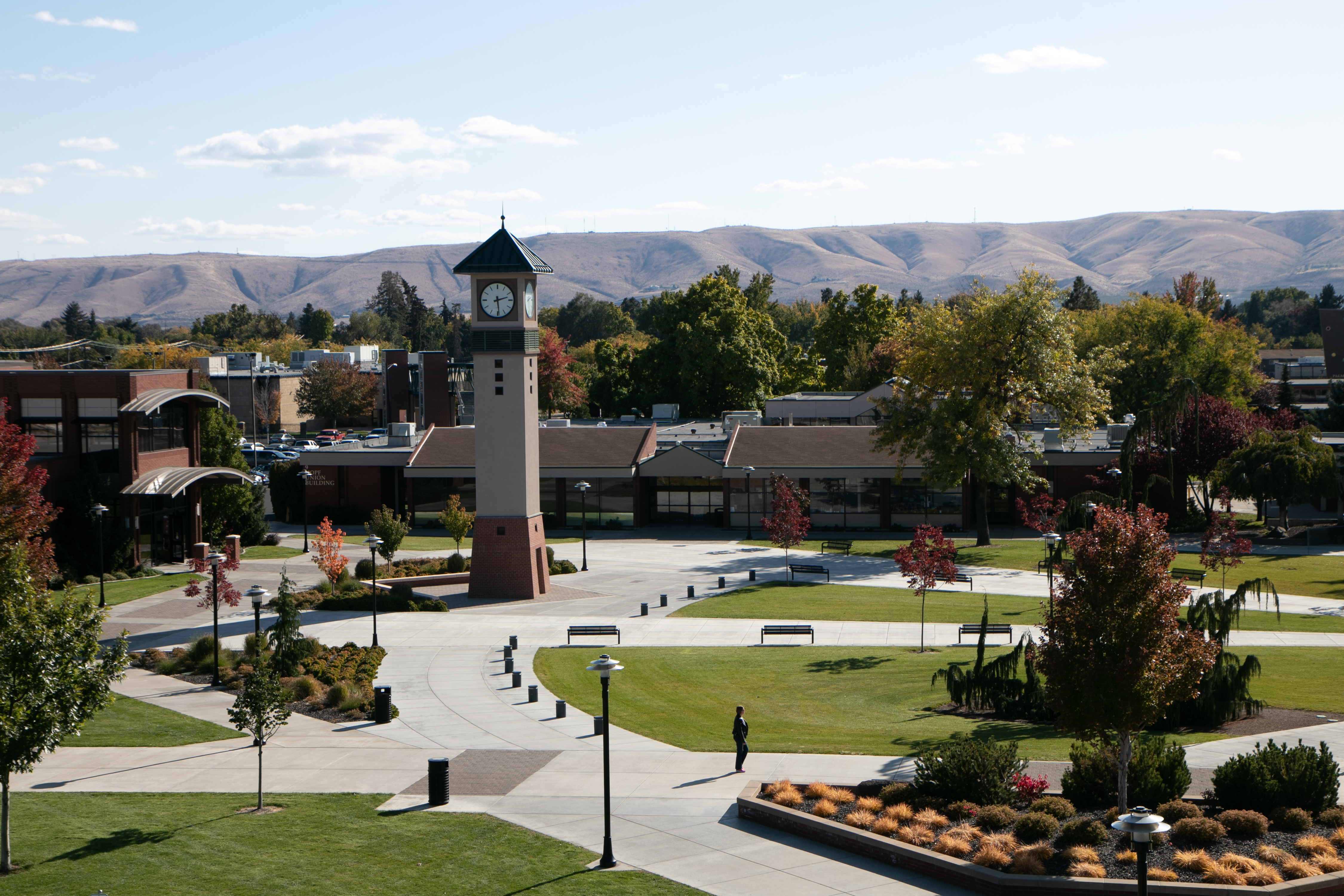
Yakima Valley College is the quintessential community college of Washington's fertile Yakima Valley, an institution built on open access and practical pathways rather than prestige. It serves as a critical educational and economic engine for the region, offering a sprawling menu of over 50 career-focused degrees and certificates alongside transfer-ready academics. The vibe is unpretentious and supportive, where student life revolves around clubs, athletics, and a surprisingly robust cultural calendar, all anchored by a mission to make higher education financially and logistically attainable.
More details
- Undergrad enrollment
- 2,770
- In-state tuition
- $5,312
- Out-of-state tuition
- $5,873
- Graduation Rate
- 29%
- Notable Programs
- Liberal Arts, Registered Nursing, Bachelor of Applied Science
- Student Life Features
- 6 sports teams, teaching vineyard, student clubs
- Financial Aid Emphasis
- Grants, scholarships, tuition waivers, net price calculator
- Median Earnings (10yr)
- $43,499
Outcomes & value
Outcomes & value
- Median earnings (10 yr)
- $43,499
- Value (earnings ÷ net price)
- 3.7×
- Median debt at graduation
- $13,966
- Graduation rate
- 29%
- Reducing loan balance (3 yr)
- 40%
- Pell (lower-income) share
- 38%
- First-gen share (among federal-aid recipients)
- 56%
Earnings = median of students working ~10 years after entry; debt = median of graduates. Value divides 10-yr earnings by one year’s net price — read it as earnings per dollar of annual cost, not a full lifetime ROI; it favors lower-cost schools. Source: U.S. Dept. of Education College Scorecard. Figures lag ~2 years and reflect all students, not your intended major.
Top-earning majors
Median earnings by field of study (highest credential), ~2 years after completion.
- Business Administration, Management and Operations$42,682
Source: U.S. Dept. of Education College Scorecard (field-of-study earnings). Figures cover graduates who received federal aid and lag ~2 years; not all programs report data.
Compare on earnings: best colleges for Business
Campus & location
Campus safety
- On-campus violent crimes (2024)
- 0
On-campus criminal offenses classed as violent (murder/non-negligent manslaughter, rape, robbery, aggravated assault) for the most recent reported year. Source: U.S. Dept. of Education Campus Safety and Security (Clery Act). Counts reflect what’s reported to the school, and urban campuses often report more partly due to non-student incidents nearby — read alongside campus size and setting, not as a standalone safety verdict.
Climate
- Pleasant days / yr
- 94
- Summer high
- 89°F
- Winter low
- 27°F
- Annual rain
- 13.3"
- Annual snow
- 23.8"
- Natural-hazard risk
- Relatively Moderate
Pleasant days counts days per year with a mean temperature of 55–75°F, a high at or below 90°F, a low at or above 45°F, and little precipitation — a transparent comfort measure, not a weighting we invented. Computed from Open-Meteo ERA5 daily history (2019–2023). Natural-hazard risk is the county’s composite rating from the FEMA National Risk Index.
Quick answers
- How much does Yakima Valley College cost?
- At Yakima Valley College, the average net price (after aid) is about $11,843 per year. Actual cost varies with financial aid and residency.
- How many undergraduates attend Yakima Valley College?
- Yakima Valley College enrolls approximately 2,770 undergraduate students.
- Where is Yakima Valley College located?
- Yakima Valley College is located in Yakima, WA.
Admissions
Yakima Valley College operates on a fundamentally open-access model, a defining characteristic that sets it apart from selective four-year institutions. Multiple sources confirm an of 100%, meaning the college admits all applicants who meet basic requirements. This open-door policy is central to its mission of serving the Yakima Valley community. The admissions process is not about competition but about placement and readiness; the college notes that for certain selective programs, students need strong academic skills in areas like reading, writing, math, and computer technology. While the is a standard tool for reporting admissions statistics at many colleges, its specific application to YVC's open-admissions context is not detailed in the provided sources. The process appears geared toward connecting students with the appropriate starting point, whether in college-level courses or basic skills development, rather than filtering them out.
Academics
Compare Yakima Valley College
vs Fort Lewis Collegevs University of Hawaii at Hilovs University of West Alabamavs Southeastern Oklahoma State University
See colleges similar to Yakima Valley College →Sources
- Common Data Set | Office of Institutional Research - Yale OIR
- Common Data Set: Home
- Common Data Set
- Where to find Common Data Set (CDS) for college admission statistics
- Yakima Valley College - DFR Report HTML - Department of Education
- Common Data Set
- Yakima Valley College
- Yakima Valley College Entering Class Stats & Admissions Data
- Yakima Valley College - Tuition and Acceptance Rate
- Yakima Valley College - Profile, Rankings and Data
- Yakima Valley College Rankings Statistics