Admit rate has ranged 50%–77% over the last 5 years — notably volatile, though the latest figure above (30%) falls outside that window. Source: IPEDS via Urban Institute.
Acceptance & SAT from Common Data Set / IPEDS; net price, earnings & graduation from the U.S. Dept. of Education College Scorecard. Figures lag ~1–2 years — verify with the school.
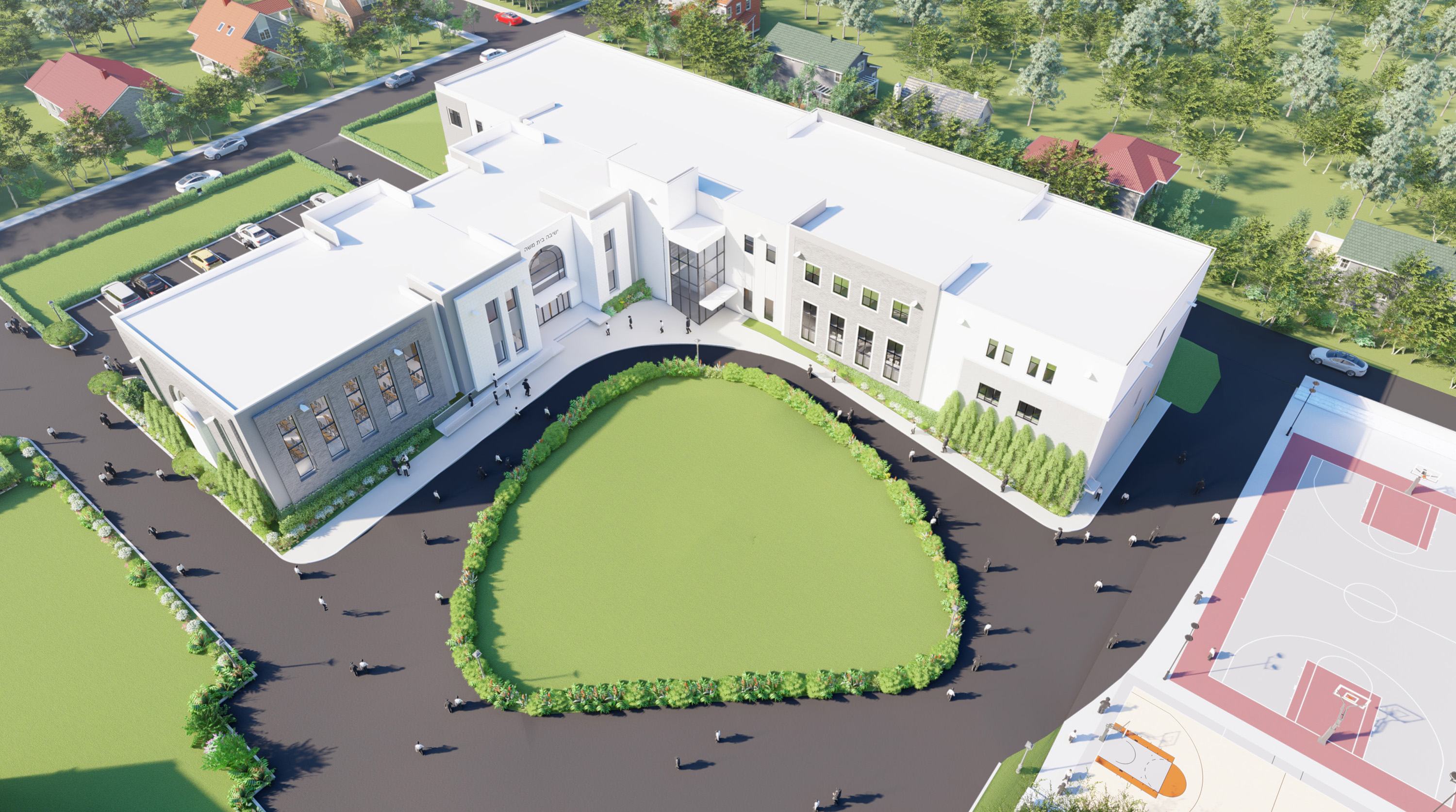
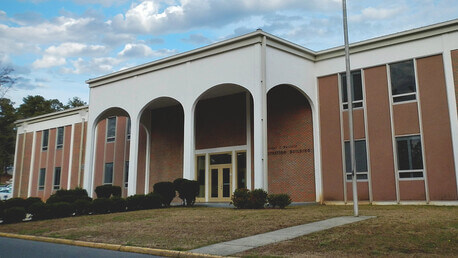
Yeshivath Zichron Moshe is a singular institution in the American higher education landscape: a small, intensely focused yeshiva in South Fallsburg, New York, dedicated exclusively to Talmudic and Rabbinical Studies. With a student body of just over 200, it offers a cloistered, immersive environment where the rhythm of life is dictated by deep textual study and religious observance. Its character is defined not by a broad curriculum but by a profound depth in a single, ancient discipline.
Admission requirements
Test-blind — scores not considered
Required
Letters of recommendation
College-prep program
Considered (not required)
High school transcript
Grade point average
Demonstrated competencies
Source: IPEDS Admissions survey (2022) via Urban Institute. Covers formal factors only — it does not reflect essays, extracurriculars, or other holistic criteria.
More details
Undergrad enrollment
201
In-state tuition
$10,880
Out-of-state tuition
$10,880
Location
South Fallsburg, NY
Student Body
96% Full-time
Graduation Rate
70%
Single Major Offered
Talmudic and Rabbinical Studies
Highest Degree Offered
Bachelor's
Outcomes & value
Outcomes & value
Graduation rate
70%
First-year retention
100%
Pell (lower-income) share
52%
Earnings = median of students working ~10 years after entry; debt = median of graduates. Value divides 10-yr earnings by one year’s net price — read it as earnings per dollar of annual cost, not a full lifetime ROI; it favors lower-cost schools. Source: U.S. Dept. of Education College Scorecard. Figures lag ~2 years and reflect all students, not your intended major.
Financial health
3.0 / 3.0Meets the federal financial-responsibility standard
U.S. Dept. of Education Financial Responsibility Composite Score (FY2022-23). Scale −1.0 to 3.0; ≥1.5 meets the standard. Reported for private nonprofit & for-profit institutions only — public universities are state-backed and not scored, so this is a stability signal, not a ranking.
Campus & location
Campus safety
On-campus violent crimes (2024)
0
Per 1,000 students
0.00
On-campus criminal offenses classed as violent (murder/non-negligent manslaughter, rape, robbery, aggravated assault) for the most recent reported year. Source: U.S. Dept. of Education Campus Safety and Security (Clery Act). Counts reflect what’s reported to the school, and urban campuses often report more partly due to non-student incidents nearby — read alongside campus size and setting, not as a standalone safety verdict.
Climate
Pleasant days / yr
99
Summer high
78°F
Winter low
22°F
Annual rain
50.4"
Annual snow
43.8"
Natural-hazard risk
Relatively Low
Pleasant days counts days per year with a mean temperature of 55–75°F, a high at or below 90°F, a low at or above 45°F, and little precipitation — a transparent comfort measure, not a weighting we invented. Computed from Open-Meteo ERA5 daily history (2019–2023). Natural-hazard risk is the county’s composite rating from the FEMA National Risk Index.
Quick answers
What is the acceptance rate at Yeshivath Zichron Moshe?
Yeshivath Zichron Moshe's acceptance rate is approximately 30% (South Fallsburg, NY), based on the most recent figures we compiled from public and primary sources.
How much does Yeshivath Zichron Moshe cost?
At Yeshivath Zichron Moshe, the average net price (after aid) is about $8,894 per year. Actual cost varies with financial aid and residency.
How many undergraduates attend Yeshivath Zichron Moshe?
Yeshivath Zichron Moshe enrolls approximately 201 undergraduate students.
Where is Yeshivath Zichron Moshe located?
Yeshivath Zichron Moshe is located in South Fallsburg, NY.
Admissions
Admissions at Yeshivath Zichron Moshe is a highly selective process focused on a specific kind of applicant. The institution reports an of 30%, meaning it turns away a significant majority of those who apply. In a recent cycle, it received 20 applications, admitted 6, and ultimately enrolled 201 students, indicating an exceptionally high from those who are accepted—a clear sign of its niche appeal and the decisive commitment of its applicant pool.
Notably, the admissions process is test-blind: the school does not require SAT or ACT scores and does not recommend that students provide them. This places the emphasis squarely on other qualifications, presumably including a candidate's prior Jewish education, religious commitment, and preparedness for rigorous Talmudic study. While some external sources cite varying acceptance rates (including 52% and 52.2%), the canonical and most frequently cited figure from official profiles is 30%.
The academic program at Yeshivath Zichron Moshe is the definition of specialization. It offers exactly one major: Talmudic and Rabbinical Studies. There are no electives in political science, no minors in business, no introductory courses in computer science. The entire curriculum is a deep, sustained dive into the Talmud and the vast corpus of traditional Jewish law and commentary. According to available data, the school typically graduates about 5 students with degrees in this singular field each year.
The institution is small, with a total enrollment of 222 students, 176 of whom are undergraduates. It is a bachelor's-degree-granting institution. The faculty-to-student ratio is intimate by necessity, fostering a traditional yeshiva model of paired study (chavrusa) and direct mentorship from rabbinic scholars. The intellectual culture is one of total immersion, where academic pursuit is inseparable from religious practice and identity.
Life at Yeshivath Zichron Moshe is a comprehensive experience centered on its religious and academic mission. Described in one source as "rich and vibrant," campus life provides "everything most students need," which, in this context, means an environment fully supportive of Orthodox Jewish observance and study. The student body is almost entirely full-time (96%), living a shared daily schedule of prayers, meals, and long hours in the study hall (beit midrash).
Located in South Fallsburg, New York—a town in the Catskill Mountains with a significant Orthodox Jewish community—the campus is part of a broader cultural and religious ecosystem. There is no mention of traditional collegiate athletics or a wide array of secular clubs; the primary extracurricular activity is the study itself. The social scene is built around this shared purpose, creating a tight-knit, insular community where students are united by a common intellectual and spiritual journey.
Outcomes for graduates are measured less by conventional career placement metrics and more by progression within rabbinic and scholarly paths. The six-year graduation rate is reported at 70%, a figure that suggests a strong level of commitment and support for students who enroll. One external source estimates the rate at roughly 68%, which aligns closely with the canonical figure.
Other data points hint at the institution's stability and focus: a first-year retention rate of 100% was reported in one source, indicating that students who start are overwhelmingly satisfied and continue their studies. There is no available data on median earnings or typical career fields, as the value of the degree is primarily oriented toward religious leadership, teaching, and continued advanced study (kollel) rather than the secular workforce.
Yeshivath Zichron Moshe maintains a relatively low compared to many private institutions. The average annual net price after financial aid is $8,894. The stated tuition and fees (the "sticker price") is $19,442, meaning significant grant aid bridges the gap for most students.
Financial aid packages typically include institutional grants, with the average student receiving $10,778 in grant aid. Federal aid programs, including Pell Grants and Federal Supplemental Educational Opportunity Grants (SEOG), are available, as are federal loan programs like Subsidized Stafford Loans. The school is also eligible for international student loan programs. This aid structure makes the deeply specialized education accessible to its target demographic of committed students.
Yeshivath Zichron Moshe stands out for its radical, unwavering focus. In a higher education market obsessed with versatility, interdisciplinary study, and career preparation, this yeshiva offers the opposite: a profound, singular depth in Talmudic and Rabbinical Studies. It is not a liberal arts college with a strong Judaic studies department; it is a yeshiva that also grants a bachelor's degree. Its identity is its entire reason for being.
This creates an environment of unparalleled intensity and community for its students. The high rate, the 100% retention figure, and the immersive campus life all point to an institution that successfully fulfills a very specific mission for a self-selecting group. It serves a vital role in preserving and advancing a particular stream of Jewish scholarship and religious leadership, making it an indispensable pillar within its own community, even as it remains largely unknown outside of it. Its value proposition is clarity itself: if you seek total immersion in Talmudic scholarship within an Orthodox framework, there are few places in America more dedicated to that goal.