Loading…
← All schools
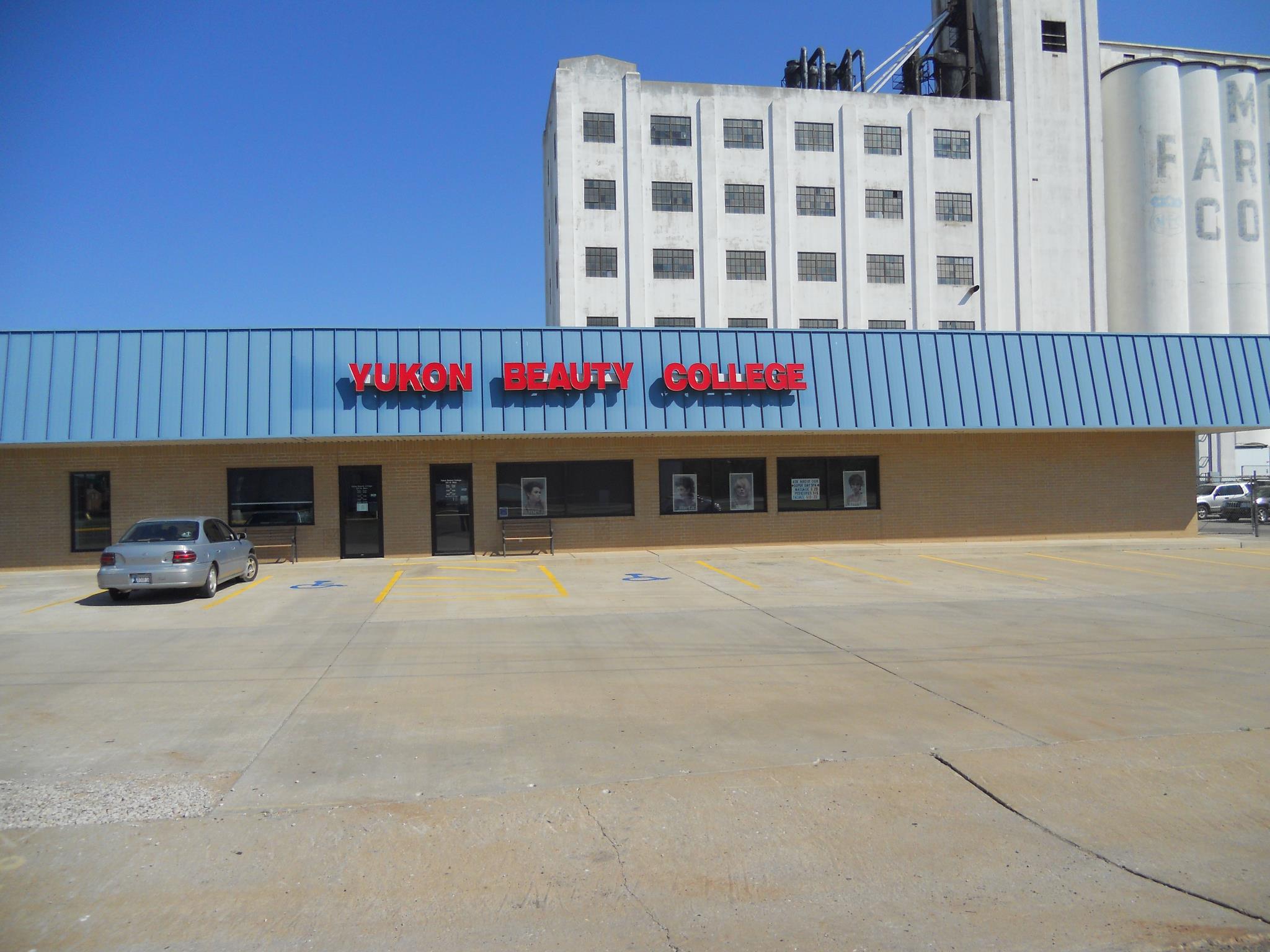
Yukon Beauty College Inc
Yukon, OKprivate forprofitwww.yukonbeautycollege.com/
Avg net price
$9,338
Earnings (10 yr)
$19,950
Acceptance & SAT from Common Data Set / IPEDS; net price, earnings & graduation from the U.S. Dept. of Education College Scorecard. Figures lag ~1–2 years — verify with the school.
Yukon Beauty College is a hyper-focused, for-profit trade school on Oklahoma's Route 66 that operates with the efficiency of a salon and the intensity of a bootcamp. It's a world away from the liberal arts quad, offering a single, practical path: a state-of-the-art cosmetology education designed to get students licensed and working in under a year. With an open-door admissions policy and a curriculum built around the Pivot Point method, it serves a small, almost exclusively full-time student body looking for a direct, debt-conscious route into the beauty industry.
More details
- Undergrad enrollment
- 9
- Program Focus
- Cosmetology & Barbering
- Program Length
- 10-month course promoted
- Graduation Rate
- 88%
- Median Earnings (10yr)
- $19,950
- Financial Aid Recipients
- 85% of first-time students
Outcomes & value
Outcomes & value
- Median earnings (10 yr)
- $19,950
- Value (earnings ÷ net price)
- 2.1×
- Pell (lower-income) share
- 64%
Earnings = median of students working ~10 years after entry; debt = median of graduates. Value divides 10-yr earnings by one year’s net price — read it as earnings per dollar of annual cost, not a full lifetime ROI; it favors lower-cost schools. Source: U.S. Dept. of Education College Scorecard. Figures lag ~2 years and reflect all students, not your intended major.
Campus & location
Campus safety
- On-campus violent crimes (2024)
- 0
On-campus criminal offenses classed as violent (murder/non-negligent manslaughter, rape, robbery, aggravated assault) for the most recent reported year. Source: U.S. Dept. of Education Campus Safety and Security (Clery Act). Counts reflect what’s reported to the school, and urban campuses often report more partly due to non-student incidents nearby — read alongside campus size and setting, not as a standalone safety verdict.
Climate
- Pleasant days / yr
- 84
- Summer high
- 92°F
- Winter low
- 33°F
- Annual rain
- 27.6"
- Annual snow
- 8"
- Natural-hazard risk
- Relatively Moderate
Pleasant days counts days per year with a mean temperature of 55–75°F, a high at or below 90°F, a low at or above 45°F, and little precipitation — a transparent comfort measure, not a weighting we invented. Computed from Open-Meteo ERA5 daily history (2019–2023). Natural-hazard risk is the county’s composite rating from the FEMA National Risk Index.
Quick answers
- How much does Yukon Beauty College Inc cost?
- At Yukon Beauty College Inc, the average net price (after aid) is about $9,338 per year. Actual cost varies with financial aid and residency.
- How many undergraduates attend Yukon Beauty College Inc?
- Yukon Beauty College Inc enrolls approximately 9 undergraduate students.
- Where is Yukon Beauty College Inc located?
- Yukon Beauty College Inc is located in Yukon, OK.
Admissions
This is not a selective institution in the traditional collegiate sense; it's an open-admission trade school. The College Scorecard lists its at 100%, and other sources characterize its policy as 'open admission.' There is no mention of SAT or ACT requirements—the admission test score policy is listed as 'unknown.' The student body is tiny, with data indicating just 18 full-time undergraduate students. The process is straightforward: if you meet the basic requirements and are seeking cosmetology training, you're in. This reflects the school's mission as a career-focused center rather than an academically selective college.
- Policy: Open Admission (Acceptance Rate: 100%)
- Testing: SAT/ACT policy is unknown and not a stated factor.
- Enrollment: Very small, with 18 full-time undergraduate students.
Academics
Academic life here is synonymous with hands-on cosmetology training. The college offers an intensely focused curriculum, with sources listing majors only in cosmetology, barber/styling, and nail instruction. It is a 'Pivot Point School,' meaning its pedagogy is built around the Pivot Point LAB (Learn About Beauty) and Salon Ability® systems, which emphasize foundational theory and practical salon skills. The program is designed to be completed quickly; the college promotes a '10 month course.' Operating hours (10:00 am to 4:30 pm, Monday through Wednesday) suggest a structured, clinic-like schedule rather than a traditional class timetable. This is a total-immersion experience where every lesson is geared toward passing state board exams and performing client services.
Compare Yukon Beauty College Inc
vs Inter American University of Puerto Rico-Fajardovs Florida Polytechnic Universityvs EDP University of Puerto Rico Inc-San Juanvs Livingstone College
See colleges similar to Yukon Beauty College Inc →Sources
- common-data-set-2024-2025.pdf
- Decoding the Common Data Set What You Need to Know for Your College ...
- Common Data Set: Home
- Yukon Beauty College Inc
- How To Use a Common Data Set
- Common Data Set - Analytics & Institutional Effectiveness
- Yukon Beauty College
- Yukon Beauty College
- Yukon Beauty College Inc
- First Class Cosmetology School Admissions: SAT, ACT & GPA ...
- Yukon Beauty College Inc Tuition & Outcomes (2026) … - EDsmart Data