Admit rate has ranged 65%–92% over the last 5 years — notably volatile, though the latest figure above (42%) falls outside that window. Source: IPEDS via Urban Institute.
Acceptance & SAT from Common Data Set / IPEDS; net price, earnings & graduation from the U.S. Dept. of Education College Scorecard. Figures lag ~1–2 years — verify with the school.
The Academy of Interactive Entertainment (AIE) is a niche, industry-focused school where aspiring game developers, animators, and VFX artists trade traditional academics for hands-on training in digital arts. With a 42% acceptance rate, it attracts students who want to bypass liberal arts requirements and dive straight into pipelines used by studios—though its average net price of $34,626 underscores a significant investment for this specialized career path.
Admission requirements
Test-blind — scores not considered
Required
High school transcript
Demonstrated competencies
TOEFL (non-native English)
Source: IPEDS Admissions survey (2022) via Urban Institute. Covers formal factors only — it does not reflect essays, extracurriculars, or other holistic criteria.
More details
Undergrad enrollment
47
In-state tuition
$25,800
Out-of-state tuition
$25,800
Graduation Rate
100% (on-time, per College Factual)
Student-to-Faculty Ratio
20:1
Average Financial Aid Award
$5,739
Median Earnings 5 Years Out
$36,662
Outcomes & value
Outcomes & value
Median debt at graduation
$12,000
Pell (lower-income) share
30%
Earnings = median of students working ~10 years after entry; debt = median of graduates. Value divides 10-yr earnings by one year’s net price — read it as earnings per dollar of annual cost, not a full lifetime ROI; it favors lower-cost schools. Source: U.S. Dept. of Education College Scorecard. Figures lag ~2 years and reflect all students, not your intended major.
Financial health
2.2 / 3.0Meets the federal financial-responsibility standard
U.S. Dept. of Education Financial Responsibility Composite Score (FY2022-23). Scale −1.0 to 3.0; ≥1.5 meets the standard. Reported for private nonprofit & for-profit institutions only — public universities are state-backed and not scored, so this is a stability signal, not a ranking.
Campus & location
Campus safety
On-campus violent crimes (2024)
0
On-campus criminal offenses classed as violent (murder/non-negligent manslaughter, rape, robbery, aggravated assault) for the most recent reported year. Source: U.S. Dept. of Education Campus Safety and Security (Clery Act). Counts reflect what’s reported to the school, and urban campuses often report more partly due to non-student incidents nearby — read alongside campus size and setting, not as a standalone safety verdict.
Climate
Pleasant days / yr
125
Summer high
74°F
Winter low
37°F
Annual rain
44.5"
Annual snow
14.4"
Natural-hazard risk
Very High
Pleasant days counts days per year with a mean temperature of 55–75°F, a high at or below 90°F, a low at or above 45°F, and little precipitation — a transparent comfort measure, not a weighting we invented. Computed from Open-Meteo ERA5 daily history (2019–2023). Natural-hazard risk is the county’s composite rating from the FEMA National Risk Index.
Quick answers
What is the acceptance rate at Academy of Interactive Entertainment?
Academy of Interactive Entertainment's acceptance rate is approximately 42% (Seattle, WA), based on the most recent figures we compiled from public and primary sources.
How much does Academy of Interactive Entertainment cost?
At Academy of Interactive Entertainment, the average net price (after aid) is about $34,626 per year. Actual cost varies with financial aid and residency.
How many undergraduates attend Academy of Interactive Entertainment?
Academy of Interactive Entertainment enrolls approximately 47 undergraduate students.
Where is Academy of Interactive Entertainment located?
Academy of Interactive Entertainment is located in Seattle, WA.
Admissions
AIE's admissions process is less selective than traditional universities, with reported ranging widely from 41.6% (Data USA) to 80% (Testbook), though College Board's BigFuture pegs it at 65%. The school doesn't publicly share GPA or test score benchmarks, focusing instead on portfolios and career intent. Notably, 96% of first-year students receive financial aid, suggesting accessibility for those with financial need but also high costs that require assistance.
This is a no-frills trade school for digital creatives, offering intensive programs in game development, 3D animation, and visual effects. Courses are taught by industry veterans, with a curriculum that prioritizes software proficiency (Unreal Engine, Maya, Houdini) over theory. Reddit threads and alumni note strong industry connections, particularly in Australia where AIE originated, though some criticize the pace as either "" or "" for beginners. The school touts a for bachelor's students (per College Factual), but this likely reflects the cohort's small size and focused tracks.
Campus culture revolves around collaborative studio work—Facebook videos show students clustered around workstations debugging games or rendering animations. The Seattle location provides access to indie dev scenes but lacks traditional college amenities; there’s no mention of dorms, sports, or Greek life. Some students praise the mentorship ("seeing students grow their skills and confidence," per Instagram), while Reddit dissenters call it a "diploma mill" with inconsistent teaching quality. A unique perk: options to study at AIE’s Australian campuses, though logistics aren’t detailed.
The data is sparse but sobering: graduates report median earnings of $36,662 five years post-graduation (Niche), notably below the $45,519 national average for similar programs. AIE emphasizes portfolio-building over degrees, which may explain why some alumni land roles at mid-tier studios while others struggle in gig economies. The school doesn’t publish formal job placement rates, though its marketing stresses "world-class" training for industry jobs—a claim bolstered by industry partnerships but undercut by Reddit anecdotes of graduates taking unrelated work.
Tuition sits at $34,626 annually (College Scorecard), with a of $43,141 after aid. Nearly all students (96%) receive some financial assistance, averaging $5,739 per year (Niche), though this includes loans. Merit scholarships exist but are modest—the average aid award is $4,715, covering just 11% of costs. For context, this is more expensive than community colleges but cheaper than art schools like SCAD, though with less proven ROI.
AIE is a polarizing gamble: a hyper-specialized alternative to university for students who know exactly which software tools they want to master. Its Australian roots lend global industry ties (evident in cross-campus collaborations), and the 100% graduation rate suggests structured support. But with mixed alumni outcomes and high costs relative to earnings, it’s best suited for self-motivated learners who treat it as a career accelerator—not a traditional college experience.
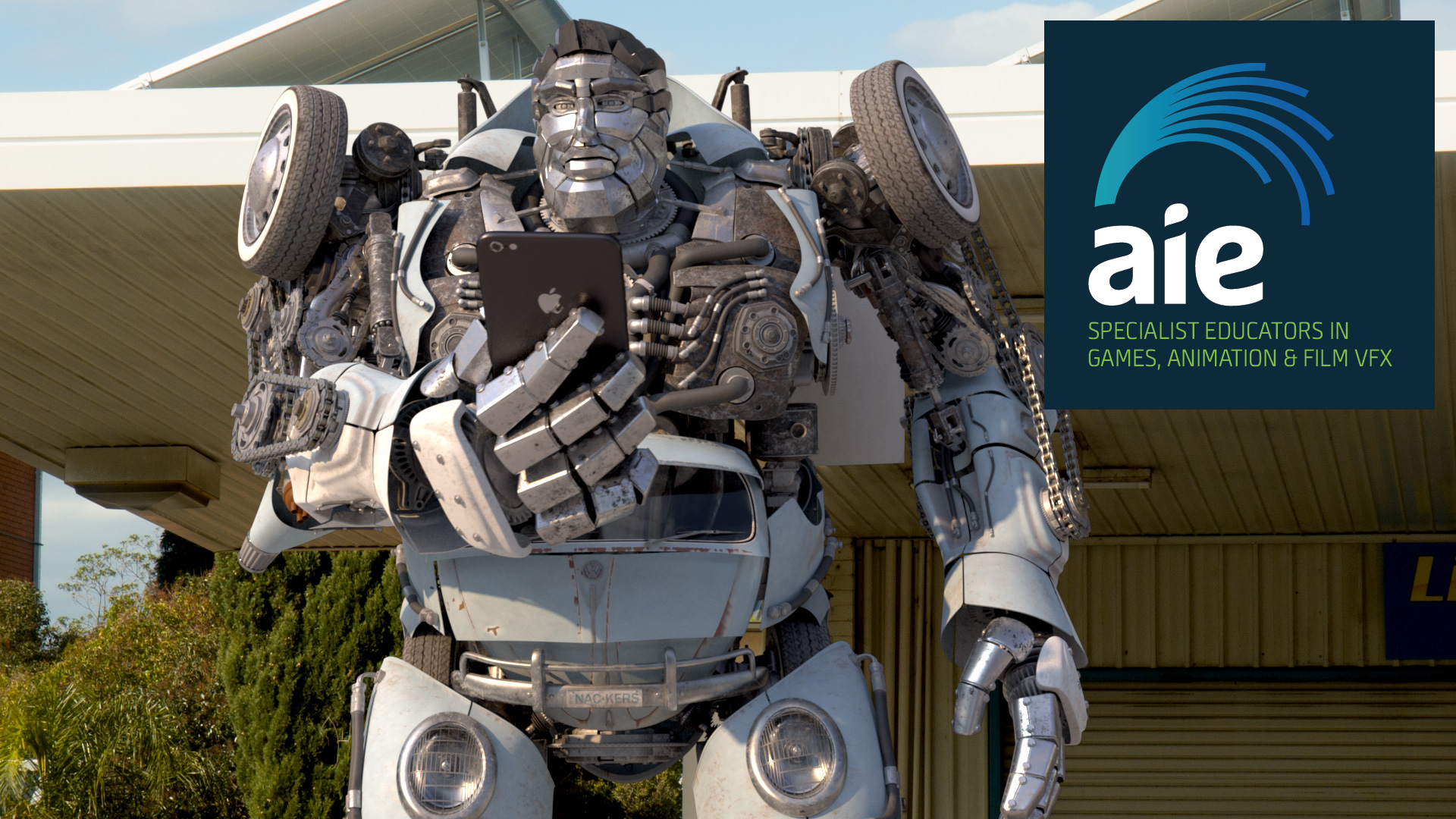
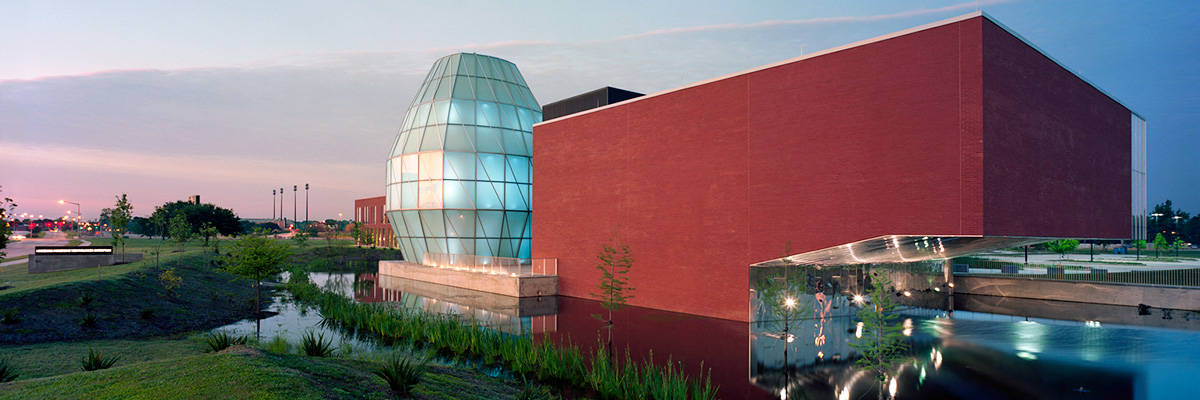
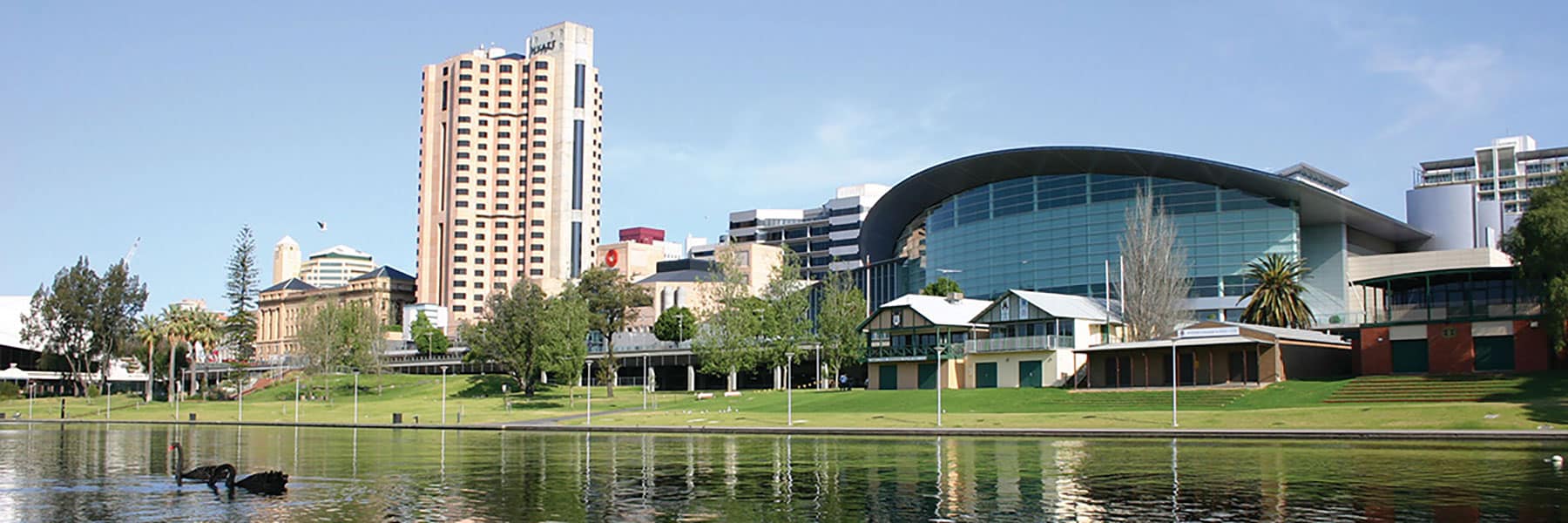
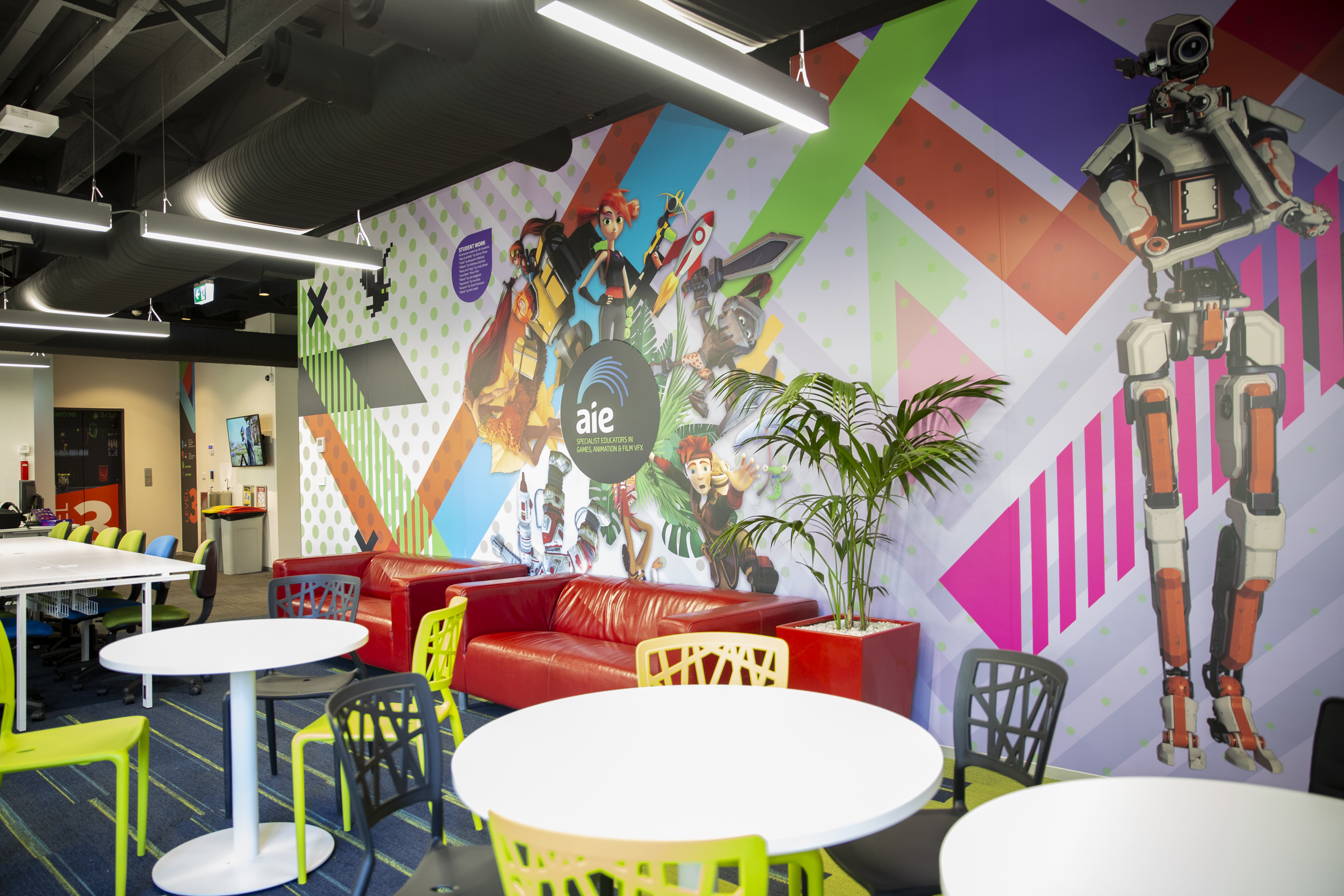
Academy of Interactive Entertainment logo · sourceCampuses | Academy of Interactive Entertainment (AIE) · sourceCampuses | Academy of Interactive Entertainment (AIE) · sourceAcademy of Interactive Entertainment - Wikipedia · source