Loading…
← All schools
Boston Architectural College
Boston, MAprivate nonprofitwww.the-bac.edu/
Avg net price
$25,865
Earnings (10 yr)
$62,123
Graduation rate
32%
Acceptance & SAT from Common Data Set / IPEDS; net price, earnings & graduation from the U.S. Dept. of Education College Scorecard. Figures lag ~1–2 years — verify with the school.
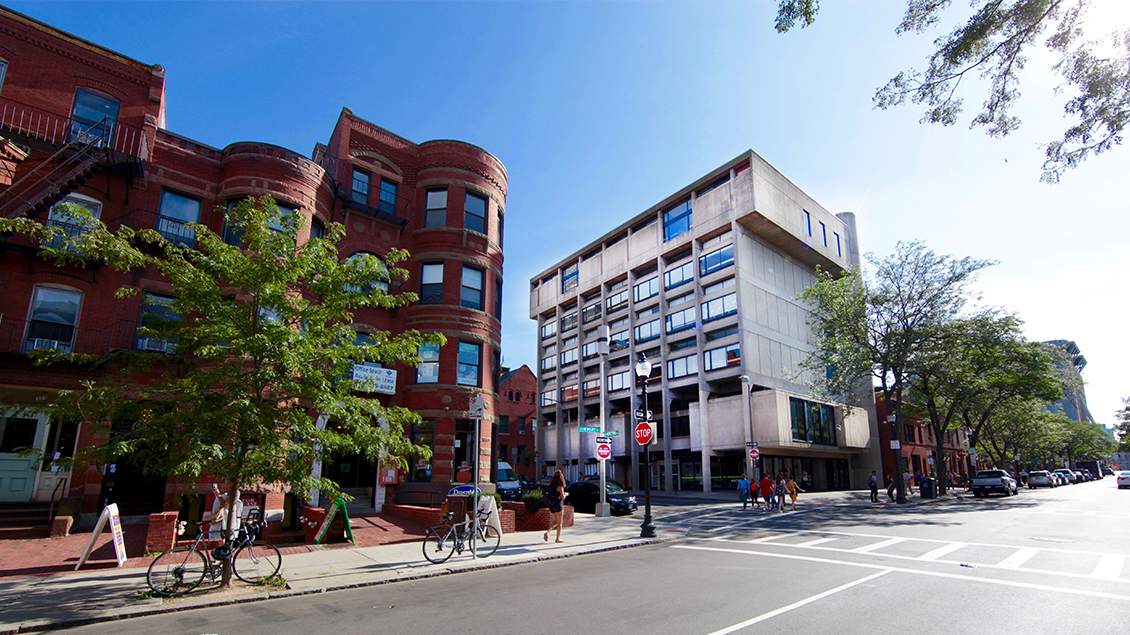
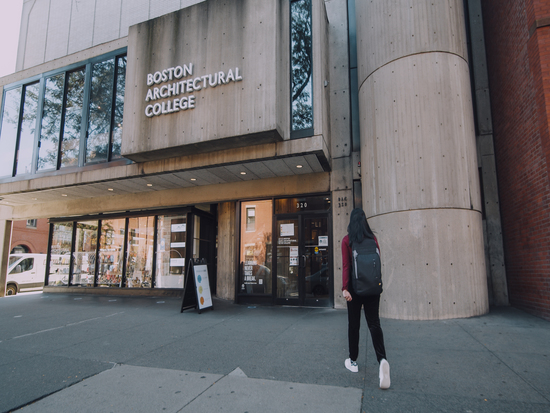
The Boston Architectural College is a fiercely pragmatic, practice-first institution that treats Boston as its campus and the architecture firm as its classroom. It’s not for the faint of heart—this is a school for working adults and career-changers who learn by doing, often juggling 40-hour workweeks with studio critiques. The payoff is tangible: its Bachelor of Architecture graduates report some of the highest median earnings in the nation five years out, a testament to its singular, immersive model.
More details
- Undergrad enrollment
- 280
- In-state tuition
- $27,470
- Out-of-state tuition
- $27,470
- No-Loan Policy
- No
- Graduation Rate
- 32%
- Meets Full Need
- No (sources indicate aid packages include loans)
- Application Policy
- Rolling Admissions
- Standardized Tests
- SAT/ACT Optional
- Demonstrated Interest
- Not Considered (per Common Data Set C7 standard)
- Student-Faculty Ratio
- 3:1
- Median Earnings (10yr)
- $62,123
- First-Year Retention Rate
Outcomes & value
Outcomes & value
- Median earnings (10 yr)
- $62,123
- Value (earnings ÷ net price)
- 2.4×
- Median debt at graduation
- $37,250
- Graduation rate
- 32%
- First-year retention
- 75%
- Reducing loan balance (3 yr)
- 47%
- Pell (lower-income) share
- 29%
- Endowment / student
- $13,651
Earnings = median of students working ~10 years after entry; debt = median of graduates. Value divides 10-yr earnings by net price — read it as earnings per dollar of annual cost, not a full lifetime ROI; it favors lower-cost schools. Source: U.S. Dept. of Education College Scorecard. Figures lag ~2 years and reflect all students, not your intended major.
Financial health
2.0 / 3.0Meets the federal financial-responsibility standard
U.S. Dept. of Education Financial Responsibility Composite Score (FY2022-23). Scale −1.0 to 3.0; ≥1.5 meets the standard. Reported for private nonprofit & for-profit institutions only — public universities are state-backed and not scored, so this is a stability signal, not a ranking.
Top-earning majors
Median earnings by field of study (highest credential), ~2 years after completion.
- Architecture$56,931
- Environmental Design$53,358
Source: U.S. Dept. of Education College Scorecard (field-of-study earnings). Figures cover graduates who received federal aid and lag ~2 years; not all programs report data.
Compare on earnings: best colleges for Architecture
Campus & location
Campus safety
- On-campus violent crimes (2024)
- 0
- Per 1,000 students
- 0.00
On-campus criminal offenses classed as violent (murder/non-negligent manslaughter, rape, robbery, aggravated assault) for the most recent reported year. Source: U.S. Dept. of Education Campus Safety and Security (Clery Act). Counts reflect what’s reported to the school, and urban campuses often report more partly due to non-student incidents nearby — read alongside campus size and setting, not as a standalone safety verdict.
Climate
- Pleasant days / yr
- 100
- Summer high
- 80°F
- Winter low
- 26°F
- Annual rain
- 39.6"
- Annual snow
- 31.4"
- Natural-hazard risk
- Relatively Moderate
Pleasant days counts days per year with a mean temperature of 55–75°F, a high at or below 90°F, a low at or above 45°F, and little precipitation — a transparent comfort measure, not a weighting we invented. Computed from Open-Meteo ERA5 daily history (2019–2023). Natural-hazard risk is the county’s composite rating from the FEMA National Risk Index.
Deep dive — research, future-scholar output & economic mobility
Research output
- Institutional h-index
- 13
- Scholarly works
- 110
Institutional research volume and impact from OpenAlex. The h-index reflects large research universities and will be low for teaching-focused liberal-arts colleges — not a measure of undergraduate quality.
Quick answers
- How much does Boston Architectural College cost?
- At Boston Architectural College, the average net price (after aid) is about $25,865 per year. Actual cost varies with financial aid and residency.
- How many undergraduates attend Boston Architectural College?
- Boston Architectural College enrolls approximately 280 undergraduate students.
- Where is Boston Architectural College located?
- Boston Architectural College is located in Boston, MA.
Admissions
The BAC operates on a radically open admissions philosophy, with multiple sources reporting a 100% for its applicants. One source notes that 3,577 applied, 3,577 were accepted, and 320 enrolled, illustrating the school's mission to provide access over exclusivity. Admissions decisions are made on a rolling basis, and the process is designed to be straightforward, with the school stating applicants may apply at any point. Standardized test scores (SAT/ACT) are optional. The student body reflects this accessible approach, with graduate programs showing a diverse mix; the most common demographic in full-time graduate programs is White Female (22.3%), followed by White Male (15.2%) and Hispanic or Latino Female (4.8%). The admissions office emphasizes a direct, uncomplicated process focused on readiness for a demanding, practice-integrated education rather than on constructing a competitive barrier.
Compare Boston Architectural College
See colleges similar to Boston Architectural College →Sources
- 2025-2026 catalog 1
- Boston Architectural College Overview
- Common Data Set & BC Facts
- Boston Architectural College
- Boston Architectural College Statistics
- BAC Acceptance Rate | Study in Boston - AcademicJobs.com
- Boston Architectural College Requirements for Admission
- Boston Architectural College
- Boston architectural college
- Boston Architectural College - Tuition and Acceptance Rate