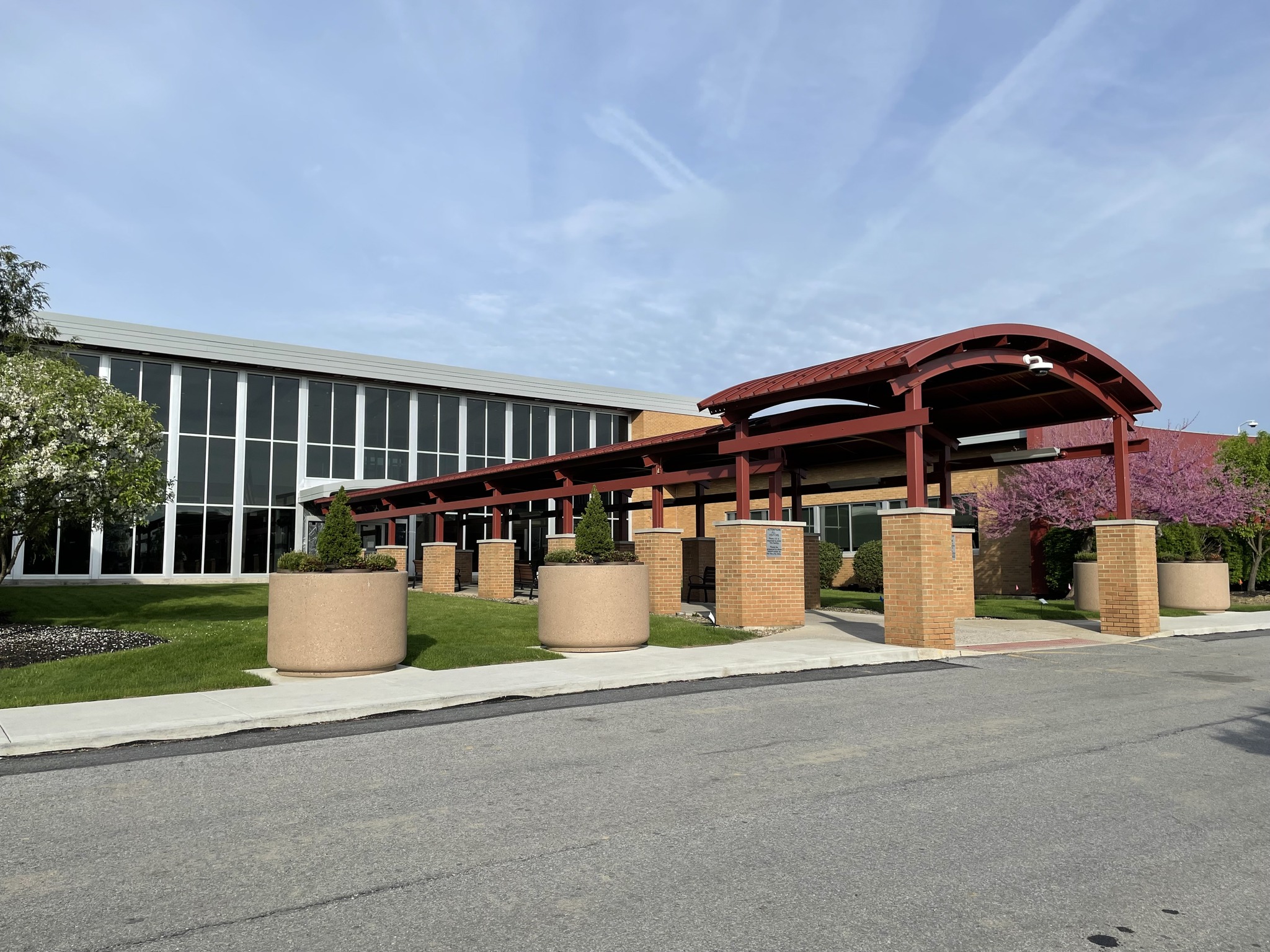
Loading…
← All schools
Commonwealth Technical Institute
Johnstown, PAprivate nonprofitwww.dli.pa.gov/Individuals/Disability-Services/CTI-HGAC/Pages/Home.aspx
Avg net price
$11,714
Earnings (10 yr)
$21,632
Acceptance & SAT from Common Data Set / IPEDS; net price, earnings & graduation from the U.S. Dept. of Education College Scorecard. Figures lag ~1–2 years — verify with the school.
Commonwealth Technical Institute (CTI) at the Hiram G. Andrews Center is not a typical college. It's a singular, state-operated technical institute in Johnstown, Pennsylvania, with an explicit and profound mission: to provide career-focused education and comprehensive support services specifically for individuals with disabilities. With an intimate 6:1 student-to-faculty ratio and a 100% acceptance rate, CTI operates on an open-access model, prioritizing individualized vocational training and independent living skills over selective admissions. Its success is measured not by prestige but by its exceptional 86% graduation rate and its role in placing students on viable, high-demand career paths.
More details
- Undergrad enrollment
- 129
- In-state tuition
- $7,714
- Out-of-state tuition
- $7,714
- Campus Setting
- Suburban
- Graduation Rate
- 86%
- Institution Type
- Public, not-for-profit, 2-year
- Student Body Size
- ~132 undergraduates
- Median Earnings (10yr)
- $21,632
- Student-to-Faculty Ratio
- 6:1
- First-Year Retention Rate
- 74%
- Annual Campus Housing Cost
- $9,028
Outcomes & value
Outcomes & value
- Median earnings (10 yr)
- $21,632
- Value (earnings ÷ net price)
- 1.8×
- Pell (lower-income) share
- 55%
- First-gen share (among federal-aid recipients)
- 41%
Earnings = median of students working ~10 years after entry; debt = median of graduates. Value divides 10-yr earnings by one year’s net price — read it as earnings per dollar of annual cost, not a full lifetime ROI; it favors lower-cost schools. Source: U.S. Dept. of Education College Scorecard. Figures lag ~2 years and reflect all students, not your intended major.
Campus & location
Campus safety
- On-campus violent crimes (2024)
- 0
On-campus criminal offenses classed as violent (murder/non-negligent manslaughter, rape, robbery, aggravated assault) for the most recent reported year. Source: U.S. Dept. of Education Campus Safety and Security (Clery Act). Counts reflect what’s reported to the school, and urban campuses often report more partly due to non-student incidents nearby — read alongside campus size and setting, not as a standalone safety verdict.
Climate
- Pleasant days / yr
- 97
- Summer high
- 79°F
- Winter low
- 24°F
- Annual rain
- 39.8"
- Annual snow
- 37.2"
- Natural-hazard risk
- Relatively Low
Pleasant days counts days per year with a mean temperature of 55–75°F, a high at or below 90°F, a low at or above 45°F, and little precipitation — a transparent comfort measure, not a weighting we invented. Computed from Open-Meteo ERA5 daily history (2019–2023). Natural-hazard risk is the county’s composite rating from the FEMA National Risk Index.
Quick answers
- How much does Commonwealth Technical Institute cost?
- At Commonwealth Technical Institute, the average net price (after aid) is about $11,714 per year. Actual cost varies with financial aid and residency.
- How many undergraduates attend Commonwealth Technical Institute?
- Commonwealth Technical Institute enrolls approximately 129 undergraduate students.
- Where is Commonwealth Technical Institute located?
- Commonwealth Technical Institute is located in Johnstown, PA.
Admissions
Admissions at Commonwealth Technical Institute are defined by accessibility, not selectivity. The institute reports a 100% , reflecting its open-door policy as a vocational rehabilitation center. This is not a school that weighs SAT/ACT scores or high school GPA; sources indicate these metrics are either "Not Available" or "not reported" for accepted students. The process is instead geared toward determining a prospective student's fit for its specialized, support-intensive programs. The institute does not offer an Early Decision plan, and there is no indication that demonstrated interest is a factor in admissions—the focus is squarely on an applicant's vocational goals and need for the unique services CTI provides. The undergraduate student body is small, with approximately 132 students, ensuring a highly personalized intake process.
Compare Commonwealth Technical Institute
vs Grove City Collegevs Hillsdale Collegevs Inter American University of Puerto Rico-Fajardovs United States Coast Guard Academy
See colleges similar to Commonwealth Technical Institute →Sources
- Common Data Set: Home
- Common Data Set - Analytics & Institutional Effectiveness
- Common Data Set Explorer 2026: Compare 100 Colleges
- The Common Data Set: What It Is & How to Use It In College Applications
- Common Data Set 2024-25
- Common Data Set Repository
- Commonwealth Technical Institute Acceptance Rate, SAT ...
- Commonwealth Technical Institute Admissions - BigFuture
- Commonwealth Technical Institute - QuantAdmit
- Commonwealth Technical Institute
- Admission Requirements, SAT, ACT, GPA and ...