Admit rate has ranged 62%–74% over the last 5 years — notably volatile, though the latest figure above (61%) falls outside that window. Source: IPEDS via Urban Institute.
Acceptance & SAT from Common Data Set / IPEDS; net price, earnings & graduation from the U.S. Dept. of Education College Scorecard. Figures lag ~1–2 years — verify with the school.
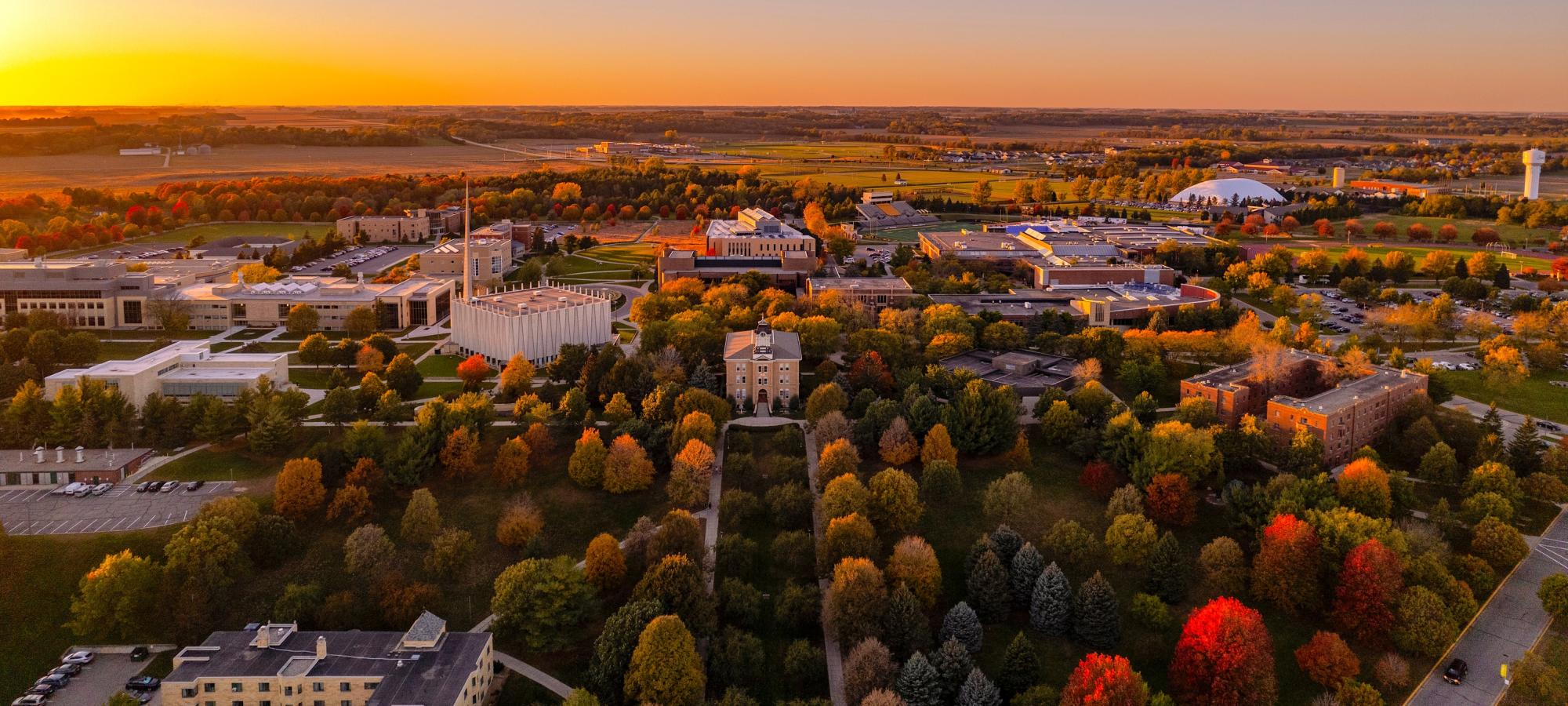
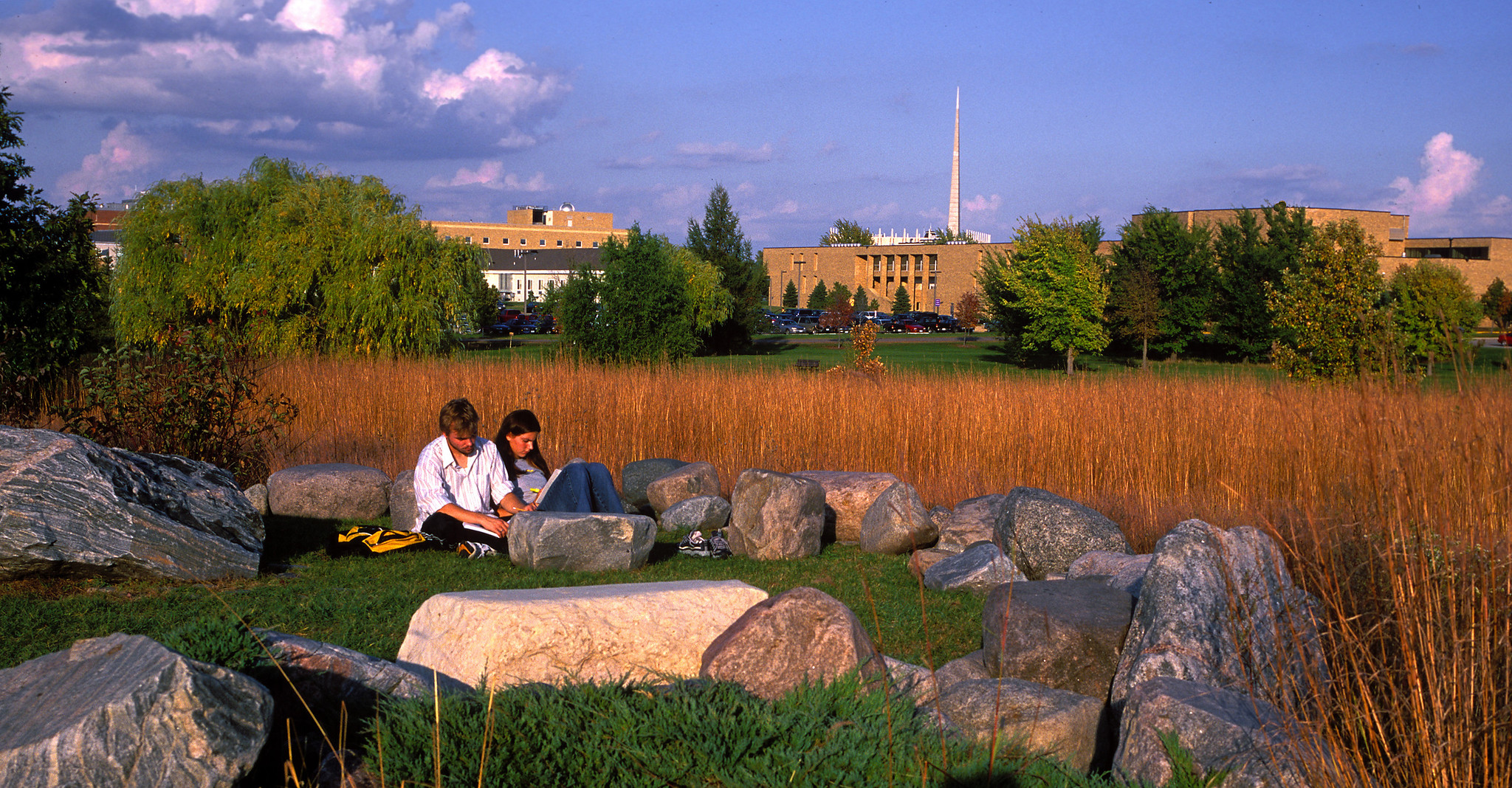
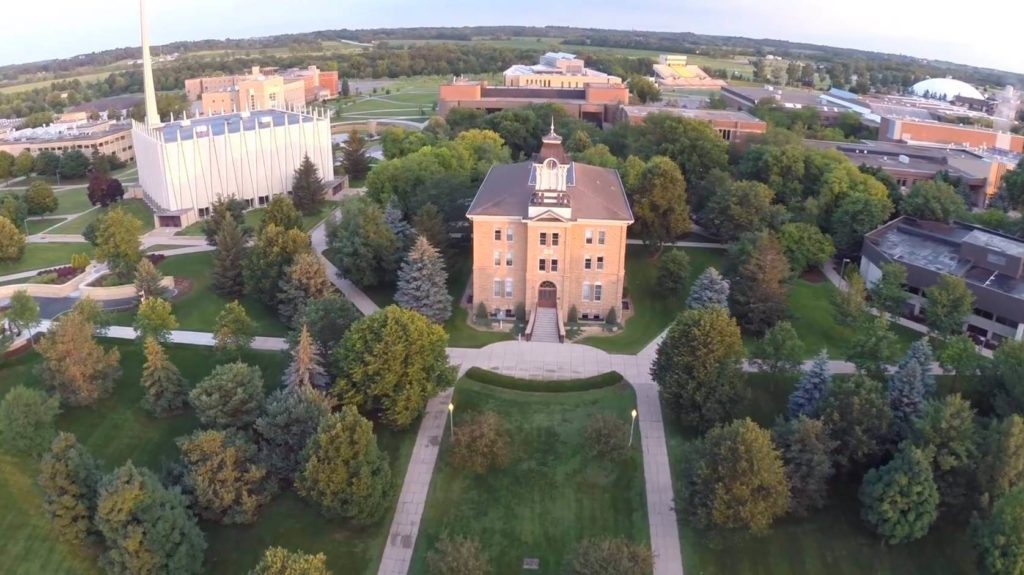
Gustavus Adolphus College is a small, Lutheran-affiliated liberal arts school in rural Minnesota with a fiercely loyal student body and a knack for turning out well-rounded graduates. Known for its strong music and theater programs, tight-knit campus culture, and above-average graduation rates, Gustavus offers a classic liberal arts experience with Midwestern warmth—and a surprising amount of financial aid for those who qualify.
Admission requirements
Test-optional — scores considered if submitted
Required
High school transcript
Grade point average
Class rank
Letters of recommendation
Considered (not required)
Test scores (SAT/ACT)
College-prep program
Demonstrated competencies
TOEFL (non-native English)
Source: IPEDS Admissions survey (2022) via Urban Institute. Covers formal factors only — it does not reflect essays, extracurriculars, or other holistic criteria.
More details
Undergrad enrollment
1,878
In-state tuition
$56,076
Out-of-state tuition
$56,076
Student-Faculty Ratio
11:1
4-Year Graduation Rate
76%
Guaranteed Minimum Aid
$120,000
Music/Theater Participation
25%
Outcomes & value
Outcomes & value
Median earnings (10 yr)
$65,607
Value (earnings ÷ net price)
2.9×
Median debt at graduation
$26,774
Graduation rate
77%
First-year retention
88%
Reducing loan balance (3 yr)
83%
Pell (lower-income) share
21%
First-gen share (among federal-aid recipients)
15%
Financial health
2.6 / 3.0Meets the federal financial-responsibility standard
U.S. Dept. of Education Financial Responsibility Composite Score (FY2022-23). Scale −1.0 to 3.0; ≥1.5 meets the standard. Reported for private nonprofit & for-profit institutions only — public universities are state-backed and not scored, so this is a stability signal, not a ranking.
Top-earning majors
Median earnings by field of study (highest credential), ~2 years after completion.
Computer Science$64,196
Registered Nursing, Nursing Administration, Nursing Research and Clinical Nursing$63,005
Accounting and Related Services$57,995
Mathematics$57,318
Economics$52,107
Business/Commerce, General$48,302
Campus & location
Campus safety
On-campus violent crimes (2024)
1
Per 1,000 students
0.53
On-campus criminal offenses classed as violent (murder/non-negligent manslaughter, rape, robbery, aggravated assault) for the most recent reported year. Source: U.S. Dept. of Education Campus Safety and Security (Clery Act). Counts reflect what’s reported to the school, and urban campuses often report more partly due to non-student incidents nearby — read alongside campus size and setting, not as a standalone safety verdict.
Climate
Pleasant days / yr
91
Summer high
82°F
Winter low
10°F
Annual rain
36.5"
Annual snow
40.3"
Natural-hazard risk
Relatively Low
Pleasant days counts days per year with a mean temperature of 55–75°F, a high at or below 90°F, a low at or above 45°F, and little precipitation — a transparent comfort measure, not a weighting we invented. Computed from Open-Meteo ERA5 daily history (2019–2023). Natural-hazard risk is the county’s composite rating from the FEMA National Risk Index.
Deep dive — research, future-scholar output & economic mobility▾
Research output
Institutional h-index
87
Scholarly works
1,941
Institutional research volume and impact from OpenAlex. The h-index reflects large research universities and will be low for teaching-focused liberal-arts colleges — not a measure of undergraduate quality.
Economic mobility
Mobility rate
0.7%
Bottom → top quintile
31%
From bottom quintile
2%
Mobility rate = the share of students who both start in the bottom household-income quintile and reach the top quintile; bottom → top is that chance conditional on starting at the bottom. Source: Opportunity Insights Mobility Report Cards (Chetty, Friedman, Saez, Turner & Yagan). Reflects 1980–82 birth cohorts, so it’s directional, not current.
Quick answers
What is the acceptance rate at Gustavus Adolphus College?
Gustavus Adolphus College's acceptance rate is approximately 61% (Saint Peter, MN), based on the most recent figures we compiled from public and primary sources.
How much does Gustavus Adolphus College cost?
At Gustavus Adolphus College, the average net price (after aid) is about $22,900 per year. Actual cost varies with financial aid and residency.
How many undergraduates attend Gustavus Adolphus College?
Gustavus Adolphus College enrolls approximately 1,878 undergraduate students.
Where is Gustavus Adolphus College located?
Gustavus Adolphus College is located in Saint Peter, MN.
Admissions
Gustavus Adolphus is moderately selective, with a 61.8% ([7], [9], [10]). The middle 50% of admitted students score between 1050-1280 on the SAT or 24-29 on the ACT ([8], [9]), with an average high school GPA of 3.67 ([11]). Notably, 27% of admits rank in the top 10% of their high school class ([11]). The college accepts the Common App with no application fee ([12]) and offers early decision/early action options ([12]).
With an 11:1 student-faculty ratio ([15], [17]), Gustavus offers 50 majors ([15]) including standout programs in music, theater ([16]), and biology (which features an honors track for students with GPAs above 3.5 [18]). The accounting program prepares students for professional certification ([13]), while the open curriculum encourages interdisciplinary study—about 40% of students double major ([14]). The four-year graduation rate of 78% ([15]) suggests strong academic support.
Earnings = median of students working ~10 years after entry; debt = median of graduates. Value divides 10-yr earnings by one year’s net price — read it as earnings per dollar of annual cost, not a full lifetime ROI; it favors lower-cost schools. Source: U.S. Dept. of Education College Scorecard. Figures lag ~2 years and reflect all students, not your intended major.
Teacher Education and Professional Development, Specific Subject Areas$42,166
Communication and Media Studies$39,369
Source: U.S. Dept. of Education College Scorecard (field-of-study earnings). Figures cover graduates who received federal aid and lag ~2 years; not all programs report data.
Arts dominate campus culture—25% of students participate in music, theater, or dance ([19]), with strong traditions like the annual Christmas in Christ Chapel celebration. Greek life exists but isn't overwhelming (10% of men join fraternities, 14% of women join sororities [23]). The rural Saint Peter location fosters tight-knit bonds, with Instagram reels showing students bonding over snowball fights and late-night study sessions ([22]). Housing is guaranteed all four years ([20]).
Gustavus outperforms national averages with a 76% four-year graduation rate ([25], [26])—jumping to 81% at six years ([29]). Alumni median earnings hit $51,546 six years post-graduation ([28]), rising to $65,607 by the 10-year mark ([29]). The 88% first-year retention rate ([29]) suggests students quickly feel at home. Notably, the college emphasizes four-year completion, with structured advising to keep students on track ([25]).
Though the sticker price is steep ($48,250 tuition plus $520 in fees [2]), 68% of students receive financial aid, bringing the average down to $28,805 ([34], [36]). The college guarantees minimum scholarships of $120,000 over four years ([33]), with some packages exceeding $220,000 ([36]). The Net Price Calculator ([31]) helps families estimate real costs, which often drop significantly for middle-income Minnesotans.
Gustavus delivers a quintessential liberal arts experience with Lutheran roots but broad appeal—think candlelit Christmas concerts, passionate faculty, and a campus where 40% of students double major just because they can't choose one passion. The graduation rate beats similar schools, suggesting students get both challenge and support. For music/theater kids who want strong STEM options too, or anyone seeking a collaborative (not cutthroat) academic culture with real financial aid, it's a hidden gem.
Gustavus Adolphus College logo · sourceVisit | Gustavus Adolphus College · sourceGustavus Adolphus College Renames Campus Arboretum - News · sourceGustavus Adolphus College – College Right · source