Loading…
← All schools
Kenneth Shuler School of Cosmetology-North Augusta
North Augusta, SCprivate forprofitwww.kennethshuler.com/
Avg net price
$18,677
Earnings (10 yr)
$25,542
Acceptance & SAT from Common Data Set / IPEDS; net price, earnings & graduation from the U.S. Dept. of Education College Scorecard. Figures lag ~1–2 years — verify with the school.
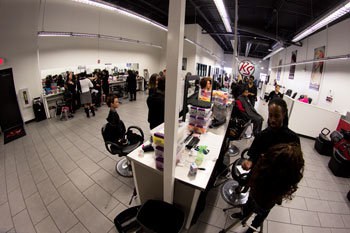
Kenneth Shuler School of Cosmetology-North Augusta is a hyper-focused, career-driven trade school that operates on a different wavelength than traditional colleges. It’s a direct pipeline into the beauty industry, where admissions is about readiness and financing, not test scores or extracurriculars, and the campus vibe is less about dorm life and more about mastering the craft in a hands-on, client-facing salon environment. This is a place where you come to get licensed and get to work, fast.
More details
- Undergrad enrollment
- 118
- Graduation Rate
- 58%
- Loan Default Rate
- 0%
- Gender Distribution
- 95% female, 5% male
- Student-Faculty Ratio
- 20:1
- Median Earnings (10yr)
- $25,542
- Program Start Frequency
- Every 3 weeks (days), Every 6 weeks (nights)
- Average Debt at Graduation
- $8,661
Outcomes & value
Outcomes & value
- Median earnings (10 yr)
- $25,542
- Value (earnings ÷ net price)
- 1.4×
- Median debt at graduation
- $8,661
- Reducing loan balance (3 yr)
- 21%
- Pell (lower-income) share
- 76%
- First-gen share (among federal-aid recipients)
- 52%
Earnings = median of students working ~10 years after entry; debt = median of graduates. Value divides 10-yr earnings by one year’s net price — read it as earnings per dollar of annual cost, not a full lifetime ROI; it favors lower-cost schools. Source: U.S. Dept. of Education College Scorecard. Figures lag ~2 years and reflect all students, not your intended major.
Campus & location
Campus safety
- On-campus violent crimes (2024)
- 0
On-campus criminal offenses classed as violent (murder/non-negligent manslaughter, rape, robbery, aggravated assault) for the most recent reported year. Source: U.S. Dept. of Education Campus Safety and Security (Clery Act). Counts reflect what’s reported to the school, and urban campuses often report more partly due to non-student incidents nearby — read alongside campus size and setting, not as a standalone safety verdict.
Climate
- Pleasant days / yr
- 119
- Summer high
- 90°F
- Winter low
- 42°F
- Annual rain
- 32.8"
- Natural-hazard risk
- Relatively Moderate
Pleasant days counts days per year with a mean temperature of 55–75°F, a high at or below 90°F, a low at or above 45°F, and little precipitation — a transparent comfort measure, not a weighting we invented. Computed from Open-Meteo ERA5 daily history (2019–2023). Natural-hazard risk is the county’s composite rating from the FEMA National Risk Index.
Quick answers
- How much does Kenneth Shuler School of Cosmetology-North Augusta cost?
- At Kenneth Shuler School of Cosmetology-North Augusta, the average net price (after aid) is about $18,677 per year. Actual cost varies with financial aid and residency.
- How many undergraduates attend Kenneth Shuler School of Cosmetology-North Augusta?
- Kenneth Shuler School of Cosmetology-North Augusta enrolls approximately 118 undergraduate students.
- Where is Kenneth Shuler School of Cosmetology-North Augusta located?
- Kenneth Shuler School of Cosmetology-North Augusta is located in North Augusta, SC.
Admissions
The admissions process here is straightforward and vocational in nature, prioritizing practical readiness over traditional academic metrics. The school reports a 100% , indicating an open-door policy for applicants who meet the basic requirements. There is no mention of SAT or ACT requirements in the provided sources. The primary gatekeepers are the application itself, which requires a completed form and a $100 non-refundable fee, and the financial aid process. The school does not require proof of vaccinations for enrollment. With a total enrollment of 125 students (82 full-time, 36 part-time), the atmosphere is intimate, and new classes for Cosmetology and Esthetics start frequently—every three weeks for day programs and every six weeks for night programs—allowing for rolling admissions and flexible start dates.
Compare Kenneth Shuler School of Cosmetology-North Augusta
vs Livingstone Collegevs Florida Polytechnic Universityvs United States Coast Guard Academyvs Dillard University
See colleges similar to Kenneth Shuler School of Cosmetology-North Augusta →Sources
- DFR Report HTML - Department of Education
- Kenneth Shuler School of Cosmetology-North Augusta
- GENERAL SCHOOL INFORMATION
- Kenneth Shuler School of Cosmetology-North Augusta
- Catalog/Handbook policies reviewed/revised June 26, 2025
- Kenneth Shuler School of Cosmetology-North Augusta
- Kenneth Shuler School of Cosmetology - North Augusta
- Cosmetology School in North Augusta, SC
- Kenneth Shuler School of Cosmetology-North Augusta - Sallie
- Kenneth Shuler School of Cosmetology-North Augusta