Loading…
← All schools
Lincoln University
Jefferson City, MOpubliclincolnu.edu
Avg net price
$19,092
Earnings (10 yr)
$39,463
Graduation rate
21%
Acceptance & SAT from Common Data Set / IPEDS; net price, earnings & graduation from the U.S. Dept. of Education College Scorecard. Figures lag ~1–2 years — verify with the school.
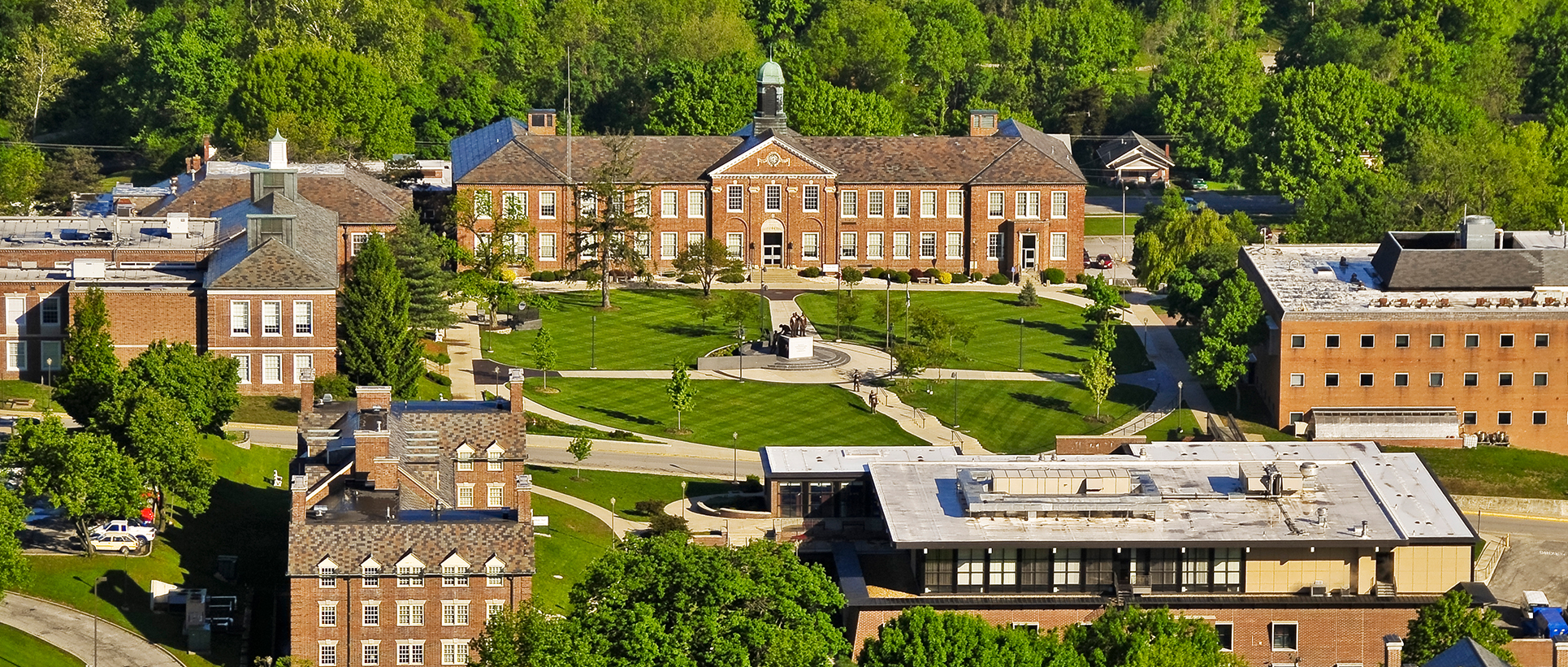
Lincoln University in Jefferson City, Missouri, is a public institution with a mission-driven, accessible profile. It operates with a moderately selective admissions process and a student-centered academic environment, defined by small classes and a tight-knit campus culture energized by a robust Greek life and legendary Homecoming. While graduation and retention rates present significant challenges, the university provides broad financial aid support to a student body where the vast majority receives assistance.
More details
- Undergrad enrollment
- 1,392
- In-state tuition
- $9,796
- Out-of-state tuition
- $17,692
- Campus Vibe
- Small, tight-knit, vibrant Greek life
- Student-Faculty Ratio
- 15:1
- 6-Year Graduation Rate
- ~30-34%
- Median Earnings (10yr)
- $39,463
- First-Year Retention Rate
- ~60%
- Median Debt at Graduation
- $19,000 - $34,355
Outcomes & value
Outcomes & value
- Median earnings (10 yr)
- $39,463
- Value (earnings ÷ net price)
- 2.1×
- Median debt at graduation
- $28,875
- Graduation rate
- 21%
- First-year retention
- 60%
- Reducing loan balance (3 yr)
- 33%
- Pell (lower-income) share
- 49%
- First-gen share (among federal-aid recipients)
- 38%
Top-earning majors
Median earnings by field of study (highest credential), ~2 years after completion.
- Information Science/Studies$35,701
- Accounting and Related Services$35,330
- Psychology, General$35,060
- Teacher Education and Professional Development, Specific Subject Areas$30,650
- Teacher Education and Professional Development, Specific Levels and Methods$30,409
- Business Administration, Management and Operations
Campus & location
Campus safety
- On-campus violent crimes (2024)
- 3
- Per 1,000 students
- 1.97
On-campus criminal offenses classed as violent (murder/non-negligent manslaughter, rape, robbery, aggravated assault) for the most recent reported year. Source: U.S. Dept. of Education Campus Safety and Security (Clery Act). Counts reflect what’s reported to the school, and urban campuses often report more partly due to non-student incidents nearby — read alongside campus size and setting, not as a standalone safety verdict.
Climate
- Pleasant days / yr
- 80
- Summer high
- 87°F
- Winter low
- 28°F
- Annual rain
- 46.5"
- Annual snow
- 16.3"
- Natural-hazard risk
- Relatively Low
Pleasant days counts days per year with a mean temperature of 55–75°F, a high at or below 90°F, a low at or above 45°F, and little precipitation — a transparent comfort measure, not a weighting we invented. Computed from Open-Meteo ERA5 daily history (2019–2023). Natural-hazard risk is the county’s composite rating from the FEMA National Risk Index.
Quick answers
- How much does Lincoln University cost?
- At Lincoln University, the average net price (after aid) is about $19,092 per year. Actual cost varies with financial aid and residency.
- How many undergraduates attend Lincoln University?
- Lincoln University enrolls approximately 1,392 undergraduate students.
- Where is Lincoln University located?
- Lincoln University is located in Jefferson City, MO.
Admissions
Lincoln University's admissions process is moderately selective and accessible, with reported between 61% and 87%. The university does not appear to have a binding Early Decision program; the provided sources reference Early Decision only in generic, comparative contexts for other institutions, not for Lincoln specifically. Demonstrated interest is also not cited as a formal factor in Lincoln's admissions decisions. The middle 50% SAT score range for admitted students is between 890 and 1060. For transfer students, the baseline requirements include being in good standing at previous institutions, having completed 12 or more transferable semester hours, and holding a minimum 2.0 GPA. The university also has a specialized admissions pathway called LIFT (Lincoln University Initiative for Tomorrow), though specific details are not elaborated in the provided snippets.
Compare Lincoln University
vs Chicago State Universityvs Indiana University-Northwestvs Northwestern Oklahoma State Universityvs Missouri Valley College
See colleges similar to Lincoln University →Sources
- Institutional Research | Lincoln University
- Common Data Sets | Lincoln University of Missouri
- [PDF] Common Data Set 2022-2023 | Lincoln University
- Common Data Set: Home
- Common Data Set 2024-2025
- [PDF] A. General Information - Lincoln University
- Lincoln University Admissions - BigFuture College Search
- Lincoln University SAT, ACT & GPA Requirements for Admissions
- Lincoln University SAT Scores and GPA - PrepScholar
- Lincoln University - Tuition and Acceptance Rate - Peterson's