Admit rate has ranged 56%–70% over the last 5 years — notably volatile. Source: IPEDS via Urban Institute.
Acceptance & SAT from Common Data Set / IPEDS; net price, earnings & graduation from the U.S. Dept. of Education College Scorecard. Figures lag ~1–2 years — verify with the school.
Northwestern Oklahoma State University is a small, public regional university planted firmly in the rural plains of Alva, Oklahoma. Its identity is that of an accessible, career-focused institution where nearly six out of ten students graduate without debt, offering a tight-knit, no-frills college experience centered on teaching, campus traditions, and Ranger athletics. While its graduation rates are a persistent challenge, it serves as a critical pipeline for teachers, nurses, and business professionals in northwest Oklahoma.
Admission requirements
Test scores required
Required
High school transcript
Grade point average
Class rank
Test scores (SAT/ACT)
TOEFL (non-native English)
Source: IPEDS Admissions survey (2022) via Urban Institute. Covers formal factors only — it does not reflect essays, extracurriculars, or other holistic criteria.
More details
Undergrad enrollment
1,498
In-state tuition
$5,970
Out-of-state tuition
$11,664
Graduation Rate
30%
Graduate Debt-Free
~60% of recent graduates
Student-Faculty Ratio
15:1
Median Earnings (10yr)
$44,358
First-Year Retention Rate
62%
Outcomes & value
Outcomes & value
Median earnings (10 yr)
$44,358
Value (earnings ÷ net price)
4.4×
Median debt at graduation
$17,355
Graduation rate
30%
First-year retention
65%
Reducing loan balance (3 yr)
56%
Pell (lower-income) share
41%
First-gen share (among federal-aid recipients)
43%
Top-earning majors
Median earnings by field of study (highest credential), ~2 years after completion.
Registered Nursing, Nursing Administration, Nursing Research and Clinical Nursing$56,505
Teacher Education and Professional Development, Specific Subject Areas$37,980
Teacher Education and Professional Development, Specific Levels and Methods$33,880
Business Administration, Management and Operations$33,192
Liberal Arts and Sciences, General Studies and Humanities$30,771
Campus & location
Campus safety
On-campus violent crimes (2024)
0
Per 1,000 students
0.00
On-campus criminal offenses classed as violent (murder/non-negligent manslaughter, rape, robbery, aggravated assault) for the most recent reported year. Source: U.S. Dept. of Education Campus Safety and Security (Clery Act). Counts reflect what’s reported to the school, and urban campuses often report more partly due to non-student incidents nearby — read alongside campus size and setting, not as a standalone safety verdict.
Climate
Pleasant days / yr
80
Summer high
92°F
Winter low
29°F
Annual rain
24.3"
Annual snow
8.7"
Natural-hazard risk
Very Low
Pleasant days counts days per year with a mean temperature of 55–75°F, a high at or below 90°F, a low at or above 45°F, and little precipitation — a transparent comfort measure, not a weighting we invented. Computed from Open-Meteo ERA5 daily history (2019–2023). Natural-hazard risk is the county’s composite rating from the FEMA National Risk Index.
Deep dive — research, future-scholar output & economic mobility▾
Research output
Institutional h-index
20
Scholarly works
166
Institutional research volume and impact from OpenAlex. The h-index reflects large research universities and will be low for teaching-focused liberal-arts colleges — not a measure of undergraduate quality.
Economic mobility
Mobility rate
1.8%
Bottom → top quintile
17%
From bottom quintile
11%
Mobility rate = the share of students who both start in the bottom household-income quintile and reach the top quintile; bottom → top is that chance conditional on starting at the bottom. Source: Opportunity Insights Mobility Report Cards (Chetty, Friedman, Saez, Turner & Yagan). Reflects 1980–82 birth cohorts, so it’s directional, not current.
Quick answers
What is the acceptance rate at Northwestern Oklahoma State University?
Northwestern Oklahoma State University's acceptance rate is approximately 65% (Alva, OK), based on the most recent figures we compiled from public and primary sources.
What SAT score do you need for Northwestern Oklahoma State University?
Admitted students at Northwestern Oklahoma State University typically score 803–1036 on the SAT (the middle-50% range). Scores outside this band are still admitted, especially with strong applications.
How much does Northwestern Oklahoma State University cost?
At Northwestern Oklahoma State University, the average net price (after aid) is about $10,104 per year. Actual cost varies with financial aid and residency.
How many undergraduates attend Northwestern Oklahoma State University?
Northwestern Oklahoma State University enrolls approximately 1,498 undergraduate students.
Where is Northwestern Oklahoma State University located?
Northwestern Oklahoma State University is located in Alva, OK.
Admissions
Northwestern Oklahoma State operates with an open-access mission, making it one of the more accessible public universities in the region. The admissions process is straightforward and non-competitive, focusing on baseline eligibility rather than holistic selection. For incoming freshmen, the primary benchmark is an ACT score of 20 or an SAT score of 1030, which places a student in the top 50th percentile of Oklahoma test-takers and guarantees admission to any regional campus program. The university does not accept the Common Application, requiring applicants to use its own system. There is no indication from available sources that the university employs an Early Decision program or that demonstrated interest is a considered factor in admissions decisions—this is an institution where applying means you're very likely to be admitted, provided you meet the basic criteria.
Academics at Northwestern are defined by practical, career-oriented programs delivered in small classroom settings. The university offers more than 40 academic programs across undergraduate, graduate, and doctoral levels, with a pronounced emphasis on fields that directly feed the regional workforce. The student-faculty ratio is 15:1, fostering a teaching-focused environment where professor accessibility is a norm. The most popular majors reflect the institution's service-oriented mission: Business, Parks/Recreation and Leisure Studies, Nursing, Psychology, and Liberal Arts and Humanities. Programs in Education, Biology, and Criminal Justice are also significant draws. The average freshman retention rate—a key indicator of student satisfaction and academic integration—is 62%, which suggests some students struggle to persist after the first year. The academic culture is not one of intense research or cutthroat competition, but of applied learning designed to get students 'career-ready.'
Earnings = median of students working ~10 years after entry; debt = median of graduates. Value divides 10-yr earnings by one year’s net price — read it as earnings per dollar of annual cost, not a full lifetime ROI; it favors lower-cost schools. Source: U.S. Dept. of Education College Scorecard. Figures lag ~2 years and reflect all students, not your intended major.
Parks, Recreation, Leisure, Fitness, and Kinesiology, Other$30,119
Agricultural Business and Management$27,476
Psychology, General$24,035
Source: U.S. Dept. of Education College Scorecard (field-of-study earnings). Figures cover graduates who received federal aid and lag ~2 years; not all programs report data.
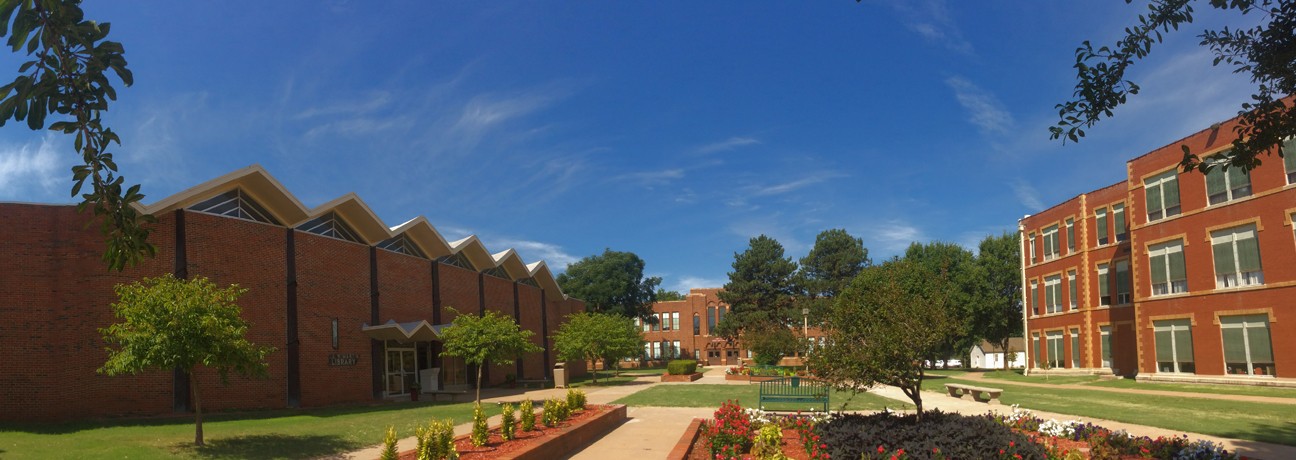
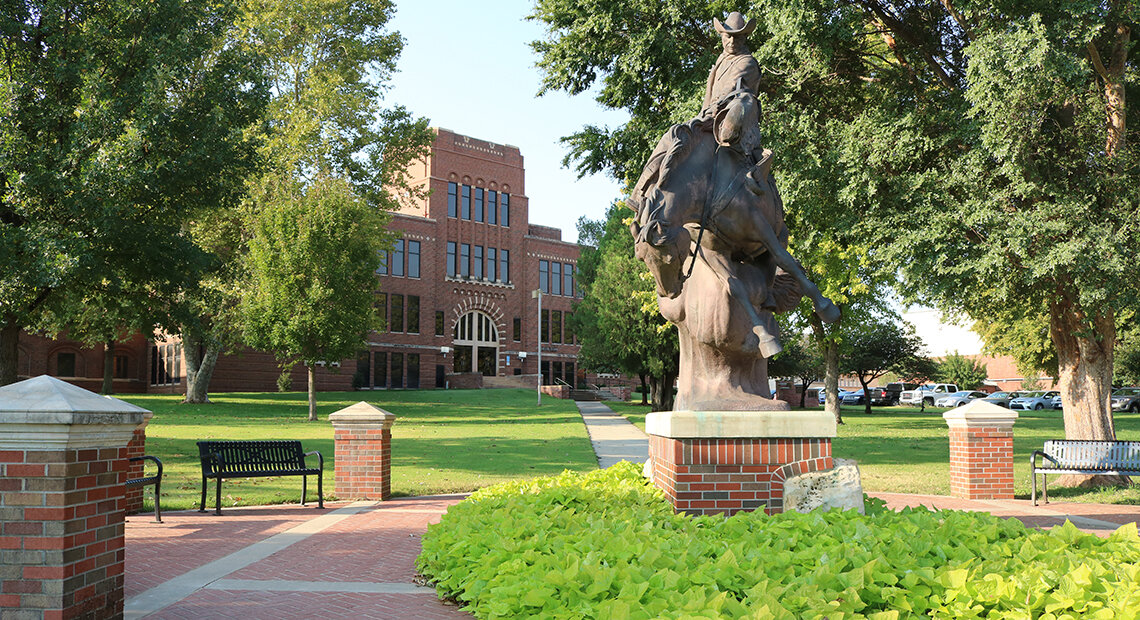
Life on the Alva campus is classic small-college Americana, where athletics, campus-wide events, and student organizations form the core of the social fabric. The university promotes an 'active campus life with frequent student activities, events, and clubs throughout the week.' The Instagram presence of the official @nwosurangers account highlights a culture centered on 'Gamedays and campus events… Clubs, intramurals, and traditions.' As a Division II member of the Great American Conference, Ranger athletics—particularly football, basketball, and baseball—are a major focal point for school spirit. Beyond sports, the Office of Student Life organizes activities and supports various student organizations. The setting in Alva (population under 5,000) means the campus is self-contained; students looking for a vibrant city scene won't find it here, but those seeking a close-knit, tradition-heavy community where everyone knows everyone else will feel at home.
Outcomes data reveals Northwestern's central challenge and its core value proposition. The six-year graduation rate has historically fluctuated in the 26-35% range, a figure the university itself transparently publishes. This places its graduation performance in the bottom tier nationally. However, for those who persist, the university delivers a remarkably debt-light launch into the workforce. According to the university, nearly 60% of recent graduates finished their degree without any student debt. For alumni a decade out, median earnings are modest but meaningful for the region. The data paints a picture of an institution that provides a critical, affordable on-ramp to higher education for many and rural students, though a significant portion do not make it to graduation. For the graduates who do, they often start their careers unburdened by the loan debt that plagues many of their peers nationally.
Affordability is Northwestern Oklahoma State's most powerful selling point. The published in-state tuition and fees are $7,463, with out-of-state costs higher. However, the more relevant figure for most families is the average —the cost after grants and scholarships are applied—which is remarkably low. The university actively promotes its net price calculator to help families estimate their true cost. Financial aid, primarily in the form of scholarships and grants, plays a major role in reducing the sticker price. The Office of Financial Aid emphasizes that students should apply by the February 15th scholarship deadline for priority consideration. The result of this aggressive aid packaging is that a majority of students graduate without loans, making Northwestern one of the most financially accessible four-year universities in the state, if not the region.
Northwestern Oklahoma State stands out for its unwavering commitment to a specific, often overlooked demographic: rural and students in the Great Plains seeking a low-risk, high-support path to a career. It doesn't pretend to be a research powerhouse or a selective liberal arts college. Instead, it excels at being exactly what it aims to be: an exceptionally affordable, teaching-focused regional university. Its most distinctive feature is the statistic it proudly broadcasts—that nearly 60% of graduates are debt-free. In an era of crushing student loan burdens, this is a transformative outcome. The trade-off is a campus life and academic environment that is unapologetically small-scale and local. For students from northwest Oklahoma who want to stay close to home, become a teacher, a nurse, or a business owner, and start their adult life without a financial anchor, Northwestern offers a singular and valuable proposition that few other institutions can match.
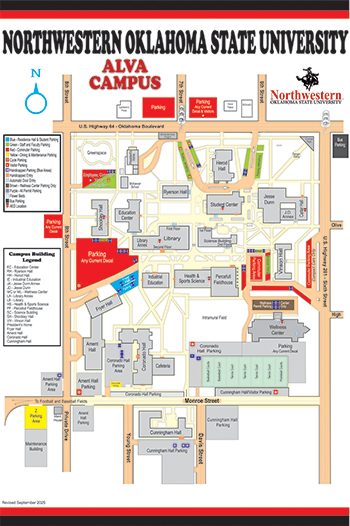
Northwestern Oklahoma State University seal · sourceCampus Map | Northwestern Oklahoma State University · sourceCampus Safety | Northwestern Oklahoma State University · sourceNational Application Center :: campus tours :: Northwestern Oklahoma State University key facts · source