Loading…
← All schools
Parisian Beauty School
Hackensack, NJprivate forprofitpaulmitchell.edu/hackensack
Avg net price
$32,141
Earnings (10 yr)
$27,767
Acceptance & SAT from Common Data Set / IPEDS; net price, earnings & graduation from the U.S. Dept. of Education College Scorecard. Figures lag ~1–2 years — verify with the school.
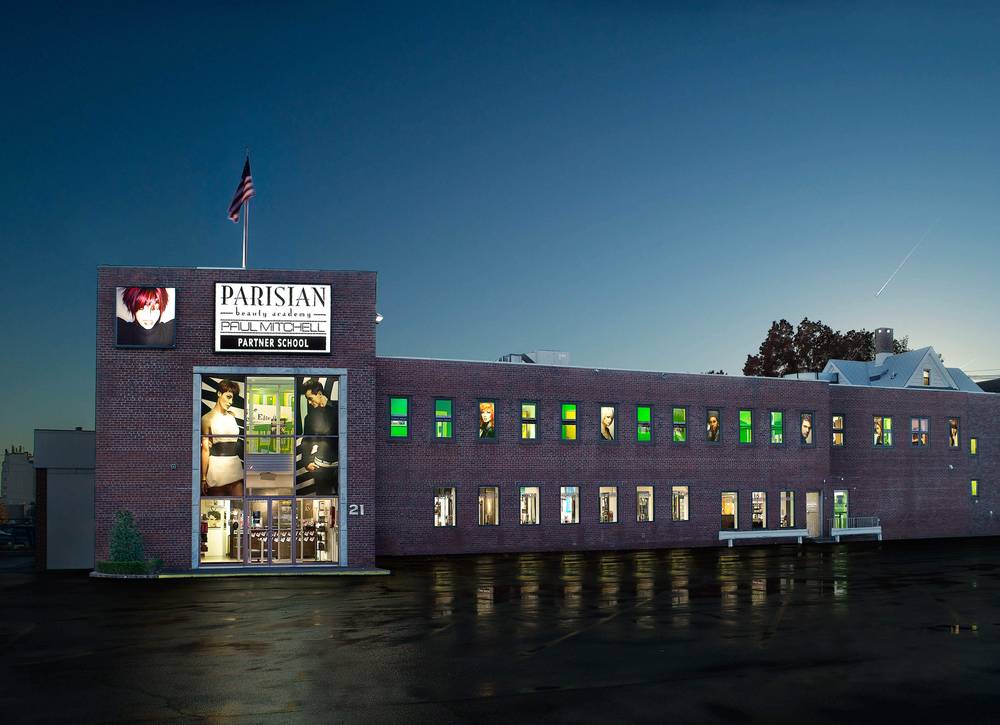
Parisian Beauty School, a Paul Mitchell Partner School in Hackensack, NJ, operates on a fundamentally different model than traditional colleges: it's a vocational gateway with a 100% open admission policy, where the real challenge isn't getting in, but navigating the financial and professional realities of the beauty industry post-graduation. The school offers a tightly focused curriculum in cosmetology, esthetics, and nail technology to a diverse, suburban student body of about 464, with outcomes that starkly illustrate the high-risk, high-reward nature of for-profit trade education. This is a place for hands-on learners chasing a specific license, not a broad liberal arts experience, and its value proposition hinges entirely on a graduate's ability to translate technical skill into a sustainable career.
More details
- Undergrad enrollment
- 441
- Setting
- Suburban
- Student Population
- ~464 undergraduates
- Federal Pell Grants
- Yes, maximum $7,395 (2026-27)
- First-Year Retention
- 88%
- Student-Faculty Ratio
- 18:1
- Median Earnings (10yr)
- $27,767
- Average Annual Loan Amount
- $8,678
Outcomes & value
Outcomes & value
- Median earnings (10 yr)
- $27,767
- Value (earnings ÷ net price)
- 0.9×
- Median debt at graduation
- $7,667
- Reducing loan balance (3 yr)
- 58%
- Pell (lower-income) share
- 61%
- First-gen share (among federal-aid recipients)
- 57%
Earnings = median of students working ~10 years after entry; debt = median of graduates. Value divides 10-yr earnings by one year’s net price — read it as earnings per dollar of annual cost, not a full lifetime ROI; it favors lower-cost schools. Source: U.S. Dept. of Education College Scorecard. Figures lag ~2 years and reflect all students, not your intended major.
Campus & location
Campus safety
- On-campus violent crimes (2024)
- 0
On-campus criminal offenses classed as violent (murder/non-negligent manslaughter, rape, robbery, aggravated assault) for the most recent reported year. Source: U.S. Dept. of Education Campus Safety and Security (Clery Act). Counts reflect what’s reported to the school, and urban campuses often report more partly due to non-student incidents nearby — read alongside campus size and setting, not as a standalone safety verdict.
Climate
- Pleasant days / yr
- 97
- Summer high
- 83°F
- Winter low
- 29°F
- Annual rain
- 42.2"
- Annual snow
- 20.3"
- Natural-hazard risk
- Relatively High
Pleasant days counts days per year with a mean temperature of 55–75°F, a high at or below 90°F, a low at or above 45°F, and little precipitation — a transparent comfort measure, not a weighting we invented. Computed from Open-Meteo ERA5 daily history (2019–2023). Natural-hazard risk is the county’s composite rating from the FEMA National Risk Index.
Quick answers
- How much does Parisian Beauty School cost?
- At Parisian Beauty School, the average net price (after aid) is about $32,141 per year. Actual cost varies with financial aid and residency.
- How many undergraduates attend Parisian Beauty School?
- Parisian Beauty School enrolls approximately 441 undergraduate students.
- Where is Parisian Beauty School located?
- Parisian Beauty School is located in Hackensack, NJ.
Admissions
Admissions at Parisian Beauty School is not a competitive gate but an open door. The school has an open admission policy, meaning all applicants are accepted. This is confirmed by multiple sources, including the Department of Education's College Scorecard and niche review sites. There is no mention of SAT, ACT, or GPA requirements in the provided sources for this institution; the process is designed for accessibility, not selectivity. The enrolled student population reflects this open policy, with a diverse demographic makeup: 39.5% Hispanic or Latino, 18.6% White, 13.4% Two or More Races, and 8.84% Black or African American. The school's Instagram and website messaging focuses on enrollment drives ('Limited seats available!') rather than traditional admissions criteria, underscoring its vocational, non-selective nature.
Academics
The academic experience is singularly focused on vocational training for state licensure. The curriculum centers on cosmetology, hairstyling, braiding, esthetics, makeup, manicuring, and skin care. It is a Paul Mitchell Partner School, which suggests a curriculum aligned with that brand's techniques and products. The student-to-faculty ratio is reported as 18:1, which, for a hands-on trade school, could imply a mix of demonstration and individual practice. A first-year retention rate of 88% is noted, a relatively high figure that may speak to the program's structured, cohort-based model. Discussions in cosmetology forums hint at the tension in such programs between teaching for the state board exam and fostering broader creative skills, with one Reddit comment about a different school noting they 'only taught state board focused curriculum like once a week for an hour or two and their passing rate was 79%.' This highlights the critical importance of a school's exam-pass rate, a key academic outcome metric not explicitly provided in the sources for Parisian.
Compare Parisian Beauty School
See colleges similar to Parisian Beauty School →Sources
- Common Data Set 2025-2026
- Common Data Set: Home
- Common Data Set 202
- Parisian Beauty School | College Scorecard - Department of Education
- How To Use a Common Data Set
- Common Data Set Explorer 2026: Compare 100 Colleges
- Parisian Beauty Academy A Paul Mitchell Partner School Admission
- Parisian Beauty Academy Paul Mitchell Partner School
- Parisian Beauty Academy A Paul Mitchell Partner School Admissions
- Parisian Beauty School
- Parisian Beauty Academy PMPS - Hackensack, NJ