Loading…
← All schools
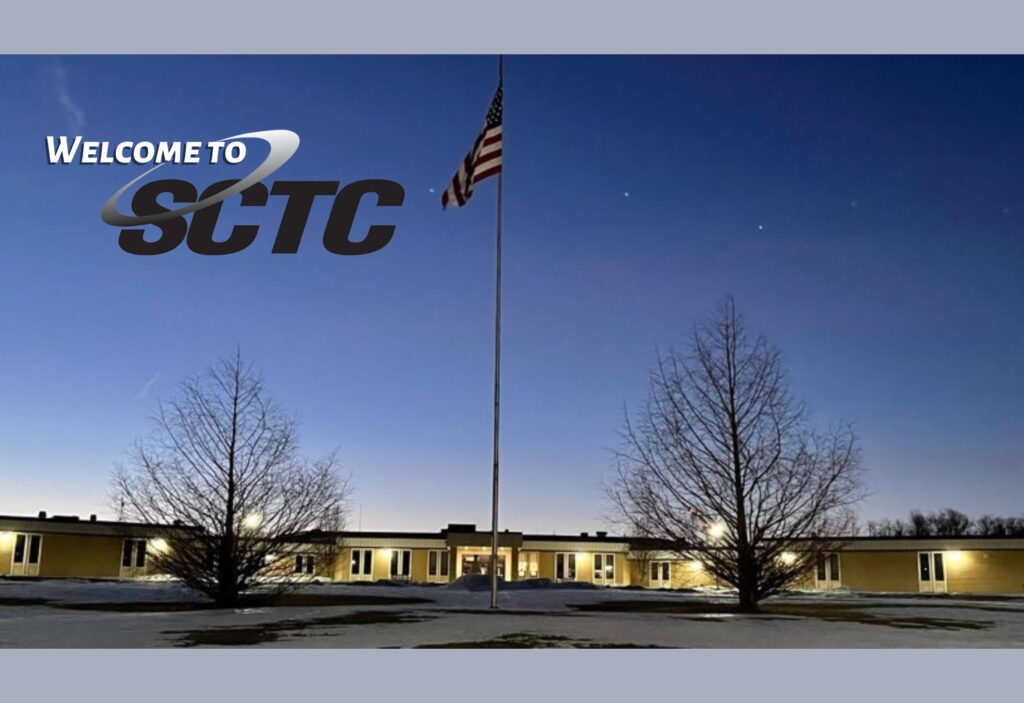
Somerset County Technology Center
Somerset, PApublicsctc.net/
Avg net price
$14,444
Earnings (10 yr)
$37,558
Acceptance & SAT from Common Data Set / IPEDS; net price, earnings & graduation from the U.S. Dept. of Education College Scorecard. Figures lag ~1–2 years — verify with the school.
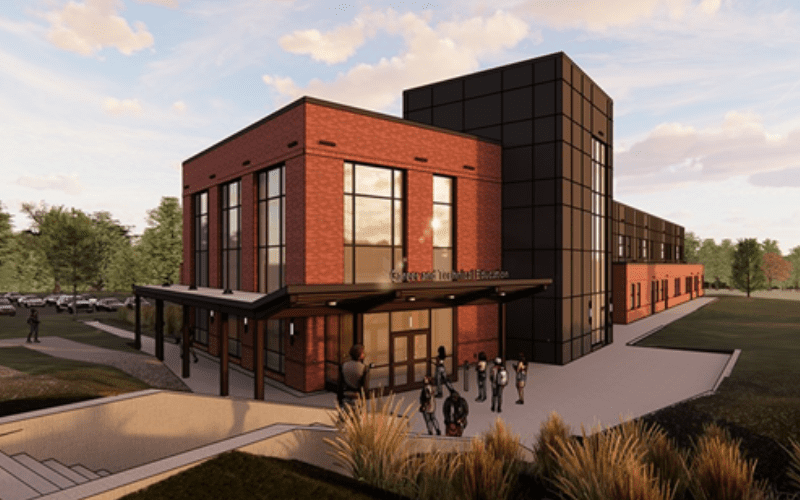
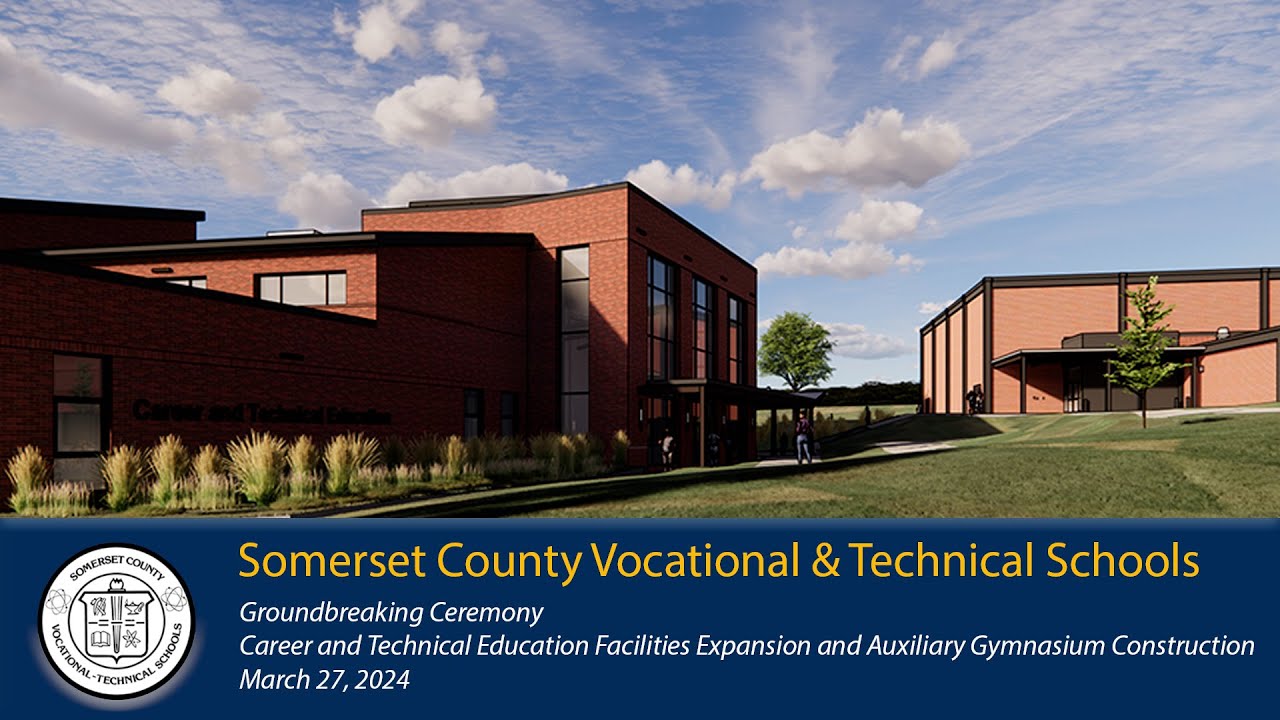
Somerset County Technology Center is not a traditional college but a career and technical education hub where high school students and adult learners split their days between hands-on trade training and academic coursework. Since 1972, its mission has been singular: to provide direct pathways to skilled trades and technical careers in Somerset County and beyond. This is a place where education is measured in competencies, certifications, and the immediate employability of its graduates, operating with an open-access philosophy that welcomes any student ready to work.
More details
- Undergrad enrollment
- 59
- Graduation Rate
- 71% (reported)
- Student Population
- ~59 undergraduates
- First-Year Retention
- 77%
- Student-Teacher Ratio
- 0.59:1
- Median Earnings (10yr)
- $37,558
- Economically Disadvantaged
- 70%
Outcomes & value
Outcomes & value
- Median earnings (10 yr)
- $37,558
- Value (earnings ÷ net price)
- 2.6×
- Reducing loan balance (3 yr)
- 49%
- Pell (lower-income) share
- 30%
Earnings = median of students working ~10 years after entry; debt = median of graduates. Value divides 10-yr earnings by one year’s net price — read it as earnings per dollar of annual cost, not a full lifetime ROI; it favors lower-cost schools. Source: U.S. Dept. of Education College Scorecard. Figures lag ~2 years and reflect all students, not your intended major.
Campus & location
Campus safety
- On-campus violent crimes (2024)
- 2
On-campus criminal offenses classed as violent (murder/non-negligent manslaughter, rape, robbery, aggravated assault) for the most recent reported year. Source: U.S. Dept. of Education Campus Safety and Security (Clery Act). Counts reflect what’s reported to the school, and urban campuses often report more partly due to non-student incidents nearby — read alongside campus size and setting, not as a standalone safety verdict.
Climate
- Pleasant days / yr
- 107
- Summer high
- 77°F
- Winter low
- 24°F
- Annual rain
- 33.4"
- Annual snow
- 39.3"
- Natural-hazard risk
- Relatively Low
Pleasant days counts days per year with a mean temperature of 55–75°F, a high at or below 90°F, a low at or above 45°F, and little precipitation — a transparent comfort measure, not a weighting we invented. Computed from Open-Meteo ERA5 daily history (2019–2023). Natural-hazard risk is the county’s composite rating from the FEMA National Risk Index.
Quick answers
- How much does Somerset County Technology Center cost?
- At Somerset County Technology Center, the average net price (after aid) is about $14,444 per year. Actual cost varies with financial aid and residency.
- How many undergraduates attend Somerset County Technology Center?
- Somerset County Technology Center enrolls approximately 59 undergraduate students.
- Where is Somerset County Technology Center located?
- Somerset County Technology Center is located in Somerset, PA.
Admissions
Admissions at Somerset County Technology Center (SCTC) operates on a fundamentally different model than a selective undergraduate institution. It functions as an open-access career and technical education center primarily serving high school students from eight designated sending schools, alongside adult education programs. The is reported as 100%, reflecting its mission to provide technical training to the community. The process is less about competitive selection and more about enrollment into specific technical programs based on interest and capacity. The center enrolls approximately 59 undergraduate students, with a total student population reported at 11 in one federal dataset, highlighting its small, focused scale. There is no indication of an Early Decision process or that demonstrated interest is a considered factor in admissions; the process is geared toward program placement within the technical curriculum.
Academics
The academic model is pure career and technical education (CTE). Since opening in 1972, SCTC's entire focus has been on providing quality career and technical training. High school students typically attend the center for half of their school day, receiving hands-on instruction in a trade, while spending the other half at their home high school for core academic subjects. This dual-enrollment model is central to its design. The curriculum is program-based, moving students through structured technical sequences aimed at industry certification and job readiness. While specific program details aren't enumerated in the provided sources, the institution's performance is tracked through metrics like academic growth expectations in English and Mathematics/Algebra. The student-to-teacher ratio is exceptionally low, reported at 0.59:1 (or 4:1 in another source), which facilitates highly individualized, workshop-style instruction. This is not a liberal arts institution; it is a training ground for specific technical competencies.
Compare Somerset County Technology Center
vs United States Coast Guard Academyvs Lincoln Universityvs SUNY College at Potsdamvs Coppin State University
See colleges similar to Somerset County Technology Center →Sources
- Common Data Set: Home
- Common Data Set | The Office of Institutional Research
- common-data-set-current-year.pdf
- Decoding the Common Data Set What You Need to Know for ...
- Somerset County Technology Center - QuantAdmit
- Somerset County Technology Center – Your Career Starts Here!
- Somerset County Technology Center
- Somerset County Technology Center
- Somerset County Technology Center
- Search for Public Schools - Somerset County Technology Center ...
- About Us – Somerset County Technology Center