Admit rate has ranged 35%–59% over the last 5 years — notably volatile. Source: IPEDS via Urban Institute.
Acceptance & SAT from Common Data Set / IPEDS; net price, earnings & graduation from the U.S. Dept. of Education College Scorecard. Figures lag ~1–2 years — verify with the school.
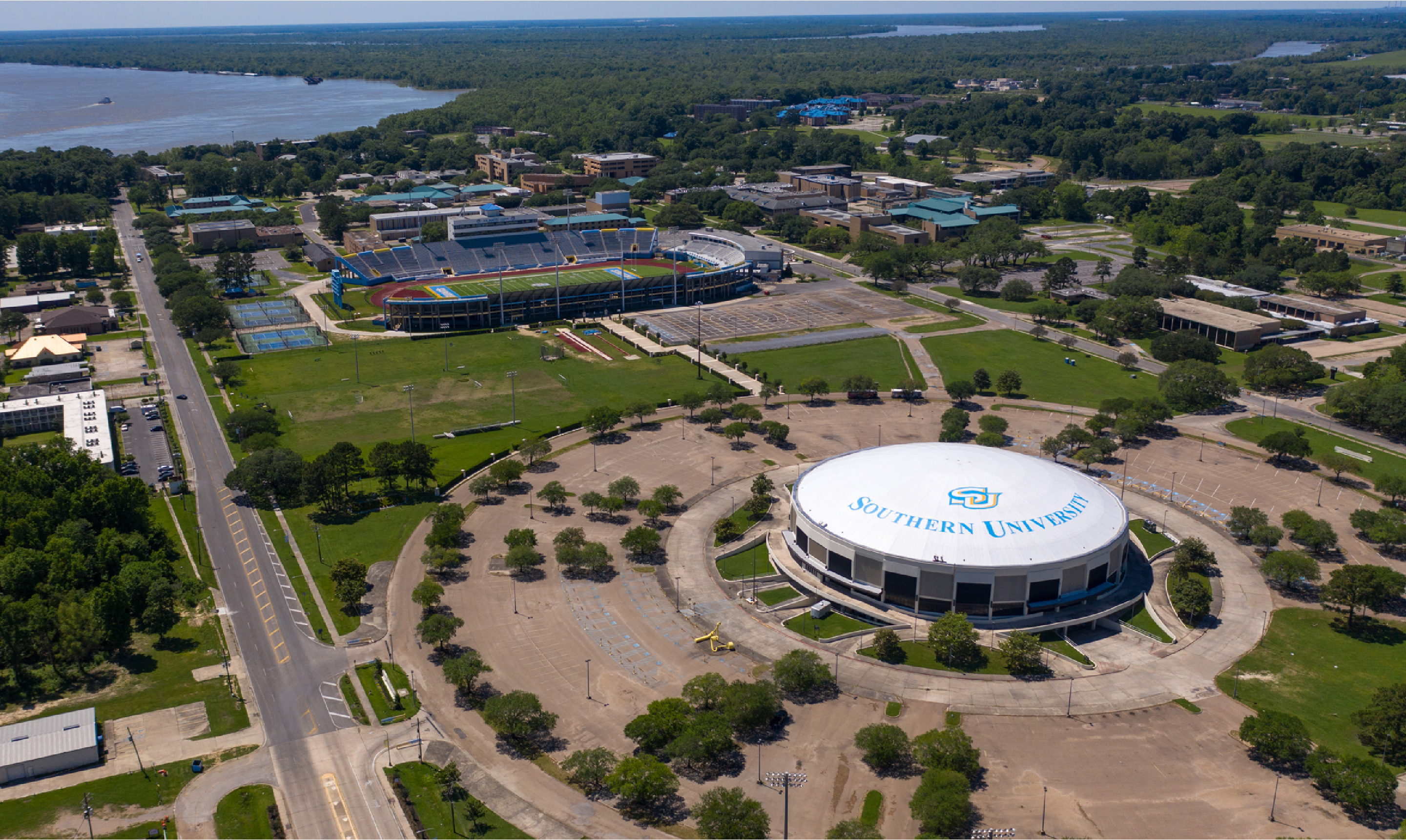
Southern University and A&M College is the flagship of the nation's only historically Black university system, a sprawling public institution in Baton Rouge where the rhythms of Louisiana culture, a profound sense of community, and a practical, career-focused education converge. It's a place where 'Pretty Wednesdays' are a campus-wide tradition, nursing and criminal justice are the dominant majors, and the mission of access and uplift is palpable—though it grapples with the significant challenge of low graduation rates. This is a university deeply woven into the fabric of its region, offering a distinctive, high-energy HBCU experience with a clear-eyed focus on professional preparation.
Admission requirements
Test scores required
Required
High school transcript
Grade point average
Class rank
Test scores (SAT/ACT)
College-prep program
TOEFL (non-native English)
Source: IPEDS Admissions survey (2022) via Urban Institute. Covers formal factors only — it does not reflect essays, extracurriculars, or other holistic criteria.
More details
Undergrad enrollment
5,519
In-state tuition
$9,922
Out-of-state tuition
$17,272
Housing
32% on-campus, 68% off-campus
Top Majors
Nursing (15%), Criminal Justice (11%), Business (7%)
Graduation Rate
27%
Median Earnings (10yr)
$43,371
First-Year Retention Rate
67%
Outcomes & value
Outcomes & value
Median earnings (10 yr)
$43,371
Value (earnings ÷ net price)
2.2×
Median debt at graduation
$29,251
Graduation rate
27%
First-year retention
60%
Reducing loan balance (3 yr)
53%
Pell (lower-income) share
68%
First-gen share (among federal-aid recipients)
40%
Top-earning majors
Median earnings by field of study (highest credential), ~2 years after completion.
Registered Nursing, Nursing Administration, Nursing Research and Clinical Nursing$62,064
Electrical, Electronics, and Communications Engineering$52,107
Mechanical Engineering$51,187
Civil Engineering$49,019
Agriculture, General$38,829
Accounting and Related Services
Campus & location
Campus safety
On-campus violent crimes (2024)
3
Per 1,000 students
0.43
On-campus criminal offenses classed as violent (murder/non-negligent manslaughter, rape, robbery, aggravated assault) for the most recent reported year. Source: U.S. Dept. of Education Campus Safety and Security (Clery Act). Counts reflect what’s reported to the school, and urban campuses often report more partly due to non-student incidents nearby — read alongside campus size and setting, not as a standalone safety verdict.
Climate
Pleasant days / yr
105
Summer high
90°F
Winter low
47°F
Annual rain
61.5"
Natural-hazard risk
Relatively High
Pleasant days counts days per year with a mean temperature of 55–75°F, a high at or below 90°F, a low at or above 45°F, and little precipitation — a transparent comfort measure, not a weighting we invented. Computed from Open-Meteo ERA5 daily history (2019–2023). Natural-hazard risk is the county’s composite rating from the FEMA National Risk Index.
Quick answers
What is the acceptance rate at Southern University and A & M College?
Southern University and A & M College's acceptance rate is approximately 35% (Baton Rouge, LA), based on the most recent figures we compiled from public and primary sources.
What SAT score do you need for Southern University and A & M College?
Admitted students at Southern University and A & M College typically score 790–1020 on the SAT (the middle-50% range). Scores outside this band are still admitted, especially with strong applications.
How much does Southern University and A & M College cost?
At Southern University and A & M College, the average net price (after aid) is about $20,077 per year. Actual cost varies with financial aid and residency.
How many undergraduates attend Southern University and A & M College?
Southern University and A & M College enrolls approximately 5,519 undergraduate students.
Where is Southern University and A & M College located?
Southern University and A & M College is located in Baton Rouge, LA.
Admissions
Southern University operates with a moderately selective admissions process, accepting about one in three applicants. The university sets clear, attainable minimum criteria for first-time freshmen: applicants must rank in the upper 50% of their high school graduating class and achieve a minimum composite ACT score of 20 (or an SAT equivalent of 1020), with additional minimums of 18 in English and 19 in Math on the ACT. Alternatively, a minimum high school GPA of 2.0 is also acceptable. The middle 50% SAT range for admitted students is 790–1020. The admissions office does not appear to offer an Early Decision program, and sources do not indicate whether demonstrated interest is a considered factor in their review. The process is designed to be accessible, with a straightforward $25 application fee and requirements that prioritize a combination of class rank and standardized test performance.
Earnings = median of students working ~10 years after entry; debt = median of graduates. Value divides 10-yr earnings by one year’s net price — read it as earnings per dollar of annual cost, not a full lifetime ROI; it favors lower-cost schools. Source: U.S. Dept. of Education College Scorecard. Figures lag ~2 years and reflect all students, not your intended major.
$37,208
Computer Science$32,382
Multi/Interdisciplinary Studies, Other$30,771
Source: U.S. Dept. of Education College Scorecard (field-of-study earnings). Figures cover graduates who received federal aid and lag ~2 years; not all programs report data.
Southern University is a comprehensive institution offering a wide array of four-year, graduate, professional, and doctoral degree programs. The academic environment is intensely practical, with a sharp focus on fields that lead directly to in-demand careers. The three most popular majors dominate student choice: Registered Nursing (15% of degrees), Criminal Justice/Safety Studies (11%), and Business Administration and Management (7%), followed by Psychology (6%). This concentration reflects the university's role as a primary pipeline for healthcare, public safety, and business professionals in the region and beyond. A survey of students indicated that 58% chose Southern for its 'Academic and other programs,' underscoring the draw of its career-oriented curriculum. The institution's identity is rooted in being a comprehensive and accredited HBCU, providing a broad educational foundation while allowing students to specialize in high-impact disciplines.
Life at Southern is defined by a vibrant, close-knit community steeped in HBCU tradition and Baton Rouge culture. The campus is a mix of residential and commuter energy, with 32% of students living in college-owned, -operated, or -affiliated housing and 68% living off-campus. Residential life is promoted as an opportunity for ethical leadership development through interaction with peers, faculty, and staff. The campus culture is famously sartorial, featuring the weekly tradition of 'Pretty Wednesdays,' where students dress in their best outfits to gather by the Student Union—a testament to the school's pride and communal spirit. The Office of Student Affairs frames the university as a community that 'values each individual and cares deeply about the success of our students.' This ethos extends to a lively social media presence that showcases campus events and school pride, reinforcing the sense of belonging that is central to the Southern experience.
Student outcomes at Southern University present a complex picture of access versus completion. The institution faces a significant challenge with graduation rates, which are well below national averages for four-year colleges. Reported rates vary by source: the four-year graduation rate is cited as low as 10%, while the six-year rate ranges from 27% to 38%. The university's own data reports a first-year retention rate of 67.39% for the 2021-2022 cohort. Post-graduation, median earnings for alumni six years after entry are reported at approximately $33,033 to $40,903, with one source noting an overall alumni salary average of $44,920. The College Scorecard reports higher median earnings of $54,666. University leadership has publicly acknowledged the graduation rate issue and is engaged in efforts to improve student persistence and completion, highlighting a focus on tackling this critical metric.
Southern University is a public institution with a —the average cost after grant and scholarship aid—that reflects its commitment to accessibility. The average net price for students is $20,077. Financial aid is described as crucial for assisting students and families, encompassing federal, state, institutional, and private sources including scholarships, grants, loans, and work-study programs. Students must be fully admitted as degree-seeking candidates to be eligible for federal financial aid, and the university encourages the use of its Net Price Calculator for early estimation. The financial aid office emphasizes that students can apply after December 1 but must be admitted and enrolled before receiving funds. There is no indication in the provided sources that Southern University employs a 'no-loan' policy or commits to meeting 100% of demonstrated financial need without loans; aid packages are likely to be a mix of gift aid and self-help options.
Southern University and A&M College stands out as the beating heart of the Southern University System—the nation's only HBCU system—carrying a of access and empowerment for Black students in Louisiana and beyond. Its distinctiveness isn't found in ultra-selectivity or vast endowments, but in its authentic, community-saturated culture and unwavering focus on practical, high-value degrees. The campus traditions like 'Pretty Wednesdays' aren't manufactured spirit; they're organic expressions of a student body that takes pride in its presence and heritage. Academically, it operates as a crucial talent engine for the state, channeling students directly into the nursing stations, justice departments, and business offices of the region. This is a university that knows its mission: to provide a transformative, supportive, and career-aligned education to the students who walk through its doors, all within the vibrant, irreplaceable context of a flagship public HBCU. The challenges it faces, particularly around graduation, are openly acknowledged, making its ongoing work to improve student success a central part of its story.
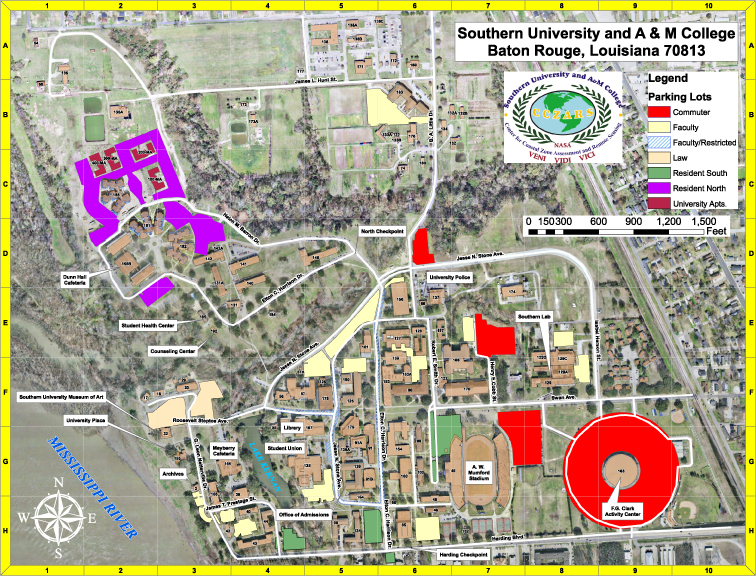
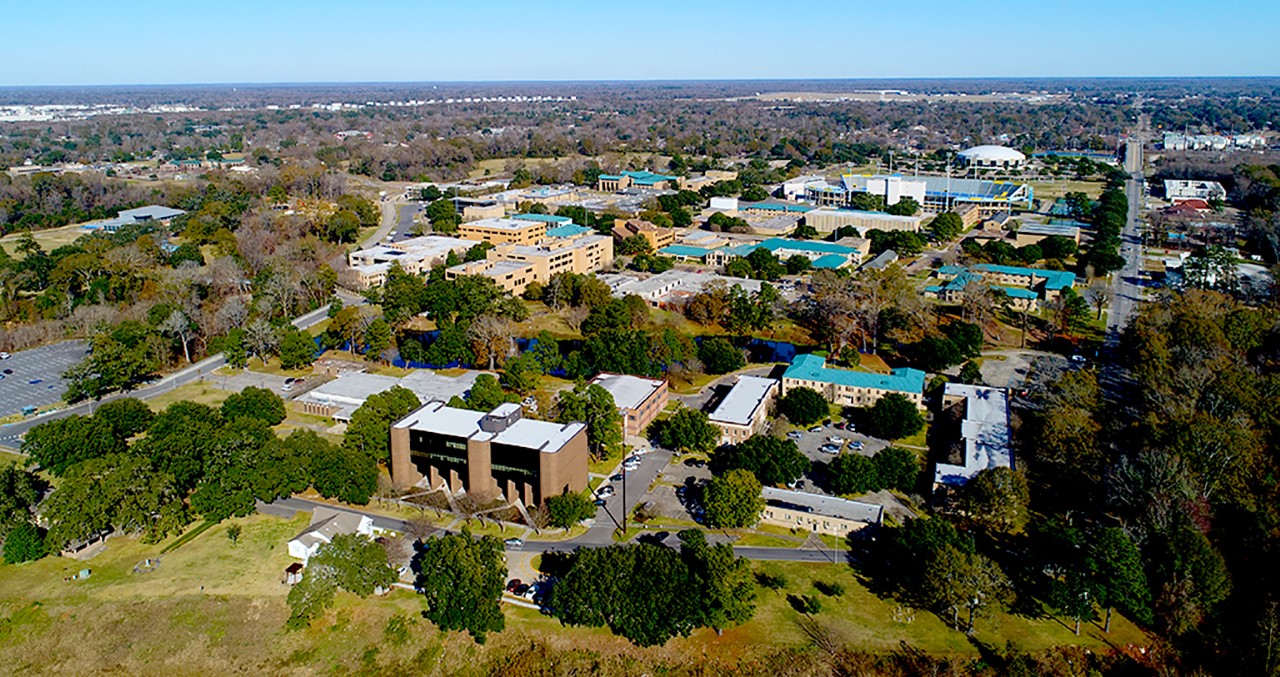
Southern University and A & M College seal · sourceSouthern University and A&M College · sourceCampus Map | Southern University and A&M College · sourceMaster Plan initiated for Southern University and Scotlandville Community | Southern University and A&M College · source