Admit rate has ranged 28%–53% over the last 5 years — notably volatile, though the latest figure above (25%) falls outside that window. Source: IPEDS via Urban Institute.
Acceptance & SAT from Common Data Set / IPEDS; net price, earnings & graduation from the U.S. Dept. of Education College Scorecard. Figures lag ~1–2 years — verify with the school.
Spelman College isn't just an HBCU; it's a singular, fiercely selective institution that has become the nation's premier liberal arts college for Black women. Nestled in Atlanta's West End, it cultivates a culture of academic rigor, sisterhood, and leadership, producing graduates whose outcomes consistently shatter national averages. The vibe is one of focused ambition wrapped in deep tradition, where students are expected to excel in the classroom and then go change the world.
Admission requirements
Test-blind — scores not considered
Required
High school transcript
Grade point average
Letters of recommendation
College-prep program
TOEFL (non-native English)
Considered (not required)
Class rank
Demonstrated competencies
Source: IPEDS Admissions survey (2022) via Urban Institute. Covers formal factors only — it does not reflect essays, extracurriculars, or other holistic criteria.
More details
Undergrad enrollment
3,414
In-state tuition
$31,556
Out-of-state tuition
$31,556
Graduation Rate
78%
ED Share of Class
Substantial portion (data suggests over 50% of class may be filled via ED)
Student-Faculty Ratio
10:1
Median Earnings (10yr)
$59,993
Outcomes & value
Outcomes & value
Median earnings (10 yr)
$59,993
Value (earnings ÷ net price)
1.5×
Median debt at graduation
$25,000
Graduation rate
78%
First-year retention
94%
Reducing loan balance (3 yr)
42%
Pell (lower-income) share
28%
First-gen share (among federal-aid recipients)
21%
Financial health
3.0 / 3.0Meets the federal financial-responsibility standard
U.S. Dept. of Education Financial Responsibility Composite Score (FY2022-23). Scale −1.0 to 3.0; ≥1.5 meets the standard. Reported for private nonprofit & for-profit institutions only — public universities are state-backed and not scored, so this is a stability signal, not a ranking.
Top-earning majors
Median earnings by field of study (highest credential), ~2 years after completion.
Economics$48,667
English Language and Literature, General$38,289
International/Globalization Studies$37,748
Ethnic, Cultural Minority, Gender, and Group Studies$35,600
Political Science and Government$35,060
Sociology$29,685
Applicants here also applied to
The schools that most often appear alongside Spelman College on applicants’ lists, from our self-reported outcomes corpus.
Co-application frequency from self-reported results — directional peer discovery, not a recommendation.
Campus & location
Campus safety
On-campus violent crimes (2024)
0
On-campus criminal offenses classed as violent (murder/non-negligent manslaughter, rape, robbery, aggravated assault) for the most recent reported year. Source: U.S. Dept. of Education Campus Safety and Security (Clery Act). Counts reflect what’s reported to the school, and urban campuses often report more partly due to non-student incidents nearby — read alongside campus size and setting, not as a standalone safety verdict.
Climate
Pleasant days / yr
101
Summer high
86°F
Winter low
39°F
Annual rain
65.3"
Annual snow
0.7"
Natural-hazard risk
Relatively High
Pleasant days counts days per year with a mean temperature of 55–75°F, a high at or below 90°F, a low at or above 45°F, and little precipitation — a transparent comfort measure, not a weighting we invented. Computed from Open-Meteo ERA5 daily history (2019–2023). Natural-hazard risk is the county’s composite rating from the FEMA National Risk Index.
Deep dive — research, future-scholar output & economic mobility▾
Research output
Institutional h-index
88
Scholarly works
1,751
Institutional research volume and impact from OpenAlex. The h-index reflects large research universities and will be low for teaching-focused liberal-arts colleges — not a measure of undergraduate quality.
Share of this school’s graduates who go on to earn research doctorates (2010–20), by national rank and per-capita yield (NSF institutional-yield ratio). A signal of a research-oriented student culture — not a causal promise, since it partly reflects who enrolls. Only top producers appear. Source: NSF NCSES, Baccalaureate Origins of U.S. Research Doctorate Recipients.
Economic mobility
Mobility rate
3.3%
Bottom → top quintile
Quick answers
What is the acceptance rate at Spelman College?
Spelman College's acceptance rate is approximately 25% (Atlanta, GA), based on the most recent figures we compiled from public and primary sources.
What SAT score do you need for Spelman College?
Admitted students at Spelman College typically score 1108–1320 on the SAT (the middle-50% range). Scores outside this band are still admitted, especially with strong applications.
How much does Spelman College cost?
At Spelman College, the average net price (after aid) is about $38,967 per year. Actual cost varies with financial aid and residency.
How many undergraduates attend Spelman College?
Spelman College enrolls approximately 3,414 undergraduate students.
Where is Spelman College located?
Spelman College is located in Atlanta, GA.
Admissions
Getting into Spelman has become dramatically more competitive in recent years, transforming it from a selective school into a highly selective one. The has plummeted from 51% in 2021 to the current rate of 25%, reflecting a surge in applications and prestige. The admitted student profile is exceptionally strong, with the incoming class boasting an average GPA of 3.9 to 3.97. For those submitting scores, the middle 50% SAT range for the most recent Early Action pool was 1240–1400, indicating a highly accomplished applicant pool. Applying Early Action or Early Decision can be a strategic advantage; data suggests the Early Decision acceptance rate is higher than the overall rate, with one source citing a 34.1% ED acceptance rate compared to a 52.6% rate for the rest of the applicant pool. The admissions process is holistic, and while specific factor importance from the is not detailed in the provided snippets, applicants are advised to consult the CDS directly for insights into what the college values. Demonstrated interest is a factor that colleges rate in the Common Data Set (Section C7), though its specific classification for Spelman is not stated in the sources.
Earnings = median of students working ~10 years after entry; debt = median of graduates. Value divides 10-yr earnings by one year’s net price — read it as earnings per dollar of annual cost, not a full lifetime ROI; it favors lower-cost schools. Source: U.S. Dept. of Education College Scorecard. Figures lag ~2 years and reflect all students, not your intended major.
Psychology, General$25,525
Drama/Theatre Arts and Stagecraft$15,552
Source: U.S. Dept. of Education College Scorecard (field-of-study earnings). Figures cover graduates who received federal aid and lag ~2 years; not all programs report data.
Mobility rate = the share of students who both start in the bottom household-income quintile and reach the top quintile; bottom → top is that chance conditional on starting at the bottom. Source: Opportunity Insights Mobility Report Cards (Chetty, Friedman, Saez, Turner & Yagan). Reflects 1980–82 birth cohorts, so it’s directional, not current.
Spelman's academic identity is rooted in a rigorous liberal arts curriculum designed to foster critical thinking, leadership, and global awareness. The college offers strong programs across the arts, humanities, social sciences, mathematics, and sciences. Popular majors consistently include Social Sciences, Psychology, Biological and Biomedical Sciences, and Health Professions and Related Programs. The environment is described as academically intense, with students noted for being "hardworking and focused on academics." However, the culture also emphasizes balance; most students are "excellent at balancing a full course load and an active social life." This is supported by a favorable student-faculty ratio, cited as 10:1, which facilitates close mentorship. The academic experience is central to Spelman's mission, preparing women for meaningful careers and advanced study through a combination of deep disciplinary knowledge and the versatile skills of a liberal arts education.
Life at Spelman extends far beyond the classroom, built on a foundational culture where students come first. The Division of Student Affairs provides more than 30 distinct programs, services, and experiences designed to enrich the college journey. The campus is a hub of activity, with numerous student organizations, clubs, and events—including performances, fundraisers, and cultural celebrations—that promote engagement and community. The Office of Student Life and Engagement specifically exists to provide extracurricular activities that enhance the academic experience. This creates a vibrant, supportive environment in Atlanta's West End, where the all-women's cohort fosters a powerful sense of sisterhood and shared purpose. The social and cultural fabric is dense, offering students ample opportunity to develop leadership skills, pursue interests, and build lifelong connections within the context of Spelman's unique heritage and identity.
Spelman's most compelling argument is the transformative success of its graduates. The college's graduation rate is a point of immense pride and a key differentiator. Its rate is the highest among all HBCUs and is significantly higher than the national average; for the 2018 cohort, Spelman's 78% graduation rate was 20 points greater than the national average of 58%. This outcome is a direct result of its supportive model and academic rigor. While specific postgraduate employment rates are not detailed in the provided sources, the strong graduation metrics are a proven predictor of career readiness and advanced study placement. The college's focus on leadership and global awareness within its liberal arts framework prepares alumnae for high-impact roles across a wide spectrum of professions.
Attending Spelman represents a significant financial investment, with the after aid being a central consideration for families. A very high percentage of full-time beginning undergraduates receive grant or scholarship aid. The financial aid office states that Spelman College will try to meet a portion of each applicant's demonstrated financial need by offering a package that may include grants, scholarships, loans, and student employment funds. However, it's important to note that the sources do not indicate that Spelman has a "no-loan" policy or that it meets 100% of demonstrated financial need for all admitted students. In fact, anecdotal discussions among students and parents suggest that merit- and can be highly variable, and that navigating affordability is a common concern. All prospective students are strongly encouraged to use the Spelman College Net Price Calculator to get an early estimate of their individual cost and aid eligibility.
Spelman stands out not for any one attribute, but for the powerful synergy of them all. It is the undisputed leader among HBCUs, boasting the highest graduation rate—a tangible metric of its student support and academic effectiveness. Its rapid shift to high selectivity (from a 51% to a 25% in just a few years) signals its ascending prestige and desirability. But the core of its distinction is its unwavering, focused mission: to be the premier liberal arts college for Black women. This creates an environment of unparalleled sisterhood, intellectual challenge, and cultural affirmation. Students aren't just attending college; they're being inducted into a powerful network and tradition of excellence. The combination of rigorous academics in Atlanta's dynamic urban setting, a of producing leaders, and a deeply supportive, identity-affirming community makes Spelman a unique and transformative institution in American higher education.
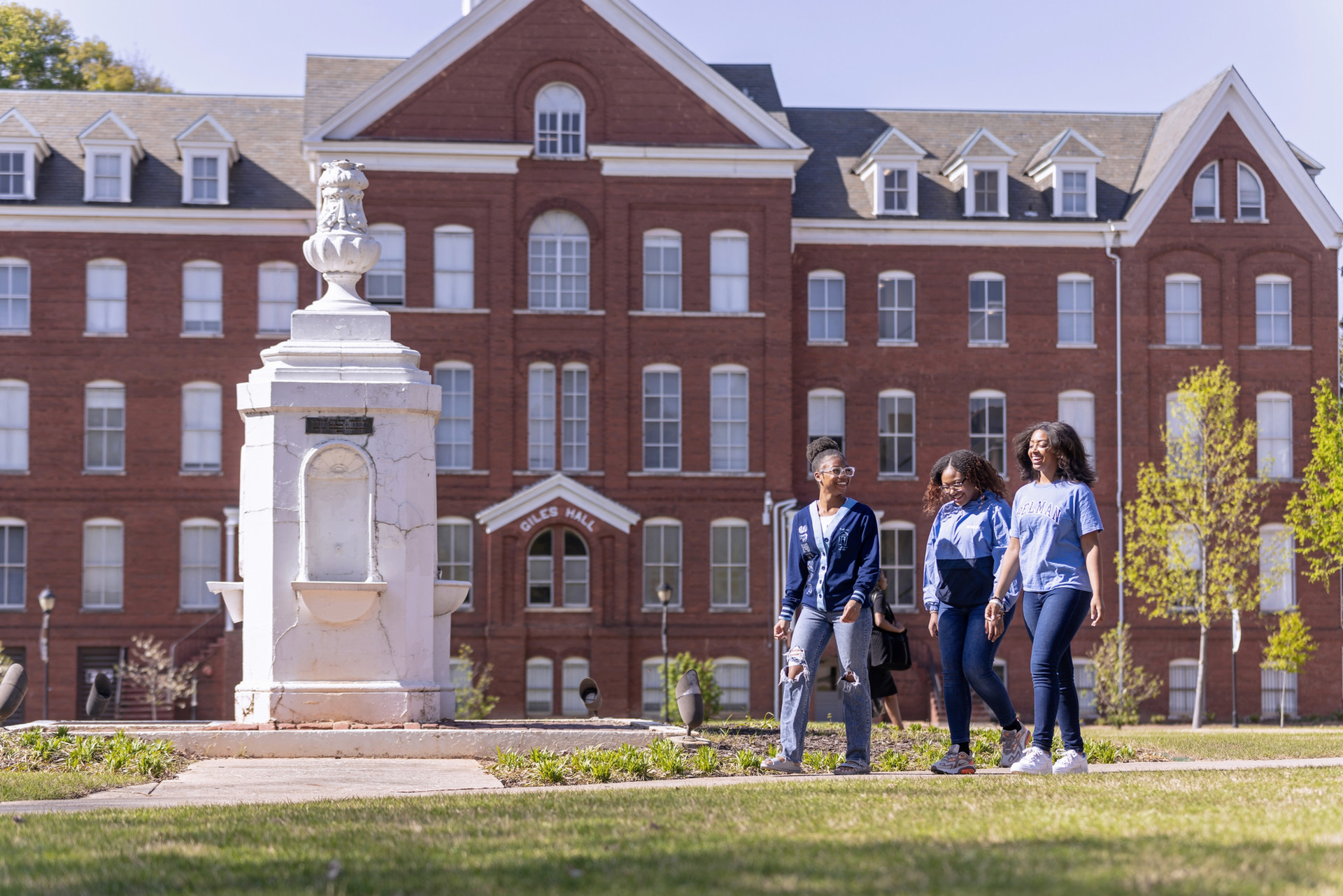
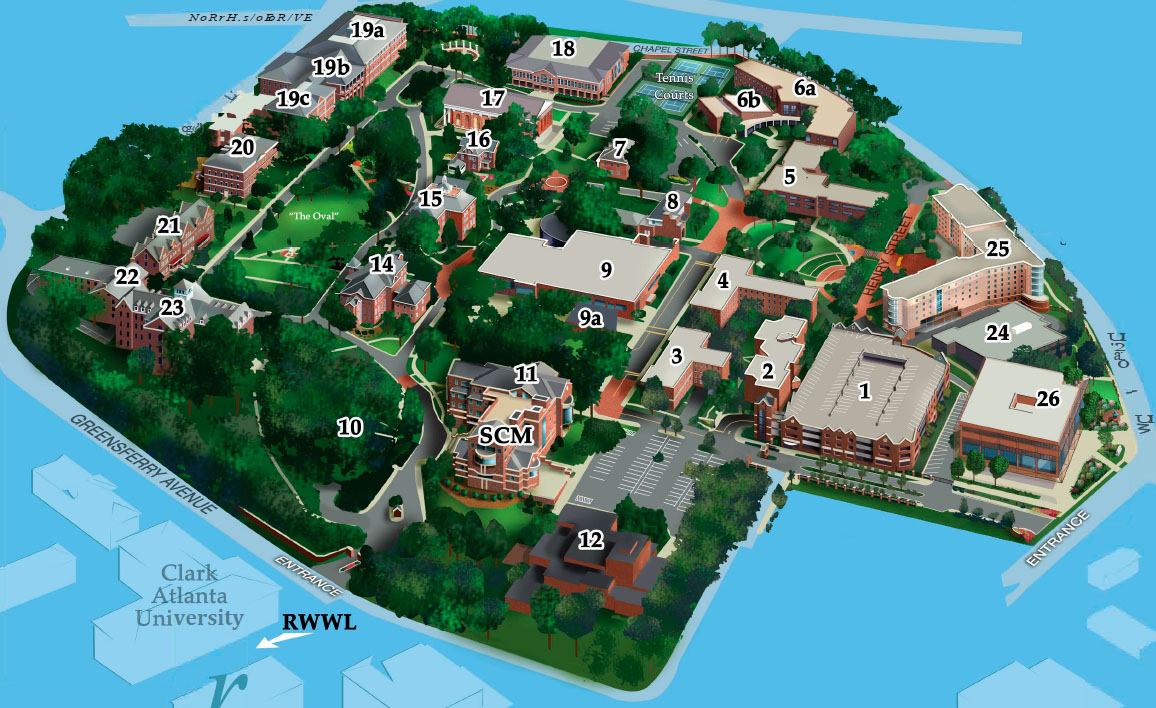
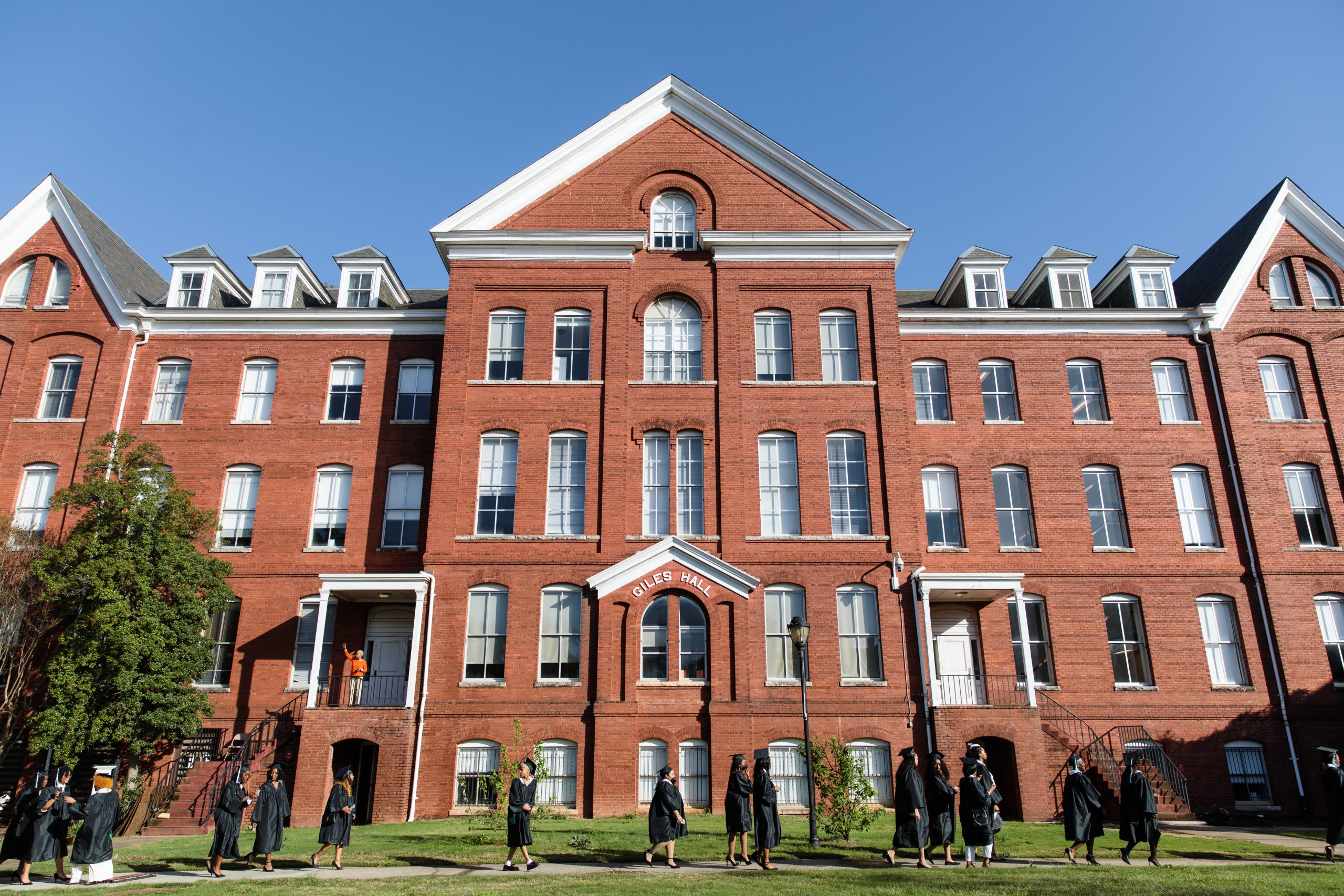
Spelman College seal · sourceVisit Spelman College | Spelman College | Atlanta, GA · sourceSpelman College - Profile, Rankings and Data | US News Best Colleges · sourceGetting To Know: Spelman College (GA) - Educated Quest · source