Loading…
← All schools
The University of Tennessee-Martin
Martin, TNpublicutm.edu
Acceptance
88%
SAT 25–75
970–1210
Avg net price
$10,701
Earnings (10 yr)
$44,213
Graduation rate
53%
Admit rate has ranged 64%–88% over the last 5 years — notably volatile. Source: IPEDS via Urban Institute.
Acceptance & SAT from Common Data Set / IPEDS; net price, earnings & graduation from the U.S. Dept. of Education College Scorecard. Figures lag ~1–2 years — verify with the school.
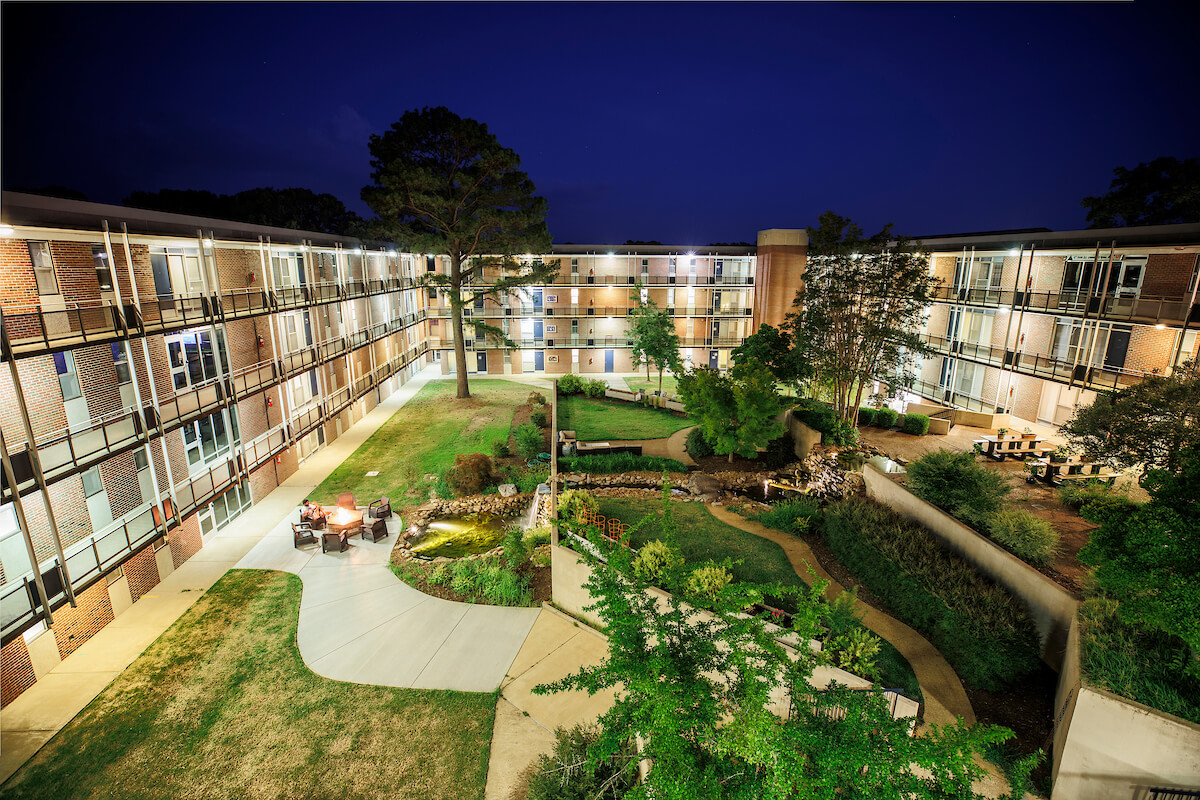
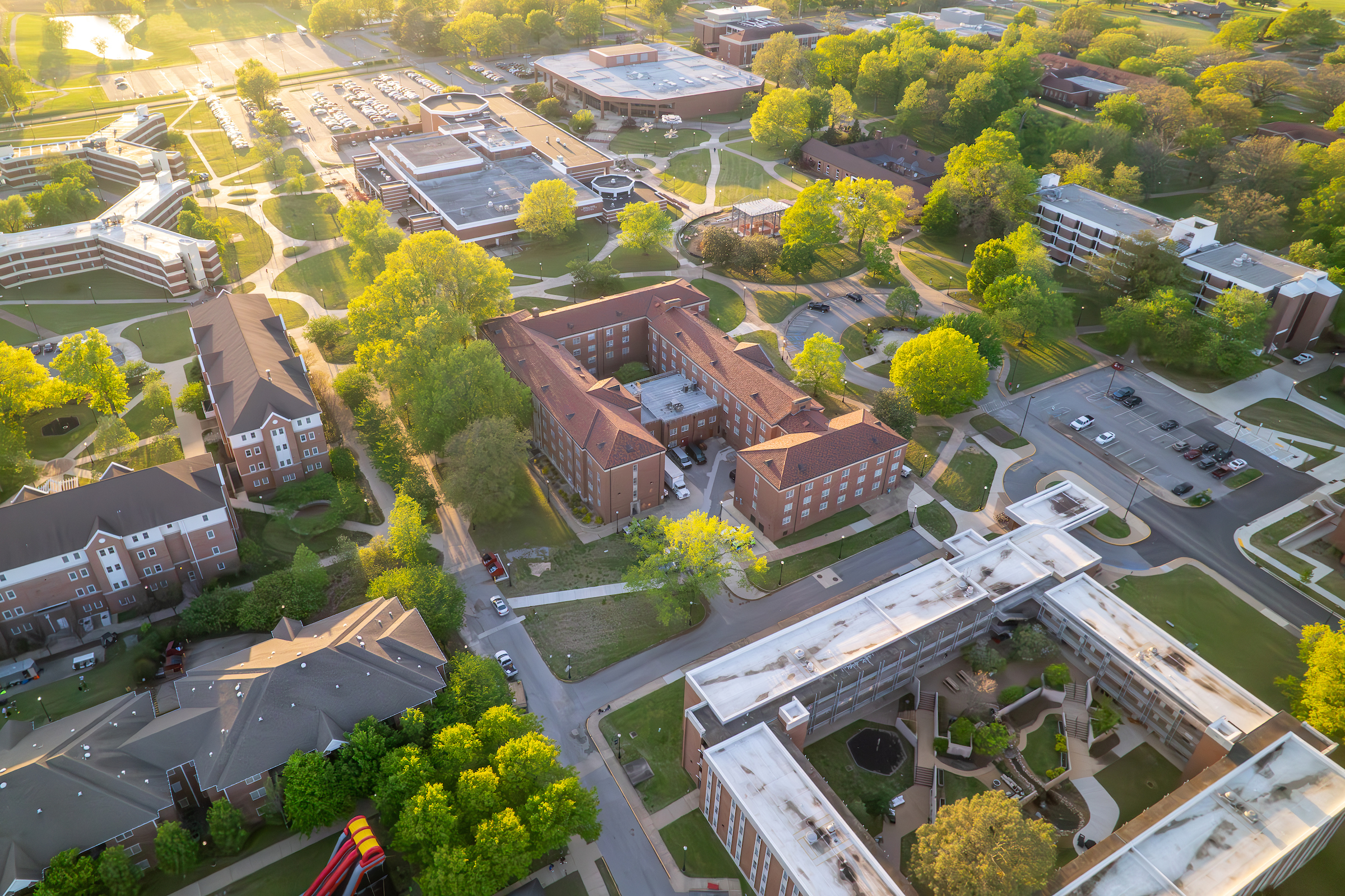
The University of Tennessee at Martin is the public liberal arts campus of the UT system, offering a distinct 'big-school opportunities with a friendly, small-town feel' in rural West Tennessee. It's a practical, accessible institution where over 100 areas of study—with notable strength in agriculture, business, and education—are delivered in small classes, and where the overwhelming majority of students receive financial aid. For many Tennesseans, it serves as a reliable, affordable pathway to a degree, though its graduation rate lags behind national averages.
Admission requirements
Test-optional — scores considered if submitted
Required
- High school transcript
- Grade point average
- College-prep program
- TOEFL (non-native English)
Considered (not required)
- Test scores (SAT/ACT)
Source: IPEDS Admissions survey (2022) via Urban Institute. Covers formal factors only — it does not reflect essays, extracurriculars, or other holistic criteria.
More details
- Undergrad enrollment
- 4,866
- In-state tuition
- $10,560
- Out-of-state tuition
- $16,600
- Graduation Rate
- 53%
- On-Campus Housing
- 38% of students
- Student-Faculty Ratio
- 16:1
- Median Earnings (10yr)
- $44,213
- Classes Under 20 Students
- 58%
- Students Receiving Grant/Scholarship Aid
- 98%
Outcomes & value
Outcomes & value
- Median earnings (10 yr)
- $44,213
- Value (earnings ÷ net price)
- 4.1×
- Median debt at graduation
- $21,024
- Graduation rate
- 53%
- First-year retention
- 77%
- Reducing loan balance (3 yr)
- 55%
- Pell (lower-income) share
- 34%
- First-gen share (among federal-aid recipients)
- 39%
Top-earning majors
Median earnings by field of study (highest credential), ~2 years after completion.
- Registered Nursing, Nursing Administration, Nursing Research and Clinical Nursing$58,549
- Engineering, General$56,415
- Computer Science$47,260
- Accounting and Related Services$44,933
- Finance and Financial Management Services$42,682
- Management Information Systems and Services
Campus & location
Campus safety
- On-campus violent crimes (2024)
- 6
- Per 1,000 students
- 1.08
On-campus criminal offenses classed as violent (murder/non-negligent manslaughter, rape, robbery, aggravated assault) for the most recent reported year. Source: U.S. Dept. of Education Campus Safety and Security (Clery Act). Counts reflect what’s reported to the school, and urban campuses often report more partly due to non-student incidents nearby — read alongside campus size and setting, not as a standalone safety verdict.
Climate
- Pleasant days / yr
- 86
- Summer high
- 88°F
- Winter low
- 34°F
- Annual rain
- 55.4"
- Annual snow
- 4.7"
- Natural-hazard risk
- Relatively Low
Pleasant days counts days per year with a mean temperature of 55–75°F, a high at or below 90°F, a low at or above 45°F, and little precipitation — a transparent comfort measure, not a weighting we invented. Computed from Open-Meteo ERA5 daily history (2019–2023). Natural-hazard risk is the county’s composite rating from the FEMA National Risk Index.
Quick answers
- What is the acceptance rate at The University of Tennessee-Martin?
- The University of Tennessee-Martin's acceptance rate is approximately 88% (Martin, TN), based on the most recent figures we compiled from public and primary sources.
- What SAT score do you need for The University of Tennessee-Martin?
- Admitted students at The University of Tennessee-Martin typically score 970–1210 on the SAT (the middle-50% range). Scores outside this band are still admitted, especially with strong applications.
- How much does The University of Tennessee-Martin cost?
- At The University of Tennessee-Martin, the average net price (after aid) is about $10,701 per year. Actual cost varies with financial aid and residency.
- How many undergraduates attend The University of Tennessee-Martin?
- The University of Tennessee-Martin enrolls approximately 4,866 undergraduate students.
- Where is The University of Tennessee-Martin located?
- The University of Tennessee-Martin is located in Martin, TN.
Admissions
UT Martin's admissions process is transparent and accessible, designed to be a clear pathway for Tennessee students. With an of 88%, the university is broadly accessible, admitting nearly all qualified applicants. The process is largely formulaic: first-year applicants are guaranteed admission if they meet one of two clear benchmarks—a 3.0 high school GPA with a minimum 19 ACT or 900 SAT, or a 2.7 GPA with a 21 ACT or 1080 SAT. For those who don't hit these marks, a is conducted. The middle 50% SAT range for admitted students who submit scores is 970–1210. The university does not have a binding Early Decision program; all sources reference regular decision timelines. Notably, the admissions office does not appear to factor 'demonstrated interest' into its decisions—a practice common at more selective schools but not here, where meeting the academic benchmarks is the primary gatekeeper.
Compare The University of Tennessee-Martin
vs Morehead State Universityvs Jacksonville State Universityvs University of New Orleansvs Southern Arkansas University Main Campus
See colleges similar to The University of Tennessee-Martin →Sources
- Statistical Reports | UT Martin
- Common Data Set - Institutional Research and Strategic Analysis
- [PDF] Common Data Set 2024-2025
- Common Data Set: Home
- How To Use a Common Data Set - The College Solution
- [PDF] Common Data Set: 2023-2024
- University of Tennessee at Martin SAT Scores and GPA - PrepScholar
- First-Year Applicants | UT Martin
- The University of Tennessee at Martin Admissions
- University Of Tennessee Martin - BigFuture College Search