Admit rate has ranged 22%–60% over the last 5 years — notably volatile. Source: IPEDS via Urban Institute.
Acceptance & SAT from Common Data Set / IPEDS; net price, earnings & graduation from the U.S. Dept. of Education College Scorecard. Figures lag ~1–2 years — verify with the school.
Trine University-Regional/Non-Traditional Campuses is a career-focused, access-oriented institution that prioritizes outcomes over prestige. It serves a predominantly non-traditional student body through flexible online and regional campus formats, with a pragmatic admissions process that doesn't require standardized tests. The university's identity is built on a near-perfect job placement record for its graduates, particularly in engineering, business, and health sciences, delivered at a relatively affordable net price.
Admission requirements
Test-blind — scores not considered
Required
Grade point average
TOEFL (non-native English)
Considered (not required)
Letters of recommendation
Source: IPEDS Admissions survey (2022) via Urban Institute. Covers formal factors only — it does not reflect essays, extracurriculars, or other holistic criteria.
More details
Undergrad enrollment
607
In-state tuition
$7,176
Out-of-state tuition
$7,176
Academic Focus
Engineering, Business, Health Sciences
Retention Rate
100%
Graduation Rate
0%
Key Placement Rate
99.2% employed within 6 months (Class of 2025)
Median Earnings (10yr)
$57,165
Outcomes & value
Outcomes & value
Median earnings (10 yr)
$57,165
Value (earnings ÷ net price)
3.6×
Median debt at graduation
$25,000
Graduation rate
—
First-year retention
100%
Reducing loan balance (3 yr)
63%
Pell (lower-income) share
18%
First-gen share (among federal-aid recipients)
32%
Top-earning majors
Median earnings by field of study (highest credential), ~2 years after completion.
Business Administration, Management and Operations$47,729
Accounting and Related Services$47,260
Marketing$46,478
Criminal Justice and Corrections$32,071
Psychology, General$28,753
Campus & location
Campus safety
On-campus violent crimes (2024)
0
Per 1,000 students
0.00
On-campus criminal offenses classed as violent (murder/non-negligent manslaughter, rape, robbery, aggravated assault) for the most recent reported year. Source: U.S. Dept. of Education Campus Safety and Security (Clery Act). Counts reflect what’s reported to the school, and urban campuses often report more partly due to non-student incidents nearby — read alongside campus size and setting, not as a standalone safety verdict.
Climate
Pleasant days / yr
93
Summer high
80°F
Winter low
23°F
Annual rain
38.6"
Annual snow
31.7"
Natural-hazard risk
Very Low
Pleasant days counts days per year with a mean temperature of 55–75°F, a high at or below 90°F, a low at or above 45°F, and little precipitation — a transparent comfort measure, not a weighting we invented. Computed from Open-Meteo ERA5 daily history (2019–2023). Natural-hazard risk is the county’s composite rating from the FEMA National Risk Index.
Quick answers
What is the acceptance rate at Trine University-Regional/Non-Traditional Campuses?
Trine University-Regional/Non-Traditional Campuses's acceptance rate is approximately 40% (Angola, IN), based on the most recent figures we compiled from public and primary sources.
How much does Trine University-Regional/Non-Traditional Campuses cost?
At Trine University-Regional/Non-Traditional Campuses, the average net price (after aid) is about $15,788 per year. Actual cost varies with financial aid and residency.
How many undergraduates attend Trine University-Regional/Non-Traditional Campuses?
Trine University-Regional/Non-Traditional Campuses enrolls approximately 607 undergraduate students.
Where is Trine University-Regional/Non-Traditional Campuses located?
Trine University-Regional/Non-Traditional Campuses is located in Angola, IN.
Admissions
Admissions at Trine University-Regional/Non-Traditional Campuses are designed for accessibility, reflecting its mission to serve working adults and non-traditional students. The institution reports an of 40%, positioning it as a moderately selective option within its niche. Notably, the campus does not require admission test scores (SAT/ACT) for consideration, removing a significant barrier for applicants who may be years removed from traditional academic testing. While a initiative exists as a collaborative effort for data standardization, specific details on factors like demonstrated interest for this campus are not detailed in the provided sources. The process appears streamlined and focused on actionable applications rather than hyper-competitive screening.
Academics are unapologetically career-focused, built around associate and bachelor's degree programs designed to translate directly into employment. The curriculum is organized through five academic schools offering over 35 majors and 40 minors, with particular strength in accredited engineering (ABET) and education (CAEP) programs. Popular majors cluster in engineering and computing, business, and health sciences and professions. The model emphasizes practical knowledge and support, with the university promoting resources like free tutoring and smaller class sizes to foster student success. While a student-faculty ratio is cited for the main campus, the regional/non-traditional format prioritizes flexible, expert-led instruction tailored to students balancing education with other responsibilities.
Earnings = median of students working ~10 years after entry; debt = median of graduates. Value divides 10-yr earnings by one year’s net price — read it as earnings per dollar of annual cost, not a full lifetime ROI; it favors lower-cost schools. Source: U.S. Dept. of Education College Scorecard. Figures lag ~2 years and reflect all students, not your intended major.
Source: U.S. Dept. of Education College Scorecard (field-of-study earnings). Figures cover graduates who received federal aid and lag ~2 years; not all programs report data.
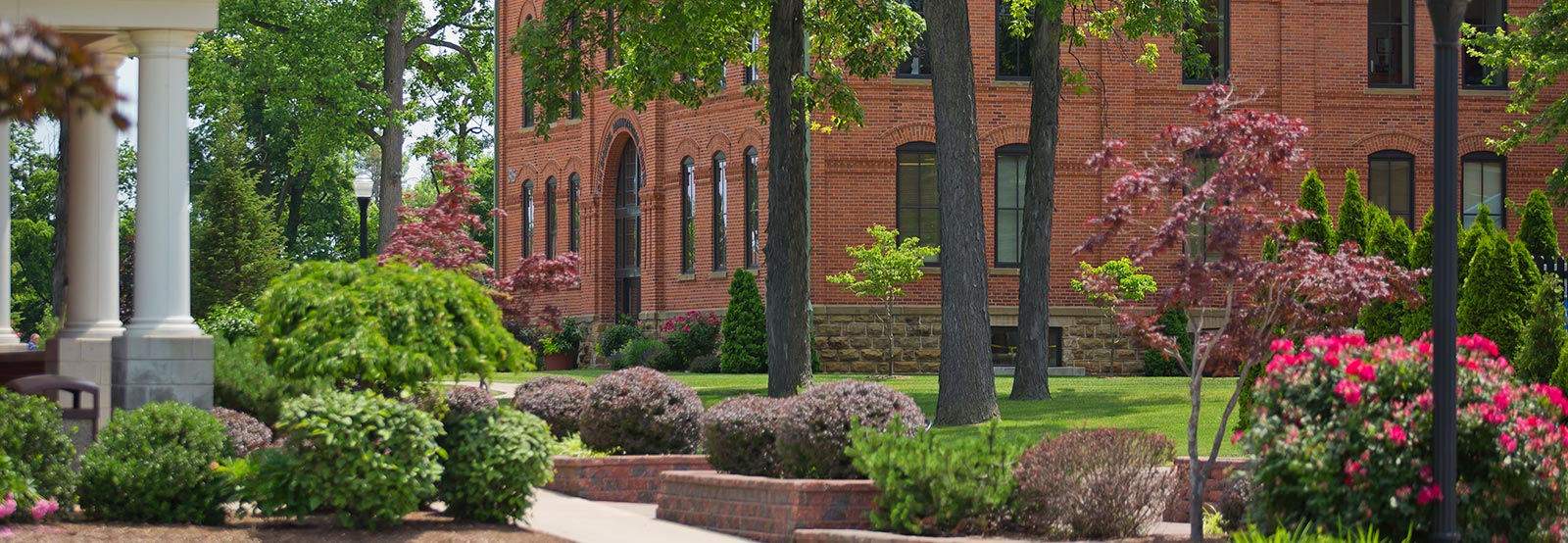
Student life for the regional and non-traditional campus population is inherently different from a residential college experience. The primary campus in Angola, Indiana, spans 450 acres and has undergone significant transformation with new athletic facilities, student living spaces, and amenities. However, for students enrolled through these alternative campuses, involvement is likely more community-oriented and digitally facilitated. The university fosters an unpretentious, supportive community where people are noted to look out for each other. While there are "many ways to get involved on campus," the life of a regional/online student is centered on integrating education into an existing professional and personal routine, leveraging the university's network and support services from a distance.
Outcomes are the undisputed cornerstone of Trine's value proposition. The data tells a compelling story: median earnings 10 years after entry are $57,165. Most strikingly, the university reports a near-perfect employment record for its traditional residential graduates, with 99.2% of the Class of 2025 obtaining their desired career outcome within six months of graduation—a trend sustained for 13 consecutive years. For the regional/non-traditional cohort, a retention rate of 100% is reported, though the four-year graduation rate for first-time, full-time students is noted as a weakness (0%). The overwhelming focus is on job placement and earning potential, metrics where Trine consistently delivers for its graduates.
Trine University-Regional/Non-Traditional Campuses positions itself as an affordable investment. The average after aid is $15,788. The university provides a Net Price Calculator to help prospective students estimate costs and emphasizes maximizing financial aid options through scholarships, grants, and personalized guidance. Need-based assistance is available to qualified students who file the FAFSA. While specific policies like "meeting full need" or a "no-loan" policy are not detailed for this campus in the provided sources, the Office of Financial Aid is structured to assist with scholarships, grants, loans, and other options. The value is framed as a return on investment, with the moderate net price weighed against the high likelihood of strong post-graduation earnings.
Trine University-Regional/Non-Traditional Campuses stands out for its ruthless pragmatism. It rejects the elite model of hyper-selectivity and instead builds its reputation on a simple, powerful guarantee: employability. Its 99%+ job placement rate is not an aspiration but a reported, multi-year outcome. This is achieved through a no-frills, career-focused curriculum in high-demand fields like engineering and health sciences, delivered via flexible formats that serve non-traditional students. It’s a university that asks not for your SAT scores, but for your commitment, and in return provides a direct, supported pathway to a paycheck. In a landscape often obsessed with rankings and prestige, Trine’s regional campuses offer a compelling alternative: a solid return on investment, defined not by the selectivity of its admissions but by the success of its graduates.