Admit rate has ranged 60%–95% over the last 5 years — notably volatile. Source: IPEDS via Urban Institute.
Acceptance & SAT from Common Data Set / IPEDS; net price, earnings & graduation from the U.S. Dept. of Education College Scorecard. Figures lag ~1–2 years — verify with the school.
Xavier University of Louisiana isn't just another HBCU; it's a singular, mission-driven powerhouse in New Orleans that punches far above its weight in the sciences. Founded by Saint Katharine Drexel and the Sisters of the Blessed Sacrament, XULA has carved out a national reputation as the undisputed leader in producing African American graduates in the biomedical and physical sciences. The vibe is intensely focused and communal, where a required core curriculum grounds students in the liberal arts before they dive into notoriously challenging STEM programs that feed directly into top medical and graduate schools.
Admission requirements
Test-optional — scores considered if submitted
Required
High school transcript
Grade point average
Letters of recommendation
College-prep program
TOEFL (non-native English)
Considered (not required)
Class rank
Test scores (SAT/ACT)
Source: IPEDS Admissions survey (2022) via Urban Institute. Covers formal factors only — it does not reflect essays, extracurriculars, or other holistic criteria.
More details
Undergrad enrollment
2,628
In-state tuition
$28,733
Out-of-state tuition
$28,733
Top Major
Biological & Biomedical Sciences (34%)
Graduation Rate
49%
Student-Faculty Ratio
15:1
Median Earnings (10yr)
$52,184
First-Year Retention Rate
70%
Regular Application Deadline
July 1
Outcomes & value
Outcomes & value
Median earnings (10 yr)
$52,184
Value (earnings ÷ net price)
3.0×
Median debt at graduation
$24,053
Graduation rate
49%
First-year retention
72%
Reducing loan balance (3 yr)
53%
Pell (lower-income) share
54%
First-gen share (among federal-aid recipients)
27%
Financial health
2.4 / 3.0Meets the federal financial-responsibility standard
U.S. Dept. of Education Financial Responsibility Composite Score (FY2022-23). Scale −1.0 to 3.0; ≥1.5 meets the standard. Reported for private nonprofit & for-profit institutions only — public universities are state-backed and not scored, so this is a stability signal, not a ranking.
Top-earning majors
Median earnings by field of study (highest credential), ~2 years after completion.
Business Administration, Management and Operations$28,236
Public Health$27,669
Chemistry$26,353
Psychology, General$24,863
Biology, General$24,164
Sociology$23,649
Source: U.S. Dept. of Education College Scorecard (field-of-study earnings). Figures cover graduates who received federal aid and lag ~2 years; not all programs report data.
Campus & location
Campus safety
On-campus violent crimes (2024)
3
Per 1,000 students
0.95
On-campus criminal offenses classed as violent (murder/non-negligent manslaughter, rape, robbery, aggravated assault) for the most recent reported year. Source: U.S. Dept. of Education Campus Safety and Security (Clery Act). Counts reflect what’s reported to the school, and urban campuses often report more partly due to non-student incidents nearby — read alongside campus size and setting, not as a standalone safety verdict.
Climate
Pleasant days / yr
113
Summer high
88°F
Winter low
51°F
Annual rain
67.6"
Natural-hazard risk
Relatively High
Pleasant days counts days per year with a mean temperature of 55–75°F, a high at or below 90°F, a low at or above 45°F, and little precipitation — a transparent comfort measure, not a weighting we invented. Computed from Open-Meteo ERA5 daily history (2019–2023). Natural-hazard risk is the county’s composite rating from the FEMA National Risk Index.
Deep dive — research, future-scholar output & economic mobility▾
Research output
Institutional h-index
146
Scholarly works
2,868
Institutional research volume and impact from OpenAlex. The h-index reflects large research universities and will be low for teaching-focused liberal-arts colleges — not a measure of undergraduate quality.
Economic mobility
Mobility rate
5.3%
Bottom → top quintile
31%
From bottom quintile
17%
Mobility rate = the share of students who both start in the bottom household-income quintile and reach the top quintile; bottom → top is that chance conditional on starting at the bottom. Source: Opportunity Insights Mobility Report Cards (Chetty, Friedman, Saez, Turner & Yagan). Reflects 1980–82 birth cohorts, so it’s directional, not current.
Quick answers
What is the acceptance rate at Xavier University of Louisiana?
Xavier University of Louisiana's acceptance rate is approximately 69% (New Orleans, LA), based on the most recent figures we compiled from public and primary sources.
What SAT score do you need for Xavier University of Louisiana?
Admitted students at Xavier University of Louisiana typically score 950–1113 on the SAT (the middle-50% range). Scores outside this band are still admitted, especially with strong applications.
How much does Xavier University of Louisiana cost?
At Xavier University of Louisiana, the average net price (after aid) is about $17,127 per year. Actual cost varies with financial aid and residency.
How many undergraduates attend Xavier University of Louisiana?
Xavier University of Louisiana enrolls approximately 2,628 undergraduate students.
Where is Xavier University of Louisiana located?
Xavier University of Louisiana is located in New Orleans, LA.
Admissions
Xavier's admissions process is best described as accessible but discerning. With a 69% , the door is open to a broad applicant pool, but the university is clearly looking for students prepared for its rigorous coursework. The middle 50% SAT range for admitted students is 950–1113, and the ACT range is 19–24. Academic preparation is paramount: last year's incoming freshman class had an average high school GPA of 3.67 and an average test score of 22 ACT or 1100 SAT. The university is , allowing students to choose whether to submit SAT or ACT scores. The regular application deadline is July 1, offering flexibility for late decisions. While the outlines the factors considered in admissions, Xavier's public messaging emphasizes academic record and readiness above all else for its first-time freshmen.
Academics at Xavier are defined by a potent combination of a broad liberal arts foundation and deep, pre-professional strength in the sciences. Every student completes a substantial 40-hour core curriculum, ensuring a well-rounded education. However, the university's national identity is built on its extraordinary output in STEM and health fields. It is ranked #1 in the nation for awarding bachelor's degrees to African American students in the biomedical sciences, the physical sciences, and physics. This reputation is reflected in the most popular majors for recent graduates: Biological and Biomedical Sciences (34%), Health Professions and Related Programs (17%), Psychology (12%), and Business. The theology program, in keeping with the university's Catholic heritage, also prepares students for academic, professional, and service opportunities. Resources are recognized as strong, particularly in STEM, supporting students through what are widely described as challenging classes. The progressive degree programs are designed to create a natural synergy between academic exploration and career readiness.
Earnings = median of students working ~10 years after entry; debt = median of graduates. Value divides 10-yr earnings by one year’s net price — read it as earnings per dollar of annual cost, not a full lifetime ROI; it favors lower-cost schools. Source: U.S. Dept. of Education College Scorecard. Figures lag ~2 years and reflect all students, not your intended major.
Life on Xavier's campus in New Orleans is a vibrant blend of tradition, faith, culture, and the unique energy of the city itself. The Office of Student Affairs and Student Services provides a framework for a transformative campus experience. Students are encouraged to get involved in a wide array of campus traditions, events, and groups that balance rigorous coursework with social and recreational time. Campus life includes:
Arts & Culture and Faith: Activities that reflect the university's heritage and the rich cultural tapestry of New Orleans.
Athletics & Recreation: NCAA Division I athletics (competing in the Gulf Coast Athletic Conference), a fitness center, and club sports.
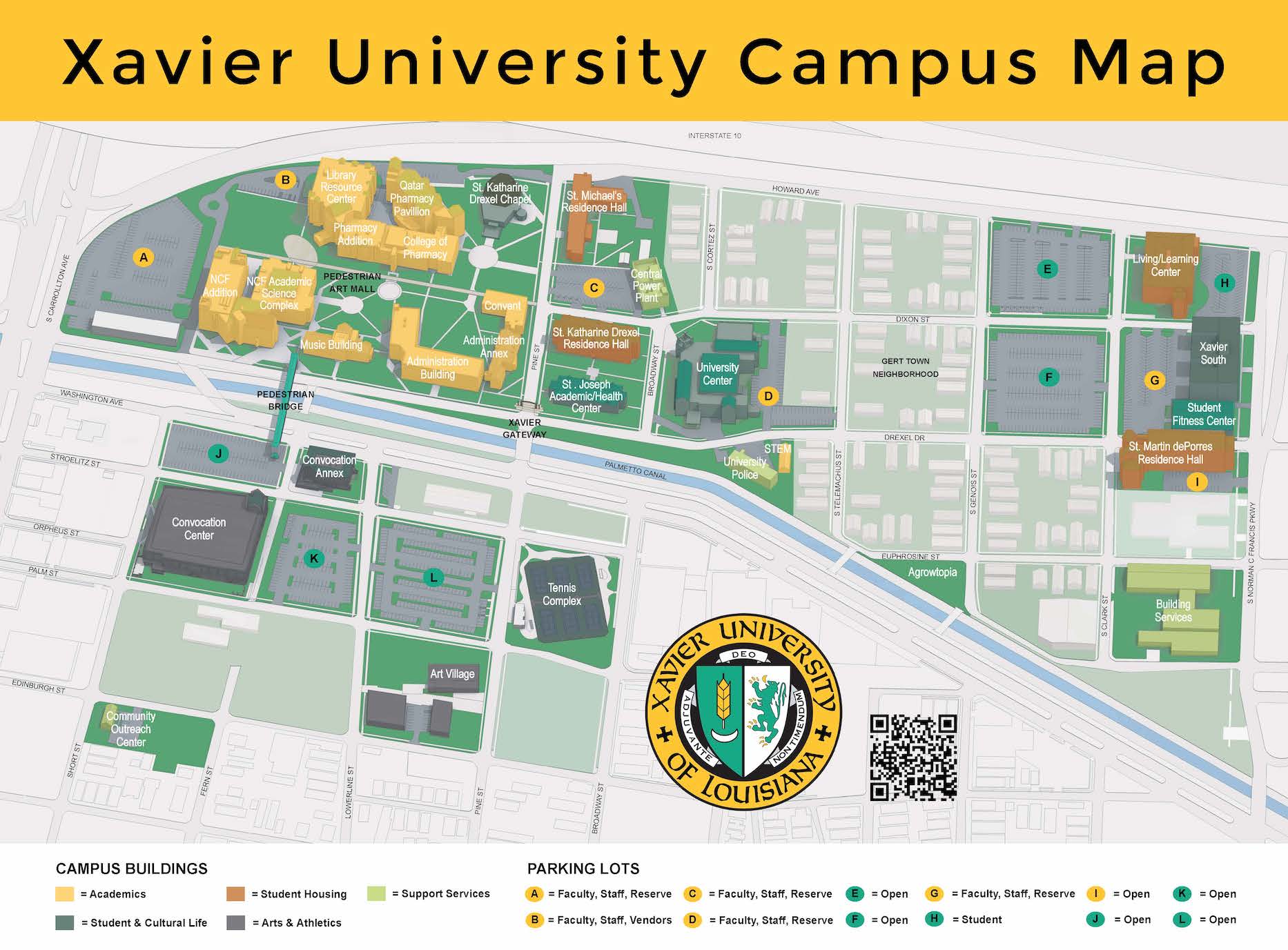
Campus Dining and the University Center: The central hub for student activity at 4955 Drexel Drive.
The university explicitly aims to provide a mix of cultural, educational, social, and recreational programs to create a complete academic and personal experience, equipping students for success both on campus and after graduation.
Xavier's outcomes tell a story of significant impact, particularly in launching graduates into high-demand STEM and healthcare fields. The university reports a strong 93% placement rate for its graduates. While the six-year graduation rate has historically been around 49-50%, institutional data notes that rates have consistently trended upward. The first-year retention rate is 70%, indicating that students who persist find the academic and community support they need. The payoff for that persistence is clear in career trajectories: Xavier graduates have median early-career pay reported at $56,700. This success contributes to the university's high national ranking among HBCUs, recently earning the No. 4 spot. The core mission—producing leaders in science and health—is undeniably being achieved, with alumni moving on to medical schools, graduate programs, and professional careers at notable rates.
Making a Xavier education financially accessible is a clear priority, with a that is notably below the national average for four-year colleges. The average net price after aid and scholarships is $17,127. This cost is achieved through a robust financial aid program. Students typically receive a combination of federal, state, and institutional grant aid. The average aid awards include Federal Grant Aid ($7,158), State Grant Aid ($6,359), and Institution Grant Aid ($16,722). The average Pell Grant amount is $6,836. The university encourages all students to use its official Net Price Calculator for the best estimate of individual costs and directs them to the Financial Aid Office, which can be contacted at 504-520-7835 or [email protected], to determine their financial assistance package.
Xavier University of Louisiana stands out not for ivy-covered exclusivity, but for its unparalleled, mission-locked effectiveness. It is a unique institution where a historically Black, Catholic identity fuels a specific, world-class academic outcome. No other university in the country comes close to its record of producing African American graduates in the biomedical and physical sciences. This isn't a happy accident; it's the result of a deliberate, supportive, and demanding culture that The Princeton Review notes for its "challenging classes" and "academic resources." The required core curriculum ensures every student, regardless of major, receives a grounded liberal arts education. Located in New Orleans, it offers a vibrant, culturally rich setting that complements its intense academic focus. For a student aspiring to a career in medicine, pharmacy, research, or the sciences, XULA isn't just a college—it's a proven pipeline and a powerful community dedicated to that singular goal.
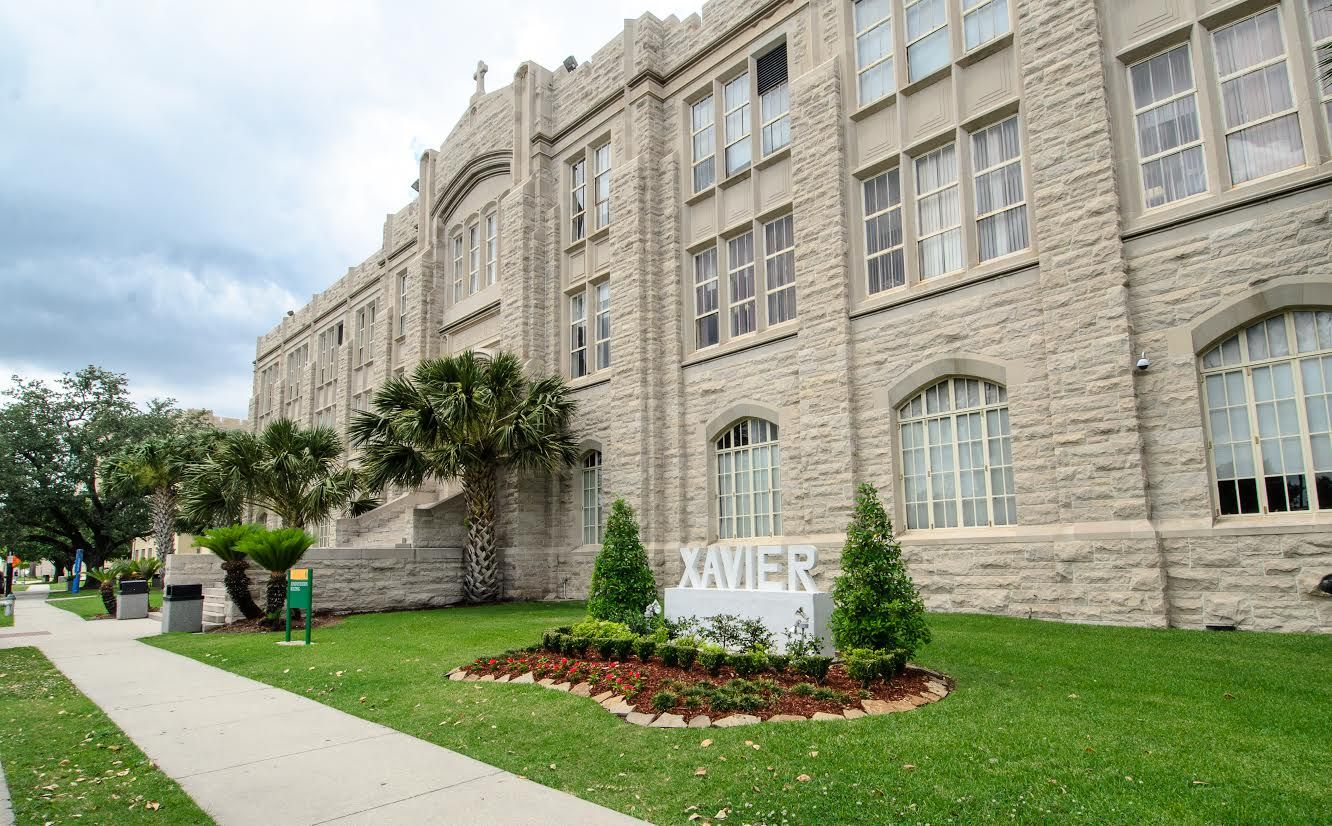
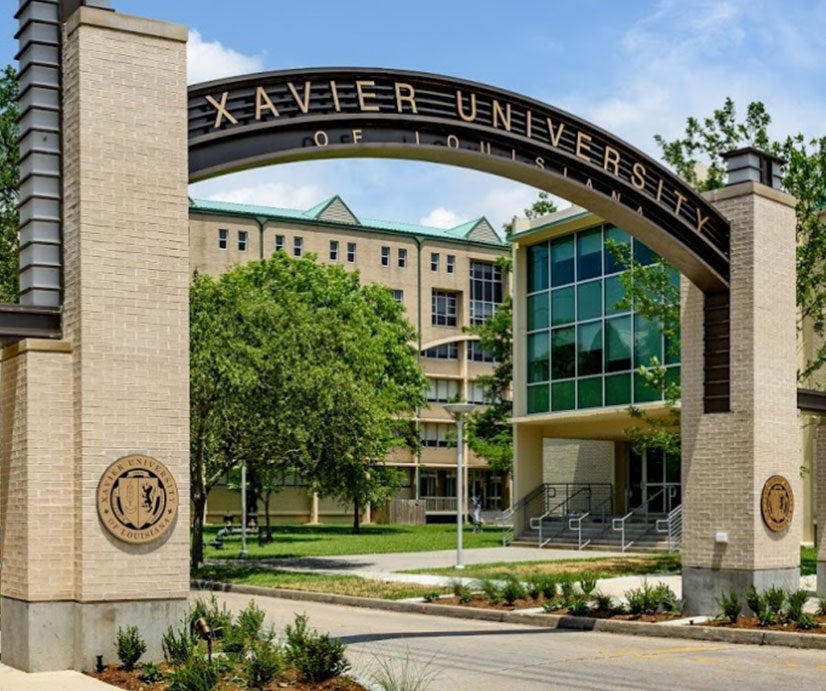
Xavier University of Louisiana seal · sourceCampus Map | Xavier University of Louisiana · sourceSchedule a Campus Visit (Undergraduate Students) | Xavier University of Louisiana · sourceExplore HBCU - Xavier University of Louisiana - FindMyHBCU · source