Admit rate has ranged 59%–96% over the last 5 years — notably volatile, though the latest figure above (58%) falls outside that window. Source: IPEDS via Urban Institute.
Acceptance & SAT from Common Data Set / IPEDS; net price, earnings & graduation from the U.S. Dept. of Education College Scorecard. Figures lag ~1–2 years — verify with the school.
East Central University in Ada, Oklahoma, is a public regional university that defines itself by accessibility, practicality, and community. It serves as a crucial educational and economic engine for southeastern Oklahoma, offering a straightforward path to a degree through a selective but attainable admissions process and a curriculum anchored in high-demand fields like nursing, business, and kinesiology. The campus vibe is commuter-heavy and hands-on, where involvement in over 35 student organizations provides the social glue, and the low net price is a defining feature as much as any academic program.
Admission requirements
Test-optional — scores considered if submitted
Required
High school transcript
Grade point average
Class rank
TOEFL (non-native English)
Considered (not required)
Test scores (SAT/ACT)
Source: IPEDS Admissions survey (2022) via Urban Institute. Covers formal factors only — it does not reflect essays, extracurriculars, or other holistic criteria.
More details
Undergrad enrollment
2,467
In-state tuition
$8,032
Out-of-state tuition
$17,842
Graduation Rate
34%
On-Campus Housing
32%
Student Organizations
35+
Student-Faculty Ratio
16:1
Median Earnings (10yr)
$44,962
Outcomes & value
Outcomes & value
Median earnings (10 yr)
$44,962
Value (earnings ÷ net price)
5.2×
Median debt at graduation
$17,671
Graduation rate
34%
First-year retention
61%
Reducing loan balance (3 yr)
48%
Pell (lower-income) share
45%
First-gen share (among federal-aid recipients)
46%
Top-earning majors
Median earnings by field of study (highest credential), ~2 years after completion.
Registered Nursing, Nursing Administration, Nursing Research and Clinical Nursing$60,024
Computer and Information Sciences, General$57,318
Liberal Arts and Sciences, General Studies and Humanities$42,682
Mathematics$37,980
Teacher Education and Professional Development, Specific Subject Areas$37,208
Business Administration, Management and Operations
Campus & location
Campus safety
On-campus violent crimes (2024)
0
Per 1,000 students
0.00
On-campus criminal offenses classed as violent (murder/non-negligent manslaughter, rape, robbery, aggravated assault) for the most recent reported year. Source: U.S. Dept. of Education Campus Safety and Security (Clery Act). Counts reflect what’s reported to the school, and urban campuses often report more partly due to non-student incidents nearby — read alongside campus size and setting, not as a standalone safety verdict.
Climate
Pleasant days / yr
90
Summer high
92°F
Winter low
36°F
Annual rain
40"
Annual snow
5.4"
Natural-hazard risk
Relatively Low
Pleasant days counts days per year with a mean temperature of 55–75°F, a high at or below 90°F, a low at or above 45°F, and little precipitation — a transparent comfort measure, not a weighting we invented. Computed from Open-Meteo ERA5 daily history (2019–2023). Natural-hazard risk is the county’s composite rating from the FEMA National Risk Index.
Deep dive — research, future-scholar output & economic mobility▾
Research output
Institutional h-index
49
Scholarly works
853
Institutional research volume and impact from OpenAlex. The h-index reflects large research universities and will be low for teaching-focused liberal-arts colleges — not a measure of undergraduate quality.
Quick answers
What is the acceptance rate at East Central University?
East Central University's acceptance rate is approximately 58% (Ada, OK), based on the most recent figures we compiled from public and primary sources.
What SAT score do you need for East Central University?
Admitted students at East Central University typically score 900–1120 on the SAT (the middle-50% range). Scores outside this band are still admitted, especially with strong applications.
How much does East Central University cost?
At East Central University, the average net price (after aid) is about $8,683 per year. Actual cost varies with financial aid and residency.
How many undergraduates attend East Central University?
East Central University enrolls approximately 2,467 undergraduate students.
Where is East Central University located?
East Central University is located in Ada, OK.
Admissions
East Central University operates a selective but accessible admissions process, where over half of all applicants are admitted. The university provides clear, objective criteria for automatic admission, centering on a combination of GPA and test scores. To gain entry, a freshman applicant must meet one of the following benchmarks: an unweighted high school GPA of 2.7 or higher, a passing score on the GED or HiSET, an ACT composite score of 20 or higher, or an SAT score of 1030 or higher.
For the admitted class, standardized test scores typically fall within a broad middle range. Sources report an SAT middle 50% range between 900–1120 (with critical reading 370–430 and math 480–590) and a corresponding ACT range of 17–22. While the average high school GPA for admitted students is reported as 3.36, the automatic admission threshold is deliberately set lower to provide a clear target. The process appears formula-driven, with no indication from available sources that the university employs an Early Decision program or considers demonstrated interest as a factor in admissions decisions.
Earnings = median of students working ~10 years after entry; debt = median of graduates. Value divides 10-yr earnings by one year’s net price — read it as earnings per dollar of annual cost, not a full lifetime ROI; it favors lower-cost schools. Source: U.S. Dept. of Education College Scorecard. Figures lag ~2 years and reflect all students, not your intended major.
$33,281
Criminal Justice and Corrections$32,770
Social Work$32,569
Source: U.S. Dept. of Education College Scorecard (field-of-study earnings). Figures cover graduates who received federal aid and lag ~2 years; not all programs report data.
ECU’s academic identity is pragmatic and career-oriented, structured through its colleges and schools. The curriculum is designed to serve regional workforce needs, with a particular emphasis on health professions, business, and education. The most popular majors, by number of graduates, are a telling snapshot:
Kinesiology and Exercise Science
Psychology
Nursing
Biology
Business
The university itself highlights particular strengths in business, art, English, history, mass communications, psychology, and biology. Programs span from traditional liberal arts to pre-professional tracks like the Bachelor of Science in Biology with a Medical Lab Science concentration. The student-faculty ratio is 16:1, suggesting moderately sized classes rather than massive lectures. This is not a university known for obscure humanities majors or cutting-edge graduate research; instead, it focuses on delivering solid, applicable undergraduate degrees that lead directly to jobs in Oklahoma and beyond.
Student life at ECU is largely shaped by its commuter population. Only 32% of students live in college-owned, -operated, or -affiliated housing, meaning the majority—68%—live off-campus. This creates a dynamic where the campus can feel quiet during evenings and weekends, and student engagement is often intentional rather than constant.
To foster community, the university supports over 35 student organizations, run through the Office of Campus Involvement. These range from academic and service clubs to special interest and religious groups. A key driver of campus events is the student-led Campus Activities Board (CAB), which is dedicated to planning and hosting major campus activities. The vibe is not one of rah-rah school spirit or entrenched Greek life dominance, but of a close-knit, DIY involvement scene where students who seek out connections can easily find them through clubs and campus events.
Outcomes data paints a picture of a university serving a population where degree completion can be a challenge, but which provides a solid return on investment for those who graduate. The graduation rate is 34%, a figure that reflects the challenges faced by its largely commuter and likely student body.
For those who do earn their degree, the financial payoff is tangible. Sources report a median salary for graduates six years after entry of $40,677, with other estimates placing average earnings near $42,739. The university publishes student outcomes information, including graduation rates, retention rates, and graduate survey reports, as part of its consumer information. The narrative here is one of value: the degree, particularly in high-demand fields like nursing, opens doors to stable, middle-class careers in the region, even if the path to completion is not always linear.
Affordability is arguably ECU's most compelling feature. The average net price after aid is $8,683, making it one of the most cost-effective four-year degree options in the region. A vast majority—91% of full-time undergraduates—receive some form of financial aid.
The financial aid office emphasizes that aid is intended to help cover the "low cost of education at East Central." Aid packages typically include a mix of grants, scholarships, and loans. The university offers its own scholarships, such as the Teacher's Promise Scholarship (up to $6,000) and a $1,000 tuition waiver for transfer students. Need-based and non-need-based federal loans are available to students enrolled at least half-time. There is no indication in the provided sources that ECU has a "no-loan" policy or commits to meeting 100% of demonstrated financial need without loans; instead, its appeal is rooted in a low sticker price that minimizes borrowing in the first place.
East Central University stands out not for prestige or selectivity, but for its unwavering role as an engine of opportunity in southeastern Oklahoma. It excels at providing a clear, no-frills pathway to a relevant bachelor's degree at a that doesn't cripple graduates with debt. Its identity is cemented in practical programs—nursing, kinesiology, business—that are directly tied to stable careers in the area. The campus culture is shaped by its commuter reality, making it a place for students who are often balancing work, family, and school. There's a straightforward honesty to ECU: it sets clear admissions benchmarks, highlights its cost advantage, and focuses on producing employable graduates. For students in the region seeking a traditional college experience on a commuter scale, or for any student prioritizing extreme affordability and career-focused academics, ECU represents a compelling and sensible choice.
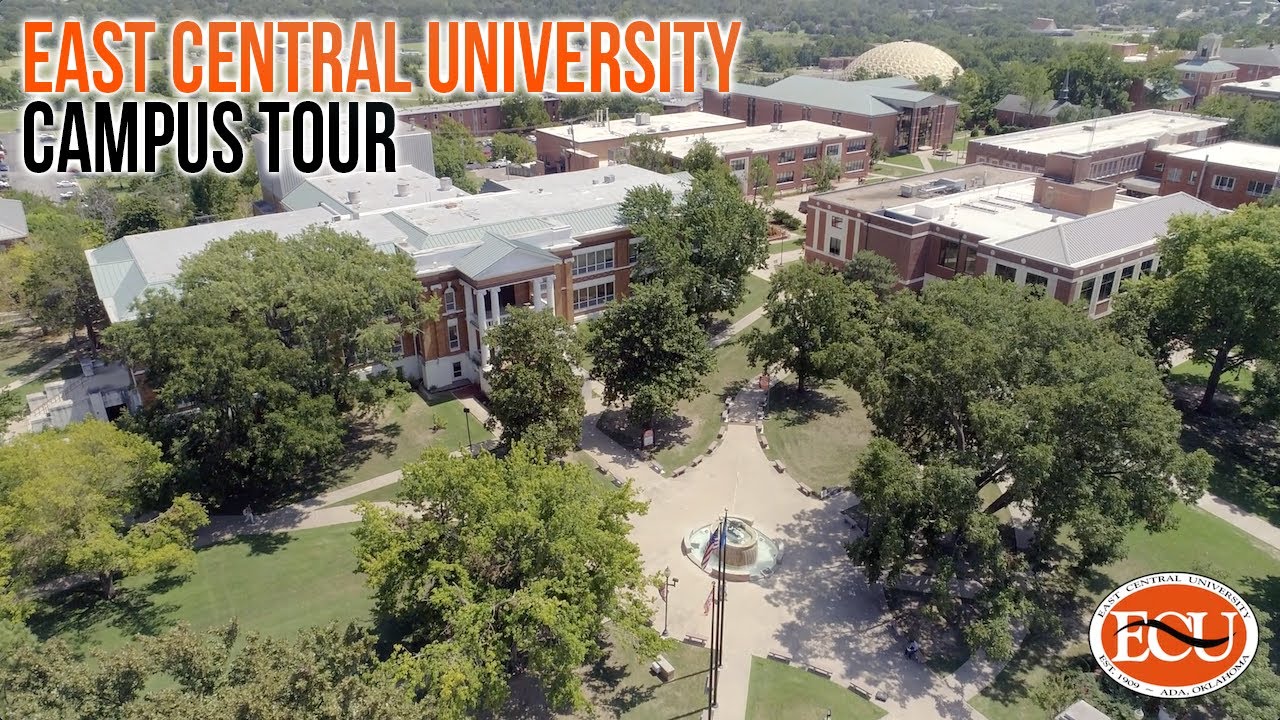
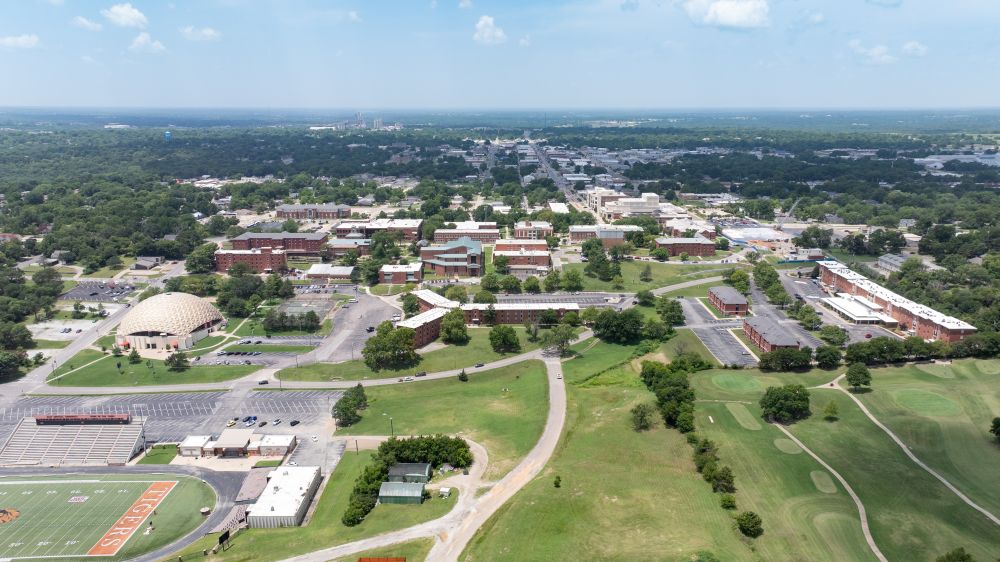
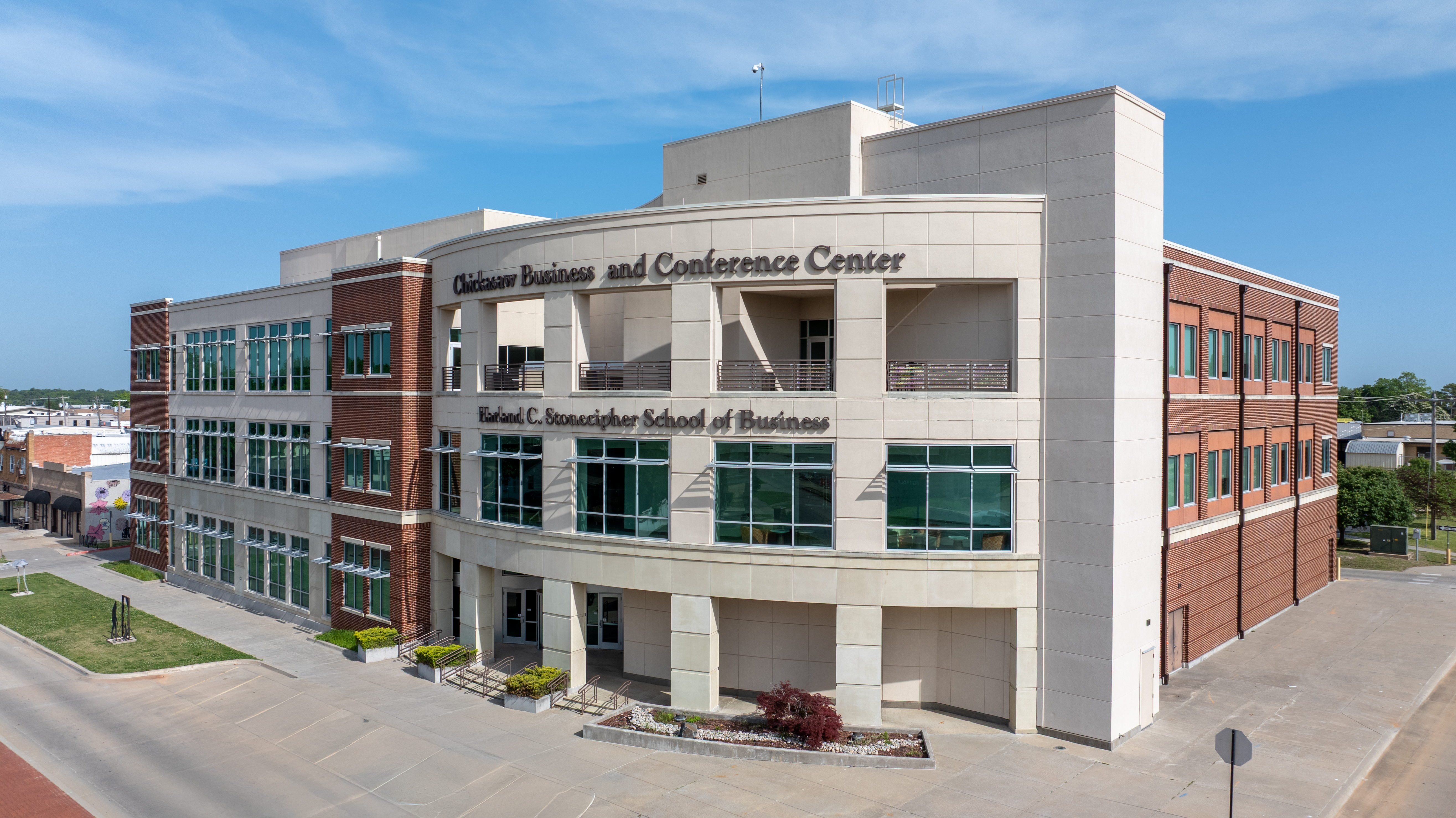
East Central University seal · sourceEast Central University Campus Tour · sourceEast Central University drives economic growth and community impact in Ada and beyond · sourceEast Central University Event Spaces | East Central University · source