Admit rate has ranged 43%–72% over the last 5 years — notably volatile. Source: IPEDS via Urban Institute.
Acceptance & SAT from Common Data Set / IPEDS; net price, earnings & graduation from the U.S. Dept. of Education College Scorecard. Figures lag ~1–2 years — verify with the school.
Fort Valley State University is a public, historically black land-grant institution in rural Georgia that operates with a distinctively open, accessible mission. It’s a place where a 2.25 GPA and modest test scores can open the door to a sprawling array of over 50 undergraduate majors, anchored by popular programs in psychology, biology, and criminal justice. The campus vibe is tightly-knit and socially active, with Greek life and off-campus parties fueling a lively scene, while outcomes reflect its role as an engine of opportunity, with a focus on affordability and career preparation for a predominantly in-state student body.
Admission requirements
Test scores required
Required
High school transcript
Grade point average
Class rank
Letters of recommendation
Test scores (SAT/ACT)
College-prep program
Demonstrated competencies
TOEFL (non-native English)
Source: IPEDS Admissions survey (2022) via Urban Institute. Covers formal factors only — it does not reflect essays, extracurriculars, or other holistic criteria.
Median earnings by field of study (highest credential), ~2 years after completion.
Teacher Education and Professional Development, Specific Levels and Methods$41,007
Information Science/Studies$33,281
Veterinary/Animal Health Technologies/Technicians$30,771
Business Administration, Management and Operations$30,554
Computer and Information Sciences, General$29,685
Human Development, Family Studies, and Related Services
Campus & location
Campus safety
On-campus violent crimes (2024)
1
Per 1,000 students
0.35
On-campus criminal offenses classed as violent (murder/non-negligent manslaughter, rape, robbery, aggravated assault) for the most recent reported year. Source: U.S. Dept. of Education Campus Safety and Security (Clery Act). Counts reflect what’s reported to the school, and urban campuses often report more partly due to non-student incidents nearby — read alongside campus size and setting, not as a standalone safety verdict.
Climate
Pleasant days / yr
112
Summer high
91°F
Winter low
43°F
Annual rain
47.7"
Natural-hazard risk
Very Low
Pleasant days counts days per year with a mean temperature of 55–75°F, a high at or below 90°F, a low at or above 45°F, and little precipitation — a transparent comfort measure, not a weighting we invented. Computed from Open-Meteo ERA5 daily history (2019–2023). Natural-hazard risk is the county’s composite rating from the FEMA National Risk Index.
Deep dive — research, future-scholar output & economic mobility▾
Research output
Institutional h-index
104
Scholarly works
1,591
Institutional research volume and impact from OpenAlex. The h-index reflects large research universities and will be low for teaching-focused liberal-arts colleges — not a measure of undergraduate quality.
Economic mobility
Mobility rate
2.8%
Bottom → top quintile
12%
From bottom quintile
24%
Mobility rate = the share of students who both start in the bottom household-income quintile and reach the top quintile; bottom → top is that chance conditional on starting at the bottom. Source: Opportunity Insights Mobility Report Cards (Chetty, Friedman, Saez, Turner & Yagan). Reflects 1980–82 birth cohorts, so it’s directional, not current.
Quick answers
What is the acceptance rate at Fort Valley State University?
Fort Valley State University's acceptance rate is approximately 66% (Fort Valley, GA), based on the most recent figures we compiled from public and primary sources.
What SAT score do you need for Fort Valley State University?
Admitted students at Fort Valley State University typically score 930–1070 on the SAT (the middle-50% range). Scores outside this band are still admitted, especially with strong applications.
How much does Fort Valley State University cost?
At Fort Valley State University, the average net price (after aid) is about $10,338 per year. Actual cost varies with financial aid and residency.
How many undergraduates attend Fort Valley State University?
Fort Valley State University enrolls approximately 2,684 undergraduate students.
Where is Fort Valley State University located?
Fort Valley State University is located in Fort Valley, GA.
Admissions
Fort Valley State's admissions process is designed for accessibility, reflecting its mission as a public land-grant university. The process is test-flexible and emphasizes baseline academic preparation over high-stakes competition.
Selectivity & Process: The university is "less selective" or "somewhat selective." It does not offer an Early Decision plan. Applicants are admitted if they meet minimum GPA and test score requirements.
Academic Benchmarks: The minimum requirement for admission is a 2.25 high school GPA. For standardized tests, the minimum SAT scores are 480 in Evidence-Based Reading and Writing and 440 in Math. The middle 50% SAT range for admitted students who submit scores is 930–1070.
Application Volume: For a recent cycle, 5,201 students applied, 3,426 were accepted, and 2,699 enrolled, indicating a high from those admitted.
The admissions office can be reached at (478) 822-6790.
Earnings = median of students working ~10 years after entry; debt = median of graduates. Value divides 10-yr earnings by one year’s net price — read it as earnings per dollar of annual cost, not a full lifetime ROI; it favors lower-cost schools. Source: U.S. Dept. of Education College Scorecard. Figures lag ~2 years and reflect all students, not your intended major.
$28,598
Criminal Justice and Corrections$27,995
Social Work$24,035
Source: U.S. Dept. of Education College Scorecard (field-of-study earnings). Figures cover graduates who received federal aid and lag ~2 years; not all programs report data.
FVSU offers a broad, career-oriented curriculum through more than 50 undergraduate majors and several master's programs. The academic environment is characterized by faculty mentorship and practical engagement.
Program Breadth: Students can choose from a wide array of bachelor's degrees. Popular majors for recent graduates include Psychology (15%), Biology/Biological Sciences (12%), Criminal Justice/Safety Studies (10%), and Animal Sciences. Education, business administration, and agriculture are historically strong and popular areas.
Academic Structure: The university is organized into colleges, including the College of Arts and Sciences, which houses departments like Behavioral and Social Sciences. Undergraduate majors in this college include Criminal Justice, History, Organizational Leadership, Political Science, and Psychology.
Teaching & Engagement: The university promotes a model where "highly accomplished faculty guide students through coursework, facilitate engagement in professional organizations, connect students with internships and" research opportunities. Graduate programs, like the Master of Science in Elementary Education/Special Education, are designed for careers in teaching, administration, and curriculum design.
If academics are the heart of Fort Valley State, "then student life is the soul." The campus fosters a close-knit, student-centered community with a pronounced social energy, particularly around Greek life.
Campus Environment: The university aims to create "a student-centered educational environment that encourages all students to think critically and creatively." Campus life is described as being "all about community, opportunity, and making memories that last."
Social Scene: Students report a "lively party scene," with many social events taking place off-campus. Greek life is a significant social driver, hosting many of the university's events. The Office of the Dean of Students oversees campus life and residential living.
Activities & Support: Student life is supported through Residential Life, a variety of Clubs and Organizations, and Career Services. The university leverages its "125-year tradition of excellence and uniqueness in academic and co-curricular programming to educate students of all races, genders, and" backgrounds.
Outcomes at FVSU tell a story of access and upward mobility, with graduation rates and early-career earnings that reflect the university's role in serving its student population. The four-year graduation rate is 19%, while the overall graduation rate is 41%. Six years after graduation, the median salary for graduates is reported as $28,649. The median earnings ten years after entry are $36,666. The university awarded degrees to 225 graduate students (8% of whom were out-of-state) in a recent year, with a total institutional enrollment of 2,905 as of Fall 2024.
Affordability is a cornerstone of the FVSU value proposition. The —the cost after grants and scholarships—is a key metric, and the university provides tools and support to help families navigate financing.
Cost Structure: For the 2024-2025 academic year, in-state tuition for full-time undergraduates is $4,176. The average annual cost (net price) after aid is $10,338.
Financial Aid Office: The Office of Financial Aid assists students and can be reached at (478) 825-6363. They emphasize completing the FAFSA and applying for scholarships.
Aid Packages & Loans: The average financial aid package is $8,789. The university participates in federal loan programs, offering Direct Unsubsidized Loans to undergraduate and graduate students regardless of financial need. It also provides access to platforms for students to search for private loans if needed. The university offers a Net Price Calculator on its website to help families estimate their actual cost.
Fort Valley State University stands out as a vital, accessible pillar of Georgia's public higher education system. Its identity is rooted in a 125-year history as an HBCU and land-grant institution, a dual mission that commits it to both broad educational access and practical, community-oriented scholarship. Unlike highly selective private colleges, FVSU's distinction lies in its open door—a 2.25 GPA threshold—and its dedication to serving students who might otherwise be overlooked. This is not a campus of cutthroat competition but of communal support, where faculty mentorship and a vibrant, Greek-centric social life provide the scaffolding for success. Its popular programs in fields like criminal justice, psychology, and agriculture are directly tied to workforce needs. Ultimately, FVSU's standout quality is its unwavering focus on providing a low-net-cost, high-engagement college experience to a predominantly regional student body, making bachelor's and master's degrees a tangible reality for thousands of Georgians.
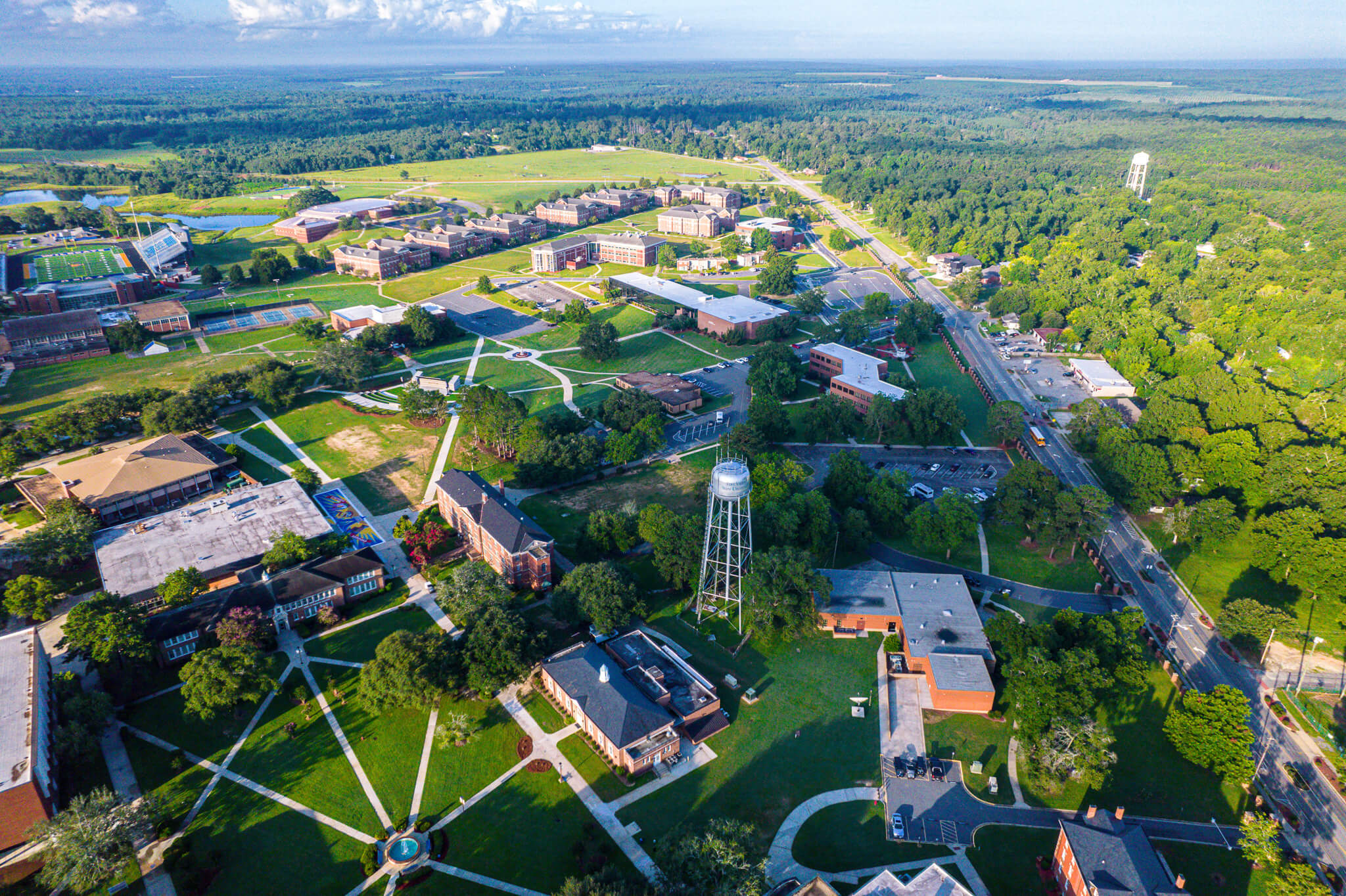
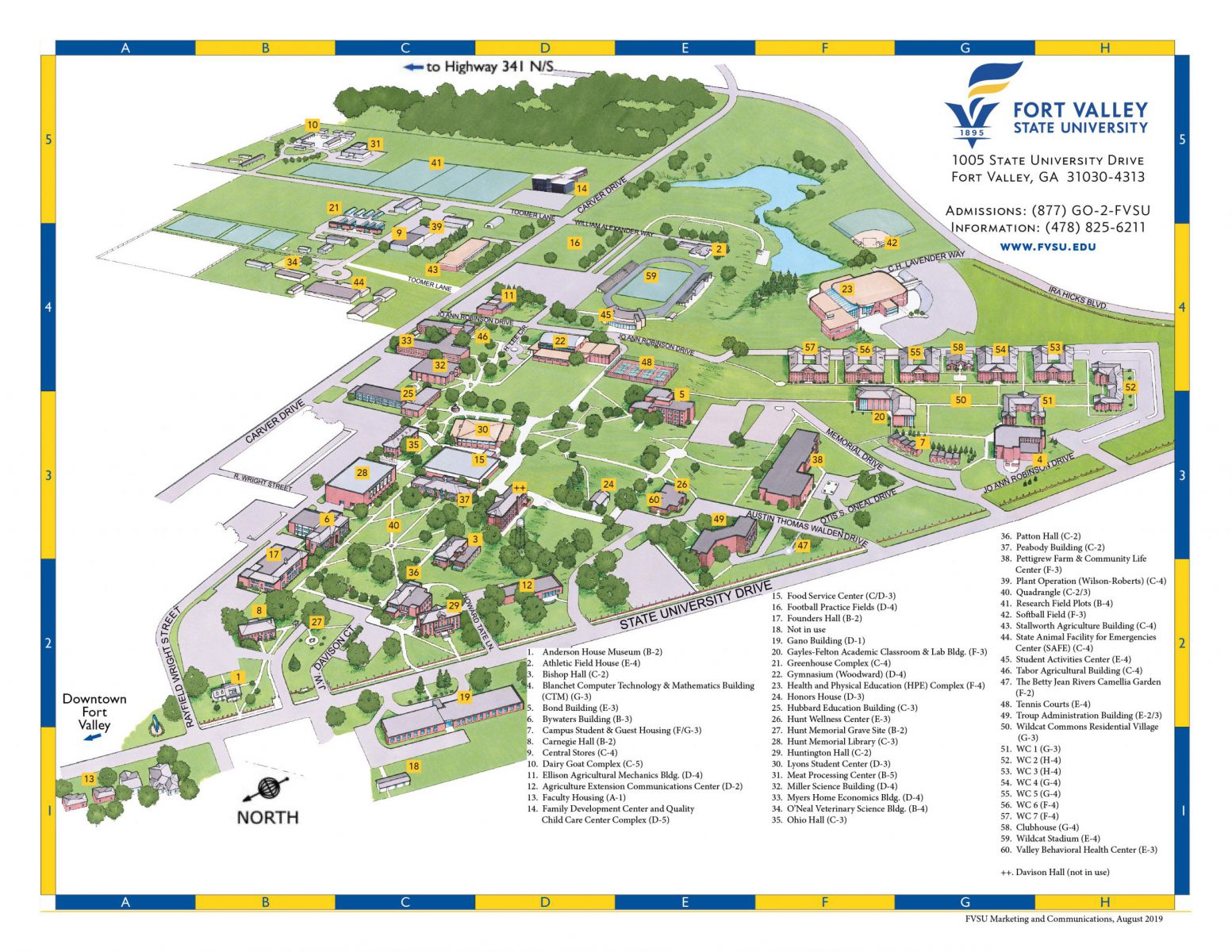
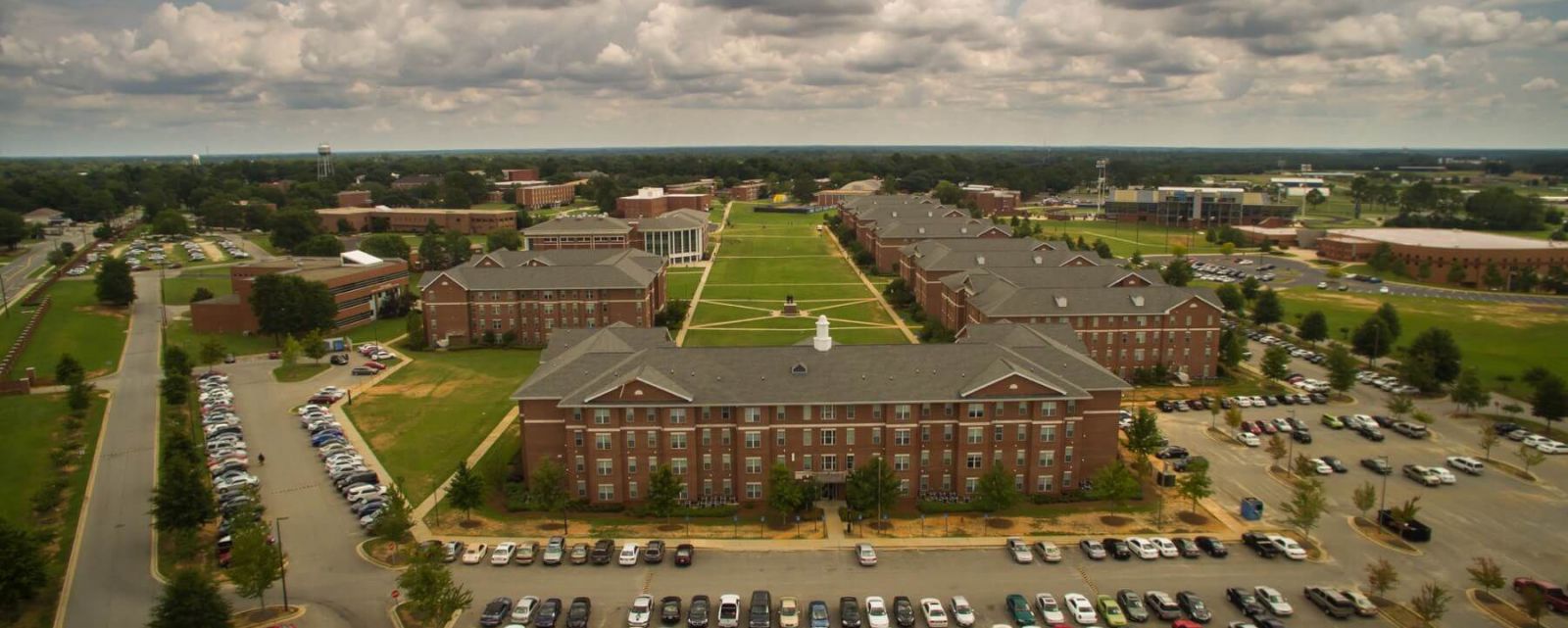
Fort Valley State University seal · sourceHome - Fort Valley State University · sourceCampus Map - Quick Links - Fort Valley State University · sourcePlant Operations - Business and Finance - Fort Valley State University · source