Admit rate has ranged 45%–100% over the last 5 years — notably volatile. Source: IPEDS via Urban Institute.
Acceptance & SAT from Common Data Set / IPEDS; net price, earnings & graduation from the U.S. Dept. of Education College Scorecard. Figures lag ~1–2 years — verify with the school.
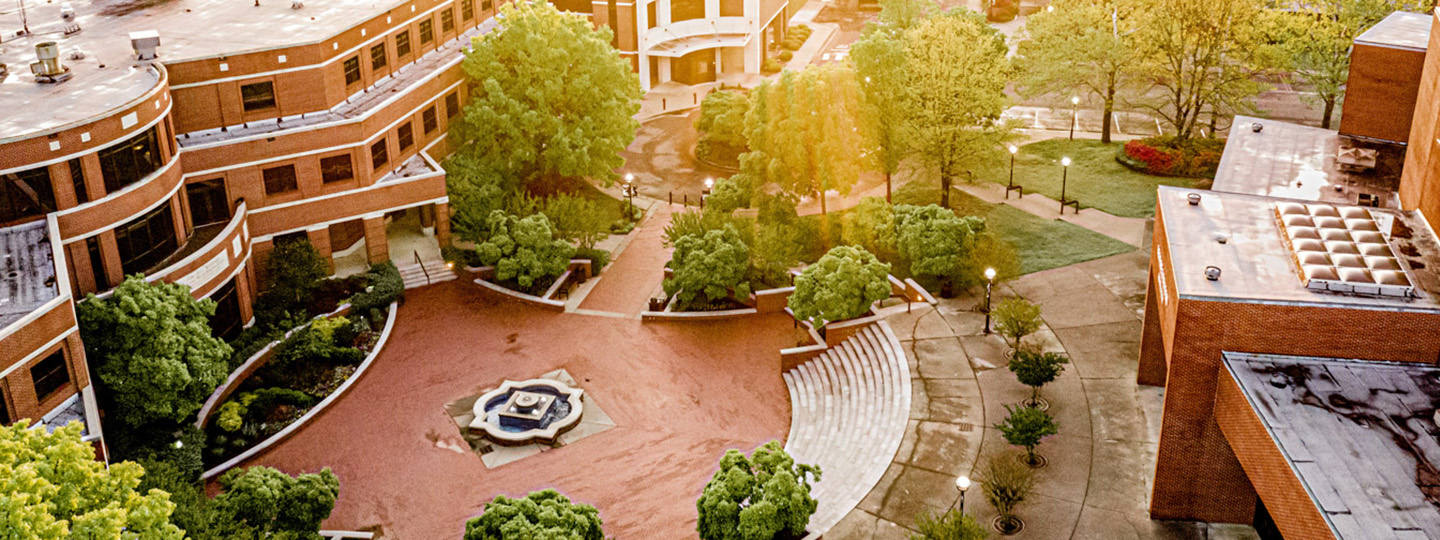
Harding University operates as a distinctively immersive, faith-based community in Searcy, Arkansas, where spiritual life and a sprawling network of student clubs are woven into the academic fabric. It's a place where over 80 undergraduate majors, anchored by popular programs in education, draw students into a close-knit campus culture defined by tradition and a high level of student involvement. While its admissions are accessible, the university prides itself on strong retention and a graduation rate that outpaces many of its peers, positioning it as a practical, values-centered choice for students from across the country.
Admission requirements
Test scores required
Required
High school transcript
Letters of recommendation
Test scores (SAT/ACT)
TOEFL (non-native English)
Considered (not required)
Grade point average
College-prep program
Source: IPEDS Admissions survey (2022) via Urban Institute. Covers formal factors only — it does not reflect essays, extracurriculars, or other holistic criteria.
More details
Undergrad enrollment
3,382
In-state tuition
$26,262
Out-of-state tuition
$26,262
Popular Major
Elementary Education and Teaching
Graduation Rate
69%
First-Year Retention
86.7%
Clubs & Organizations
150+
Student-Faculty Ratio
16:1
Median Earnings (10yr)
$52,876
Outcomes & value
Outcomes & value
Median earnings (10 yr)
$52,876
Value (earnings ÷ net price)
2.4×
Median debt at graduation
$26,500
Graduation rate
69%
First-year retention
86%
Reducing loan balance (3 yr)
73%
Pell (lower-income) share
24%
First-gen share (among federal-aid recipients)
21%
Financial health
2.7 / 3.0Meets the federal financial-responsibility standard
U.S. Dept. of Education Financial Responsibility Composite Score (FY2022-23). Scale −1.0 to 3.0; ≥1.5 meets the standard. Reported for private nonprofit & for-profit institutions only — public universities are state-backed and not scored, so this is a stability signal, not a ranking.
Top-earning majors
Median earnings by field of study (highest credential), ~2 years after completion.
Computer Science$66,104
Mechanical Engineering$58,673
Registered Nursing, Nursing Administration, Nursing Research and Clinical Nursing$58,221
Accounting and Related Services$57,047
Finance and Financial Management Services$52,941
Computer and Information Sciences, General
Campus & location
Campus safety
On-campus violent crimes (2024)
2
Per 1,000 students
0.44
On-campus criminal offenses classed as violent (murder/non-negligent manslaughter, rape, robbery, aggravated assault) for the most recent reported year. Source: U.S. Dept. of Education Campus Safety and Security (Clery Act). Counts reflect what’s reported to the school, and urban campuses often report more partly due to non-student incidents nearby — read alongside campus size and setting, not as a standalone safety verdict.
Climate
Pleasant days / yr
81
Summer high
90°F
Winter low
35°F
Annual rain
53.2"
Annual snow
3.6"
Natural-hazard risk
Relatively Moderate
Pleasant days counts days per year with a mean temperature of 55–75°F, a high at or below 90°F, a low at or above 45°F, and little precipitation — a transparent comfort measure, not a weighting we invented. Computed from Open-Meteo ERA5 daily history (2019–2023). Natural-hazard risk is the county’s composite rating from the FEMA National Risk Index.
Deep dive — research, future-scholar output & economic mobility▾
Economic mobility
Mobility rate
0.7%
Bottom → top quintile
19%
From bottom quintile
4%
Mobility rate = the share of students who both start in the bottom household-income quintile and reach the top quintile; bottom → top is that chance conditional on starting at the bottom. Source: Opportunity Insights Mobility Report Cards (Chetty, Friedman, Saez, Turner & Yagan). Reflects 1980–82 birth cohorts, so it’s directional, not current.
Quick answers
What is the acceptance rate at Harding University?
Harding University's acceptance rate is approximately 71% (Searcy, AR), based on the most recent figures we compiled from public and primary sources.
What SAT score do you need for Harding University?
Admitted students at Harding University typically score 1050–1290 on the SAT (the middle-50% range). Scores outside this band are still admitted, especially with strong applications.
How much does Harding University cost?
At Harding University, the average net price (after aid) is about $22,130 per year. Actual cost varies with financial aid and residency.
How many undergraduates attend Harding University?
Harding University enrolls approximately 3,382 undergraduate students.
Where is Harding University located?
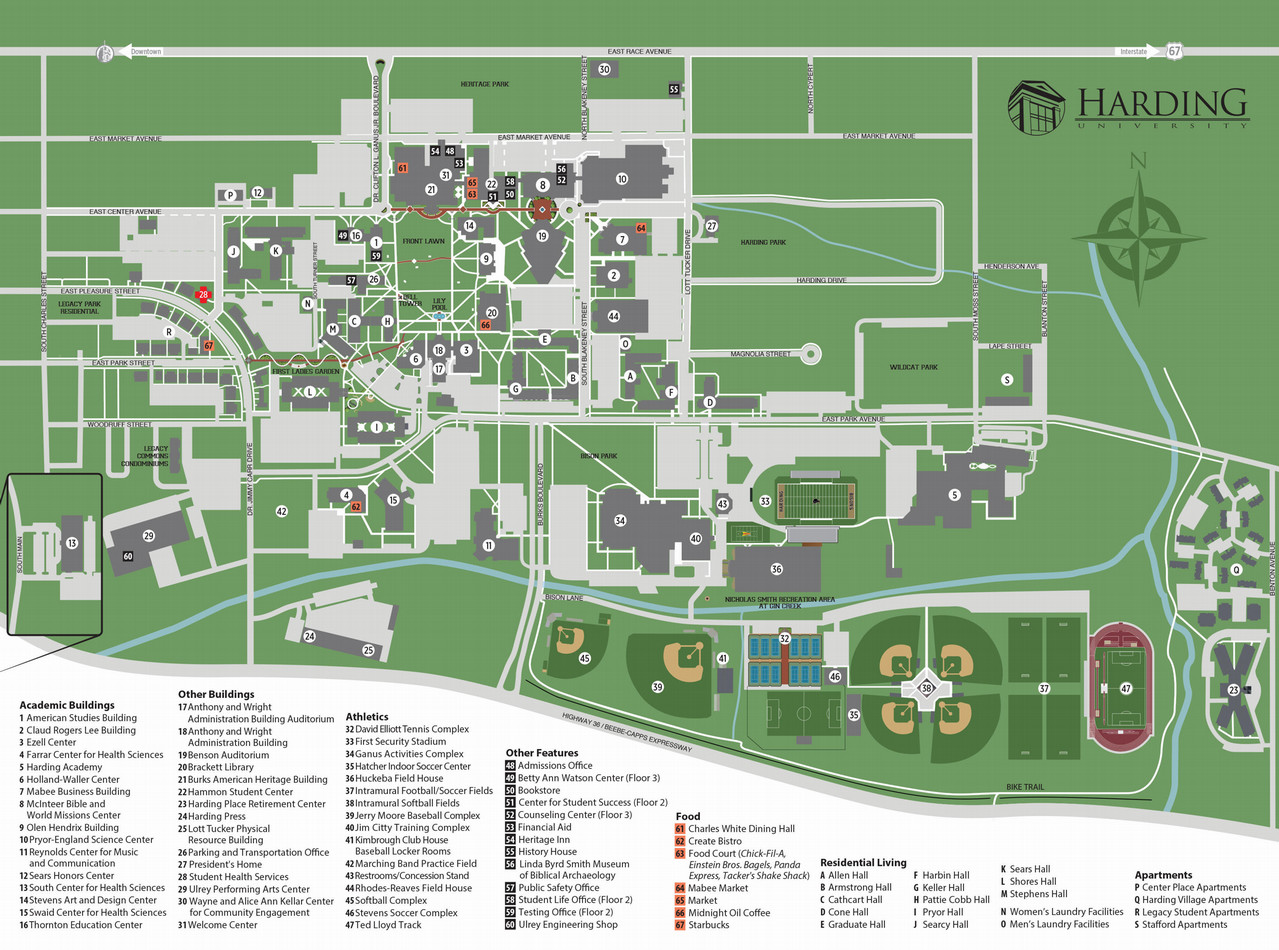
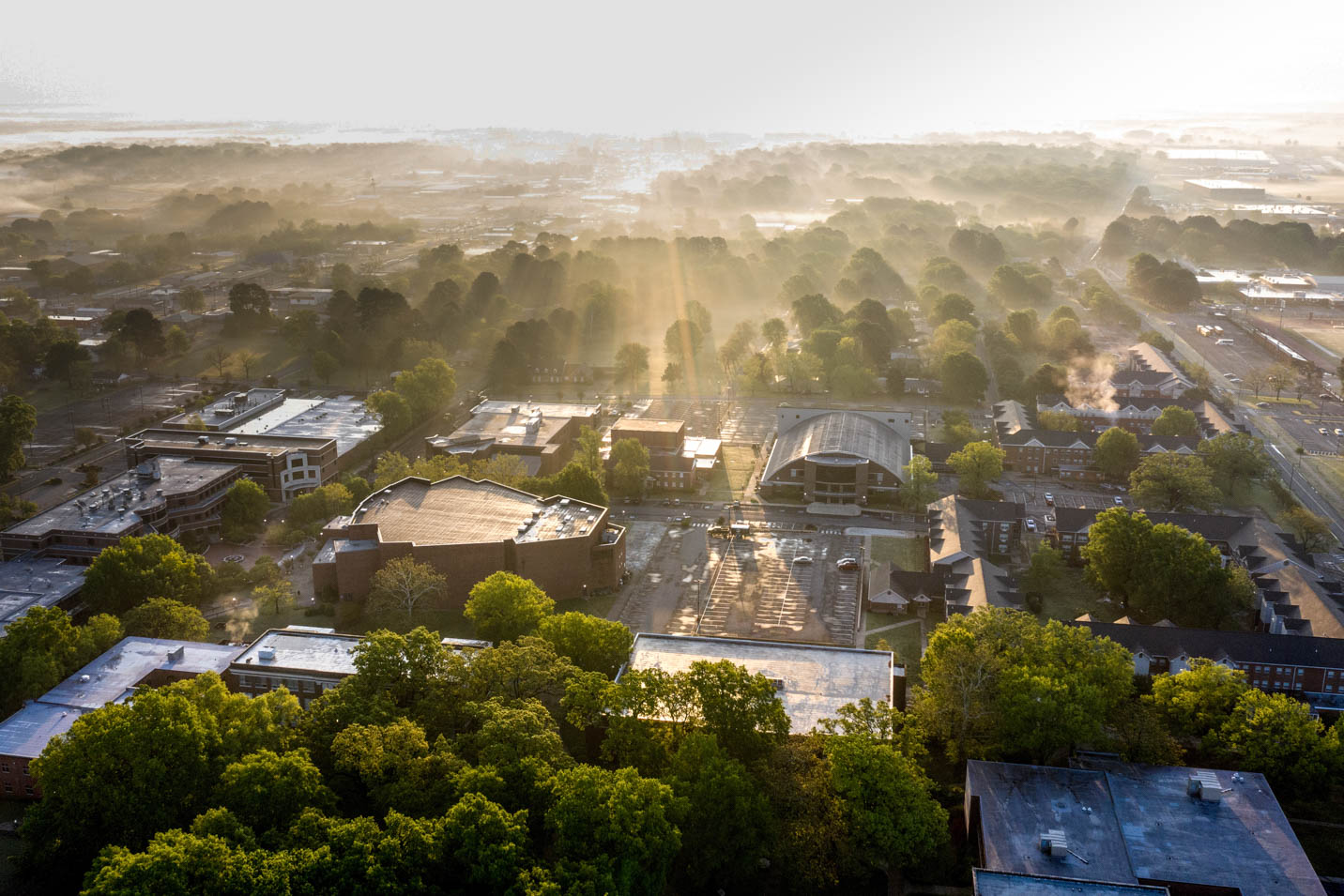
Harding University is located in Searcy, AR.
Admissions
Harding's admissions process is characterized by its accessibility, with the university accepting a significant majority of its applicants. The middle 50% SAT range for admitted students who submit scores falls between 1050 and 1290, indicating a moderately selective academic profile within the applicant pool. While the university receives applications from a broad base, it's worth noting that a relatively small proportion of admitted students—about 18%—submit SAT scores, with a much larger share (75%) submitting ACT scores, reflecting regional testing trends. The admissions data shows a consistent hovering around the low 70s, making it a realistic target for a wide range of students. The university provides a , a standardized document detailing admissions statistics and policies, which prospective families can use for research.
Earnings = median of students working ~10 years after entry; debt = median of graduates. Value divides 10-yr earnings by one year’s net price — read it as earnings per dollar of annual cost, not a full lifetime ROI; it favors lower-cost schools. Source: U.S. Dept. of Education College Scorecard. Figures lag ~2 years and reflect all students, not your intended major.
$52,733
Marketing$44,800
Design and Applied Arts$38,289
Source: U.S. Dept. of Education College Scorecard (field-of-study earnings). Figures cover graduates who received federal aid and lag ~2 years; not all programs report data.
Academic life at Harding is structured around a low student-faculty ratio of 16:1, with the majority of classes (61.6%) having fewer than 20 students, fostering a personalized learning environment. The university offers a robust selection of over 80 undergraduate majors across 15 departments, with the College of Arts and Humanities alone housing more than 47% of the undergraduate student body. Elementary Education and Teaching stands out as the most popular major, with the university awarding about 49 degrees in that field annually. For students who are undecided, Harding provides an Exploratory Studies program designed to help them navigate various academic paths. The curriculum is supported by a dedicated faculty, and the university has developed a particular reputation for successfully preparing students for law school. However, some commentary suggests that certain majors, like public administration, may not be a focus area.
Campus life at Harding is intentionally vibrant and all-encompassing, designed to create a tight-knit community. With a total undergraduate enrollment of 3,535, the campus is described by students as beautiful, inviting, and of a manageable size that fosters connection. The heartbeat of student involvement is found in its more than 150 clubs and organizations, which include 27 social clubs (a hallmark of campus Greek life). The official Campus Life office actively orchestrates a full calendar of events, including concerts, movies, and pep rallies, to keep students engaged. This activity-focused environment is complemented by a strong emphasis on spiritual life, which is integrated into the daily campus experience. Furthermore, the university promotes global awareness through cross-cultural experiences, international student programs, and cultural celebrations, aiming to give students a broader perspective while maintaining a close-knit home base.
Harding demonstrates a strong commitment to seeing its students through to graduation, with outcomes that have shown positive trends. The university has posted record retention and graduation rates, with a fall-to-fall retention rate reaching 86.7% and a six-year graduation rate hitting 71.5%. These figures indicate that students who enroll are highly likely to persist and ultimately earn their degrees. For graduates, early career earnings have been reported around $36,000, though some analyses note this can vary based on field of study. The university's College of Pharmacy tracks specific outcomes for its graduates, such as the NAPLEX first-time pass rate. The overarching narrative is one of a supportive environment that effectively retains students and prepares them for their next steps, whether into the workforce or graduate programs.
Harding University is proactive in providing financial aid tools and scholarship opportunities to make attendance more feasible. The university encourages all prospective students to use its Calculator to get an early estimate of their out-of-pocket costs after aid. On average, about 54% of students receive financial aid, with the average aid package amounting to $18,436. This support brings the average net price—the cost after scholarships and grants—down to $21,069 for many students. Harding offers a range of institutional scholarships, including the Harding Grant ($3,000) and more comprehensive awards like the Honors College scholarship, which covers full undergraduate tuition plus a $2,000 annual stipend. A notable initiative is the 'Harding Guarantee,' described as a last-dollar scholarship designed to cover 100% of remaining tuition costs after federal, state, and other free resources are applied, though specific eligibility details are not provided in the available sources.
Harding University carves out a distinctive niche by seamlessly blending rigorous academics with an immersive, faith-based community life. It's not just a place to take classes; it's an environment where spiritual formation, leadership in over 150 clubs, and personal mentorship from professors in small classes are all part of the expected experience. The university's significant investment in student success is evidenced by its rising retention and graduation rates, which suggest a supportive system that actively works to keep students on track. Furthermore, its 'Harding Guarantee' scholarship program reflects a tangible commitment to reducing financial barriers. For students seeking a comprehensive collegiate experience where their academic, social, and spiritual lives are intentionally integrated within a beautiful, close-knit campus, Harding offers a coherent and purposeful path that extends far beyond the lecture hall.
Harding University seal · sourceSearcy Campus Map | Buildings and Parking | Harding · sourceSearcy Campus Map | Buildings and Parking | Harding · sourceAbout Searcy, Ark. | Beautiful Home of Harding University · source

.gif)