Admit rate has ranged 90%–94% over the last 5 years, though the latest figure above (81%) falls outside that window. Source: IPEDS via Urban Institute.
Acceptance & SAT from Common Data Set / IPEDS; net price, earnings & graduation from the U.S. Dept. of Education College Scorecard. Figures lag ~1–2 years — verify with the school.
Indiana State University is a public institution in Terre Haute that operates as a broad-access, high-engagement university with a distinctly practical and supportive ethos. It's a place where the academic focus leans heavily toward applied, career-ready fields like nursing, business, and construction management, and where a significant majority of students receive financial aid. The campus life is built around a residential, involved community, though its graduation rate signals a university still working to shepherd all its students to the finish line.
Admission requirements
Test-blind — scores not considered
Required
High school transcript
Grade point average
College-prep program
TOEFL (non-native English)
Considered (not required)
Letters of recommendation
Demonstrated competencies
Source: IPEDS Admissions survey (2022) via Urban Institute. Covers formal factors only — it does not reflect essays, extracurriculars, or other holistic criteria.
More details
Undergrad enrollment
6,188
In-state tuition
$10,258
Out-of-state tuition
$22,322
Top Majors
Business (22%), Health Professions (18%)
Campus Vibe
Residential, Inclusive
Graduation Rate
43%
Demonstrated Interest
Not Considered
Early Decision Offered
No
Median Earnings (10yr)
$48,387
First-Year Receiving Aid
76%
Outcomes & value
Outcomes & value
Median earnings (10 yr)
$48,387
Value (earnings ÷ net price)
4.5×
Median debt at graduation
$24,000
Graduation rate
43%
First-year retention
66%
Reducing loan balance (3 yr)
50%
Pell (lower-income) share
42%
First-gen share (among federal-aid recipients)
36%
Top-earning majors
Median earnings by field of study (highest credential), ~2 years after completion.
Mechanical Engineering Related Technologies/Technicians$61,350
Registered Nursing, Nursing Administration, Nursing Research and Clinical Nursing$58,739
Construction Management$55,286
Management Sciences and Quantitative Methods$53,775
Insurance$52,107
Finance and Financial Management Services
Campus & location
Campus safety
On-campus violent crimes (2024)
10
Per 1,000 students
1.27
On-campus criminal offenses classed as violent (murder/non-negligent manslaughter, rape, robbery, aggravated assault) for the most recent reported year. Source: U.S. Dept. of Education Campus Safety and Security (Clery Act). Counts reflect what’s reported to the school, and urban campuses often report more partly due to non-student incidents nearby — read alongside campus size and setting, not as a standalone safety verdict.
Climate
Pleasant days / yr
87
Summer high
84°F
Winter low
27°F
Annual rain
42.6"
Annual snow
13.9"
Natural-hazard risk
Relatively Moderate
Pleasant days counts days per year with a mean temperature of 55–75°F, a high at or below 90°F, a low at or above 45°F, and little precipitation — a transparent comfort measure, not a weighting we invented. Computed from Open-Meteo ERA5 daily history (2019–2023). Natural-hazard risk is the county’s composite rating from the FEMA National Risk Index.
Deep dive — research, future-scholar output & economic mobility▾
Research output
Institutional h-index
198
Scholarly works
9,368
Institutional research volume and impact from OpenAlex. The h-index reflects large research universities and will be low for teaching-focused liberal-arts colleges — not a measure of undergraduate quality.
Economic mobility
Mobility rate
1.1%
Bottom → top quintile
16%
From bottom quintile
7%
Mobility rate = the share of students who both start in the bottom household-income quintile and reach the top quintile; bottom → top is that chance conditional on starting at the bottom. Source: Opportunity Insights Mobility Report Cards (Chetty, Friedman, Saez, Turner & Yagan). Reflects 1980–82 birth cohorts, so it’s directional, not current.
Quick answers
What is the acceptance rate at Indiana State University?
Indiana State University's acceptance rate is approximately 81% (Terre Haute, IN), based on the most recent figures we compiled from public and primary sources.
How much does Indiana State University cost?
At Indiana State University, the average net price (after aid) is about $10,873 per year. Actual cost varies with financial aid and residency.
How many undergraduates attend Indiana State University?
Indiana State University enrolls approximately 6,188 undergraduate students.
Where is Indiana State University located?
Indiana State University is located in Terre Haute, IN.
Admissions
Indiana State University's admissions process is characterized by high accessibility, with an that reflects its mission as a public, regional institution. The university is , allowing students to apply without SAT or ACT scores. For those who do submit, the middle 50% SAT range for admitted students is 880–1110, and the ACT range is 20–26. Academic performance in high school is a key factor; the GPA distribution of admitted freshmen shows 26% had a GPA of 3.75 or higher, 6% fell between 3.50 and 3.74, and a notable portion had GPAs below 2.00. The university does not offer an Early Decision plan but does have an early admission plan that notifies students of decisions well in advance of regular dates. Demonstrated interest is not a factor considered in admissions decisions. The admissions office can be reached at 812-237-2121 or via toll-free number 800-468-6478.
The academic environment at Indiana State is defined by a practical, career-oriented curriculum and a supportive faculty-student dynamic. Students report having strong access to professors and a robust support system. The most popular majors are squarely in applied, high-demand fields. For the 2024 graduating class, Business, Management, Marketing, and Related Support Services accounted for 22% of degrees, while Health Professions and Related Programs made up 18%. Other data shows Nursing and Psychology are consistently among the top degrees awarded. The university offers a wide array of programs through its academic program finder, including majors in Safety, Health, Environment (BS), and numerous minors in areas like Strength and Conditioning, Studio Art, Supply Chain Management, Sustainability, and Theater. The focus is on preparing students for impactful careers in fields such as art and design, chemistry and physics, earth and environmental systems, and languages.
Earnings = median of students working ~10 years after entry; debt = median of graduates. Value divides 10-yr earnings by one year’s net price — read it as earnings per dollar of annual cost, not a full lifetime ROI; it favors lower-cost schools. Source: U.S. Dept. of Education College Scorecard. Figures lag ~2 years and reflect all students, not your intended major.
$51,794
Computer and Information Sciences, General$48,432
Quality Control and Safety Technologies/Technicians$47,260
Source: U.S. Dept. of Education College Scorecard (field-of-study earnings). Figures cover graduates who received federal aid and lag ~2 years; not all programs report data.
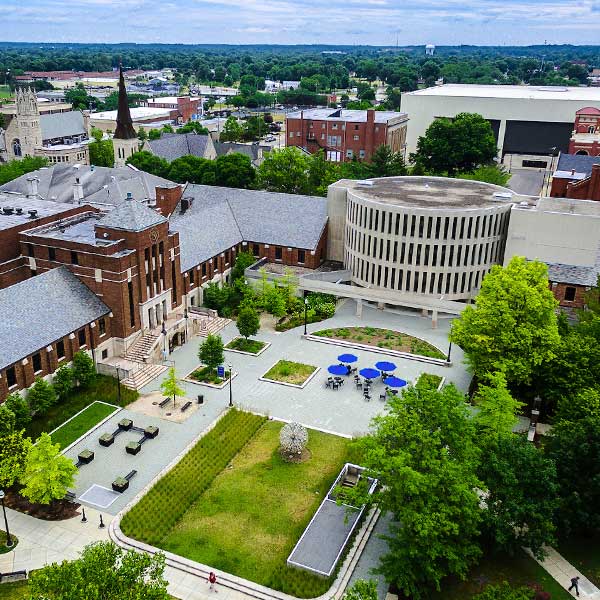
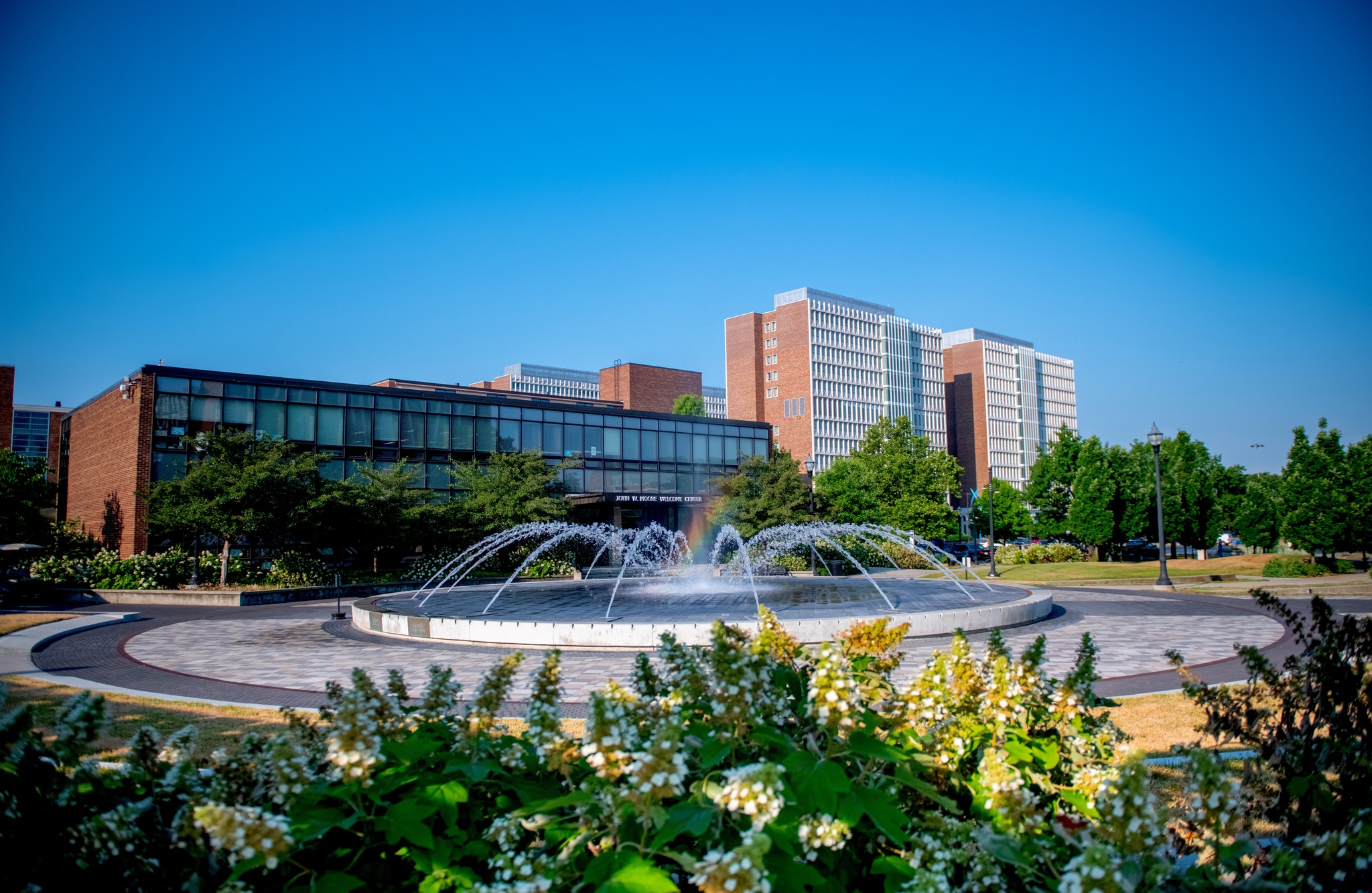
Life at Indiana State is engineered to be immersive and residential, with the university actively promoting on-campus living as the best way to build community. The university has created what it describes as a vibrant and safe community where students can thrive, supported by on-campus housing, active student clubs, and plenty of support services. Campus living is marketed as the optimal path for making friends, eating well, living close to classes and labs, and staying involved. External reviews note the campus atmosphere as inclusive and diverse, with a welcoming environment for students from various backgrounds. The university fosters this through multicultural programs and a generally inclusive vibe. A day-in-the-life video provides a glimpse into the student experience, reinforcing the image of an engaged, on-campus community.
Post-graduation outcomes for Indiana State alumni show solid early-career earnings, though the university's graduation rate is an area of noted challenge. The median earnings for students working ten years after entry is $48,387. Earlier career data is also promising: earnings one year after graduation average $44,287, and that figure grows to $53,967 five years out. For the Class of 2019, placement outcomes were strong, with 99% of graduates reporting a post-graduation outcome (employment, continuing education, etc.) and an average salary above $57,500. The knowledge rate for that survey was 69.8%. The graduation rate, however, is a point of contrast. External analysis places the overall rate in the bottom 20% of institutions, with male students graduating at a slightly lower rate than female students.
Indiana State University is aggressive in using financial aid to make attendance feasible, with a remarkably high percentage of students receiving assistance. The university awards $16 million in scholarships annually. This support reaches a vast majority of the student body: 76% of full-time freshmen receive scholarships and grants, and 80% of all full-time students receive them. Another source indicates 97% of full-time beginning undergraduates received grant or scholarship aid. The average grant award is $7,940, and the average financial aid package is $14,435. The —the average cost after aid—is a central figure for families. The university provides a Net Price Calculator to help estimate federal, state, and institutional aid eligibility. It's important to note that while aid is widespread, the university's financial aid materials encourage students to complete the FAFSA and consider federal loans, and it offers small, short-term emergency loans up to $400 that must be repaid within 30 days, indicating it does not have a blanket no-loan policy for meeting full need.
Indiana State University carves out its niche by doubling down on two core promises: accessibility and applied learning. It is unapologetically a university of opportunity, with an open admissions door that welcomes a wide academic range of students. Once they arrive, the experience is deliberately structured to be hands-on and supportive. The curriculum isn't geared toward abstract theory; it's built around majors like Nursing, Construction Management, Criminology, and Business—fields where classroom learning directly translates to a paycheck. This practical focus is matched by a campus culture that actively pulls students into the fold through residential life and clubs, aiming to combat the attrition that often plagues open-access institutions. The financial model is also a key part of its identity, with aid packages so ubiquitous that paying full price is the exception, not the rule. The result is a university that serves as a critical engine of social mobility for the region, betting that strong support, relevant degrees, and reduced financial barriers can lead to successful, well-compensated careers for its graduates.
Indiana State University seal · sourceStudent Life | Indiana State University · sourceIndiana State University · sourceIndiana State University | Terre Haute IN · source