Admit rate has ranged 77%–90% over the last 5 years — notably volatile. Source: IPEDS via Urban Institute.
Acceptance & SAT from Common Data Set / IPEDS; net price, earnings & graduation from the U.S. Dept. of Education College Scorecard. Figures lag ~1–2 years — verify with the school.
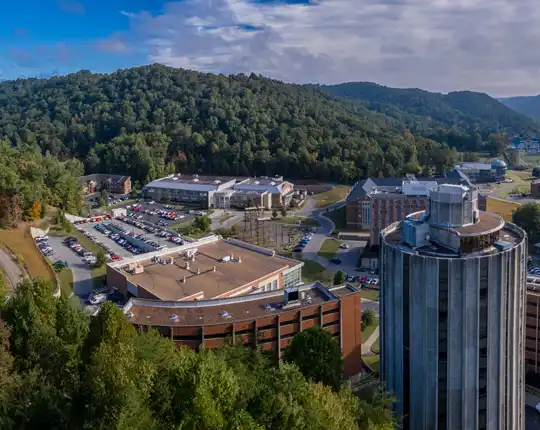
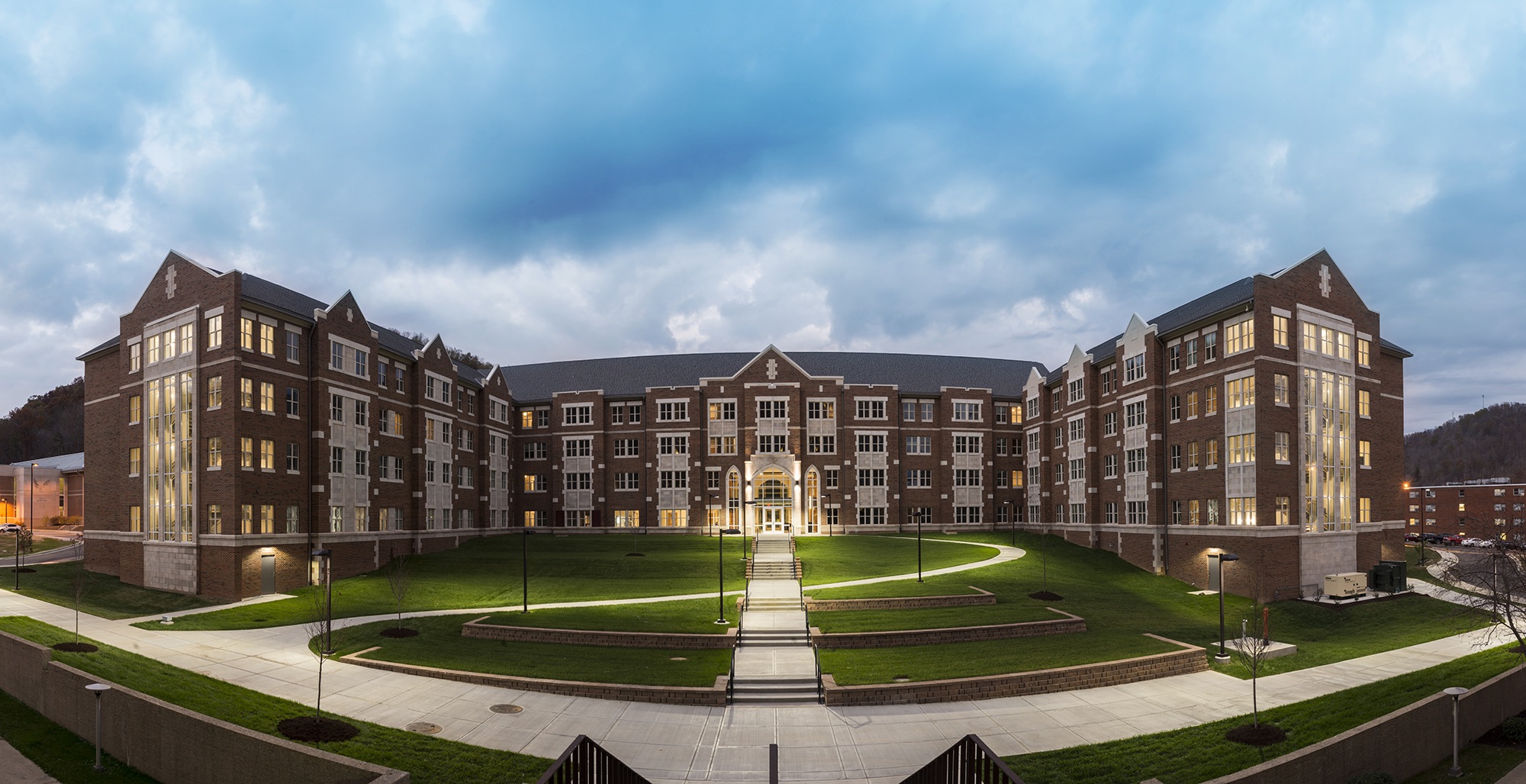
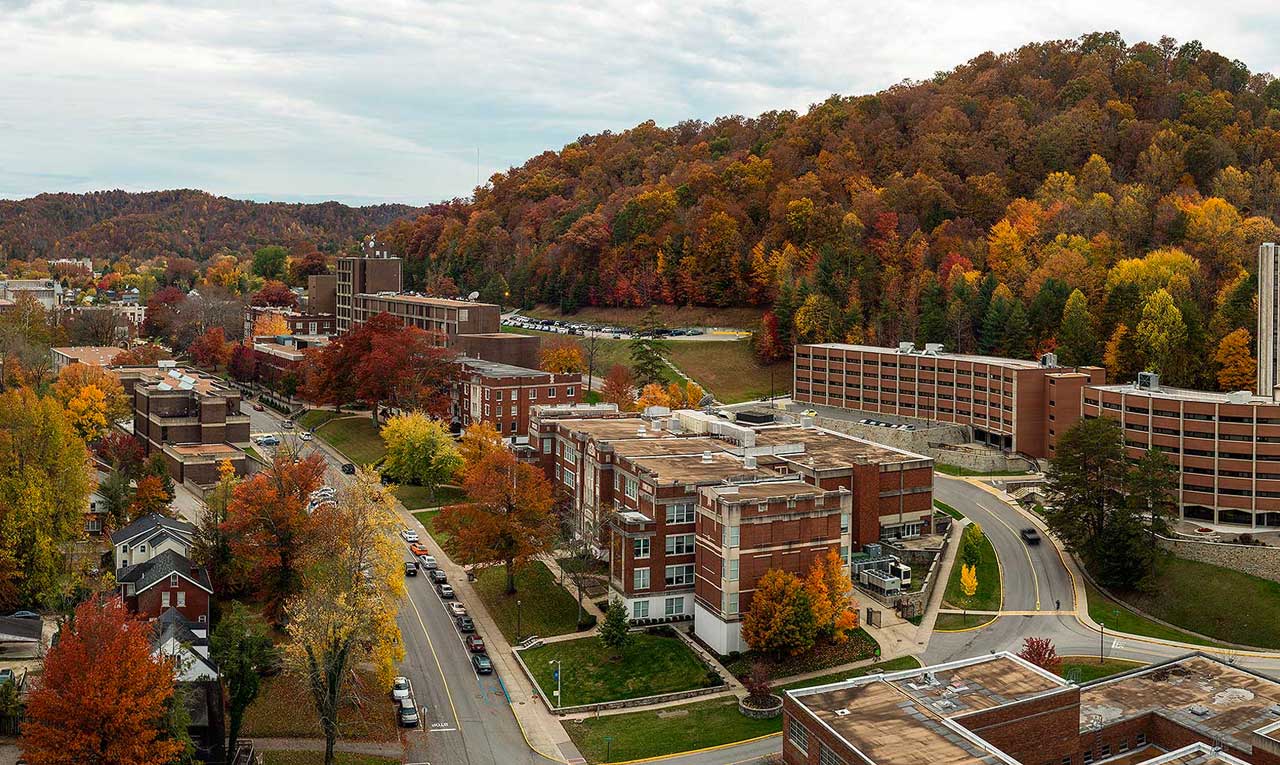
Morehead State University, nestled in the Appalachian foothills of Kentucky, is a public regional university known for its accessible admissions, strong space science and engineering programs, and tight-knit campus culture. With a 77% acceptance rate and test-optional policies, MSU prioritizes hands-on learning and affordability, though its 40% six-year graduation rate reflects the challenges facing many regional public institutions.
Admission requirements
Test-optional — scores considered if submitted
Required
High school transcript
Grade point average
TOEFL (non-native English)
Considered (not required)
Test scores (SAT/ACT)
College-prep program
Source: IPEDS Admissions survey (2022) via Urban Institute. Covers formal factors only — it does not reflect essays, extracurriculars, or other holistic criteria.
More details
Undergrad enrollment
4,578
In-state tuition
$10,024
Out-of-state tuition
$14,980
On-Campus Housing
33%
4-Year Graduation Rate
16%
6-Year Graduation Rate
40%
Students Receiving Aid
72%
Average Financial Aid Award
$11,976
Outcomes & value
Outcomes & value
Median earnings (10 yr)
$43,197
Value (earnings ÷ net price)
4.4×
Median debt at graduation
$22,250
Graduation rate
52%
First-year retention
65%
Reducing loan balance (3 yr)
47%
Pell (lower-income) share
30%
First-gen share (among federal-aid recipients)
41%
Top-earning majors
Median earnings by field of study (highest credential), ~2 years after completion.
Registered Nursing, Nursing Administration, Nursing Research and Clinical Nursing$59,919
Allied Health Diagnostic, Intervention, and Treatment Professions$55,512
Management Information Systems and Services$46,673
Computer and Information Sciences, General
Campus & location
Campus safety
On-campus violent crimes (2024)
2
Per 1,000 students
0.39
On-campus criminal offenses classed as violent (murder/non-negligent manslaughter, rape, robbery, aggravated assault) for the most recent reported year. Source: U.S. Dept. of Education Campus Safety and Security (Clery Act). Counts reflect what’s reported to the school, and urban campuses often report more partly due to non-student incidents nearby — read alongside campus size and setting, not as a standalone safety verdict.
Climate
Pleasant days / yr
94
Summer high
84°F
Winter low
31°F
Annual rain
47.9"
Annual snow
10.4"
Natural-hazard risk
Relatively Low
Pleasant days counts days per year with a mean temperature of 55–75°F, a high at or below 90°F, a low at or above 45°F, and little precipitation — a transparent comfort measure, not a weighting we invented. Computed from Open-Meteo ERA5 daily history (2019–2023). Natural-hazard risk is the county’s composite rating from the FEMA National Risk Index.
Deep dive — research, future-scholar output & economic mobility▾
Research output
Institutional h-index
101
Scholarly works
3,462
Institutional research volume and impact from OpenAlex. The h-index reflects large research universities and will be low for teaching-focused liberal-arts colleges — not a measure of undergraduate quality.
Economic mobility
Mobility rate
1.7%
Bottom → top quintile
11%
From bottom quintile
16%
Mobility rate = the share of students who both start in the bottom household-income quintile and reach the top quintile; bottom → top is that chance conditional on starting at the bottom. Source: Opportunity Insights Mobility Report Cards (Chetty, Friedman, Saez, Turner & Yagan). Reflects 1980–82 birth cohorts, so it’s directional, not current.
Quick answers
What is the acceptance rate at Morehead State University?
Morehead State University's acceptance rate is approximately 77% (Morehead, KY), based on the most recent figures we compiled from public and primary sources.
How much does Morehead State University cost?
At Morehead State University, the average net price (after aid) is about $9,793 per year. Actual cost varies with financial aid and residency.
How many undergraduates attend Morehead State University?
Morehead State University enrolls approximately 4,578 undergraduate students.
Where is Morehead State University located?
Morehead State University is located in Morehead, KY.
Admissions
Morehead State maintains an accessible admissions process with a 77.2% acceptance rate (falling to 78.9% in some reports), making it a realistic option for most applicants. The university is test-optional, with ACT/SAT scores only required for scholarship consideration rather than admission decisions. Mid-50% test score ranges are modest (SAT: 1003–1233; ACT: 19–25), aligning with its regional mission. Applications are processed via a straightforward system with no strict regular decision deadline, emphasizing accessibility over selectivity.
MSU offers a career-focused curriculum with standout programs in space science, engineering technology (boasting 75-85% graduation rates in mechanical/manufacturing tracks), and nursing. The most popular majors reflect its practical bent: General Studies (13%), Registered Nursing (6%), and Elementary Education (5%). Faculty are praised for personalized attention, though the academic profile leans vocational rather than liberal arts-intensive. The university markets itself as a top-ranked regional public institution, particularly for ROI in applied fields.
Earnings = median of students working ~10 years after entry; debt = median of graduates. Value divides 10-yr earnings by one year’s net price — read it as earnings per dollar of annual cost, not a full lifetime ROI; it favors lower-cost schools. Source: U.S. Dept. of Education College Scorecard. Figures lag ~2 years and reflect all students, not your intended major.
$41,565
Political Science and Government$41,193
Business Administration, Management and Operations$37,856
Source: U.S. Dept. of Education College Scorecard (field-of-study earnings). Figures cover graduates who received federal aid and lag ~2 years; not all programs report data.
Life at MSU revolves around its rural Appalachian setting, with 33% of students living on campus and a strong emphasis on outdoor activities. The campus is considered safe, with an active police presence, though 67% of students commute, diluting traditional residential energy. Over 100 student organizations exist, including Greek life, but Niche reviews suggest social life is low-key. The university promotes 'Eagle pride' through D1 athletics (Ohio Valley Conference) and regional service initiatives.
Graduation rates lag behind national averages but show improvement: 16% graduate in 4 years, rising to 40% by year six. Engineering technology programs outperform these averages (75-85% completion). Earnings data is sparse, but the university emphasizes workforce-ready skills, particularly in healthcare, education, and manufacturing. Recent enrollment growth suggests rising regional demand, though long-term outcomes remain typical for Kentucky's public regional universities.
MSU is among Kentucky's most affordable 4-year options, with in-state tuition at $10,192 and out-of-state at $15,362. 72% of students receive aid, with average packages of $11,976, bringing down to $10,991 for many. The university provides clear net price calculators and emphasizes financial counseling, though many students likely face unmet need given the region's economic profile.
Morehead State carves a niche by demystifying higher education for first-gen and rural Appalachian students—its policy, straightforward costs, and emphasis on vocational outcomes resonate locally. The space science program (a rarity at regional publics) and robust engineering tech tracks offer unusual opportunities for hands-on STEM training. While not a research powerhouse, MSU delivers practical education with minimal pretension, serving as an economic ladder for eastern Kentucky.
Morehead State University logo · sourceMorehead State Unveils New Transformational Buildings & Campus Revitalization Projects, Paving the Way for the Next Generation | Morehead State University | Kentucky · source10 Reasons Morehead State University should be your new dream school · sourceMSU ranked safest campus in Kentucky | Morehead State University | Kentucky · source