Admit rate has ranged 32%–86% over the last 5 years — notably volatile. Source: IPEDS via Urban Institute.
Acceptance & SAT from Common Data Set / IPEDS; net price, earnings & graduation from the U.S. Dept. of Education College Scorecard. Figures lag ~1–2 years — verify with the school.
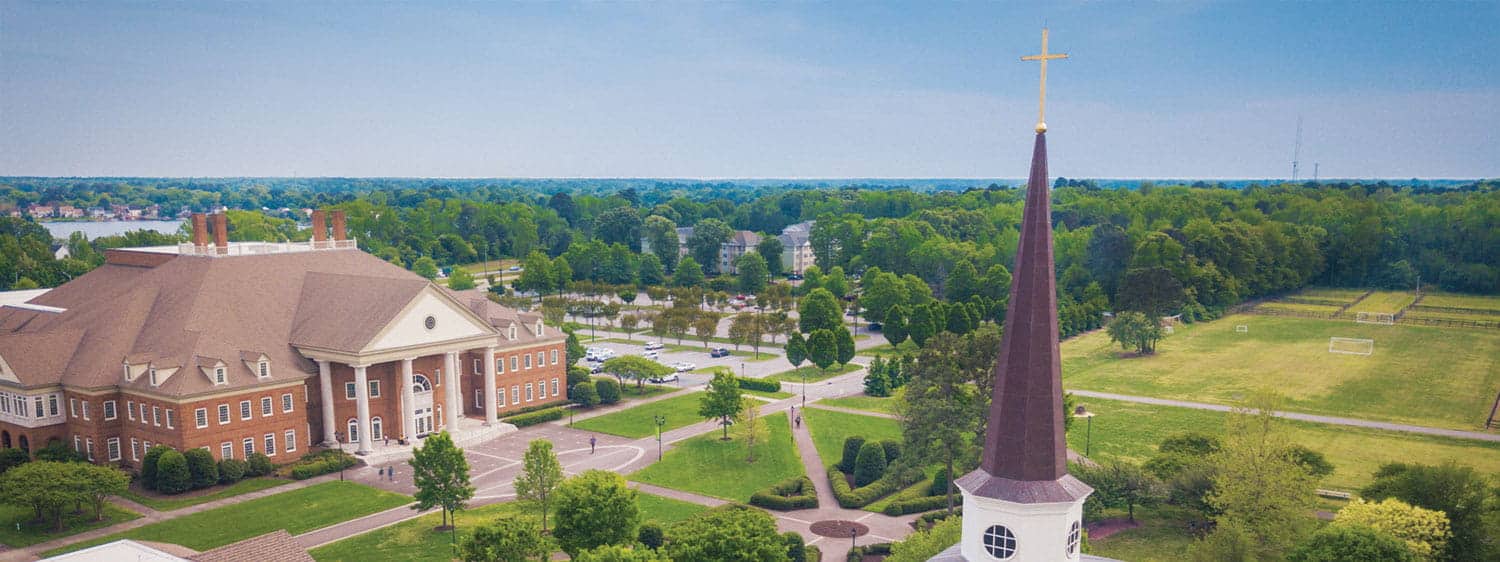
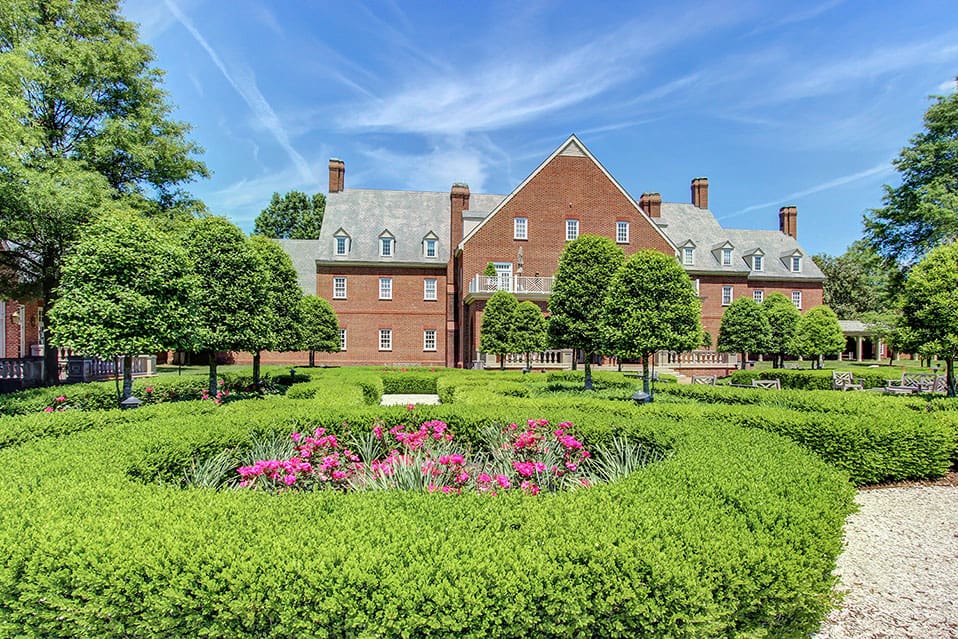
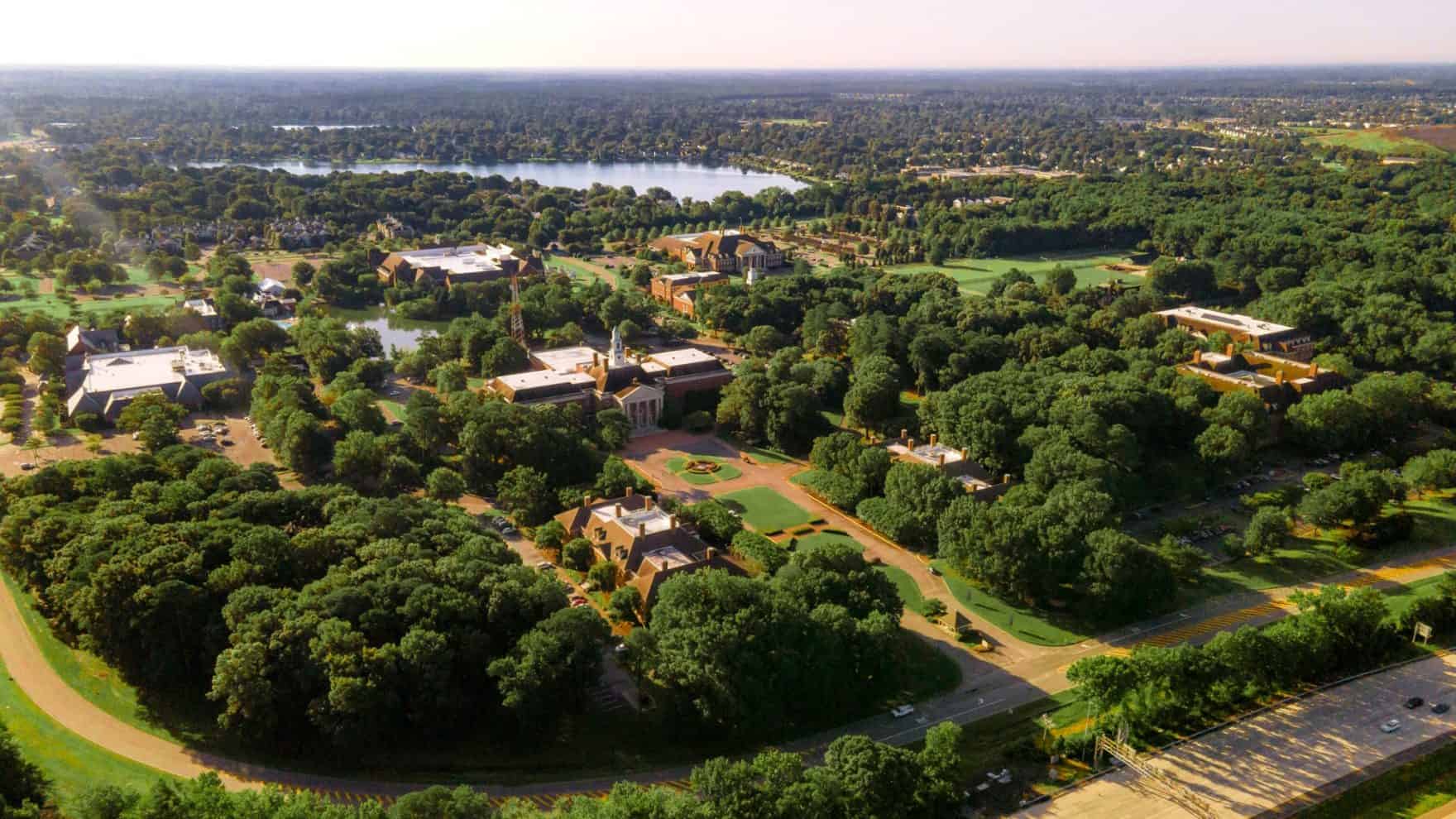
Regent University is a private Christian institution in Virginia Beach that operates with a distinct dual identity: a selective, residential undergraduate college experience anchored in faith, and a sprawling online education powerhouse offering over 150 programs. Founded by televangelist Pat Robertson, its culture is purpose-driven, blending rigorous academics in fields like business, psychology, and divinity with a commitment to integrating Christian principles across all disciplines. This isn't a typical liberal arts campus; it's a mission-oriented community where faith informs everything from classroom discussions to career ambitions, attracting students who want their education to serve a higher purpose.
Admission requirements
Test-optional — scores considered if submitted
Required
High school transcript
Grade point average
TOEFL (non-native English)
Considered (not required)
Test scores (SAT/ACT)
College-prep program
Source: IPEDS Admissions survey (2022) via Urban Institute. Covers formal factors only — it does not reflect essays, extracurriculars, or other holistic criteria.
More details
Undergrad enrollment
4,729
In-state tuition
$21,650
Out-of-state tuition
$21,650
No-Loan Policy
Not specified for undergraduates
Graduation Rate
57%
Meets Full Need
Not specified in sources
Most Popular Majors
Business, Psychology, Theology
First-Year Retention
Not in sources
Demonstrated Interest
Not considered
Median Earnings (10yr)
$44,498
Students Receiving Aid
95%
Outcomes & value
Outcomes & value
Median earnings (10 yr)
$44,498
Value (earnings ÷ net price)
2.2×
Median debt at graduation
$24,534
Graduation rate
57%
First-year retention
75%
Reducing loan balance (3 yr)
43%
Pell (lower-income) share
51%
First-gen share (among federal-aid recipients)
42%
Financial health
3.0 / 3.0Meets the federal financial-responsibility standard
U.S. Dept. of Education Financial Responsibility Composite Score (FY2022-23). Scale −1.0 to 3.0; ≥1.5 meets the standard. Reported for private nonprofit & for-profit institutions only — public universities are state-backed and not scored, so this is a stability signal, not a ranking.
Top-earning majors
Median earnings by field of study (highest credential), ~2 years after completion.
Computer and Information Sciences, General$51,972
Teacher Education and Professional Development, Specific Subject Areas$41,667
Business Administration, Management and Operations$38,289
Criminal Justice and Corrections$36,042
English Language and Literature, General$34,704
Pastoral Counseling and Specialized Ministries
Campus & location
Campus safety
On-campus violent crimes (2024)
1
Per 1,000 students
0.10
On-campus criminal offenses classed as violent (murder/non-negligent manslaughter, rape, robbery, aggravated assault) for the most recent reported year. Source: U.S. Dept. of Education Campus Safety and Security (Clery Act). Counts reflect what’s reported to the school, and urban campuses often report more partly due to non-student incidents nearby — read alongside campus size and setting, not as a standalone safety verdict.
Climate
Pleasant days / yr
107
Summer high
86°F
Winter low
37°F
Annual rain
50.8"
Annual snow
3.2"
Natural-hazard risk
Relatively Low
Pleasant days counts days per year with a mean temperature of 55–75°F, a high at or below 90°F, a low at or above 45°F, and little precipitation — a transparent comfort measure, not a weighting we invented. Computed from Open-Meteo ERA5 daily history (2019–2023). Natural-hazard risk is the county’s composite rating from the FEMA National Risk Index.
Deep dive — research, future-scholar output & economic mobility▾
Research output
Institutional h-index
112
Scholarly works
3,474
Institutional research volume and impact from OpenAlex. The h-index reflects large research universities and will be low for teaching-focused liberal-arts colleges — not a measure of undergraduate quality.
Quick answers
What is the acceptance rate at Regent University?
Regent University's acceptance rate is approximately 38% (Virginia Beach, VA), based on the most recent figures we compiled from public and primary sources.
What SAT score do you need for Regent University?
Admitted students at Regent University typically score 990–1250 on the SAT (the middle-50% range). Scores outside this band are still admitted, especially with strong applications.
How much does Regent University cost?
At Regent University, the average net price (after aid) is about $19,923 per year. Actual cost varies with financial aid and residency.
How many undergraduates attend Regent University?
Regent University enrolls approximately 4,729 undergraduate students.
Where is Regent University located?
Regent University is located in Virginia Beach, VA.
Admissions
Regent's admissions process is selective, with the university accepting a little over one-third of its applicants. The middle 50% SAT range for admitted students who submitted scores is 990–1250, indicating a moderately competitive academic profile. The university offers an Early Action plan, which provides an expedited admissions decision but is non-binding. While the outlines the factors considered in admissions decisions, specific statistics on Early Action or the share of the class filled through early plans are not detailed in the provided sources. The rate—the percentage of admitted students who enroll—has been reported as low, around 21.5% for a recent cycle. Demonstrated interest is not listed as a considered factor in the Common Data Set's standard section C7, suggesting a student's level of engagement with the admissions office prior to applying is not a formal part of the evaluation.
Earnings = median of students working ~10 years after entry; debt = median of graduates. Value divides 10-yr earnings by one year’s net price — read it as earnings per dollar of annual cost, not a full lifetime ROI; it favors lower-cost schools. Source: U.S. Dept. of Education College Scorecard. Figures lag ~2 years and reflect all students, not your intended major.
$33,993
Human Resources Management and Services$33,993
Graphic Communications$28,960
Source: U.S. Dept. of Education College Scorecard (field-of-study earnings). Figures cover graduates who received federal aid and lag ~2 years; not all programs report data.
Academically, Regent is a comprehensive university with a strong online presence, offering bachelor's, master's, and doctoral programs across more than 150 areas of study. The curriculum is explicitly framed within a Christian worldview. The most popular undergraduate majors cluster in professional and service-oriented fields: Business, Management, Marketing, and Related Support Services; Psychology; and Theology and Religious Vocations. Other frequently pursued majors include Speech Communication and Rhetoric, Business Administration and Management, and Bible/Biblical Studies. The university has garnered recognition for specific programs; 21 of its degree programs were ranked among the best in America for 2023, including offerings from its School of Business & Leadership. This structure supports students seeking both traditional residential degrees and the flexibility of online education, all undergirded by the institution's faith-based mission.
On-campus life at Regent is designed to foster a tight-knit, active community centered on faith and personal development. The university promotes an environment where freshmen can build lifelong friendships through organized activities and residential living. Student engagement is a priority, supported by dozens of student organizations catering to a wide array of interests, from academic and professional clubs to ministry and special interest groups. These organizations provide leadership opportunities and are a core part of building the campus social scene. Reviews of campus life note a positive environment, though the overall vibe is decidedly different from a large secular state school—it's a place where shared values and purpose often define the social fabric as much as extracurriculars do.
Graduation outcomes at Regent vary significantly by school and program. The overall six-year graduation rate is 57%. However, drilling down reveals a wide spectrum: graduation rates by school for a recent year ranged from 38% in the School of Divinity to 65% for non-J.D. programs in the School of Law. The School of Communication & the Arts reported a 44% rate, while Education came in at 53%. Post-graduate success is highlighted in specific fields; for instance, the School of Law announced record employment outcomes for its Class of 2025, with 96% of graduates securing positions. While median earnings data for all undergraduates is not provided in the sources, the university tracks and reports these outcomes, emphasizing career placement and achievement within its faith-based framework.
Making a Regent education affordable is a stated priority, with the university distributing substantial institutional aid. For the 2022-23 academic year, Regent granted over $23 million in institutional scholarships and aid. This effort is reflected in the high percentage of students who receive support; 95% of full-time beginning undergraduates receive grant or scholarship aid. The university advocates using non-loan funds to cover costs whenever possible and provides extensive information on scholarships, grants (including a Church Match Grant), and federal aid. While the sources do not specify a formal "no-loan" policy for all undergraduates or a commitment to meet 100% of demonstrated financial need without loans, the financial aid office actively guides families through a variety of financing options, emphasizing scholarships and grants. Completing the FAFSA is encouraged for all students, even those who may not initially think they qualify for , as it is required for certain scholarships like the Regents' Scholarship.
Regent University stands out for its unwavering integration of Christian faith into every facet of university life, from the classroom to career services. It is not merely a college with a chapel; its mission to provide a "Christian leadership to change the world" is the operational blueprint. This creates a unique environment for students who seek an education where spiritual and professional development are inseparable. Furthermore, Regent has masterfully built a dual-delivery model, offering a cohesive, faith-based experience both on its Virginia Beach campus and to a massive online student body across 150+ programs. Its notable strength in graduate and professional programs—like law, where it boasts near-perfect employment outcomes—provides a strong foundation and network for undergraduates. For a student looking for a purposeful, values-driven community that extends beyond traditional undergraduate studies into online and graduate realms, Regent offers a singular, mission-focused path.
Regent University seal · sourceUniversity in Virginia Beach | Regent University · sourceUniversity in Virginia Beach | Regent University · sourceU.S. News Ranks Regent a Top National University for 2022 · source