Admit rate has ranged 65%–82% over the last 5 years — notably volatile. Source: IPEDS via Urban Institute.
Acceptance & SAT from Common Data Set / IPEDS; net price, earnings & graduation from the U.S. Dept. of Education College Scorecard. Figures lag ~1–2 years — verify with the school.
The University of Louisville is a public research university that blends southern charm with urban energy, known for its strong health sciences and engineering programs. With an 80% acceptance rate and a median ACT range of 22-28, it's accessible yet rigorous, offering a 9:1 student-faculty ratio and a lively campus culture in Kentucky's largest city.
Admission requirements
Test-optional — scores considered if submitted
Required
High school transcript
Grade point average
College-prep program
TOEFL (non-native English)
Considered (not required)
Test scores (SAT/ACT)
Source: IPEDS Admissions survey (2022) via Urban Institute. Covers formal factors only — it does not reflect essays, extracurriculars, or other holistic criteria.
More details
Undergrad enrollment
14,727
In-state tuition
$13,136
Out-of-state tuition
$29,482
Notable Programs
Health Sciences, Engineering, Business
Student-Faculty Ratio
9:1
6-Year Graduation Rate
51%
Median Early-Career Salary
$36,427
Outcomes & value
Outcomes & value
Median earnings (10 yr)
$53,899
Value (earnings ÷ net price)
3.0×
Median debt at graduation
$20,500
Graduation rate
61%
First-year retention
81%
Reducing loan balance (3 yr)
59%
Pell (lower-income) share
31%
First-gen share (among federal-aid recipients)
30%
Top-earning majors
Median earnings by field of study (highest credential), ~2 years after completion.
Chemical Engineering$77,715
Electrical, Electronics, and Communications Engineering$68,778
Computer Engineering$68,499
Management Information Systems and Services$63,005
Mechanical Engineering$62,632
Civil Engineering$60,523
Campus & location
Campus safety
On-campus violent crimes (2024)
11
Per 1,000 students
0.53
On-campus criminal offenses classed as violent (murder/non-negligent manslaughter, rape, robbery, aggravated assault) for the most recent reported year. Source: U.S. Dept. of Education Campus Safety and Security (Clery Act). Counts reflect what’s reported to the school, and urban campuses often report more partly due to non-student incidents nearby — read alongside campus size and setting, not as a standalone safety verdict.
Climate
Pleasant days / yr
82
Summer high
86°F
Winter low
31°F
Annual rain
50.3"
Annual snow
7.7"
Natural-hazard risk
Relatively High
Pleasant days counts days per year with a mean temperature of 55–75°F, a high at or below 90°F, a low at or above 45°F, and little precipitation — a transparent comfort measure, not a weighting we invented. Computed from Open-Meteo ERA5 daily history (2019–2023). Natural-hazard risk is the county’s composite rating from the FEMA National Risk Index.
Deep dive — research, future-scholar output & economic mobility▾
Research output
Institutional h-index
610
Scholarly works
73,849
Institutional research volume and impact from OpenAlex. The h-index reflects large research universities and will be low for teaching-focused liberal-arts colleges — not a measure of undergraduate quality.
Economic mobility
Mobility rate
1.2%
Bottom → top quintile
17%
From bottom quintile
7%
Mobility rate = the share of students who both start in the bottom household-income quintile and reach the top quintile; bottom → top is that chance conditional on starting at the bottom. Source: Opportunity Insights Mobility Report Cards (Chetty, Friedman, Saez, Turner & Yagan). Reflects 1980–82 birth cohorts, so it’s directional, not current.
Quick answers
What is the acceptance rate at University of Louisville?
University of Louisville's acceptance rate is approximately 79% (Louisville, KY), based on the most recent figures we compiled from public and primary sources.
What SAT score do you need for University of Louisville?
Admitted students at University of Louisville typically score 1040–1270 on the SAT (the middle-50% range). Scores outside this band are still admitted, especially with strong applications.
How much does University of Louisville cost?
At University of Louisville, the average net price (after aid) is about $17,988 per year. Actual cost varies with financial aid and residency.
How many undergraduates attend University of Louisville?
University of Louisville enrolls approximately 14,727 undergraduate students.
Where is University of Louisville located?
University of Louisville is located in Louisville, KY.
Admissions
The University of Louisville maintains an 80% acceptance rate, making it a less selective public university with accessible but competitive admissions. The middle 50% of admitted first-year students score between 22 and 28 on the ACT (25% score 29–36, and 25% score below 22). The average GPA of admitted applicants is 3.6, with an average SAT score of 1190. While test scores are considered, the university emphasizes a process, including extracurricular involvement and personal statements. Program-specific criteria apply for competitive majors like engineering and health sciences.
UofL offers 170+ degree programs, with standout strengths in health professions (16% of majors), engineering (13%), and business. Its medical, dental, law, and engineering schools are nationally ranked, drawing students seeking accelerated tracks like the 3+3 BA/JD program. The supports personalized learning, and interdisciplinary options like the BS in General Studies allow for tailored degree paths. The university emphasizes hands-on research, particularly in biomedical fields, leveraging its urban setting for partnerships with Louisville’s hospitals and tech firms.
Earnings = median of students working ~10 years after entry; debt = median of graduates. Value divides 10-yr earnings by one year’s net price — read it as earnings per dollar of annual cost, not a full lifetime ROI; it favors lower-cost schools. Source: U.S. Dept. of Education College Scorecard. Figures lag ~2 years and reflect all students, not your intended major.
Registered Nursing, Nursing Administration, Nursing Research and Clinical Nursing$58,264
Accounting and Related Services$50,952
Source: U.S. Dept. of Education College Scorecard (field-of-study earnings). Figures cover graduates who received federal aid and lag ~2 years; not all programs report data.
Life at UofL mixes urban vibrancy with southern hospitality. Students describe the campus as welcoming and supportive, with over 400 clubs ranging from quidditch teams to pre-professional societies. The city’s arts scene (think: Louisville Slugger Museum, Bourbon Trail) and outdoor spaces (Waterfront Park) provide endless exploration. Greek life is present but not dominant, and intramural sports are popular. Reddit threads highlight the eclectic social scene: 'There’s something for everyone, whether you’re into gaming, activism, or just hanging out at a coffee shop.'
UofL’s 6-year graduation rate is 51%, with 22% graduating in 4 years. Alumni earn a median salary of $36,427 one year post-graduation, though this rises significantly for STEM and health professions graduates. The Career Center touts strong local hiring pipelines, particularly in healthcare and engineering. Athletes excel academically, with a 96% graduation success rate for NCAA teams. While the overall graduation rate lags behind elite peers, the university emphasizes affordability and ROI for in-state students.
The average net price after aid is $20,918, with robust need-based and merit scholarships available. Kentucky residents benefit from lower tuition, while the university’s Calculator helps families estimate costs. Online programs offer additional affordability, though some scholarships may not cover them. Financial aid advisors are notably hands-on, per student reviews, helping navigate FAFSA and work-study options.
UofL shines as a high-value urban university with top-tier health sciences programs and a collaborative, down-to-earth culture. Its location in Louisville—a mid-sized city with big-city amenities—offers unique internships and cultural perks (hello, Derby Week). The accelerated degree tracks and strong regional alumni network make it a smart choice for students aiming for careers in the Midwest or South. As one Reddit user put it: 'You get the resources of a research university without the cutthroat vibe.'
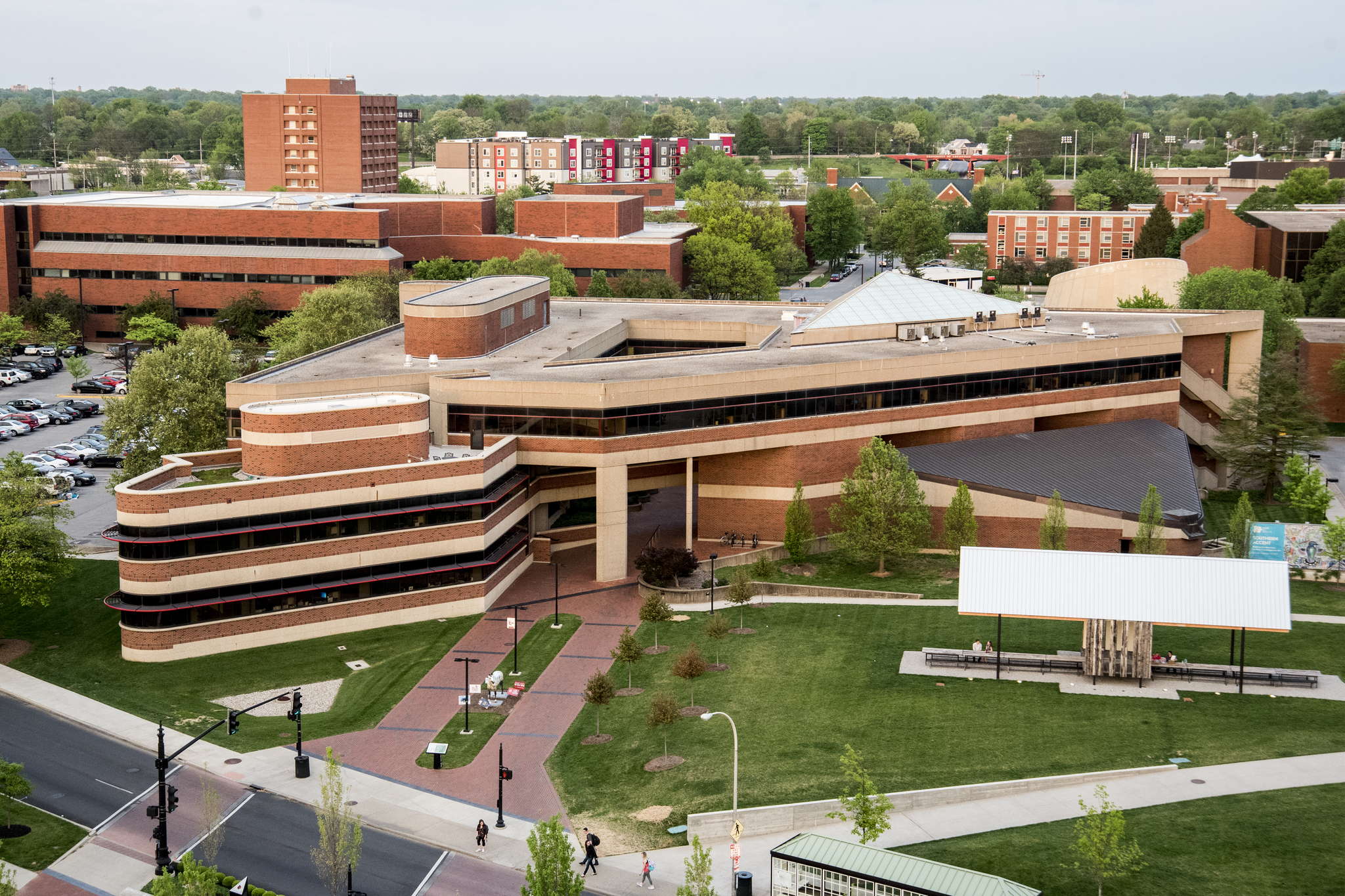
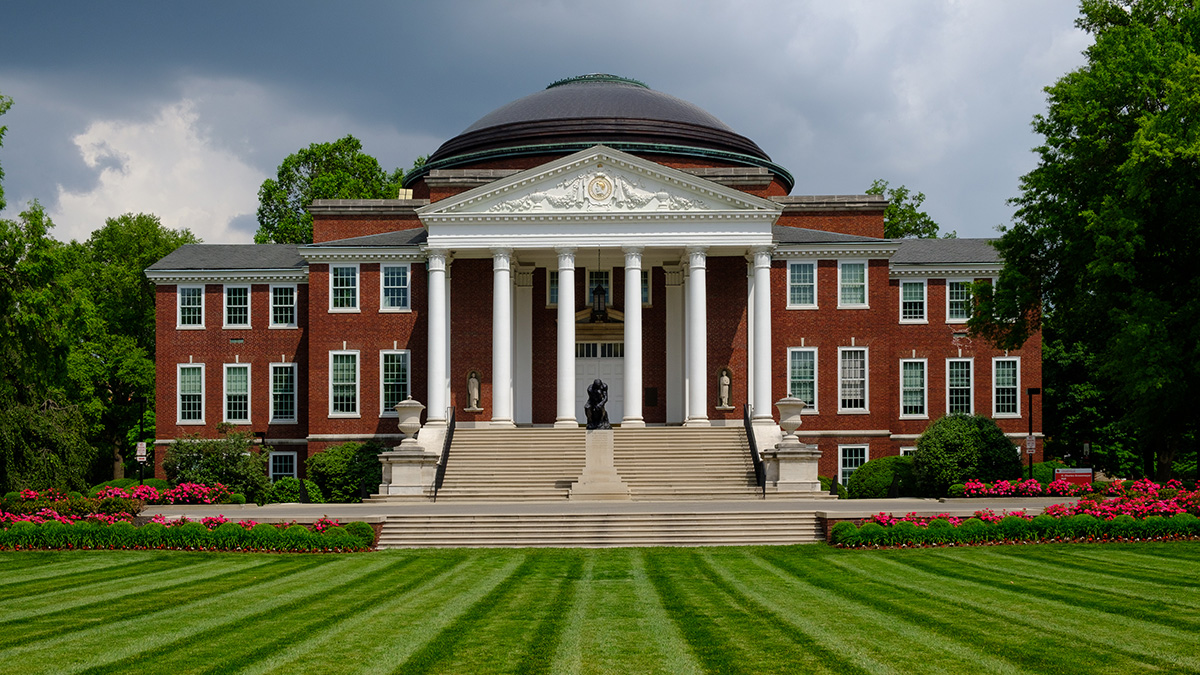
University of Louisville logo · sourceUofL Belknap Campus | LouisvilleKY.gov · sourceUniversity of Louisville | Main (Belknap) Campus · sourceUniversity of Louisville | TCLF · source