Admit rate has ranged 66%–92% over the last 5 years — notably volatile, though the latest figure above (58%) falls outside that window. Source: IPEDS via Urban Institute.
Acceptance & SAT from Common Data Set / IPEDS; net price, earnings & graduation from the U.S. Dept. of Education College Scorecard. Figures lag ~1–2 years — verify with the school.
Alabama A&M University, a public, historically black land-grant institution perched on 'The Hill' in Normal, Alabama, is a university of access and transformation. It operates with a practical, open-door mission, admitting a broad swath of students and channeling them through a career-focused curriculum anchored in fields like biology, business, and criminal justice. Life here is defined by a tight-knit, vibrant community where Greek life and campus traditions pulse alongside the serious work of preparing first-generation and underrepresented students for the workforce.
Admission requirements
Test-optional — scores considered if submitted
Required
High school transcript
Grade point average
TOEFL (non-native English)
Considered (not required)
Test scores (SAT/ACT)
Source: IPEDS Admissions survey (2022) via Urban Institute. Covers formal factors only — it does not reflect essays, extracurriculars, or other holistic criteria.
More details
Undergrad enrollment
6,124
In-state tuition
$10,024
Out-of-state tuition
$18,634
Campus Nickname
"The Hill"
Graduation Rate
24%
Median Earnings (10yr)
$40,628
Financial Aid Awarded Annually
Over $63 million
Outcomes & value
Outcomes & value
Median earnings (10 yr)
$40,628
Value (earnings ÷ net price)
2.3×
Median debt at graduation
$31,000
Graduation rate
24%
First-year retention
70%
Reducing loan balance (3 yr)
25%
Pell (lower-income) share
63%
First-gen share (among federal-aid recipients)
37%
Top-earning majors
Median earnings by field of study (highest credential), ~2 years after completion.
Electrical, Electronics, and Communications Engineering$61,303
Computer and Information Sciences, General$52,107
Mechanical Engineering$52,107
Civil Engineering$47,260
Business Administration, Management and Operations$39,153
Finance and Financial Management Services
Campus & location
Campus safety
On-campus violent crimes (2024)
8
Per 1,000 students
1.13
On-campus criminal offenses classed as violent (murder/non-negligent manslaughter, rape, robbery, aggravated assault) for the most recent reported year. Source: U.S. Dept. of Education Campus Safety and Security (Clery Act). Counts reflect what’s reported to the school, and urban campuses often report more partly due to non-student incidents nearby — read alongside campus size and setting, not as a standalone safety verdict.
Climate
Pleasant days / yr
86
Summer high
88°F
Winter low
37°F
Annual rain
62.2"
Annual snow
2.7"
Natural-hazard risk
Relatively High
Pleasant days counts days per year with a mean temperature of 55–75°F, a high at or below 90°F, a low at or above 45°F, and little precipitation — a transparent comfort measure, not a weighting we invented. Computed from Open-Meteo ERA5 daily history (2019–2023). Natural-hazard risk is the county’s composite rating from the FEMA National Risk Index.
Quick answers
What is the acceptance rate at Alabama A & M University?
Alabama A & M University's acceptance rate is approximately 58% (Normal, AL), based on the most recent figures we compiled from public and primary sources.
What SAT score do you need for Alabama A & M University?
Admitted students at Alabama A & M University typically score 810–1040 on the SAT (the middle-50% range). Scores outside this band are still admitted, especially with strong applications.
How much does Alabama A & M University cost?
At Alabama A & M University, the average net price (after aid) is about $17,621 per year. Actual cost varies with financial aid and residency.
How many undergraduates attend Alabama A & M University?
Alabama A & M University enrolls approximately 6,124 undergraduate students.
Where is Alabama A & M University located?
Alabama A & M University is located in Normal, AL.
Admissions
Alabama A&M's admissions process is structured for accessibility, evaluating applicants through a combination of high school GPA and test scores. The university uses a Composite Performance Index (CPI) score, which blends GPA and ACT/SAT results, though the high school GPA alone cannot be lower than a 2.25. This approach results in a moderately selective admissions landscape where the majority of applicants are admitted, creating a pathway for a diverse range of students, including many who may be the first in their families to attend college. The process does not appear to hinge on early decision programs or demonstrated interest in the same way elite private institutions do, focusing instead on academic preparedness as defined by the CPI.
Admissions Rate: The university admitted a record 9,757 students for the fall 2023 freshman class, reflecting a 30% increase in applicants.
Academic Profile: Admitted students typically present an average high school GPA around 3.02. For those who submit scores, the middle 50% SAT range is 810–1040, and the middle 50% ACT range is 14–19.
Application Volume: In a recent cycle, the university received 23,406 applications.
Earnings = median of students working ~10 years after entry; debt = median of graduates. Value divides 10-yr earnings by one year’s net price — read it as earnings per dollar of annual cost, not a full lifetime ROI; it favors lower-cost schools. Source: U.S. Dept. of Education College Scorecard. Figures lag ~2 years and reflect all students, not your intended major.
$37,568
Teacher Education and Professional Development, Specific Levels and Methods$37,208
Accounting and Related Services$35,416
Source: U.S. Dept. of Education College Scorecard (field-of-study earnings). Figures cover graduates who received federal aid and lag ~2 years; not all programs report data.
AAMU delivers a practical, career-oriented education through contemporary baccalaureate, master's, and doctoral programs. The academic environment is built on state-of-the-art facilities and a diverse faculty, with a strong emphasis on preparing students for specific professional fields. The curriculum is not designed for endless intellectual exploration but for targeted skill-building, a reflection of its land-grant and HBCU mission to elevate its community through education. According to internal data, nearly half (46%) of the student body exhibits high academic achievement.
The most popular majors reflect this career-focused approach:
Biology/Biological Sciences, General (14%)
Business Administration and Management, General (9%)
General Studies (7%)
Criminal Justice/Safety Studies
Students can search all undergraduate majors, minors, and concentrations through a dedicated online portal.
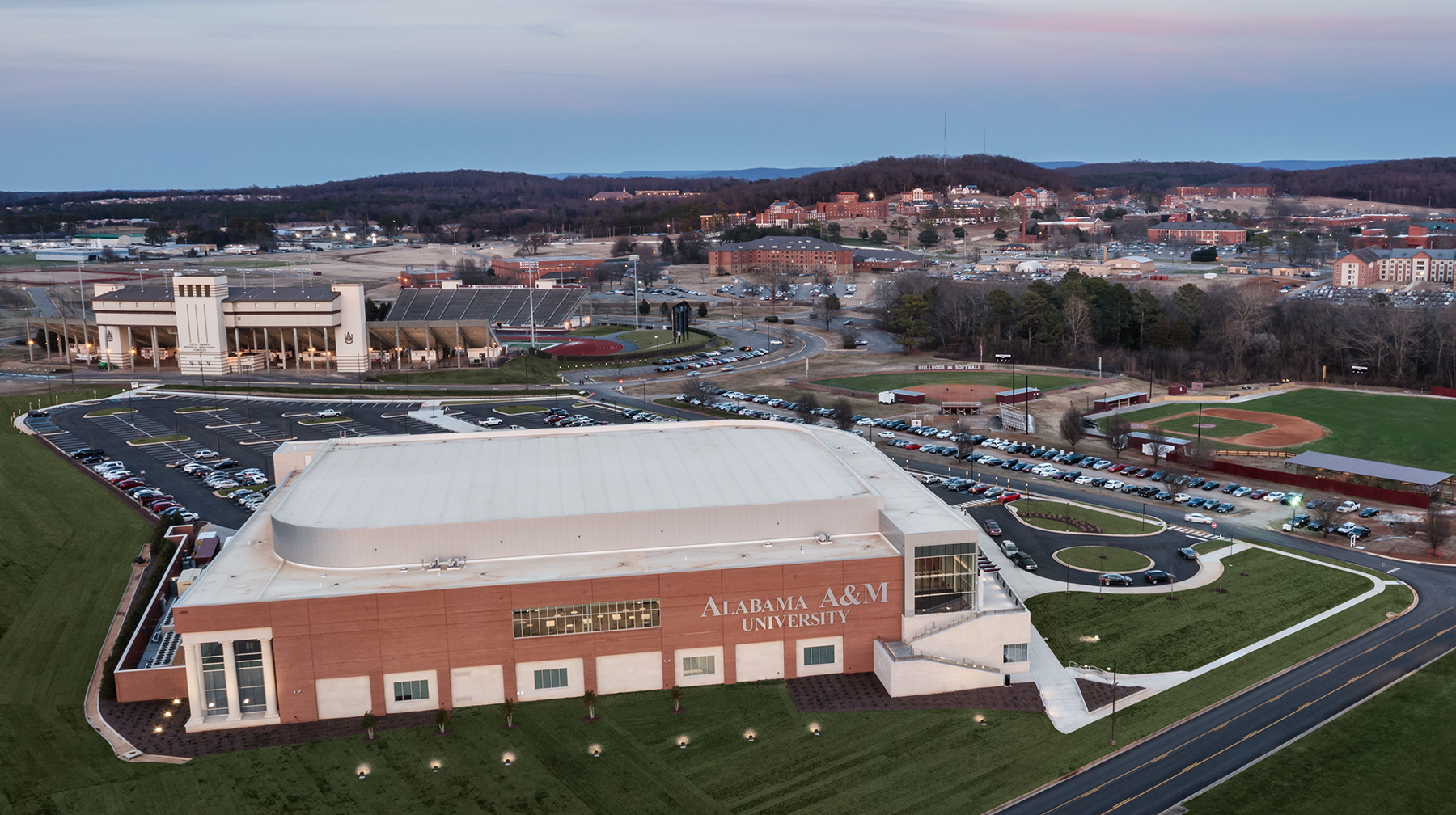
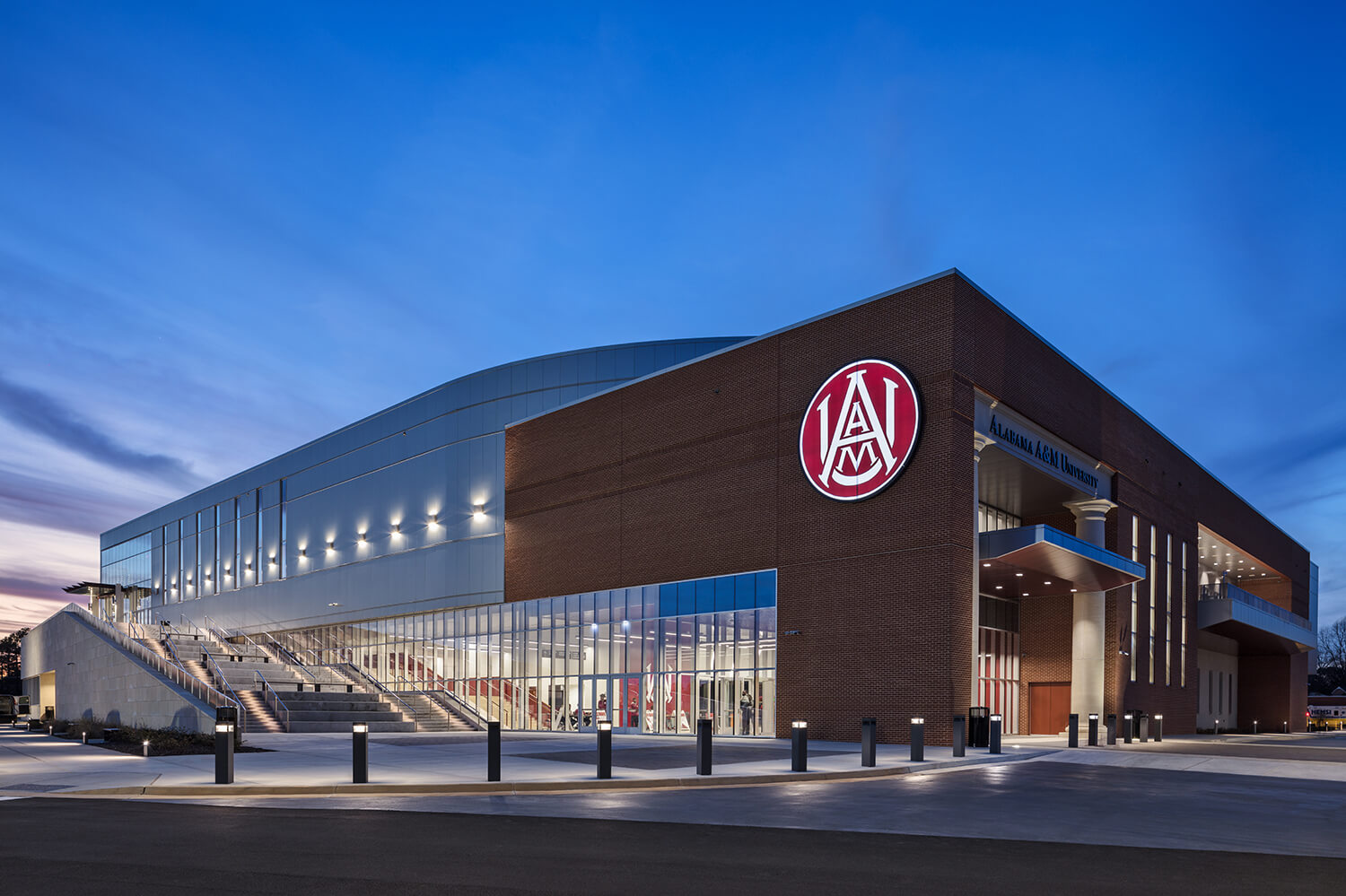
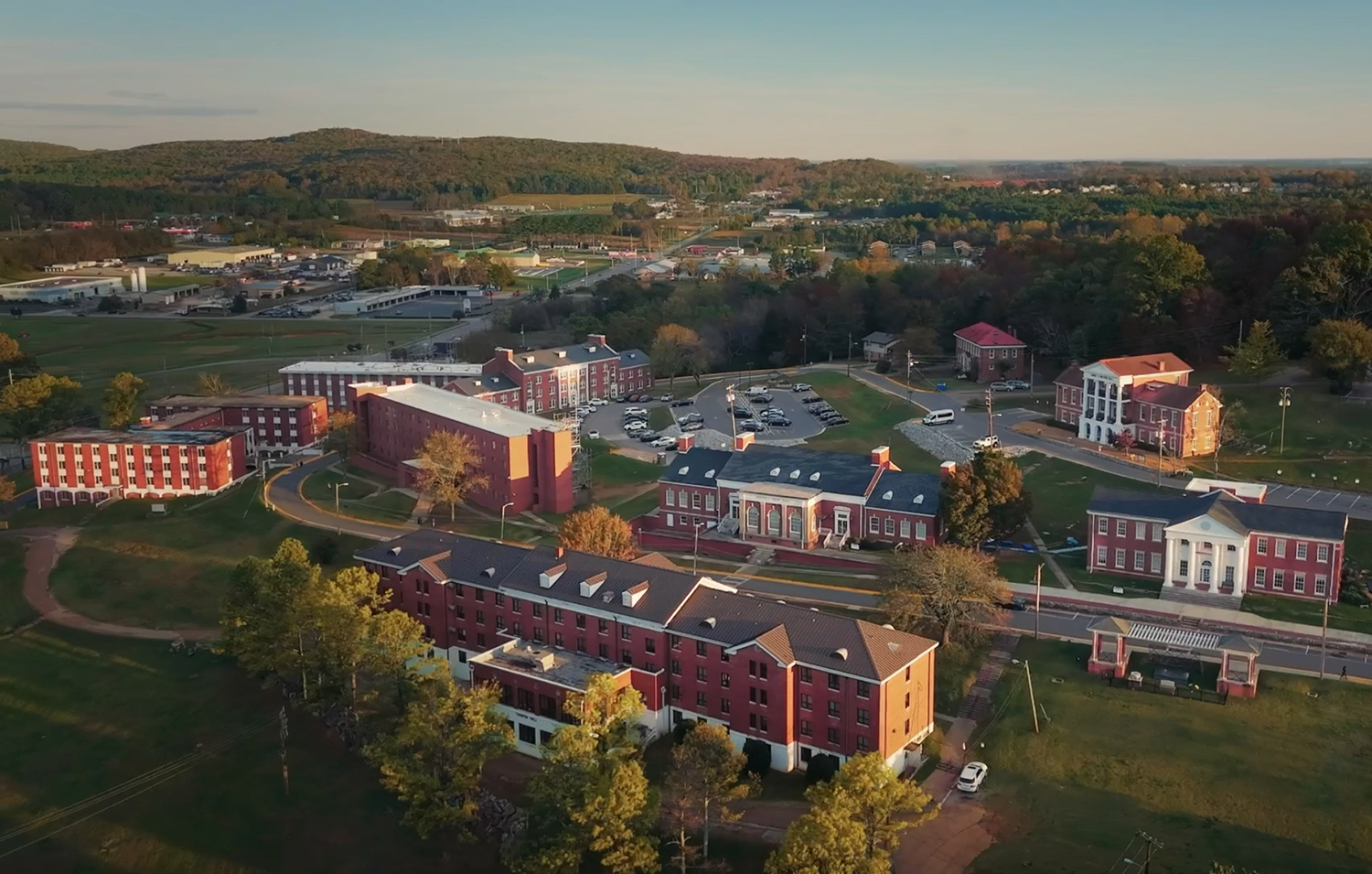
Life on 'The Hill' is the heart of the AAMU experience, characterized by a strong sense of community and active student engagement. The university fosters a vibrant campus culture where students are exposed to diverse people and ideas. New residence halls have improved the quality of on-campus living, and the Office of Student Life & Engagement sponsors a constant stream of activities, parades, and events to connect students to the campus. Greek life is a significant and visible part of the social fabric, with its own dedicated 'Sorority Row.' The campus itself is a neighborhood within the larger city of Huntsville, offering a self-contained community feel with access to urban amenities. Student-produced tours highlight key features like classrooms, the stadium, a Starbucks, the library, and dorms, painting a picture of a lively, self-contained world.
Outcomes for AAMU graduates are a mixed picture, reflecting both the transformative potential of the institution and the significant challenges its student body often faces. The university openly tracks and reports on student achievement goals, with targets for graduation rates. Recent data shows a completion rate below its target, highlighting the work-in-progress nature of student success initiatives.
Earnings data for graduates varies by source and timeframe:
One source reports median earnings six years after graduation at $27,851.
Another shows earnings one year after graduation at $35,983, rising to $52,246 five years after graduation.
Graduates in fields like social sciences and humanities report earnings in the lower to mid-range compared to other majors.
The Career Development Services office prepares comprehensive reports on salary and career outcomes, providing crucial data for current students. The path from admission to degree completion is a central challenge, with the institution actively working to improve persistence and graduation rates.
Alabama A&M positions itself as an affordable public university, with a significant financial aid apparatus designed to help students manage costs. The Office of Financial Aid awards over $63 million in assistance annually through scholarships, grants, work-study, and loans. This includes need-based state grants like the Alabama Student Assistance Program (ASAP), which requires demonstrated financial need and can range from $300 to $5,000 per year. The university provides a Calculator to help families estimate their true after factoring in potential aid.
It is important to note that, according to parent discussions, the university does not meet 100% of demonstrated financial need for all admitted students. Aid packages are typically a mix of grants, which may be one-time cash awards or tuition reductions from 15% to 100%, and loans. The average net price—the cost after grants and scholarships—is a key figure for families budgeting for college.
Alabama A&M stands out as a vital engine of social mobility in the South, unwavering in its historic mission as both a land-grant and a Historically Black University. Its identity isn't rooted in exclusivity, but in purposeful inclusion—taking a large, diverse cohort of students, many with modest academic profiles, and providing them with a supportive, community-rich environment and a direct, career-aligned education. The vibrant culture on 'The Hill,' complete with its own traditions and a powerful Greek life presence, offers the classic HBCU experience of belonging and pride. While graduation rates signal the very real difficulties of its mission, the university's focus on practical majors like biology, business, and criminal justice, coupled with dedicated career services, is a clear-eyed strategy to convert access into tangible outcomes. It’s a university that measures its success not by who it keeps out, but by how many it lifts up.
Alabama A & M University seal · sourceAbout - Alabama A&M University · sourceAlabama A&M University - Alabama A&M University · sourceAlabama A&M University - Alabama A&M University · source