Loading…
← All schools
Ohio University-Eastern Campus
Saint Clairsville, OHpublicohio.edu
Avg net price
$3,925
Earnings (10 yr)
$52,581
Graduation rate
21%
Acceptance & SAT from Common Data Set / IPEDS; net price, earnings & graduation from the U.S. Dept. of Education College Scorecard. Figures lag ~1–2 years — verify with the school.
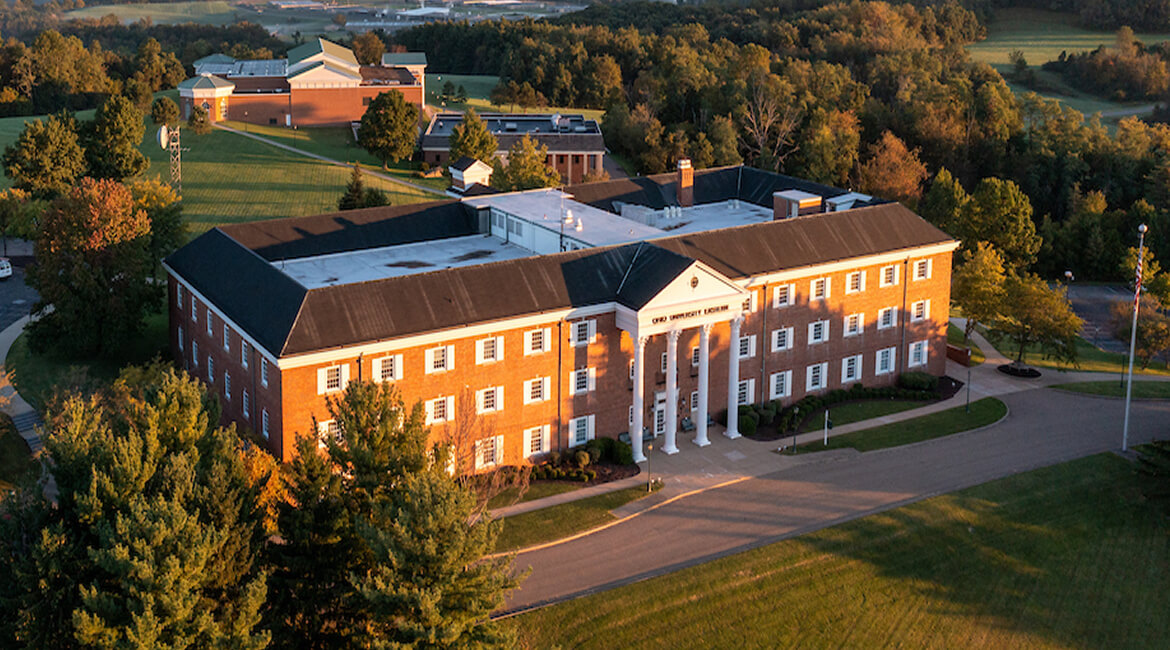
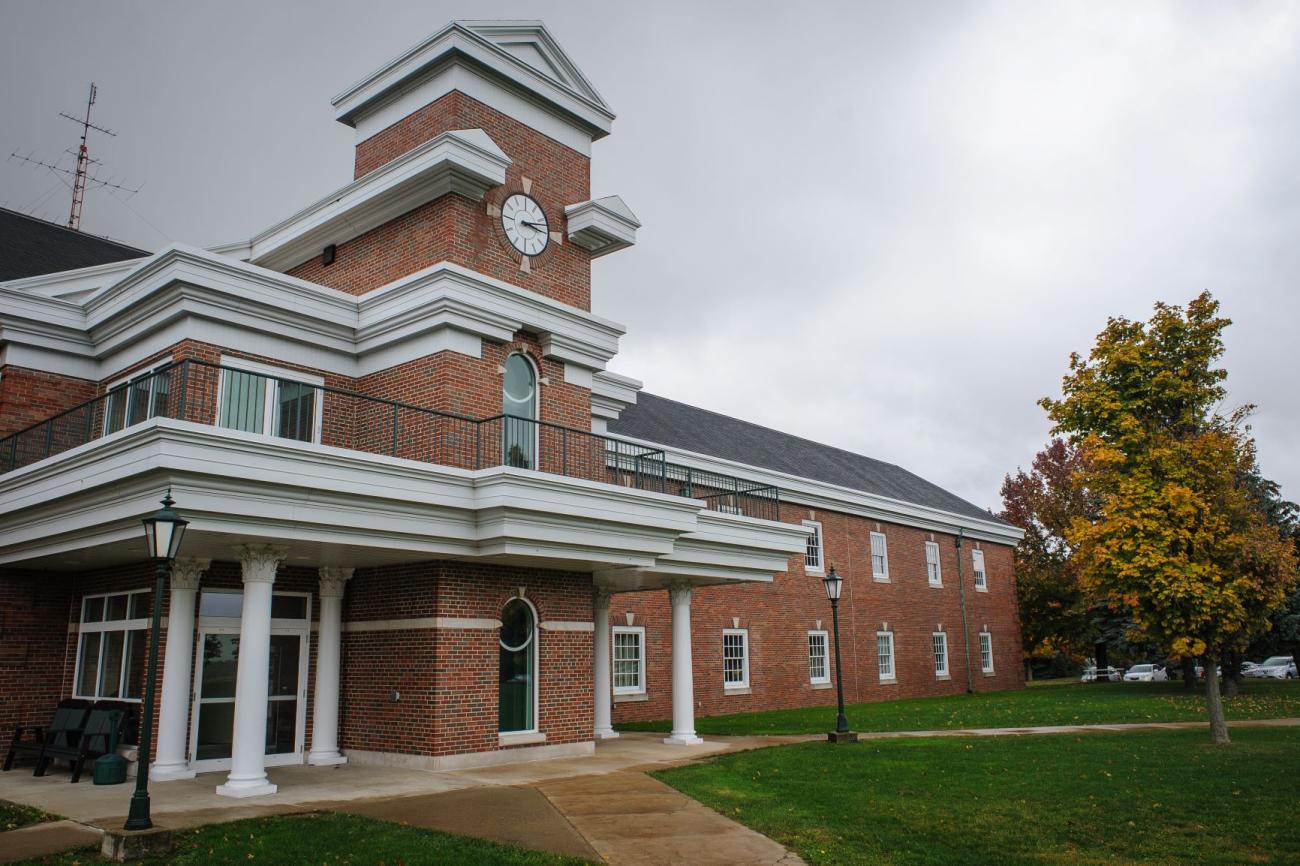
Ohio University-Eastern Campus operates not as a traditional selective college, but as a deeply accessible, low-cost regional outpost designed to serve the local community. It’s a place where open admissions meet a pragmatic slate of bachelor's degrees, from business to social work, all delivered with a focus on affordability and flexibility for students who often live and work close to home. The campus vibe is that of a commuter-focused hub where student life is self-directed through clubs and organizations, and outcomes are measured more by individual persistence than by a typical four-year residential timeline.
More details
- Undergrad enrollment
- 298
- In-state tuition
- $6,362
- Out-of-state tuition
- $9,444
- Academic Model
- Affordable, accessible, flexible pathways
- Key Aid Policy
- OHIO Guarantee (Fixed-rate tuition)
- Graduation Rate
- 21%
- Notable Programs
- Business, Education, Criminal Justice, Social Work
- Student Body Focus
- Commuter, Non-traditional, Local
- Median Earnings (10yr)
- $52,581
Outcomes & value
Outcomes & value
- Median earnings (10 yr)
- $52,581
- Value (earnings ÷ net price)
- 13.4×
- Median debt at graduation
- $21,056
- Graduation rate
- 21%
- First-year retention
- 63%
- Reducing loan balance (3 yr)
- 52%
- Pell (lower-income) share
- 10%
- First-gen share (among federal-aid recipients)
- 34%
Earnings = median of students working ~10 years after entry; debt = median of graduates. divides 10-yr earnings by net price — read it as earnings per dollar of annual cost, not a full lifetime ROI; it favors lower-cost schools. Source: U.S. Dept. of Education College Scorecard. Figures lag ~2 years and reflect all students, not your intended major.
Top-earning majors
Median earnings by field of study (highest credential), ~2 years after completion.
- Electrical, Electronics, and Communications Engineering$68,219
- Computer Science$67,202
- Mechanical Engineering$62,775
- Registered Nursing, Nursing Administration, Nursing Research and Clinical Nursing$62,463
- Industrial Engineering$61,020
- Civil Engineering
Campus & location
Campus safety
- On-campus violent crimes (2024)
- 0
On-campus criminal offenses classed as violent (murder/non-negligent manslaughter, rape, robbery, aggravated assault) for the most recent reported year. Source: U.S. Dept. of Education Campus Safety and Security (Clery Act). Counts reflect what’s reported to the school, and urban campuses often report more partly due to non-student incidents nearby — read alongside campus size and setting, not as a standalone safety verdict.
Climate
- Pleasant days / yr
- 94
- Summer high
- 82°F
- Winter low
- 27°F
- Annual rain
- 47.8"
- Annual snow
- 21.3"
- Natural-hazard risk
- Relatively Low
Pleasant days counts days per year with a mean temperature of 55–75°F, a high at or below 90°F, a low at or above 45°F, and little precipitation — a transparent comfort measure, not a weighting we invented. Computed from Open-Meteo ERA5 daily history (2019–2023). Natural-hazard risk is the county’s composite rating from the FEMA National Risk Index.
Quick answers
- How much does Ohio University-Eastern Campus cost?
- At Ohio University-Eastern Campus, the average net price (after aid) is about $3,925 per year. Actual cost varies with financial aid and residency.
- How many undergraduates attend Ohio University-Eastern Campus?
- Ohio University-Eastern Campus enrolls approximately 298 undergraduate students.
- Where is Ohio University-Eastern Campus located?
- Ohio University-Eastern Campus is located in Saint Clairsville, OH.
Admissions
Admissions at Ohio University-Eastern is defined by its accessibility, not its selectivity. The College Scorecard explicitly states the campus has an open admission policy, which means that all students who apply are accepted. This fundamentally shapes the student body, removing the traditional gatekeeping of standardized tests and GPA thresholds. While sources like BigFuture and US News list for the broader Ohio University system (ranging from 82% to 88.64%), these figures do not apply to the Eastern Campus's open-door policy. The campus does not publish a competitive SAT/ACT range for admitted students, as test scores are not a barrier to entry. The admissions process, as described on the campus website, is straightforward: prospective students are encouraged to request information and schedule a tour, focusing on fit and planning rather than competitive evaluation.
Academics
Academics at Ohio University-Eastern are built on the principle of providing affordable, accessible and flexible pathways close to home. The campus offers a focused portfolio of bachelor's degrees designed for practical, local application. Students can choose from programs including Business Studies, Communication Studies, Criminal Justice, Early Childhood and Elementary Education, General Studies, Health Services Administration, History, and Social Work. The social work program, for instance, explicitly aims to prepare graduates to be advocates within their own communities. The campus also promotes its education majors, which are geared toward . This is not a research-intensive liberal arts college; it's a teaching-focused center where degree programs are directly tied to regional workforce needs and public service. The academic model is built around the needs of non-traditional, commuter, and place-bound students.
Compare Ohio University-Eastern Campus
vs University of Minnesota-Morrisvs Dickinson State Universityvs Chicago State Universityvs Governors State University
See colleges similar to Ohio University-Eastern Campus →Sources
- University Data
- Historical Common Data Set Reports
- Institutional Data and Reports | The Ohio State University
- Ohio University-Eastern Campus: Acceptance Rate, SAT & Cost
- Eastern Campus Admissions
- Ohio University-Eastern Campus - College Scorecard
- Start Your Freshman Journey at Ohio University
- Ohio University: Eastern Campus - BigFuture College Search
- Ohio University Admissions - US News Best Colleges
- Ohio University Eastern Requirements for Admission
- Ohio University: Acceptance Rate, SAT/ACT Scores, GPA