Loading…
← All schools
Radford University
Radford, VApublicradford.edu
Acceptance
90%
SAT 25–75
940–1160
Avg net price
$14,578
Earnings (10 yr)
$53,739
Graduation rate
49%
Admit rate has ranged 75%–95% over the last 5 years — notably volatile. Source: IPEDS via Urban Institute.
Acceptance & SAT from Common Data Set / IPEDS; net price, earnings & graduation from the U.S. Dept. of Education College Scorecard. Figures lag ~1–2 years — verify with the school.
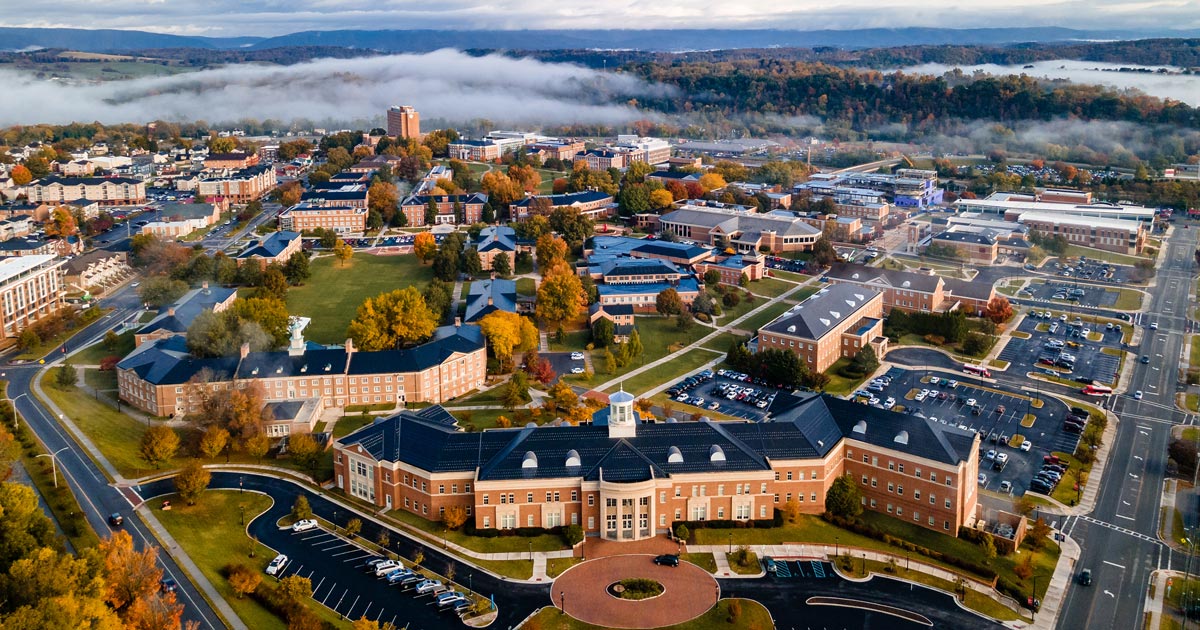
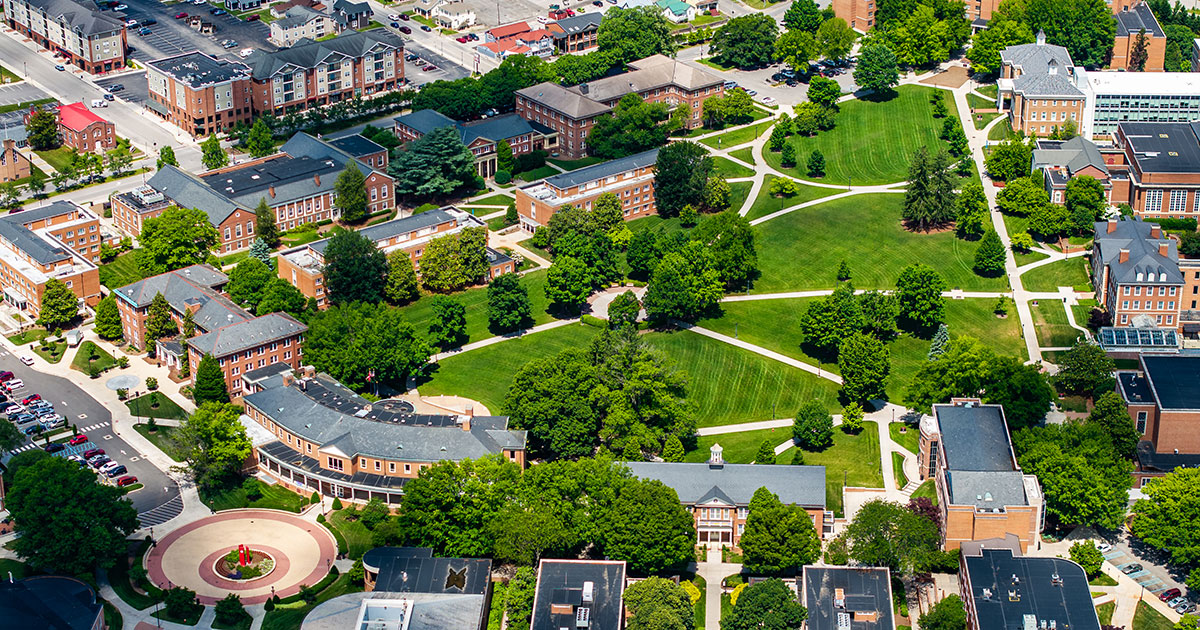
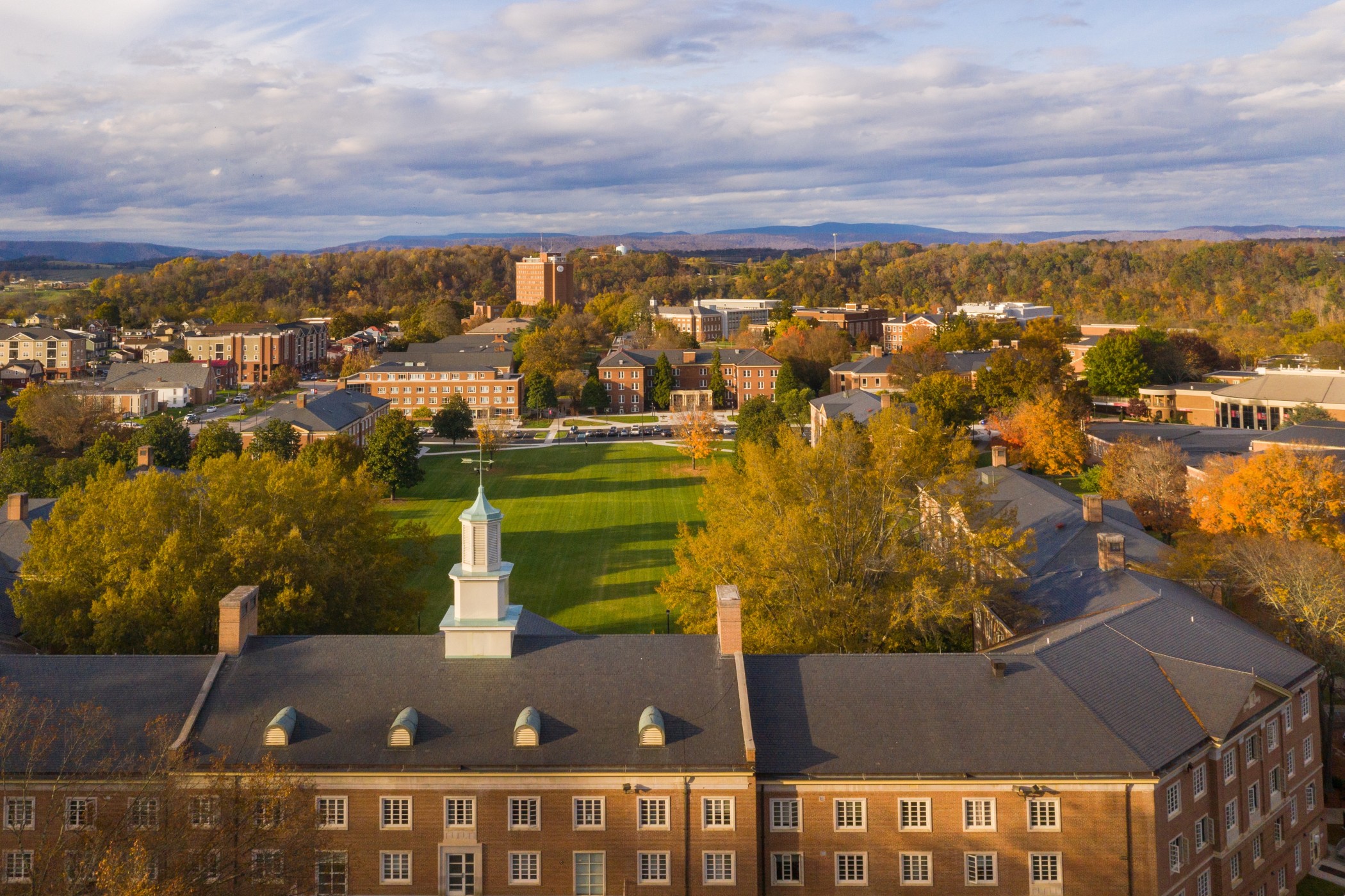
Radford University is a public institution in Virginia that positions itself as an accessible, hands-on gateway to the professions, particularly in health sciences and business. With an acceptance rate hovering around 90%, it operates as a high-access institution where the primary challenge isn't getting in, but graduating—the four-year graduation rate is just 34%. The vibe is that of a classic, residential state school nestled in the Blue Ridge Mountains, offering a vibrant campus life and a practical, career-focused education at a relatively affordable net price.
Admission requirements
Test-optional — scores considered if submitted
Required
- High school transcript
- Grade point average
- TOEFL (non-native English)
Considered (not required)
- Class rank
- Letters of recommendation
- Test scores (SAT/ACT)
- College-prep program
Source: IPEDS Admissions survey (2022) via Urban Institute. Covers formal factors only — it does not reflect essays, extracurriculars, or other holistic criteria.
More details
- Undergrad enrollment
- 6,038
- In-state tuition
- $12,548
- Out-of-state tuition
- $25,633
- On-Campus Housing
- 46% of students
- Financial Aid Note
- May not meet full cost of attendance
- Most Popular Major
- Registered Nursing
- Median Earnings (10yr)
- $53,739
- Four-Year Graduation Rate
- 34%
Outcomes & value
Outcomes & value
- Median earnings (10 yr)
- $53,739
- Value (earnings ÷ net price)
- 3.7×
- Median debt at graduation
- $24,000
- Graduation rate
- 49%
- First-year retention
- 76%
- Reducing loan balance (3 yr)
- 68%
- Pell (lower-income) share
- 37%
- First-gen share (among federal-aid recipients)
- 31%
Top-earning majors
Median earnings by field of study (highest credential), ~2 years after completion.
- Computer Science$61,516
- Registered Nursing, Nursing Administration, Nursing Research and Clinical Nursing$57,366
- Finance and Financial Management Services$50,856
- Information Science/Studies$48,041
- Allied Health Diagnostic, Intervention, and Treatment Professions$46,478
- Accounting and Related Services
Campus & location
Campus safety
- On-campus violent crimes (2024)
- 3
- Per 1,000 students
- 0.39
On-campus criminal offenses classed as violent (murder/non-negligent manslaughter, rape, robbery, aggravated assault) for the most recent reported year. Source: U.S. Dept. of Education Campus Safety and Security (Clery Act). Counts reflect what’s reported to the school, and urban campuses often report more partly due to non-student incidents nearby — read alongside campus size and setting, not as a standalone safety verdict.
Climate
- Pleasant days / yr
- 105
- Summer high
- 83°F
- Winter low
- 30°F
- Annual rain
- 41.5"
- Annual snow
- 11.8"
- Natural-hazard risk
- Very Low
Pleasant days counts days per year with a mean temperature of 55–75°F, a high at or below 90°F, a low at or above 45°F, and little precipitation — a transparent comfort measure, not a weighting we invented. Computed from Open-Meteo ERA5 daily history (2019–2023). Natural-hazard risk is the county’s composite rating from the FEMA National Risk Index.
Deep dive — research, future-scholar output & economic mobility
Research output
- Institutional h-index
- 121
- Scholarly works
- 4,226
Institutional research volume and impact from OpenAlex. The h-index reflects large research universities and will be low for teaching-focused liberal-arts colleges — not a measure of undergraduate quality.
Economic mobility
- Mobility rate
- 1.0%
- Bottom → top quintile
- 22%
- From bottom quintile
- 4%
Mobility rate = the share of students who both start in the bottom household-income quintile and reach the top quintile; bottom → top is that chance conditional on starting at the bottom. Source: Opportunity Insights Mobility Report Cards (Chetty, Friedman, Saez, Turner & Yagan). Reflects 1980–82 birth cohorts, so it’s directional, not current.
Quick answers
- What is the acceptance rate at Radford University?
- Radford University's acceptance rate is approximately 90% (Radford, VA), based on the most recent figures we compiled from public and primary sources.
- What SAT score do you need for Radford University?
- Admitted students at Radford University typically score 940–1160 on the SAT (the middle-50% range). Scores outside this band are still admitted, especially with strong applications.
- How much does Radford University cost?
- At Radford University, the average net price (after aid) is about $14,578 per year. Actual cost varies with financial aid and residency.
- How many undergraduates attend Radford University?
- Radford University enrolls approximately 6,038 undergraduate students.
- Where is Radford University located?
- Radford University is located in Radford, VA.
Admissions
Radford's admissions process is defined by high accessibility. The university is , meaning it does not require SAT, ACT, or CLT scores for admission. The process is straightforward, with the university's own guidelines stating an 87% for new freshman applicants. Academic factors are paramount; the indicates that the institution gives special consideration to students with demonstrated talent or abilities in areas of interest, such as sports, the arts, or languages. While the university publishes a Common Data Set—a standardized report on admissions and institutional data—the specific weight given to factors like GPA, class rank, or essays is detailed within that document. The admissions office encourages the use of its Calculator for prospective students to estimate costs early in the process.
Academics
Radford's academic identity is firmly rooted in career preparation, with a curriculum that blends liberal arts foundations with professional training. The most popular majors reflect this practical orientation: Health Services/Allied Health/Health Sciences, General; Business/Commerce, General; and Multi-/Interdisciplinary Studies. Registered Nursing is the single most conferred degree, with around 259 granted annually. The university promotes itself as offering "affordable, hands-on learning" and a "vibrant campus" experience. It retains strong liberal arts roots, featuring an extensive, multidisciplinary core curriculum that samples from various fields. Beyond undergraduate studies, Radford offers diverse graduate programs and continuing education opportunities aimed at fostering advanced learning and professional development.
Compare Radford University
vs Coastal Carolina Universityvs University of South Carolina-Upstatevs Northern Kentucky Universityvs Southern Arkansas University Main Campus
See colleges similar to Radford University →Sources
- Common Data Set - Radford University
- [PDF] Common Data Set 2024-2025 - Radford University
- Institutional Research at Radford University
- Common Data Set: Home
- The Common Data Set: What It Is & How to Use It In College ...
- Common Data Set | The Office of Institutional Research
- Freshman Application Guidelines | Radford University
- Radford SAT Scores and GPA - PrepScholar
- Radford University Admissions - BigFuture College Search
- Radford University Carilion Admissions & Acceptance - Niche
- Radford University (RU) - The Princeton Review College Rankings ...