Admit rate has ranged 28%–35% over the last 5 years, though the latest figure above (38%) falls outside that window. Source: IPEDS via Urban Institute.
Acceptance & SAT from Common Data Set / IPEDS; net price, earnings & graduation from the U.S. Dept. of Education College Scorecard. Figures lag ~1–2 years — verify with the school.
Scripps College is a singular proposition: a women's college with the soul of a liberal arts purist and the resources of a research consortium, set in a sun-drenched, Spanish Colonial Revival enclave in Claremont, California. It's a place where the intellectual rigor of a demanding, writing-intensive Core curriculum meets a fiercely progressive, collaborative student culture, all amplified by the academic and social cross-pollination of the Claremont Colleges. For students who thrive on close mentorship, interdisciplinary exploration, and a community built on intentional leadership, Scripps offers a potent and distinctive education.
Admission requirements
Test-optional — scores considered if submitted
Required
High school transcript
Letters of recommendation
College-prep program
TOEFL (non-native English)
Considered (not required)
Grade point average
Class rank
Test scores (SAT/ACT)
Source: IPEDS Admissions survey (2022) via Urban Institute. Covers formal factors only — it does not reflect essays, extracurriculars, or other holistic criteria.
More details
Undergrad enrollment
1,113
In-state tuition
$65,950
Out-of-state tuition
$65,950
Graduation Rate
83%
Meets Full Need
No universal no-loan policy indicated
ED Share of Class
~72% (Estimated)
First-Year Retention
Data not provided in sources
Demonstrated Interest
Data not provided in sources
Median Earnings (10yr)
$77,539
Outcomes & value
Outcomes & value
Median earnings (10 yr)
$77,539
Value (earnings ÷ net price)
2.1×
Median debt at graduation
$13,500
Graduation rate
83%
First-year retention
94%
Reducing loan balance (3 yr)
92%
Pell (lower-income) share
11%
Endowment / student
$443,988
Earnings = median of students working ~10 years after entry; debt = median of graduates. Value divides 10-yr earnings by net price — read it as earnings per dollar of annual cost, not a full lifetime ROI; it favors lower-cost schools. Source: U.S. Dept. of Education College Scorecard. Figures lag ~2 years and reflect all students, not your intended major.
Financial health
2.5 / 3.0Meets the federal financial-responsibility standard
U.S. Dept. of Education Financial Responsibility Composite Score (FY2022-23). Scale −1.0 to 3.0; ≥1.5 meets the standard. Reported for private nonprofit & for-profit institutions only — public universities are state-backed and not scored, so this is a stability signal, not a ranking.
Top-earning majors
Median earnings by field of study (highest credential), ~2 years after completion.
Psychology, General$18,771
Source: U.S. Dept. of Education College Scorecard (field-of-study earnings). Figures cover graduates who received federal aid and lag ~2 years; not all programs report data.
Co-application frequency from self-reported results — directional peer discovery, not a recommendation.
Campus & location
Campus safety
On-campus violent crimes (2024)
2
Per 1,000 students
1.77
On-campus criminal offenses classed as violent (murder/non-negligent manslaughter, rape, robbery, aggravated assault) for the most recent reported year. Source: U.S. Dept. of Education Campus Safety and Security (Clery Act). Counts reflect what’s reported to the school, and urban campuses often report more partly due to non-student incidents nearby — read alongside campus size and setting, not as a standalone safety verdict.
Climate
Pleasant days / yr
176
Summer high
90°F
Winter low
46°F
Annual rain
33.3"
Annual snow
3.5"
Natural-hazard risk
Very High
Pleasant days counts days per year with a mean temperature of 55–75°F, a high at or below 90°F, a low at or above 45°F, and little precipitation — a transparent comfort measure, not a weighting we invented. Computed from Open-Meteo ERA5 daily history (2019–2023). Natural-hazard risk is the county’s composite rating from the FEMA National Risk Index.
Deep dive — research, future-scholar output & economic mobility▾
Research output
Institutional h-index
96
Scholarly works
1,960
Institutional research volume and impact from OpenAlex. The h-index reflects large research universities and will be low for teaching-focused liberal-arts colleges — not a measure of undergraduate quality.
Share of this school’s graduates who go on to earn research doctorates (2010–20), by national rank and per-capita yield (NSF institutional-yield ratio). A signal of a research-oriented student culture — not a causal promise, since it partly reflects who enrolls. Only top producers appear. Source: NSF NCSES, Baccalaureate Origins of U.S. Research Doctorate Recipients.
Economic mobility
Quick answers
What is the acceptance rate at Scripps College?
Scripps College's acceptance rate is approximately 38% (Claremont, CA), based on the most recent figures we compiled from public and primary sources.
What SAT score do you need for Scripps College?
Admitted students at Scripps College typically score 1440–1540 on the SAT (the middle-50% range). Scores outside this band are still admitted, especially with strong applications.
How much does Scripps College cost?
At Scripps College, the average net price (after aid) is about $36,294 per year. Actual cost varies with financial aid and residency.
How many undergraduates attend Scripps College?
Scripps College enrolls approximately 1,113 undergraduate students.
Where is Scripps College located?
Scripps College is located in Claremont, CA.
Admissions
Gaining admission to Scripps is a selective but nuanced process, where the college's identity as a women's college within a larger consortium shapes its approach. The overall is 38%, but the landscape changes dramatically depending on when you apply. Early Decision is a powerful pathway; for the Class of 2028, Scripps admitted 48.1% of its ED I applicants. One analysis suggests the college fills a significant portion of its class—potentially just under 72%—through Early Decision, making the Regular Decision round exponentially more competitive. The middle 50% SAT range for admitted students who submit scores is 1440–1540, though Scripps maintains a policy where students "will not have to justify" their choice not to submit scores. The admissions office can be reached at (909) 621-8149 or via toll-free number 800-770-1333, with a mailing address at 1030 Columbia Ave.
Mobility rate = the share of students who both start in the bottom household-income quintile and reach the top quintile; bottom → top is that chance conditional on starting at the bottom. Source: Opportunity Insights Mobility Report Cards (Chetty, Friedman, Saez, Turner & Yagan). Reflects 1980–82 birth cohorts, so it’s directional, not current.
Academics
The academic heartbeat of Scripps is its renowned Core Curriculum in Interdisciplinary Humanities, a three-semester sequence that immerses all first-years and sophomores in foundational texts and intensive writing. This program establishes a common intellectual language and is often described as the defining academic experience, even if some students find its consistency varies. Beyond the Core, students have access to more than 65 majors and programs across the Claremont Consortium, allowing for frequent double or dual majors. Popular and prominent majors include Biology, English, Environmental Analysis, and Neuroscience. The academic culture is notably rigorous; students and observers note that "Scripps classes are as hard or harder than other 5c classes," with a reputation for excellent, involved, and caring professors. This environment fosters high earning potential, with the college noting its alums "outperform the national average in terms of the earnings gap between college and high school graduates."
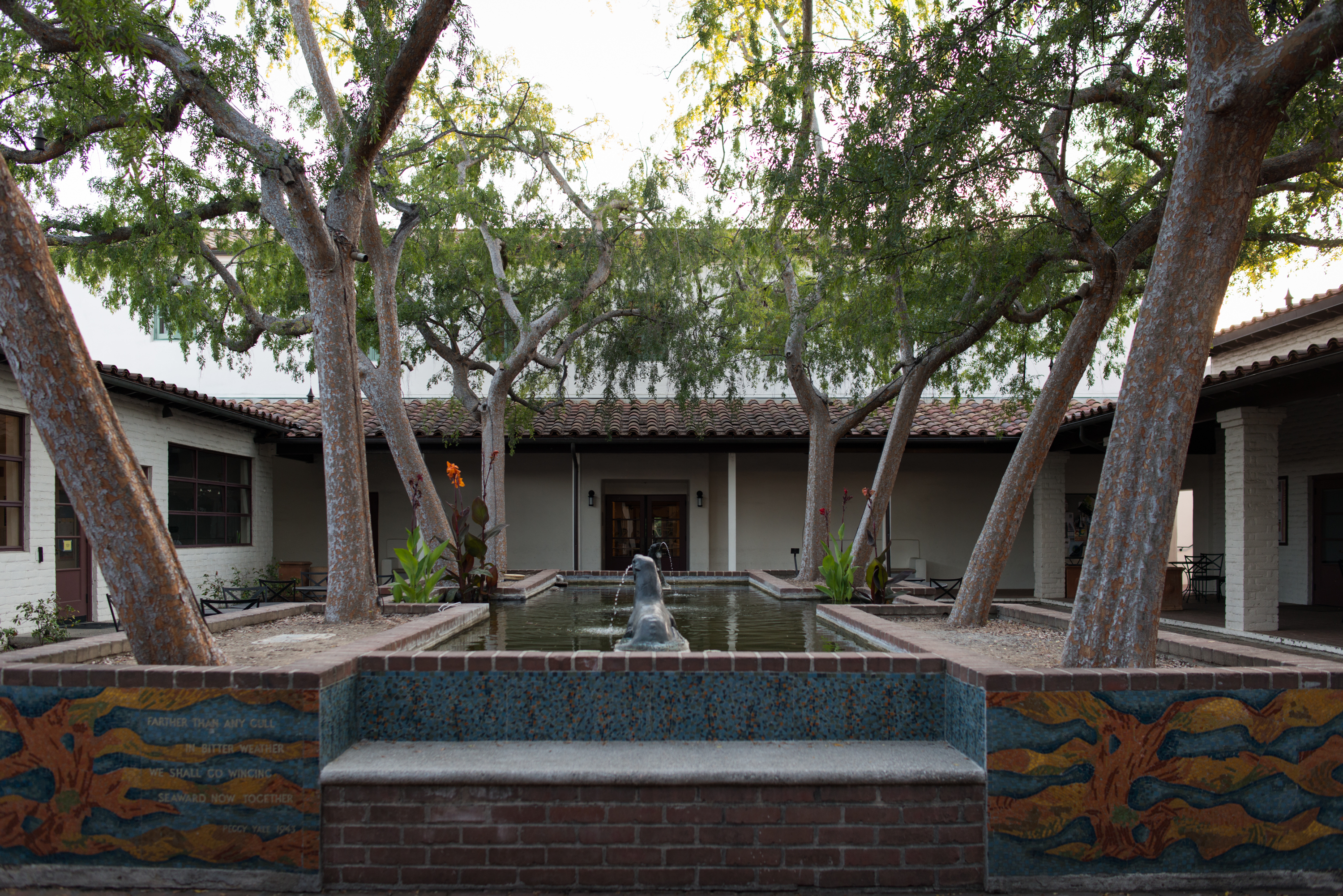
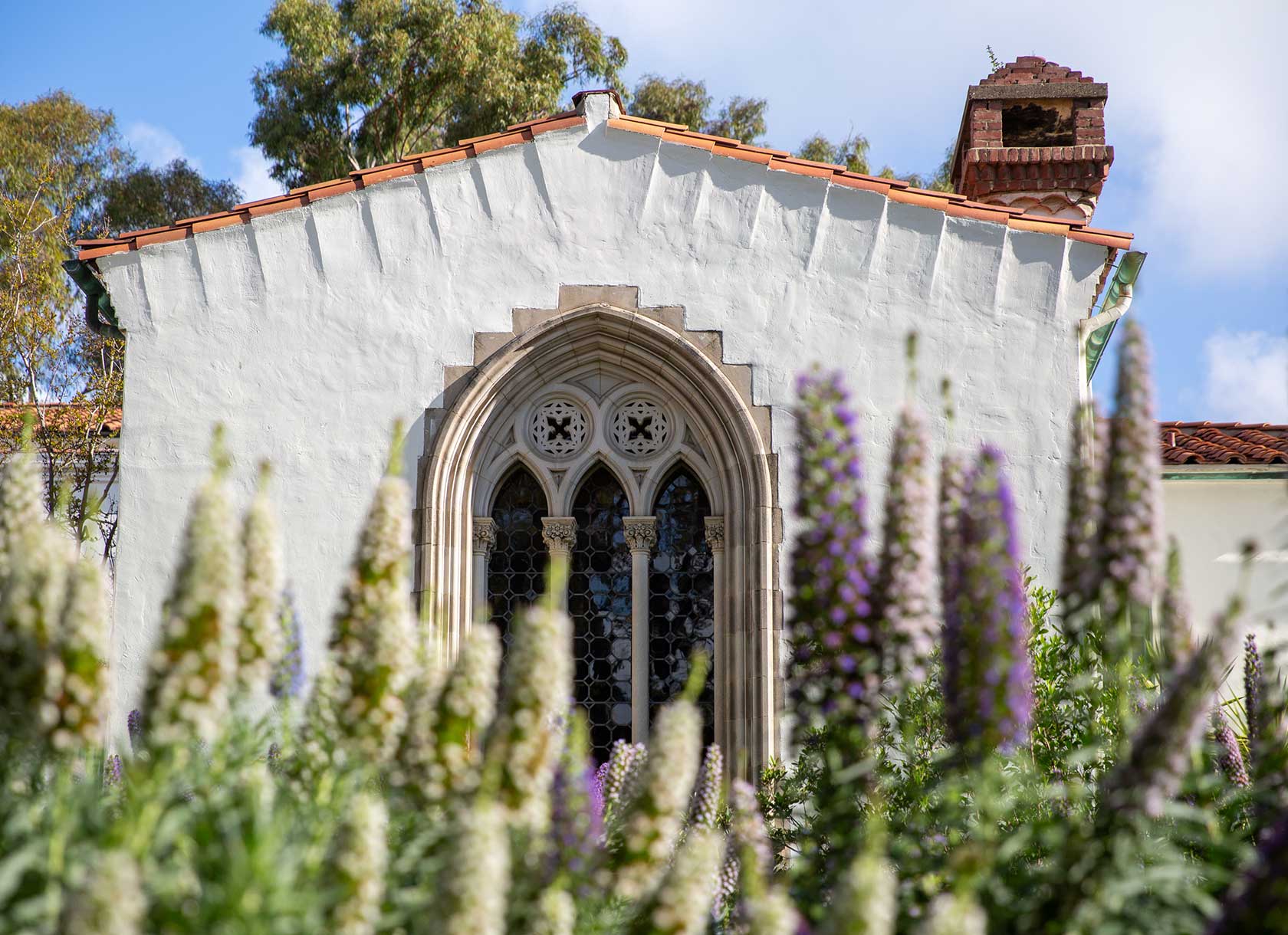
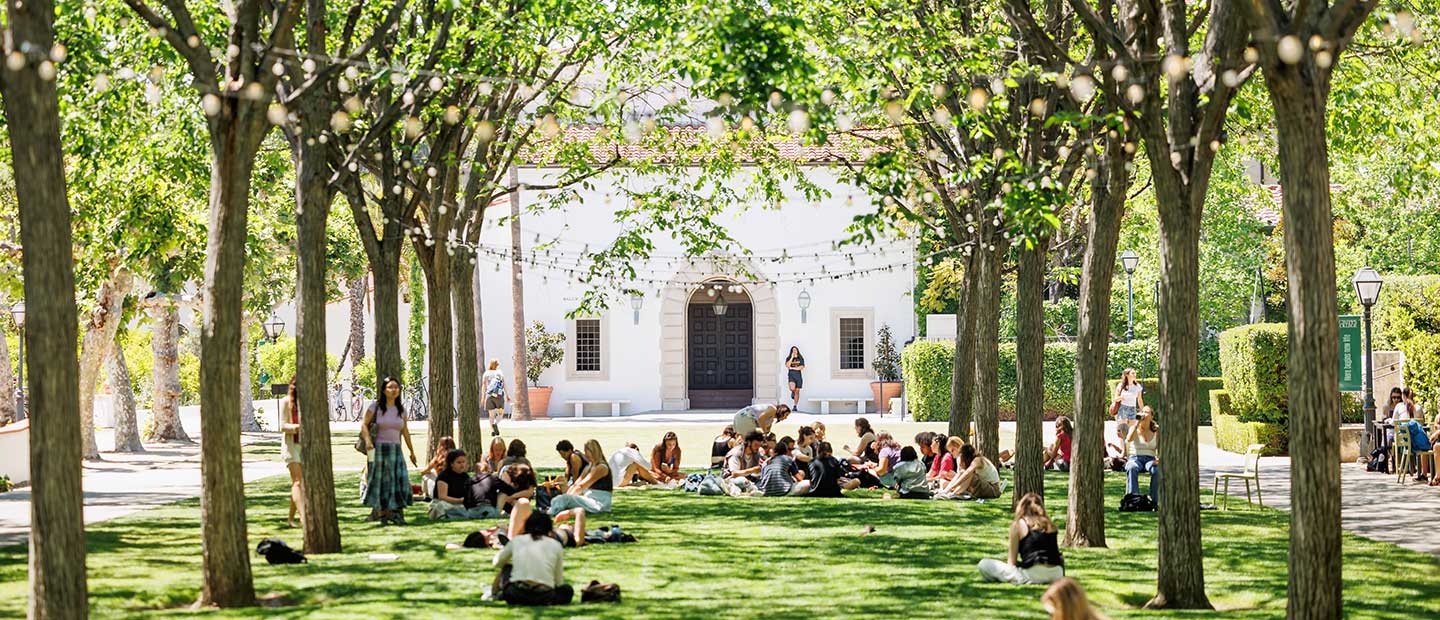
Life at Scripps unfolds within a stunning, rose-filled campus of Spanish Colonial Revival architecture, but it is far from insular. The community is self-described as "super liberal" politically and socially, a place where students might introduce themselves with pronouns and access needs. Leadership is a stated pillar, "infused throughout the curriculum and community," empowering students to define what being a leader means to them. The college's identity is anchored in beloved traditions that build class cohesion and continuity:
Graffiti Wall: A protected campus wall where each class leaves its painted mark.
Weekly Tea: A Thursday afternoon institution fostering informal community gathering.
Matriculation: The formal ceremony marking the beginning of the Scripps journey.
Daily life is deeply integrated with the other Claremont Colleges (Pomona, Claremont McKenna, Harvey Mudd, and Pitzer), giving Scripps students the intimate community of a women's college with the social and academic options of a mid-sized university. Practical aspects of campus life, like updated swipe-access door readers for security, are actively discussed by the student body. The overall vibe, as shared by an admitted student, is that attending one of the 5Cs "has been my dream," highlighting the powerful draw of this collaborative model.
A Scripps degree is a strong launchpad, with outcomes that significantly outpace national averages. The college's four-year graduation rate is 61%, but its overall graduation rate is a robust 83%, indicating many students leverage the flexibility of the consortium or pursue dual degrees. The most compelling financial metric is the median earnings ten years after entry, which is $77,539. This strong return is reflected in other data points, such as a median salary of $68,027 reported at graduation and earnings five years after graduation of $68,594. These figures substantiate the college's claim that its graduates see a high earnings premium, making the investment in a Scripps education one that typically pays back in about 6.7 years based on the average .
Scripps is transparent about its high sticker price but also proactive with financial support. The average after aid—the cost a typical student actually pays—is $36,294. is a significant component, with about 60% of all students receiving grant or scholarship aid and the average need-based financial aid award around $56,000. The college also offers substantial merit-based scholarships for all first-year applicants, ranging from $15,000 to $30,000 annually, with the highest award being the James E. Scripps Scholarship. It is important to note that while Scripps provides generous aid, it is not listed among colleges with a universal "no-loan" policy that meets 100% of need with grants alone; loan programs and payment plans are presented as options for those who do not qualify for full need-based aid or seek additional funding. Prospective students are encouraged to use the official Net Price Calculator for a personalized estimate.
Scripps College stands out not for any single attribute, but for the powerful, intentional synthesis it creates. It is one of the few remaining women's colleges in the West, offering the focused mentorship, leadership development, and community solidarity that model fosters. Yet, it completely avoids the potential insularity through its foundational membership in the Claremont Colleges, giving students immediate access to the courses, social scenes, and resources of four other top-tier institutions. Academically, it couples this open access with a distinctive, unifying Core curriculum that ensures every graduate is a skilled writer and critical thinker grounded in the humanities. The result is a unique ecosystem: a collaborative, progressive, and sun-drenched campus where students can experience the supportive intensity of a small, mission-driven college alongside the vast opportunities of a university consortium. For the right student, this isn't a compromise—it's the best of both worlds.
Scripps College seal · sourceScripps College Campus | Scripps College in Claremont, California · sourceFramed: Why is Scripps College's campus so beautiful? - The Student Life · sourceScripps College | A Women's Liberal Arts College in Claremont, California · source