Admit rate has ranged 9%–14% over the last 5 years. Source: IPEDS via Urban Institute.
Acceptance & SAT from Common Data Set / IPEDS; net price, earnings & graduation from the U.S. Dept. of Education College Scorecard. Figures lag ~1–2 years — verify with the school.
UCLA is a juggernaut of public higher education, a sprawling, sun-drenched campus where staggering academic ambition meets the relentless energy of Los Angeles. It's a place defined by its contradictions: intensely selective yet massive in scale, globally renowned yet deeply Californian, where students navigate a pressure-cooker of pre-professionalism alongside a vibrant, diverse social scene. Getting in is a feat of its own, but for those who do, it offers a world-class education with a powerful, coast-to-coast alumni network.
Admission requirements
Test-blind — scores not considered
Required
High school transcript
Grade point average
College-prep program
TOEFL (non-native English)
Source: IPEDS Admissions survey (2022) via Urban Institute. Covers formal factors only — it does not reflect essays, extracurriculars, or other holistic criteria.
Key deadlines (2026-2027)
Early Action — Early Action
November 30, 2026
Regular Decision — Regular Decision
November 30, 2026
Financial Aid — FAFSA and Cal Dream Act priority deadline
March 2, 2027
More details
Undergrad enrollment
33,475
In-state tuition
$15,203
Out-of-state tuition
$49,403
Early Decision
Not Offered
No-Loan Policy
No
Graduation Rate
93%
Meets Full Need
Yes
ED Share of Class
0%
First-Year Retention
Not Stated in Sources
Demonstrated Interest
Not Considered
Median Earnings (10yr)
$82,511
Outcomes & value
Outcomes & value
Median earnings (10 yr)
$82,511
Value (earnings ÷ net price)
6.6×
Median debt at graduation
$14,000
Graduation rate
93%
First-year retention
97%
Reducing loan balance (3 yr)
79%
Pell (lower-income) share
28%
First-gen share (among federal-aid recipients)
38%
Top-earning majors
Median earnings by field of study (highest credential), ~2 years after completion.
Computer and Information Sciences, General$110,878
Computer Engineering$97,071
Registered Nursing, Nursing Administration, Nursing Research and Clinical Nursing$90,678
Electrical, Electronics, and Communications Engineering$83,915
Civil Engineering$68,592
Business/Managerial Economics
Applicants here also applied to
The schools that most often appear alongside UCLA on applicants’ lists, from our self-reported outcomes corpus.
Co-application frequency from self-reported results — directional peer discovery, not a recommendation.
Campus & location
Campus safety
On-campus violent crimes (2024)
71
Per 1,000 students
1.50
On-campus criminal offenses classed as violent (murder/non-negligent manslaughter, rape, robbery, aggravated assault) for the most recent reported year. Source: U.S. Dept. of Education Campus Safety and Security (Clery Act). Counts reflect what’s reported to the school, and urban campuses often report more partly due to non-student incidents nearby — read alongside campus size and setting, not as a standalone safety verdict.
Climate
Pleasant days / yr
250
Summer high
80°F
Winter low
46°F
Annual rain
19"
Natural-hazard risk
Very High
Pleasant days counts days per year with a mean temperature of 55–75°F, a high at or below 90°F, a low at or above 45°F, and little precipitation — a transparent comfort measure, not a weighting we invented. Computed from Open-Meteo ERA5 daily history (2019–2023). Natural-hazard risk is the county’s composite rating from the FEMA National Risk Index.
Deep dive — research, future-scholar output & economic mobility▾
Research output
Institutional h-index
1,633
Scholarly works
414,270
Institutional research volume and impact from OpenAlex. The h-index reflects large research universities and will be low for teaching-focused liberal-arts colleges — not a measure of undergraduate quality.
Future-scholar output
Science & engineering PhDstop 7 nationally
Humanities & social-science PhDstop 5 nationally
Share of this school’s graduates who go on to earn research doctorates (2010–20), by national rank and per-capita yield (NSF institutional-yield ratio). A signal of a research-oriented student culture — not a causal promise, since it partly reflects who enrolls. Only top producers appear. Source: NSF NCSES, Baccalaureate Origins of U.S. Research Doctorate Recipients.
Economic mobility
Mobility rate
Quick answers
What is the acceptance rate at University of California-Los Angeles?
University of California-Los Angeles's acceptance rate is approximately 9% (Los Angeles, CA), based on the most recent figures we compiled from public and primary sources.
How much does University of California-Los Angeles cost?
At University of California-Los Angeles, the average net price (after aid) is about $12,548 per year. Actual cost varies with financial aid and residency.
How many undergraduates attend University of California-Los Angeles?
University of California-Los Angeles enrolls approximately 33,475 undergraduate students.
Where is University of California-Los Angeles located?
University of California-Los Angeles is located in Los Angeles, CA.
Admissions
Gaining admission to UCLA is one of the most competitive propositions in American higher education, a process that has become almost entirely divorced from standardized testing. The university is firmly test-blind, meaning SAT or ACT scores are not considered for admission or scholarship purposes, even if submitted. The selection process is a high-stakes, focused overwhelmingly on academic achievement within the context of the applicant's opportunities. The middle 50% of admitted freshmen boast staggering high school GPAs between 4.18 and 4.32, reflecting a curriculum packed with honors and Advanced Placement courses. UCLA received 145,085 applications for the Fall 2025 first-year class and admitted 13,659, resulting in the canonical of 9%. There is no early decision or early action pathway; all applicants face the same regular decision deadline of November 30th. The waitlist is a notoriously unpredictable wildcard, with acceptance rates fluctuating dramatically year-to-year, from a low of 2.16% to a high of 19.22%. Demonstrated interest—such as campus visits or contact with admissions officers—is not a formal factor in the evaluation, as the indicates the primary considerations are academic performance, rigor of secondary school record, and special talents or abilities.
Earnings = median of students working ~10 years after entry; debt = median of graduates. Value divides 10-yr earnings by one year’s net price — read it as earnings per dollar of annual cost, not a full lifetime ROI; it favors lower-cost schools. Source: U.S. Dept. of Education College Scorecard. Figures lag ~2 years and reflect all students, not your intended major.
$68,219
Mechanical Engineering$67,324
Chemical Engineering$63,005
Source: U.S. Dept. of Education College Scorecard (field-of-study earnings). Figures cover graduates who received federal aid and lag ~2 years; not all programs report data.
Mobility rate = the share of students who both start in the bottom household-income quintile and reach the top quintile; bottom → top is that chance conditional on starting at the bottom. Source: Opportunity Insights Mobility Report Cards (Chetty, Friedman, Saez, Turner & Yagan). Reflects 1980–82 birth cohorts, so it’s directional, not current.
UCLA's academic landscape is vast and deep, offering over 130 undergraduate majors and more than 90 graduate programs. This breadth allows students to tailor their pursuits, but the culture is intensely driven, with popular majors forming distinct, high-pressure ecosystems. The most popular fields of study dominate the graduating classes: Social Sciences (25%), Biological and Biomedical Sciences (16%), Psychology (12%), Mathematics and Statistics (8%), and Engineering. Within these broad categories, specific majors like Economics, Political Science and Government, and Psychology are particularly sought-after. The academic experience is not uniform; student discussions online reveal an informal but keenly felt 'tier list' of major difficulty, with programs in the sciences, engineering, and certain social sciences known for their rigor and competitive curves. The sheer size of the university means students must be proactive in seeking research opportunities, securing coveted spots in impacted courses, and building relationships with professors. It's an environment built for the self-starter, where the resources for excellence are all present but must be aggressively claimed.
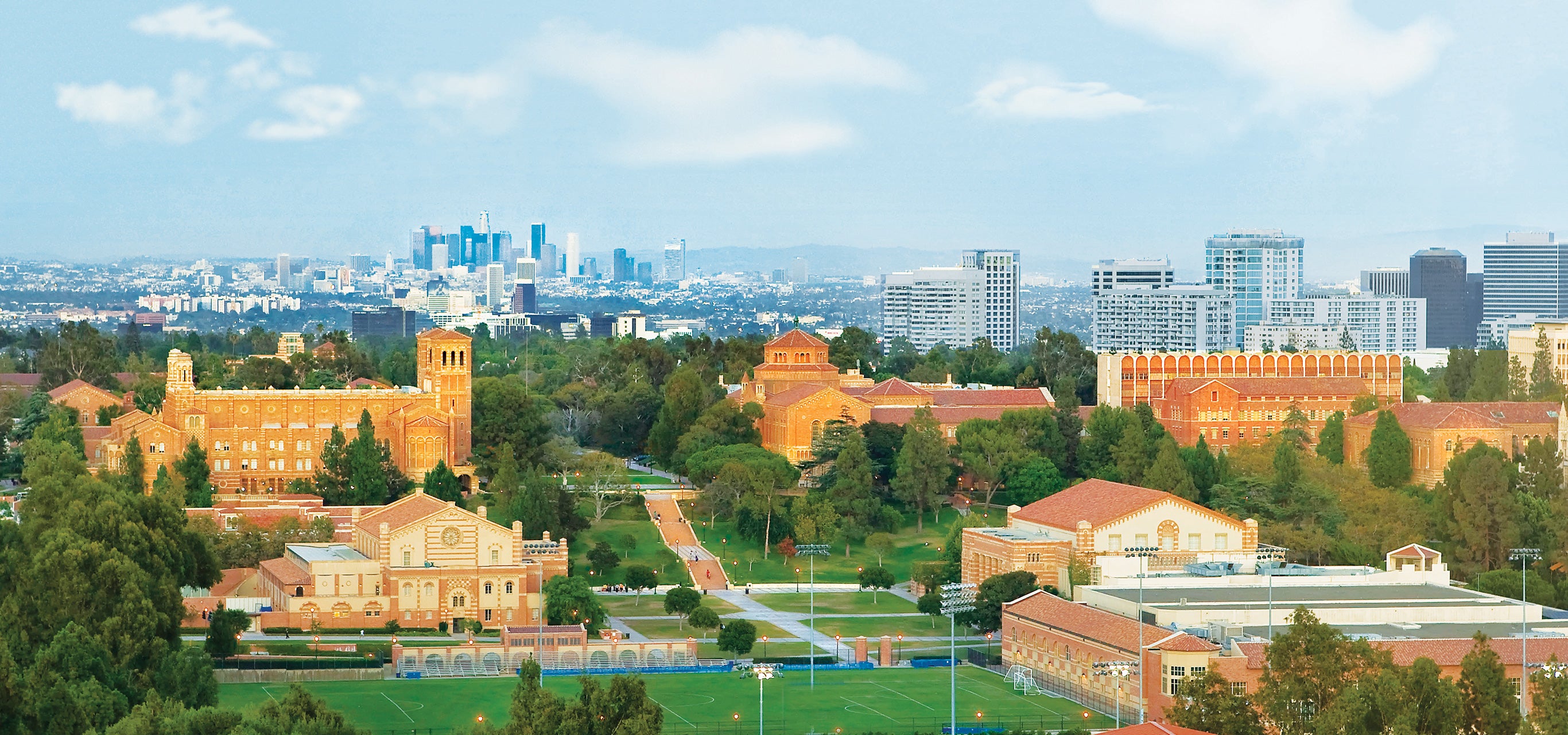
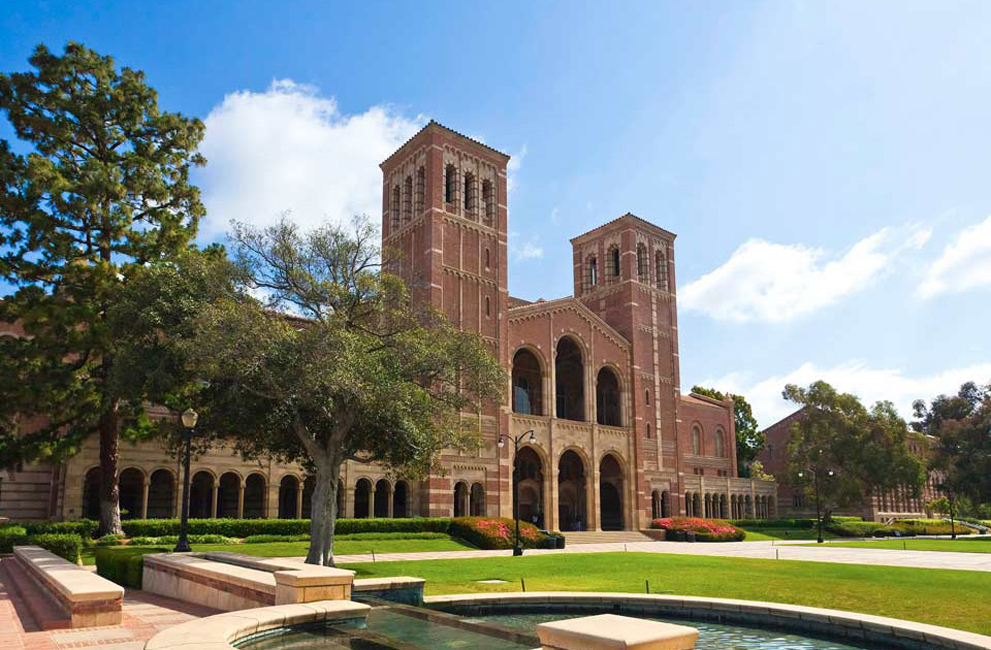
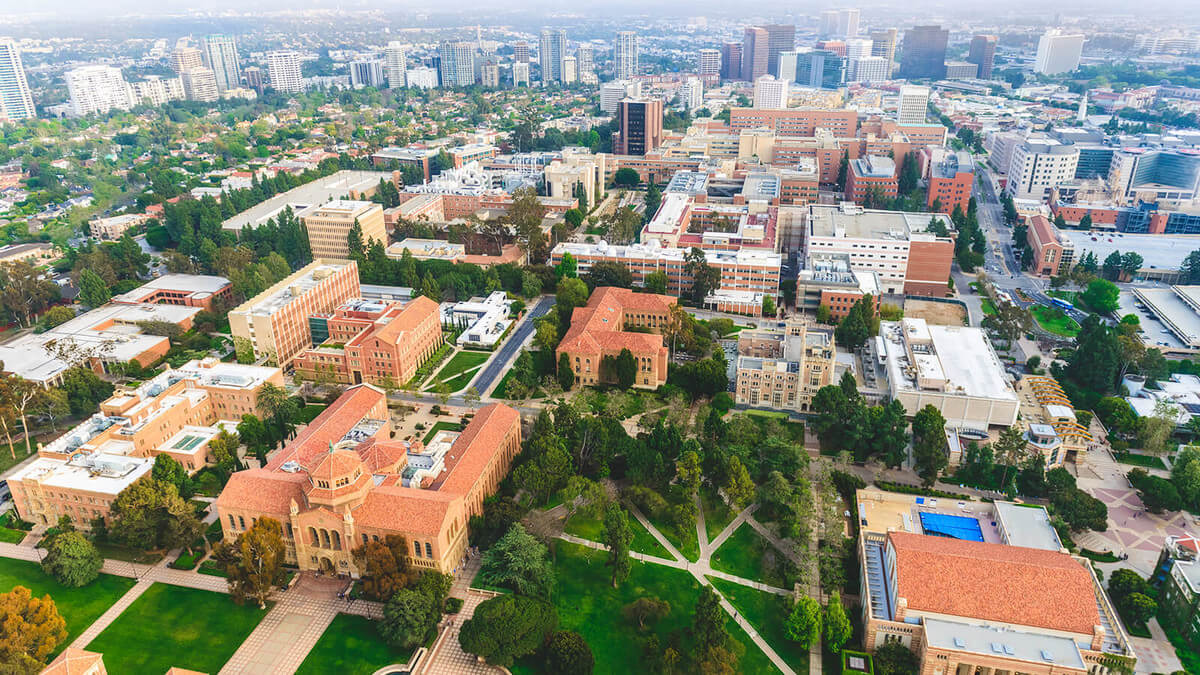
Life at UCLA is a constant, exhilarating negotiation between the demands of a top-tier academic institution and the allure of its iconic Southern California setting. The campus itself is a major character—a self-contained hilltop village with breathtaking scenery, convenient housing, and dining halls so renowned they have their own fan base. The division of Campus Life actively promotes engagement through a dizzying array of over 1,000 student organizations, welcome weeks, and social mixers designed to forge community within the massive student body. This community is famously diverse, representing 'all walks of life' from across California, the nation, and the globe. The social scene is multifaceted: a strong Greek life presence coexists with a vibrant arts culture, powerhouse Division I athletics (Go Bruins!), and easy access to the beaches, mountains, and infinite cultural offerings of Los Angeles. However, students often cite the sheer size and competitive atmosphere as a double-edged sword; it can be challenging to find one's niche and the pressure to balance a high-octane social calendar with relentless academic work is a defining feature of the UCLA experience. The energy is palpable, optimistic, and perpetually in motion.
A UCLA degree is a powerful launchpad, translating into strong and sustained economic returns. The university's 93% graduation rate is a testament to its ability to support students through to completion. The financial payoff is significant and accelerates over time. According to University of California system data, alumni typically earn between $50,000 and $60,000 directly after graduation, but more than double their earnings within ten years. By year seven, UC bachelor's degree recipients reach median earnings over $86,000. The canonical median earnings figure for UCLA graduates ten years after entry is $82,511. Career outcomes vary notably by major; for example, alumni in Computer Engineering command median earnings around $110,139, while those in General studies earn approximately $117,100. The broader UC system touts that its graduates earn $1.6 million more over their careers than high school graduates. This data underscores UCLA's role as a primary engine of socioeconomic mobility in California and beyond, providing a return on investment that extends far beyond the iconic four years on campus.
As a public university, UCLA presents a compelling value proposition, especially for in-state students, though navigating the true cost requires understanding its aid policies. The university states that its financial aid packages are designed to meet 100% of a student's demonstrated financial need. However, it is critical to note that UCLA does not have a 'no-loan' policy. Meeting full need does not mean loans are excluded; aid packages for students with need typically include a combination of grants, scholarships, work-study, and federal student loans. The average after grants and scholarships—the out-of-pocket cost for families—is reported variably across sources, but the canonical figure provided is $12,548. Other estimates range from about $9,010 to $16,999 per year. Roughly 45% to 49% of full-time beginning undergraduates receive grant or scholarship aid. The University of California system provides a Net Price Calculator to help families estimate their individual costs, which is the best tool for understanding the personalized bottom line, as family financial circumstances vary widely.
UCLA stands out not merely as an excellent university, but as a cultural phenomenon and an ecosystem. Its identity is forged in the tension between its elite, hyper-competitive academic core and its laid-back, optimistic Southern California vibe. It is a place where world-class research in neuroscience, film theory, and engineering happens within a short drive of the Pacific Ocean and the global epicenter of entertainment. This unique positioning attracts a student body that is both fiercely ambitious and socially vibrant, creating a campus energy that is arguably unmatched by any other public university. The sheer scale of its offerings—from its 130+ majors to its thousands of student organizations—means every student can craft a unique path, but it also demands a high degree of self-reliance and initiative. It's a 'public Ivy' with the spirit of a startup, where tradition (like the Undie Run) collides with relentless innovation. For students who can thrive in a large, fast-paced, and sometimes impersonal environment, UCLA offers an unparalleled package: a degree with immediate name recognition and long-term economic power, all set in one of the most dynamic cities on the planet.
University of California-Los Angeles seal · sourceYour Guide to Visiting the UCLA Campus | UCLA Luskin Conference Center · sourceLos Angeles and Westwood | UCLA Undergraduate Admission · sourceUniversity of California-Los Angeles — Admissions, Tuition & Acceptance Rate | Appily · source