Admit rate has ranged 11%–17% over the last 5 years. Source: IPEDS via Urban Institute.
Acceptance & SAT from Common Data Set / IPEDS; net price, earnings & graduation from the U.S. Dept. of Education College Scorecard. Figures lag ~1–2 years — verify with the school.
The University of California, Berkeley isn't just a top public university; it's a high-voltage intellectual engine where radical curiosity meets real-world impact. Its culture is a unique alchemy of fierce academic rigor—particularly in STEM and social sciences—and a famously activist, collaborative student body that thrives on debate and discovery. Getting in is a feat of its own, but for those who do, Berkeley offers an education that is as demanding as it is transformative, set against the vibrant backdrop of the Bay Area.
Admission requirements
Test-blind — scores not considered
Required
High school transcript
Grade point average
TOEFL (non-native English)
Considered (not required)
Letters of recommendation
College-prep program
Source: IPEDS Admissions survey (2022) via Urban Institute. Covers formal factors only — it does not reflect essays, extracurriculars, or other holistic criteria.
More details
Undergrad enrollment
33,068
In-state tuition
$16,347
Out-of-state tuition
$50,547
Early Decision
Not offered
No-Loan Policy
Yes, for lowest-income students
Graduation Rate
93%
Meets Full Need
Yes, for eligible students
Application Deadline
November 30
First-Year Retention
Not stated in sources
Demonstrated Interest
Not considered
Median Earnings (10yr)
$92,446
Outcomes & value
Outcomes & value
Median earnings (10 yr)
$92,446
Value (earnings ÷ net price)
6.9×
Median debt at graduation
$13,000
Graduation rate
93%
First-year retention
97%
Reducing loan balance (3 yr)
80%
Pell (lower-income) share
29%
First-gen share (among federal-aid recipients)
35%
Top-earning majors
Median earnings by field of study (highest credential), ~2 years after completion.
Electrical, Electronics, and Communications Engineering$128,868
Computer Science$125,388
Business Administration, Management and Operations$81,456
Chemical Engineering$80,718
Operations Research$76,460
Mechanical Engineering$75,518
Applicants here also applied to
The schools that most often appear alongside UC Berkeley on applicants’ lists, from our self-reported outcomes corpus.
Co-application frequency from self-reported results — directional peer discovery, not a recommendation.
Campus & location
Campus safety
On-campus violent crimes (2024)
88
Per 1,000 students
1.92
On-campus criminal offenses classed as violent (murder/non-negligent manslaughter, rape, robbery, aggravated assault) for the most recent reported year. Source: U.S. Dept. of Education Campus Safety and Security (Clery Act). Counts reflect what’s reported to the school, and urban campuses often report more partly due to non-student incidents nearby — read alongside campus size and setting, not as a standalone safety verdict.
Climate
Pleasant days / yr
183
Summer high
71°F
Winter low
43°F
Annual rain
25.7"
Annual snow
0.5"
Natural-hazard risk
Very High
Pleasant days counts days per year with a mean temperature of 55–75°F, a high at or below 90°F, a low at or above 45°F, and little precipitation — a transparent comfort measure, not a weighting we invented. Computed from Open-Meteo ERA5 daily history (2019–2023). Natural-hazard risk is the county’s composite rating from the FEMA National Risk Index.
Deep dive — research, future-scholar output & economic mobility▾
Research output
Institutional h-index
1,864
Scholarly works
448,879
Institutional research volume and impact from OpenAlex. The h-index reflects large research universities and will be low for teaching-focused liberal-arts colleges — not a measure of undergraduate quality.
Share of this school’s graduates who go on to earn research doctorates (2010–20), by national rank and per-capita yield (NSF institutional-yield ratio). A signal of a research-oriented student culture — not a causal promise, since it partly reflects who enrolls. Only top producers appear. Source: NSF NCSES, Baccalaureate Origins of U.S. Research Doctorate Recipients.
Economic mobility
Quick answers
What is the acceptance rate at University of California-Berkeley?
University of California-Berkeley's acceptance rate is approximately 11% (Berkeley, CA), based on the most recent figures we compiled from public and primary sources.
How much does University of California-Berkeley cost?
At University of California-Berkeley, the average net price (after aid) is about $13,481 per year. Actual cost varies with financial aid and residency.
How many undergraduates attend University of California-Berkeley?
University of California-Berkeley enrolls approximately 33,068 undergraduate students.
Where is University of California-Berkeley located?
University of California-Berkeley is located in Berkeley, CA.
Admissions
Gaining admission to UC Berkeley is an intensely competitive process that places overwhelming weight on academic achievement within the context of California's public university mission. The university does not offer an Early Decision or Early Action program; all first-year applicants apply through the standard University of California application by November 30. For the most recent cycles, the overall has hovered around 11%, but this figure masks significant disparities: the admit rate for California residents is notably higher than for out-of-state and international applicants, with the latter groups facing rates as low as 5-8%. The university received over 126,000 applications for a recent first-year class.
The academic profile of admitted students is staggering. The middle 50% of admitted freshmen boast an unweighted GPA between 3.89 and 4.00 and a weighted GPA (which includes extra points for honors/AP/IB courses) between 4.31 and 4.65. While UC Berkeley is test-blind for admissions, meaning SAT and ACT scores are not considered, the academic intensity is reflected in other ways. The admissions office, as outlined in the , considers the rigor of a student's high school curriculum and their academic GPA as the two most important factors in the evaluation. Secondary considerations include essays, extracurricular activities, talent/ability, and character/personal qualities. Notably, demonstrated interest is not considered in the admissions process. Of those accepted, a significant portion—estimated around 44%—choose to enroll, indicating a high rate that reflects Berkeley's powerful draw.
Earnings = median of students working ~10 years after entry; debt = median of graduates. Value divides 10-yr earnings by one year’s net price — read it as earnings per dollar of annual cost, not a full lifetime ROI; it favors lower-cost schools. Source: U.S. Dept. of Education College Scorecard. Figures lag ~2 years and reflect all students, not your intended major.
Civil Engineering$71,351
Economics$70,379
Source: U.S. Dept. of Education College Scorecard (field-of-study earnings). Figures cover graduates who received federal aid and lag ~2 years; not all programs report data.
Mobility rate = the share of students who both start in the bottom household-income quintile and reach the top quintile; bottom → top is that chance conditional on starting at the bottom. Source: Opportunity Insights Mobility Report Cards (Chetty, Friedman, Saez, Turner & Yagan). Reflects 1980–82 birth cohorts, so it’s directional, not current.
Berkeley's academic environment is defined by its staggering breadth, renowned faculty, and a culture of intense, self-directed scholarship. With more than 130 academic departments and 80 interdisciplinary research units, the curriculum is vast. The intellectual energy is particularly concentrated in fields like computer science, engineering, and the social sciences, which are among the most popular majors. For a recent graduating class, the top majors were:
Computer and Information Sciences (17%)
Social Sciences (16%)
Engineering (12%)
Biological and Biomedical Sciences (9%)
The university has also pioneered forward-thinking, interdisciplinary majors that allow students to blend fields, such as Cognitive Science, Data Science, and Global Studies. This is not a place for passive learning; the academic standard is famously rigorous, and students are expected to be proactive in seeking out research opportunities, engaging with world-class professors, and navigating a large, sometimes bureaucratic system. The upside is unparalleled access: undergraduates can work in labs that are at the forefront of scientific discovery, take classes with Nobel laureates, and contribute to projects with global impact. The workload is heavy, and the atmosphere can be competitive, but students often describe it as a collaborative competition—a shared drive to excel that fosters study groups and mutual support.
The stereotype of Berkeley as a monolithic hub of non-stop activism is only partially true; the reality is a multifaceted, energetic campus culture where passion is channeled in countless directions. Yes, political and social engagement is a visible and celebrated part of the fabric—students are likely to walk past a protest or a rally on Sproul Plaza—but it's just one thread in a rich tapestry. The social vibe is largely what you make it. Students report that while the size of the university can feel overwhelming at first, most find a tight-knit circle of friends by mid-first semester through hundreds of student organizations, clubs, academic cohorts, or housing arrangements.
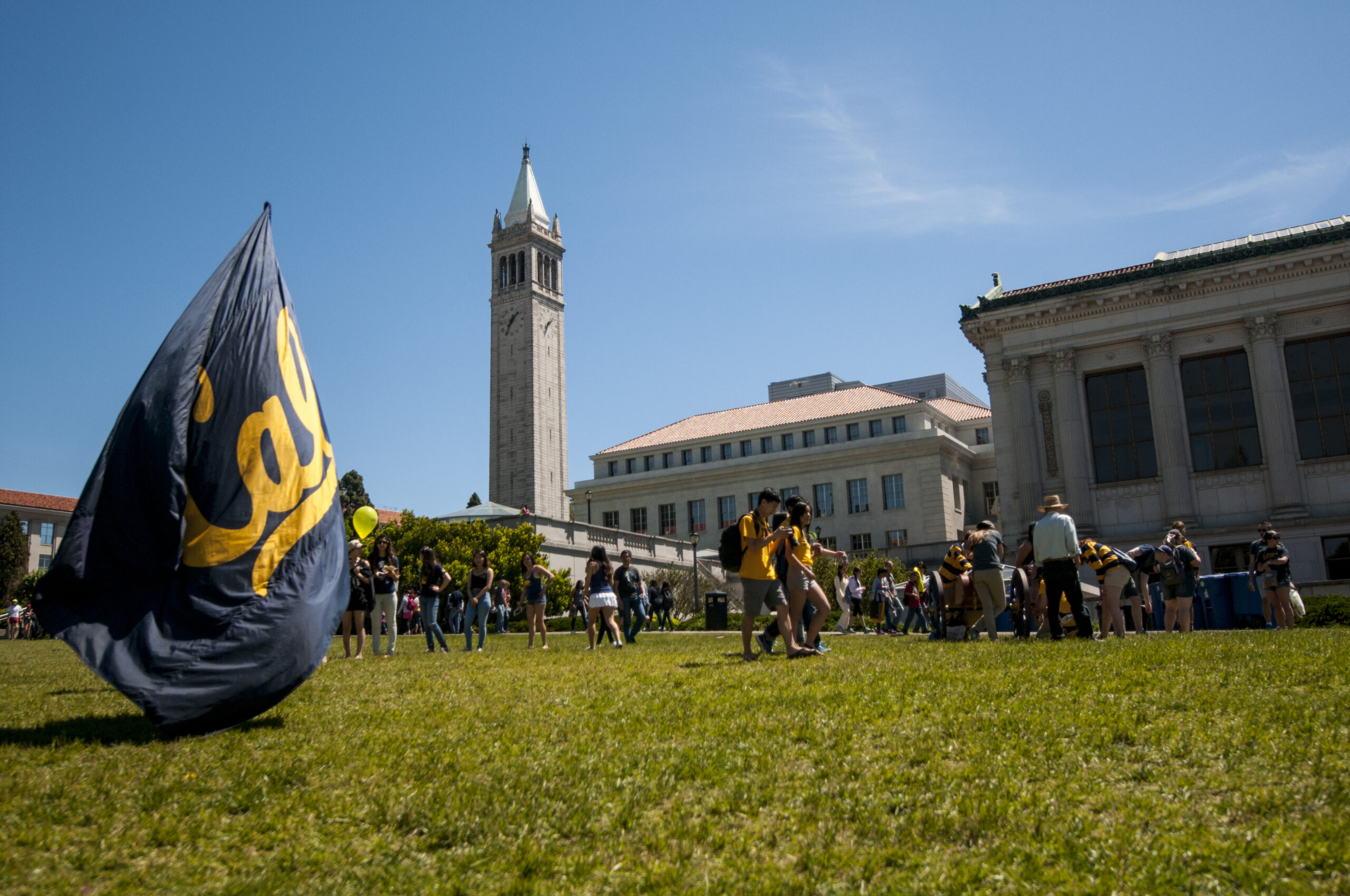
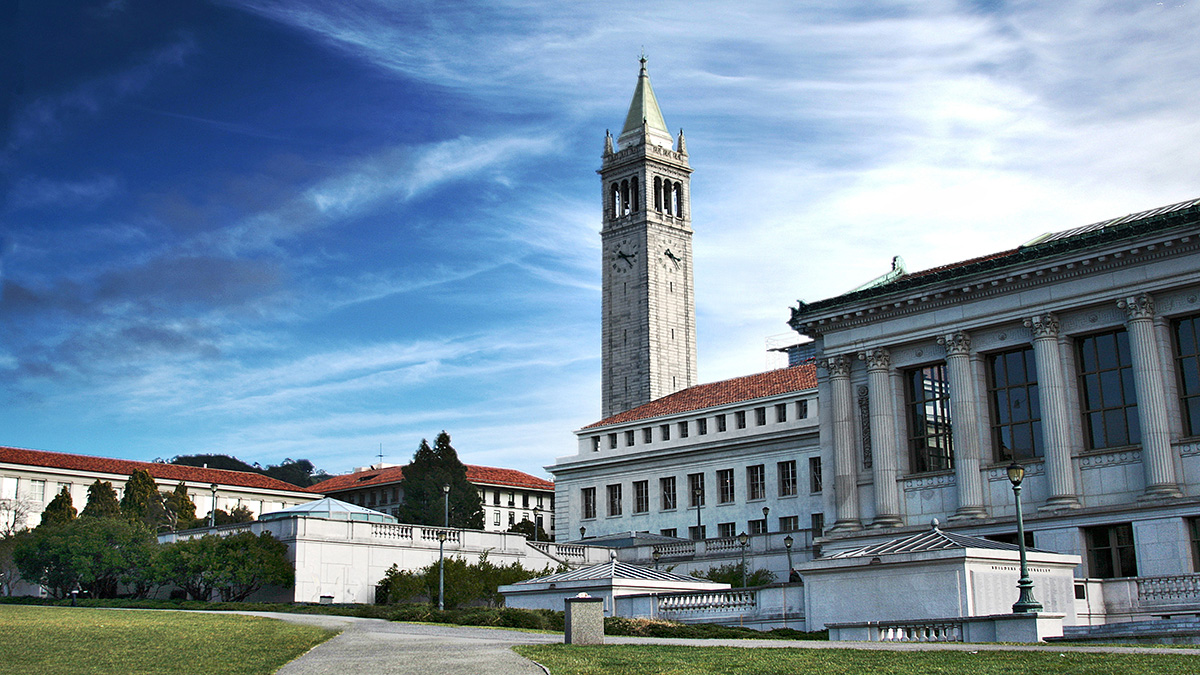
Campus life buzzes with tradition and activity. There's a strong football culture (Go Bears!), Greek life for those who seek it, and iconic school-wide events like Cal Day and the informal gathering on 4/20. The campus itself is stunning, nestled in the Berkeley hills with views of the San Francisco Bay. The surrounding city of Berkeley and the broader Bay Area provide an endless playground of cultural events, food scenes, tech meetups, and natural beauty. The academic pressure is real, and the high cost of Bay Area housing is a significant stressor for many students. Yet, the prevailing sentiment from students is that the environment is more collaborative and supportive than cutthroat, a place where people are deeply invested in their work but also in building a community.
A Berkeley degree is a powerful launchpad, a fact borne out by strong graduation rates and impressive earning potential. The university's four-year graduation rate has risen significantly over recent decades, and its six-year rate is exceptionally high for a public institution. This results in a student body that is not only highly selective at entry but also highly successful at completion.
The financial return on investment is clear. While early-career salaries are strong, the value of a Berkeley education compounds over time. Data shows that 15 years after graduation, the average UC bachelor's degree holder earns about $125,000 a year, with Berkeley graduates typically at the top end of that spectrum. The most common career paths lean heavily into technology, engineering, business, research, and public service, leveraging the university's deep connections to Silicon Valley and beyond. For many students, the undergraduate experience is directly linked to immediate postgraduate opportunities, whether that's a coveted job offer from a tech giant, admission to a top-tier graduate or professional school, or a fellowship to pursue public interest work.
As a public university, UC Berkeley has a two-tiered cost structure: a lower tuition and fee rate for California residents and a higher one for non-residents. However, the university is committed to making education affordable through substantial financial aid. Roughly two-thirds of all Berkeley students receive some form of financial aid, and the university states that financial aid will cover the full cost of tuition and fees for over a third of its students.
For California residents from low- and middle-income families, Berkeley can be remarkably affordable thanks to a robust aid program that combines federal, state, and institutional grants. The university has policies aimed at reducing debt, including offering a Berkeley Loan for eligible California residents and, for the most financially needy students, crafting aid packages that meet 100% of demonstrated financial need without including loans. Prospective students are encouraged to use the university's calculator to get an individualized estimate of costs after grants and scholarships. The key takeaway is that the sticker price is rarely the actual price for admitted students, and the institution provides significant resources to ensure access.
UC Berkeley stands out not merely for its rankings, but for its unique and potent identity as the world's premier public research university. It is a place of raw, unfiltered intellectual ambition, where groundbreaking research in everything from CRISPR gene editing to economic theory happens alongside undergraduate education. This creates an environment where students aren't just learning about their fields—they're often adjacent to, or participating in, the work that is defining them.
Its culture is a defining feature. Berkeley attracts and cultivates a certain kind of student: fiercely intelligent, independently minded, and unafraid to question the status quo. This manifests in the famous activist spirit, but also in the collaborative hustle of students building startups, the intense debates in seminar rooms, and the sheer diversity of thought and background on campus. It's a large, complex, and sometimes chaotic institution that offers minimal hand-holding. The students who thrive are those who are self-starters, capable of navigating its vast resources and turning its challenges—the size, the competition, the cost of living—into opportunities for growth. In return, they receive an education that is both deeply theoretical and pragmatically applied, all within the innovative epicenter of the Bay Area. It's this combination of academic firepower, cultural electricity, and real-world adjacency that makes a Berkeley experience unlike any other.
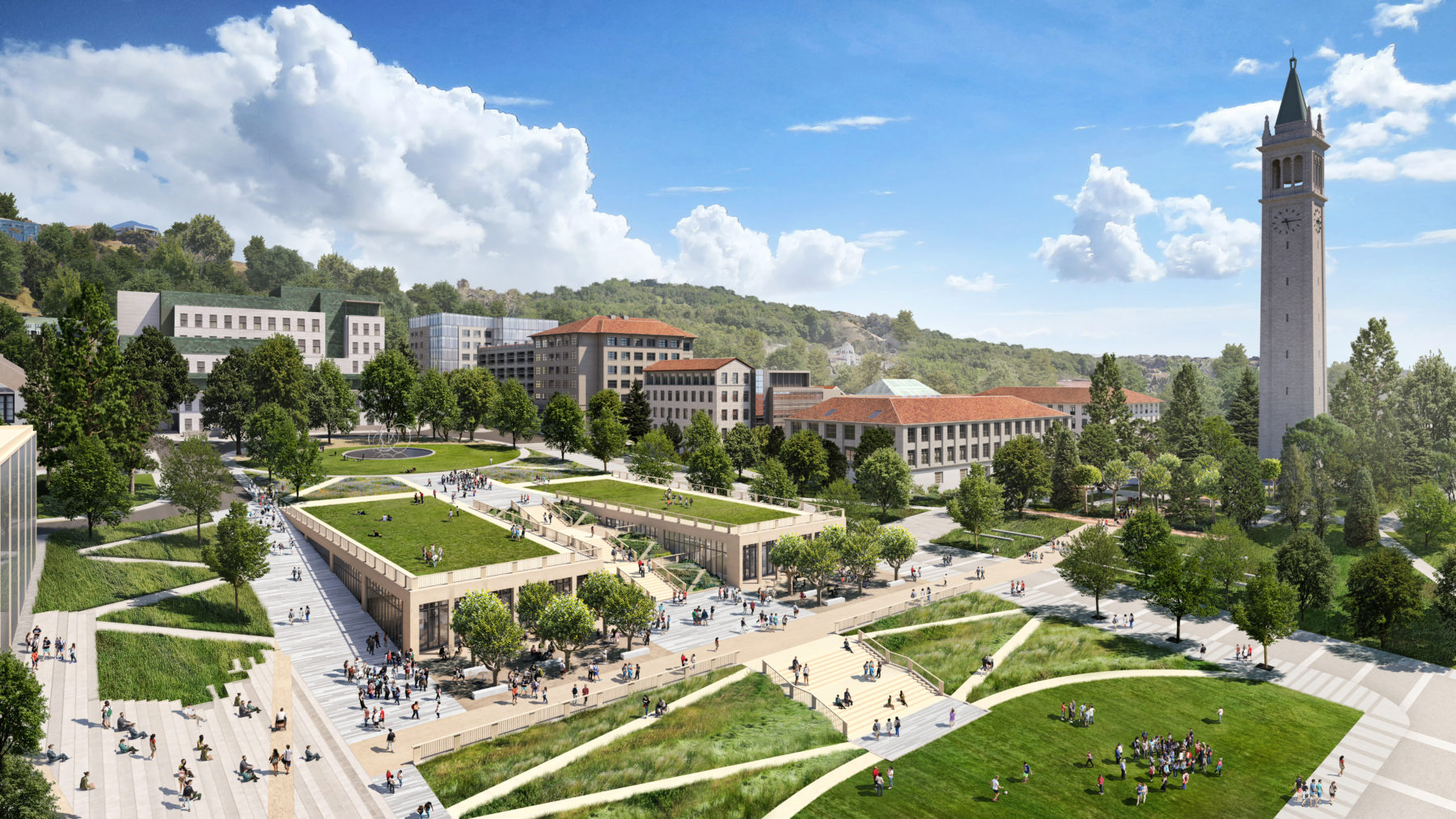
University of California-Berkeley seal · sourceUniversity of California at Berkeley | TCLF · sourceCampus of the University of California, Berkeley - Wikipedia · sourceUC Berkeley Releases Visionary Campus Master Plan – Sasaki · source