Loading…
← All schools
University of Wisconsin-Platteville
Platteville, WIpublicuwplatt.edu
Acceptance
89%
Avg net price
$16,032
Earnings (10 yr)
$61,760
Graduation rate
56%
Admit rate has ranged 81%–88% over the last 5 years, though the latest figure above (89%) falls outside that window. Source: IPEDS via Urban Institute.
Acceptance & SAT from Common Data Set / IPEDS; net price, earnings & graduation from the U.S. Dept. of Education College Scorecard. Figures lag ~1–2 years — verify with the school.
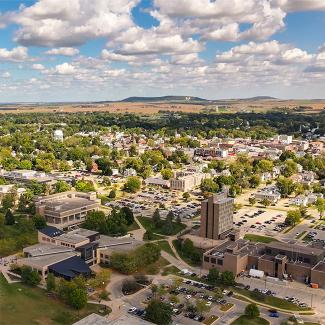
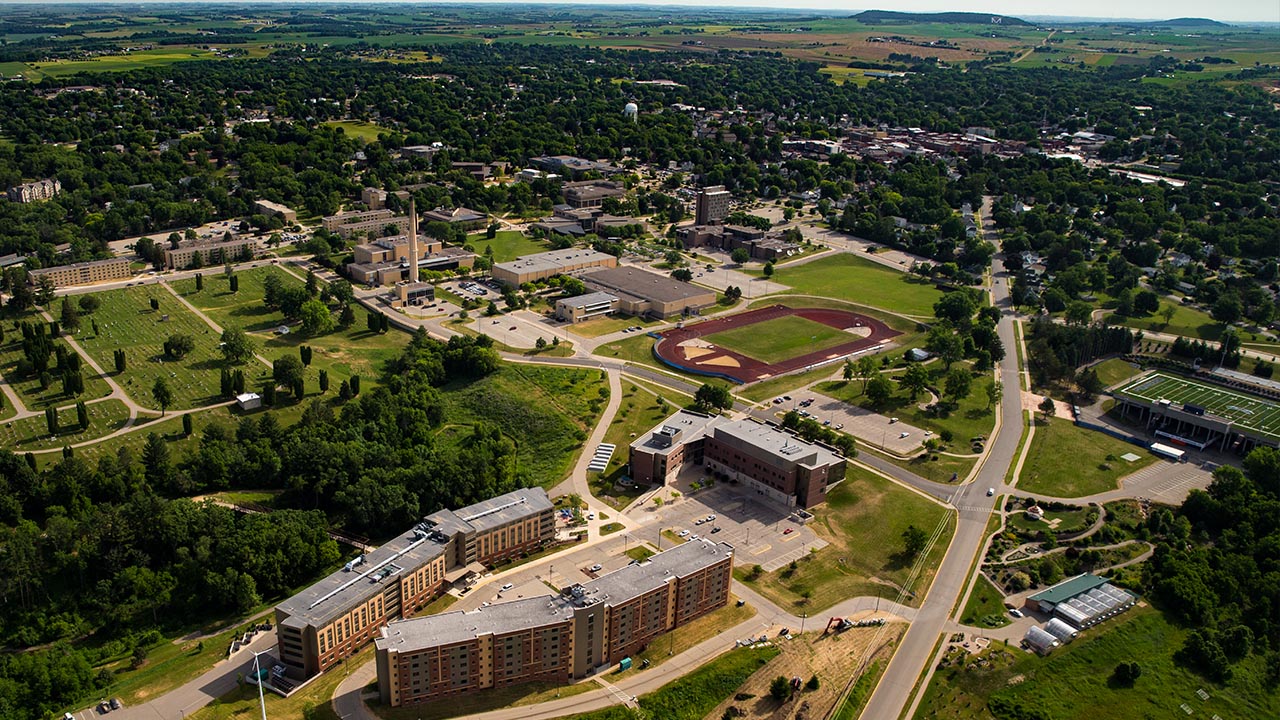
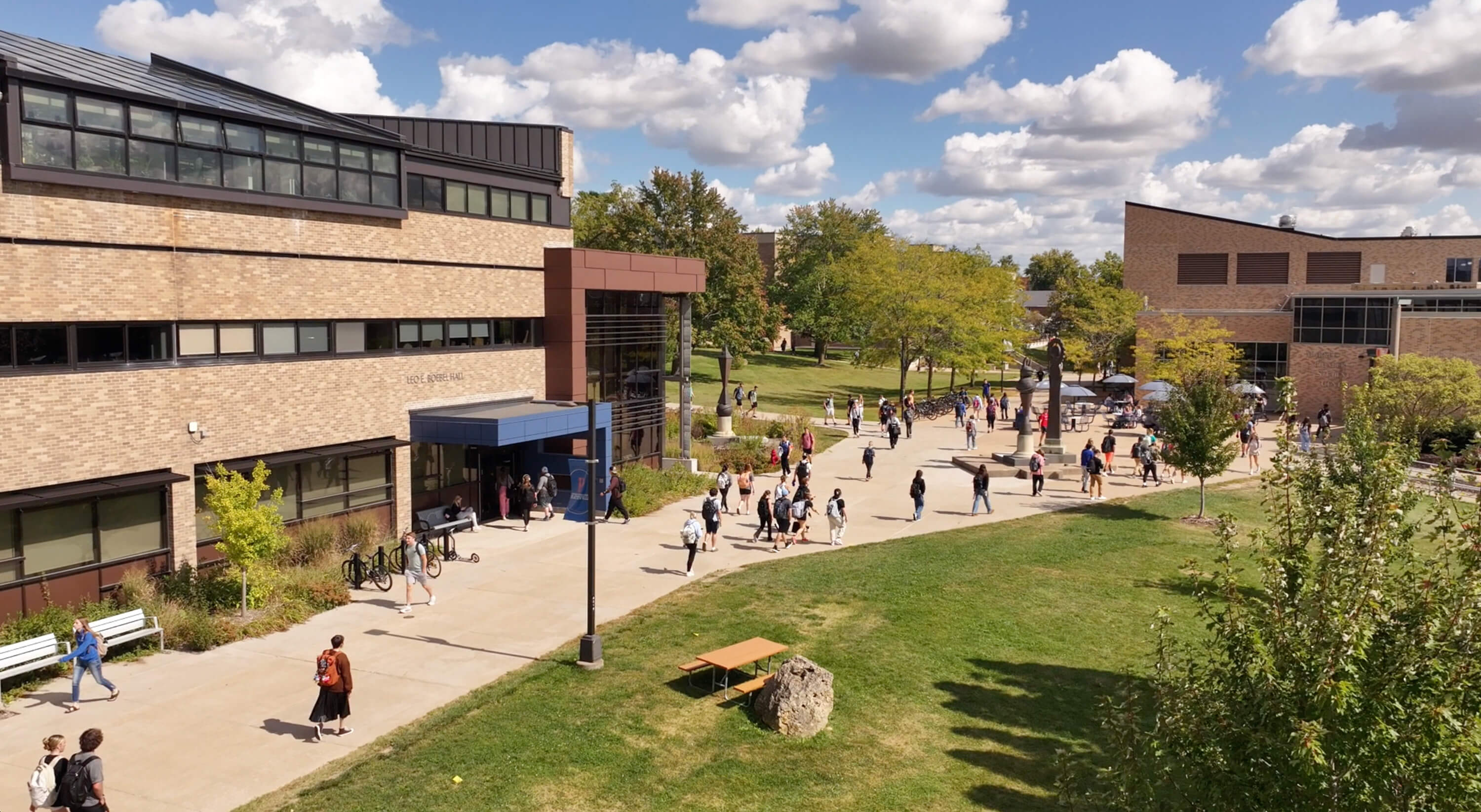
The University of Wisconsin-Platteville is a public engineering and applied sciences powerhouse nestled in the rural Driftless Area, known for turning out pragmatic, hands-on graduates ready for the workforce. Its identity is defined by a no-frills, career-focused curriculum—particularly in engineering, construction management, and criminal justice—and a tight-knit, self-contained campus life where Pioneer spirit is built through clubs, traditions, and Division III athletics. This is a school for students who want a direct, affordable path to a solid middle-class career, not a sprawling liberal arts exploration.
Admission requirements
Test-optional — scores considered if submitted
Required
- High school transcript
- Grade point average
- TOEFL (non-native English)
Considered (not required)
- Class rank
- Letters of recommendation
- Test scores (SAT/ACT)
- College-prep program
Source: IPEDS Admissions survey (2022) via Urban Institute. Covers formal factors only — it does not reflect essays, extracurriculars, or other holistic criteria.
More details
- Undergrad enrollment
- 5,837
- In-state tuition
- $8,644
- Out-of-state tuition
- $17,603
- Housing
- 50% on-campus, 50% off-campus
- Top Majors
- Engineering (26%), Business (19%), Criminal Justice
- Graduation Rate
- 56%
- Average Class Size
- ~25 students
- Student Organizations
- 180+
- Median Earnings (10yr)
- $61,760
- Test Scores (Middle 50%)
- SAT 1050-1250, ACT 21-27
Outcomes & value
Outcomes & value
- Median earnings (10 yr)
- $61,760
- Value (earnings ÷ net price)
- 3.9×
- Median debt at graduation
- $21,977
- Graduation rate
- 56%
- First-year retention
- 79%
- Reducing loan balance (3 yr)
- 78%
- Pell (lower-income) share
- 21%
- First-gen share (among federal-aid recipients)
- 29%
Top-earning majors
Median earnings by field of study (highest credential), ~2 years after completion.
- Electrical, Electronics, and Communications Engineering$71,015
- Computer Engineering$67,995
- Industrial Engineering$66,701
- Mechanical Engineering$65,585
- Computer and Information Sciences, General$62,508
- Engineering Physics$61,218
Campus & location
Campus safety
- On-campus violent crimes (2024)
- 6
- Per 1,000 students
- 0.97
On-campus criminal offenses classed as violent (murder/non-negligent manslaughter, rape, robbery, aggravated assault) for the most recent reported year. Source: U.S. Dept. of Education Campus Safety and Security (Clery Act). Counts reflect what’s reported to the school, and urban campuses often report more partly due to non-student incidents nearby — read alongside campus size and setting, not as a standalone safety verdict.
Climate
- Pleasant days / yr
- 90
- Summer high
- 82°F
- Winter low
- 16°F
- Annual rain
- 36.9"
- Annual snow
- 35.2"
- Natural-hazard risk
- Relatively Low
Pleasant days counts days per year with a mean temperature of 55–75°F, a high at or below 90°F, a low at or above 45°F, and little precipitation — a transparent comfort measure, not a weighting we invented. Computed from Open-Meteo ERA5 daily history (2019–2023). Natural-hazard risk is the county’s composite rating from the FEMA National Risk Index.
Deep dive — research, future-scholar output & economic mobility
Research output
- Institutional h-index
- 79
- Scholarly works
- 1,999
Institutional research volume and impact from OpenAlex. The h-index reflects large research universities and will be low for teaching-focused liberal-arts colleges — not a measure of undergraduate quality.
Quick answers
- What is the acceptance rate at University of Wisconsin-Platteville?
- University of Wisconsin-Platteville's acceptance rate is approximately 89% (Platteville, WI), based on the most recent figures we compiled from public and primary sources.
- How much does University of Wisconsin-Platteville cost?
- At University of Wisconsin-Platteville, the average net price (after aid) is about $16,032 per year. Actual cost varies with financial aid and residency.
- How many undergraduates attend University of Wisconsin-Platteville?
- University of Wisconsin-Platteville enrolls approximately 5,837 undergraduate students.
- Where is University of Wisconsin-Platteville located?
- University of Wisconsin-Platteville is located in Platteville, WI.
Admissions
UW-Platteville operates with a highly accessible admissions philosophy, functioning as a safety school for many Wisconsin students seeking a practical, STEM-oriented education. The process is straightforward and numbers-driven. The university does not offer an Early Decision program, and its rate—the percentage of admitted students who enroll—is reported as a medium 29%, indicating many admitted students have other options. For the middle 50% of admitted freshmen, high school GPAs typically range from 3.15 to 3.8 on a 4.0 scale. Standardized test scores, while not always required, show a middle 50% SAT composite range of 1050–1250 and an ACT composite range of 21–27; some sources note scores as high as 28 for the 75th percentile. The admissions office receives ACT scores from about 28% of admitted applicants. The university's own application materials emphasize these middle 50% ranges as key benchmarks for prospective students.
Compare University of Wisconsin-Platteville
vs Winona State Universityvs University of Wisconsin-La Crossevs Saginaw Valley State Universityvs University of Central Missouri
See colleges similar to University of Wisconsin-Platteville →Sources
- Enrollment and Graduation Data - UW-Platteville
- Common Data Set - UW-Parkside
- Student Achievement Data - UW-Platteville
- University of Wisconsin-Platteville - Data USA
- University of Wisconsin-Platteville - DFR Report PDF
- Common Data Set - GradGPT
- University of Wisconsin--Platteville Admissions
- University of Wisconsin - Platteville SAT Scores and GPA
- Application Process - Freshman | UW-Platteville
- University of Wisconsin - Platteville - Tuition and Acceptance Rate