Admit rate has ranged 14%–20% over the last 5 years, though the latest figure above (13%) falls outside that window. Source: IPEDS via Urban Institute.
Acceptance & SAT from Common Data Set / IPEDS; net price, earnings & graduation from the U.S. Dept. of Education College Scorecard. Figures lag ~1–2 years — verify with the school.
Davidson College is a small, fiercely intellectual liberal arts powerhouse in North Carolina that operates with the intensity and selectivity of a top-tier university. It combines a rigorous, broad-based curriculum with a distinctive honor code and a social scene anchored by its unique 'eating house' system. The college backs its academic ambition with a remarkably generous financial aid model, meeting full need without loans for all admitted students, which has dramatically reshaped its student body and cemented its reputation as a place where serious students go to work hard without crippling debt.
Admission requirements
Test-optional — scores considered if submitted
Required
High school transcript
Grade point average
Letters of recommendation
College-prep program
TOEFL (non-native English)
Considered (not required)
Test scores (SAT/ACT)
Source: IPEDS Admissions survey (2022) via Urban Institute. Covers formal factors only — it does not reflect essays, extracurriculars, or other holistic criteria.
More details
Undergrad enrollment
1,867
In-state tuition
$64,410
Out-of-state tuition
$64,410
No-Loan Policy
Yes, for all income levels
Graduation Rate
91%
Meets Full Need
Yes
ED Share of Class
Significant (337 ED enrolls from 1,232 applicants)
First-Year Retention
Not stated in sources
Demonstrated Interest
Considered
Median Earnings (10yr)
$81,400
Outcomes & value
Outcomes & value
Median earnings (10 yr)
$81,400
Value (earnings ÷ net price)
4.7×
Median debt at graduation
$18,688
Graduation rate
91%
First-year retention
95%
Reducing loan balance (3 yr)
84%
Pell (lower-income) share
18%
First-gen share (among federal-aid recipients)
16%
Earnings = median of students working ~10 years after entry; debt = median of graduates. divides 10-yr earnings by net price — read it as earnings per dollar of annual cost, not a full lifetime ROI; it favors lower-cost schools. Source: U.S. Dept. of Education College Scorecard. Figures lag ~2 years and reflect all students, not your intended major.
Financial health
2.7 / 3.0Meets the federal financial-responsibility standard
U.S. Dept. of Education Financial Responsibility Composite Score (FY2022-23). Scale −1.0 to 3.0; ≥1.5 meets the standard. Reported for private nonprofit & for-profit institutions only — public universities are state-backed and not scored, so this is a stability signal, not a ranking.
Applicants here also applied to
The schools that most often appear alongside Davidson on applicants’ lists, from our self-reported outcomes corpus.
Co-application frequency from self-reported results — directional peer discovery, not a recommendation.
Campus & location
Campus safety
On-campus violent crimes (2024)
7
On-campus criminal offenses classed as violent (murder/non-negligent manslaughter, rape, robbery, aggravated assault) for the most recent reported year. Source: U.S. Dept. of Education Campus Safety and Security (Clery Act). Counts reflect what’s reported to the school, and urban campuses often report more partly due to non-student incidents nearby — read alongside campus size and setting, not as a standalone safety verdict.
Climate
Pleasant days / yr
109
Summer high
86°F
Winter low
37°F
Annual rain
44.7"
Annual snow
2.4"
Natural-hazard risk
Relatively High
Pleasant days counts days per year with a mean temperature of 55–75°F, a high at or below 90°F, a low at or above 45°F, and little precipitation — a transparent comfort measure, not a weighting we invented. Computed from Open-Meteo ERA5 daily history (2019–2023). Natural-hazard risk is the county’s composite rating from the FEMA National Risk Index.
Deep dive — research, future-scholar output & economic mobility▾
Research output
Institutional h-index
140
Scholarly works
5,168
Institutional research volume and impact from OpenAlex. The h-index reflects large research universities and will be low for teaching-focused liberal-arts colleges — not a measure of undergraduate quality.
Share of this school’s graduates who go on to earn research doctorates (2010–20), by national rank and per-capita yield (NSF institutional-yield ratio). A signal of a research-oriented student culture — not a causal promise, since it partly reflects who enrolls. Only top producers appear. Source: NSF NCSES, Baccalaureate Origins of U.S. Research Doctorate Recipients.
Economic mobility
Mobility rate
0.4%
Bottom → top quintile
Quick answers
What is the acceptance rate at Davidson College?
Davidson College's acceptance rate is approximately 13% (Davidson, NC), based on the most recent figures we compiled from public and primary sources.
What SAT score do you need for Davidson College?
Admitted students at Davidson College typically score 1400–1530 on the SAT (the middle-50% range). Scores outside this band are still admitted, especially with strong applications.
How much does Davidson College cost?
At Davidson College, the average net price (after aid) is about $17,379 per year. Actual cost varies with financial aid and residency.
How many undergraduates attend Davidson College?
Davidson College enrolls approximately 1,867 undergraduate students.
Where is Davidson College located?
Davidson College is located in Davidson, NC.
Admissions
Getting into Davidson is a high-stakes proposition, with an that has settled firmly in the low teens, making it one of the most selective liberal arts colleges in the country. For the class entering in Fall 2024, the college reported about 8,100 applicants and an acceptance rate of 12.6% to 13.4%. The enrollment —the percentage of admitted students who choose to enroll—is notably high, at 47.1%, indicating that when Davidson wants a student, it usually gets them. The middle 50% SAT range for admitted students is 1400–1530, reflecting an academically accomplished pool. The Early Decision pathway is a significant strategic advantage for applicants; a combined 29.9% to 30% of ED I and ED II applicants were admitted for recent classes, roughly double the overall rate. This route filled a substantial portion of the incoming class, with 337 early decision enrolls from 1,232 applicants for one recent cycle. Demonstrated interest is a factor Davidson considers in its admissions process, as indicated by its reporting.
Mobility rate = the share of students who both start in the bottom household-income quintile and reach the top quintile; bottom → top is that chance conditional on starting at the bottom. Source: Opportunity Insights Mobility Report Cards (Chetty, Friedman, Saez, Turner & Yagan). Reflects 1980–82 birth cohorts, so it’s directional, not current.
Davidson’s academic identity is built on a classic, expansive liberal arts foundation, demanding intellectual breadth and depth. The college offers 31 majors and over 40 minors, which it organizes into 74 distinct majors, minors, and interdisciplinary programs. This structure encourages exploration across disciplines, from the social sciences (the most popular division, comprising 26% of degrees) to biological and biomedical sciences (15%) and computer science. The curriculum is not just a checklist of courses; it's supported by holistic advising and built around core tenets of undergraduate research, study abroad, and internships. The academic culture is intense and collaborative, fostered by a 9:1 student-to-faculty ratio that enables close mentorship. Students describe an environment where peers are "incredibly smart and driven" and where the workload is substantial but undertaken with a shared sense of purpose. The college’s size means there are few places to hide academically, but also creates a tight-knit intellectual community where seminar-style discussion is the norm, not the exception.
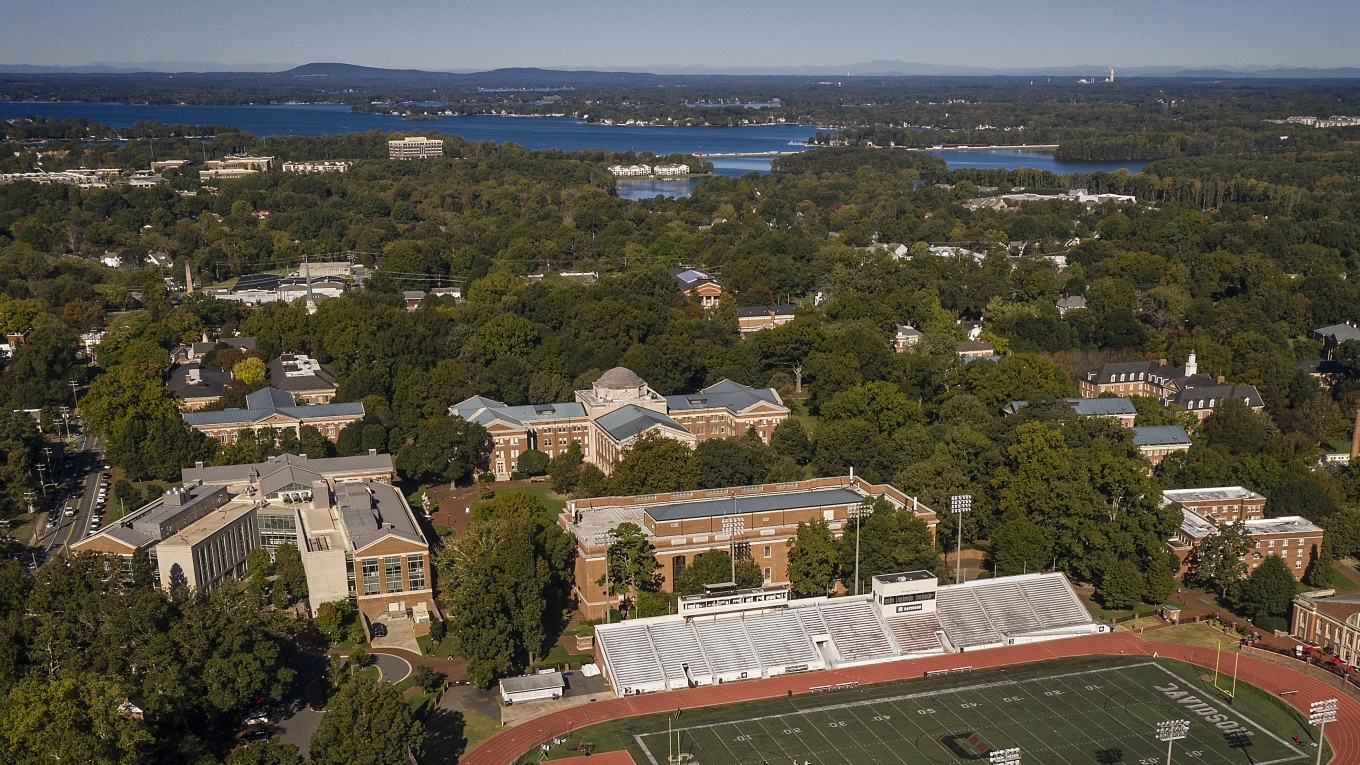
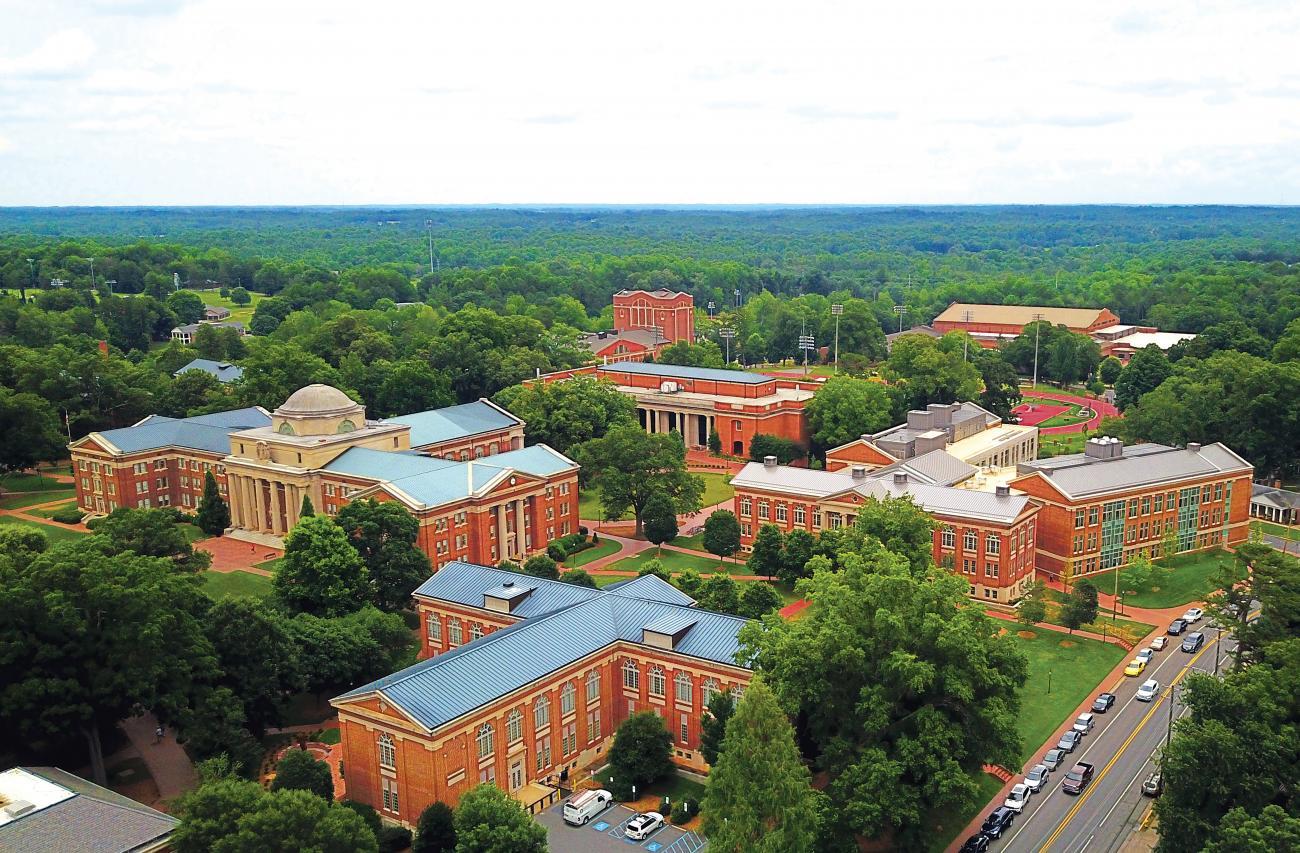
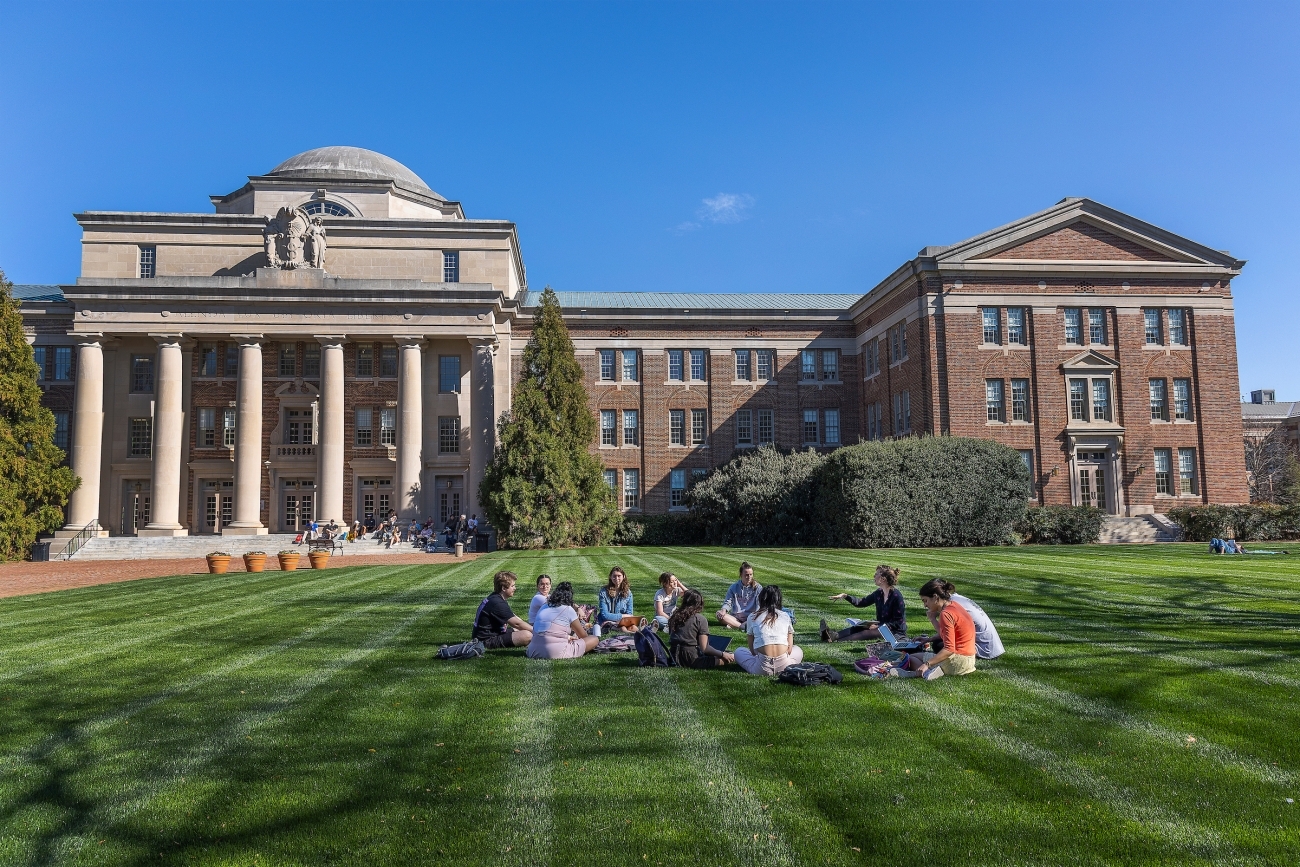
Life on Davidson’s picturesque North Carolina campus is structured, vibrant, and deeply shaped by its student-run honor code and unique social system. The college fosters a "supportive and caring campus environment" aimed at holistic development. With over 200 student organizations spanning culture, politics, arts, media, religion, athletics, and service, there are formal outlets for nearly every interest. However, the social heartbeat of campus is often found in its network of eating houses—selective, non-residential social organizations that are a cornerstone of Davidson culture, distinct from traditional Greek life. As students note, while these groups "make up a lot of social life on campus," there are definitely alternative social groups. The Division of Student Life actively works to foster an inclusive and welcoming environment, supported by a Center for Student Diversity and Inclusion. The campus is residential and engaged, with a strong emphasis on community norms upheld by the student-governed honor code, which governs everything from academic integrity to self-scheduled exams. It’s a place where tradition and community responsibility are palpable, creating a distinct vibe that blends Southern collegiality with intense academic focus.
A Davidson degree is a powerful launchpad, with outcomes data that consistently outperforms national averages by a wide margin. The most staggering statistic is the graduate school : for classes from 2017 to 2022, the median acceptance rate to graduate or professional programs within five years of graduation was 89%, compared to a national median of 40%. For the most recent class with available data (2025), 95% of graduates were employed or enrolled in further education within six months of graduation. The college reports a strong trajectory toward advanced degrees, with 80% of recent alumni anticipating enrolling in a graduate program at some point. The graduation rate is high, with a 4-year rate of 86% and an average time to degree of 4.1 years. Financial outcomes are robust, with the median salary for graduates reported at $62,866. The career outcomes data reflects a high knowledge rate of 89% for the Class of 2025, meaning the college has reliable information on nearly all its graduates.
Davidson has undertaken one of the most aggressive and generous financial aid transformations in American higher education, fundamentally altering its value proposition. The college commits to meeting 100% of the calculated financial need for all admitted students who are eligible for support. Crucially, it does so with a no-loan policy for all income levels: financial aid packages are composed entirely of grants and student employment, with no loans required. This policy is backed by the Davidson Trust. In a landmark expansion announced in 2026, Davidson went further, making attendance tuition-free for new students from families with total incomes of $85,000 or less—covering not just tuition, but also fees, housing, and meals. For families earning more than $175,000, students can still receive financial aid covering full calculated need with no loans. This commitment is reflected in the numbers: more than half of Davidson students receive , with 65% of full-time beginning undergraduates receiving grant or scholarship aid. The average financial aid package is substantial, reported at $66,738, which brings the —the average cost after aid—down significantly.
Davidson distinguishes itself through a potent, almost paradoxical, combination of traits: the intimate scale and teaching focus of a classic liberal arts college, the academic firepower and outcomes of a elite research university, and a financial aid policy that rivals the wealthiest Ivy League institutions. Its singular character is forged by the student-run honor code, which creates a culture of remarkable trust and responsibility, and the unique eating house system that provides a structured yet non-Greek social framework. This isn't a laid-back Southern school; it's an intellectual pressure cooker with a supportive community, where students are both fiercely competitive and deeply collaborative. The college’s decision to eliminate loans for all and provide free tuition for lower-income families isn't just marketing—it's a fundamental recalibration of who can access its rigorous education, attracting a broader, more socioeconomically diverse cohort of high-achievers. The result is a place where academic intensity, tradition, and progressive accessibility intersect, producing graduates with not only exceptional professional and graduate school prospects but also a distinct sense of community ethics and honor.
Davidson College seal · sourceCampus & Surroundings | Davidson · sourceFreedom of Expression at Davidson College: Is there a Problem? - American Council of Trustees and Alumni · sourceFast Facts | Davidson · source