Admit rate has ranged 7%–9% over the last 5 years. Source: IPEDS via Urban Institute.
Acceptance & SAT from Common Data Set / IPEDS; net price, earnings & graduation from the U.S. Dept. of Education College Scorecard. Figures lag ~1–2 years — verify with the school.
Pomona College isn't just a top-tier liberal arts school; it's a sun-drenched intellectual enclave where the collaborative spirit of a small college meets the academic firepower of a research university, thanks to its membership in the Claremont Consortium. With a student body that's notably diverse—55% domestic students of color, 15% international, and 24% first-generation—Pomona cultivates a culture of intense curiosity supported by a no-loan financial aid policy that makes its exceptional education accessible. Its graduates don't just earn degrees; they launch into high-impact careers and graduate programs with a readiness that belies the school's laid-back Southern California setting.
Admission requirements
Test-optional — scores considered if submitted
Required
High school transcript
Letters of recommendation
College-prep program
TOEFL (non-native English)
Considered (not required)
Grade point average
Class rank
Test scores (SAT/ACT)
Source: IPEDS Admissions survey (2022) via Urban Institute. Covers formal factors only — it does not reflect essays, extracurriculars, or other holistic criteria.
Key deadlines (2026-2027)
Early Decision — Early Decision I
November 15, 2026
ED2 — Early Decision II
January 8, 2027
Regular Decision — Regular Decision
January 8, 2027
Financial Aid — CSS Profile & FAFSA Priority Date
January 8, 2027
More details
Undergrad enrollment
1,666
In-state tuition
$65,420
Out-of-state tuition
$65,420
No-Loan Policy
Yes
Graduation Rate
93%
Meets Full Need
Yes
ED Share of Class
~72% (estimated)
First-Year Retention
98%
Demonstrated Interest
Not considered
Student-Faculty Ratio
7:1
International Students
15%
Median Earnings (10yr)
$77,779
Outcomes & value
Outcomes & value
Median earnings (10 yr)
$77,779
Value (earnings ÷ net price)
4.0×
Median debt at graduation
$11,782
Graduation rate
93%
First-year retention
98%
Reducing loan balance (3 yr)
85%
Pell (lower-income) share
20%
First-gen share (among federal-aid recipients)
30%
Financial health
2.9 / 3.0Meets the federal financial-responsibility standard
U.S. Dept. of Education Financial Responsibility Composite Score (FY2022-23). Scale −1.0 to 3.0; ≥1.5 meets the standard. Reported for private nonprofit & for-profit institutions only — public universities are state-backed and not scored, so this is a stability signal, not a ranking.
Top-earning majors
Median earnings by field of study (highest credential), ~2 years after completion.
Computer Science$128,737
Economics$77,213
Public Policy Analysis$29,685
Source: U.S. Dept. of Education College Scorecard (field-of-study earnings). Figures cover graduates who received federal aid and lag ~2 years; not all programs report data.
Co-application frequency from self-reported results — directional peer discovery, not a recommendation.
Campus & location
Campus safety
On-campus violent crimes (2024)
1
On-campus criminal offenses classed as violent (murder/non-negligent manslaughter, rape, robbery, aggravated assault) for the most recent reported year. Source: U.S. Dept. of Education Campus Safety and Security (Clery Act). Counts reflect what’s reported to the school, and urban campuses often report more partly due to non-student incidents nearby — read alongside campus size and setting, not as a standalone safety verdict.
Climate
Pleasant days / yr
177
Summer high
90°F
Winter low
46°F
Annual rain
33.3"
Annual snow
3.5"
Natural-hazard risk
Very High
Pleasant days counts days per year with a mean temperature of 55–75°F, a high at or below 90°F, a low at or above 45°F, and little precipitation — a transparent comfort measure, not a weighting we invented. Computed from Open-Meteo ERA5 daily history (2019–2023). Natural-hazard risk is the county’s composite rating from the FEMA National Risk Index.
Deep dive — research, future-scholar output & economic mobility▾
Research output
Institutional h-index
215
Scholarly works
8,929
Institutional research volume and impact from OpenAlex. The h-index reflects large research universities and will be low for teaching-focused liberal-arts colleges — not a measure of undergraduate quality.
Share of this school’s graduates who go on to earn research doctorates (2010–20), by national rank and per-capita yield (NSF institutional-yield ratio). A signal of a research-oriented student culture — not a causal promise, since it partly reflects who enrolls. Only top producers appear. Source: NSF NCSES, Baccalaureate Origins of U.S. Research Doctorate Recipients.
Economic mobility
Quick answers
What is the acceptance rate at Pomona College?
Pomona College's acceptance rate is approximately 7% (Claremont, CA), based on the most recent figures we compiled from public and primary sources.
What SAT score do you need for Pomona College?
Admitted students at Pomona College typically score 1490–1560 on the SAT (the middle-50% range). Scores outside this band are still admitted, especially with strong applications.
How much does Pomona College cost?
At Pomona College, the average net price (after aid) is about $19,285 per year. Actual cost varies with financial aid and residency.
How many undergraduates attend Pomona College?
Pomona College enrolls approximately 1,666 undergraduate students.
Where is Pomona College located?
Pomona College is located in Claremont, CA.
Admissions
Gaining admission to Pomona is an exercise in navigating one of the most selective filters in American higher education, where the has held steady at a fiercely competitive 7%. The middle 50% SAT range for admitted students is 1490–1560, with math scores skewing particularly high (750–770). The college fills a significant portion of its class through binding Early Decision plans; for the Class of 2028, Pomona received 1,726 ED applications and admitted 224, translating to an ED acceptance rate of 12.9%. This suggests a meaningful advantage for committed applicants, with some analysis indicating the college fills a large percentage of its class via ED. The admitted class is strikingly diverse: 55% are domestic students of color, 15% are international students by citizenship, and 24% are college students. Notably, demonstrated interest is not considered in admissions decisions, per the , meaning visits and outreach won't move the needle—the evaluation rests entirely on the strength of the application itself.
Earnings = median of students working ~10 years after entry; debt = median of graduates. Value divides 10-yr earnings by one year’s net price — read it as earnings per dollar of annual cost, not a full lifetime ROI; it favors lower-cost schools. Source: U.S. Dept. of Education College Scorecard. Figures lag ~2 years and reflect all students, not your intended major.
Mobility rate
2.0%
Bottom → top quintile
53%
From bottom quintile
4%
Mobility rate = the share of students who both start in the bottom household-income quintile and reach the top quintile; bottom → top is that chance conditional on starting at the bottom. Source: Opportunity Insights Mobility Report Cards (Chetty, Friedman, Saez, Turner & Yagan). Reflects 1980–82 birth cohorts, so it’s directional, not current.
Pomona's academic environment is defined by intense rigor within a strikingly supportive framework. With a 7:1 student-to-faculty ratio and over 600 classes offered each year, the scale ensures accessibility. A remarkable 51% of students conduct research with faculty, underscoring an undergraduate experience that is deeply hands-on and inquiry-driven. The college offers 48 majors across the arts, social sciences, natural sciences, and humanities, with the most popular including Computer Science, Economics, Mathematics, Neuroscience, and Molecular Biology. This blend points to a student body that is equally passionate about the humanities and STEM fields, all taught through a liberal arts lens. The academic culture is described as "rigorous yet supportive," where challenging majors are pursued in a collaborative, rather than cutthroat, atmosphere. The open curriculum within the Claremont Consortium allows students to take courses at any of the five undergraduate colleges, effectively providing the course variety of a large university while maintaining the close-knit community of a small college.
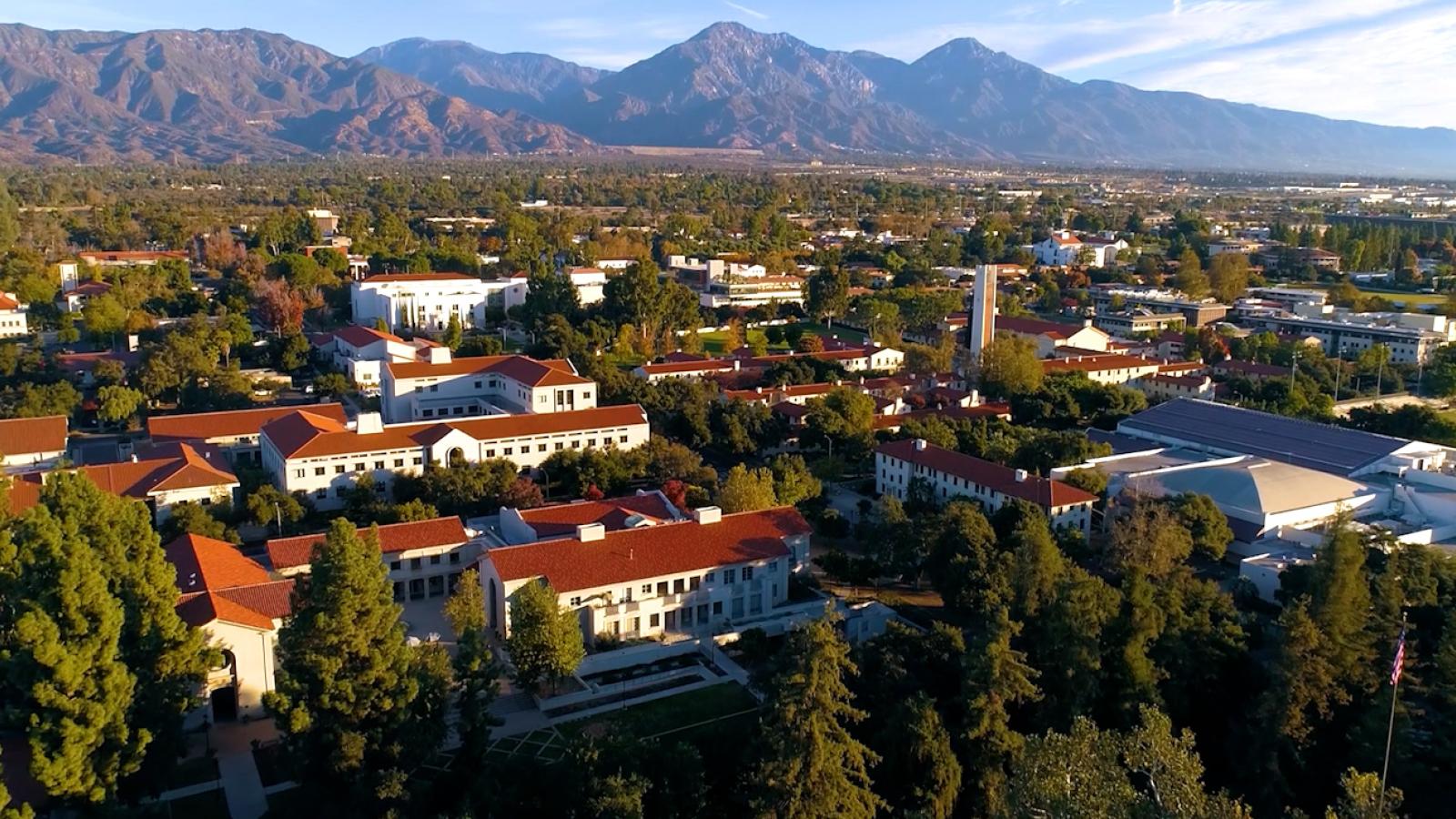
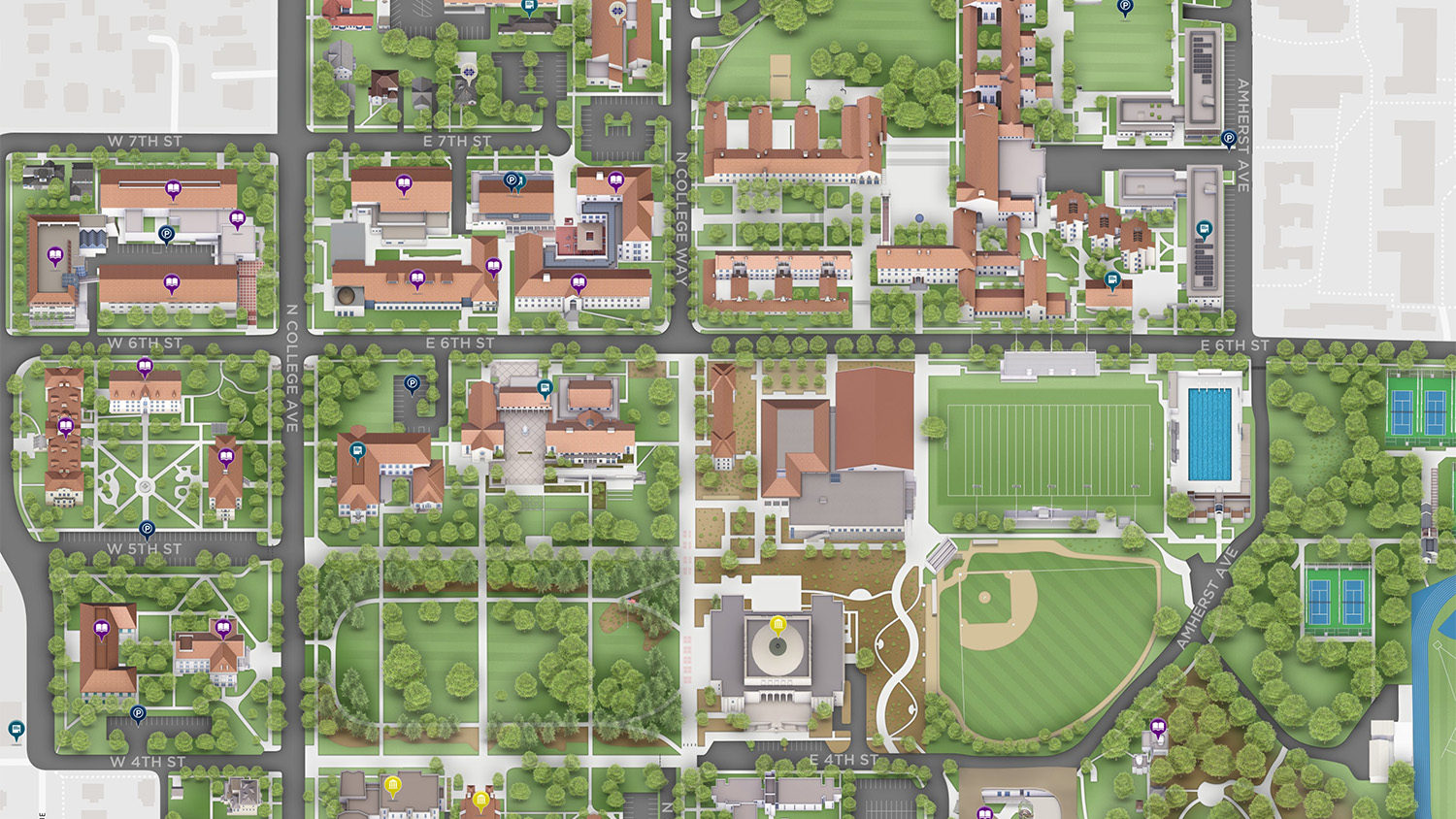
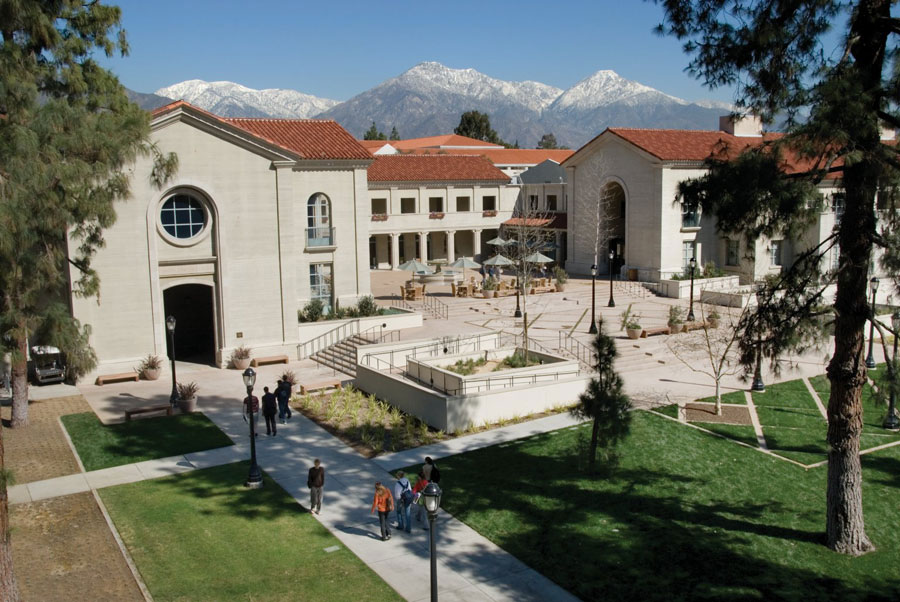
Life on Pomona's 140-acre campus blends the serenity of a beautifully landscaped, architecturally distinct setting with the vibrancy of a highly engaged community. The campus is designed as a place to "live, learn and discover," fostering a close-knit student body that is "diverse in background and academic pursuits yet unified by a spirit of collaboration." This is not a suitcase school; students build a rich on-campus life through a vast array of clubs, affinity groups, and mentorship programs that create a strong sense of belonging. The transition to college is eased by an extensive 8- to 9-day orientation, which includes unique 3-day orientation trip opportunities, and each first-year is assigned an upperclassman mentor. While the social scene is largely contained within the Claremont Colleges, offering a de facto larger network, students prize the easy access to professors and the high quality of life that Southern California affords. The culture is active and intellectual, where conversations from seminar rooms spill out into the sunny courtyards and dining halls.
A Pomona education is a launchpad with remarkable reliability. The college boasts a 93% six-year graduation rate, placing it among the top 5% of institutions nationally. This success continues after graduation: for the Class of 2025, the college achieved an 83% knowledge rate of graduate outcomes, and of those known, 90% were engaged in career activities (employment, internships, or fellowships) or graduate study within six months of graduation. The long-term financial return is robust, with alumni earning a median of $77,779 ten years after entry. The high first-year retention rate of 98% signals that students quickly find their footing and are satisfied with their choice, while the strong 58.5% matriculation rate (the percentage of admitted students who enroll) indicates that those who are admitted highly value the offer. These figures collectively paint a picture of an institution that not only selects capable students but successfully prepares them for immediate and sustained success.
Pomona stands firmly behind its commitment to accessibility through one of the most generous financial aid policies in the country. The college is part of a small handful of institutions that meet 100% of the demonstrated financial need for all admitted students who qualify for . Crucially, Pomona employs a no-loan policy; loans are not used to meet a family's demonstrated need. Instead, the full need is met through grants, scholarships, and work-study. This means that for students from a wide range of economic backgrounds, the —the actual cost after aid—is dramatically lower than the sticker price. The average net price after aid is $19,285, and the average aid package is substantial, reported at $59,042. Families are encouraged to use the college's net price calculator for a personalized estimate, but the overarching message is clear: Pomona invests its considerable endowment in making its world-class education financially attainable for all admitted students.
Pomona College distinguishes itself by masterfully resolving the classic trade-offs in higher education. It offers the intimate, faculty-focused mentorship and collaborative community of a premier liberal arts college, yet through the Claremont Consortium, it provides the academic resources, course variety, and social scale of a university. It pairs relentless academic intensity—evident in its high-achieving student body and popular, demanding STEM majors—with a famously supportive, non-competitive vibe and a stunning Southern California locale that defies the stereotypical high-stress grind. It maintains an endowment-powered exclusivity (with an on par with the Ivy League) while using that wealth to enact a profound democratic mission: a no-loan, full-need financial aid policy that actively builds a socioeconomically diverse community. The result is a rare and potent synthesis—a place where top students from all backgrounds are not just trained, but genuinely nurtured, emerging not only with elite credentials but with the intellectual confidence and collaborative ethos to make a significant impact.
Pomona College seal · sourceAbout Pomona College | Pomona College in Claremont, California - Pomona College · sourceVisiting Pomona College | Pomona College in Claremont, California - Pomona College · sourceSmith Campus Center & Student Programs | Pomona College in Claremont, California - Pomona College · source