Admit rate has ranged 18%–25% over the last 5 years. Source: IPEDS via Urban Institute.
Acceptance & SAT from Common Data Set / IPEDS; net price, earnings & graduation from the U.S. Dept. of Education College Scorecard. Figures lag ~1–2 years — verify with the school.
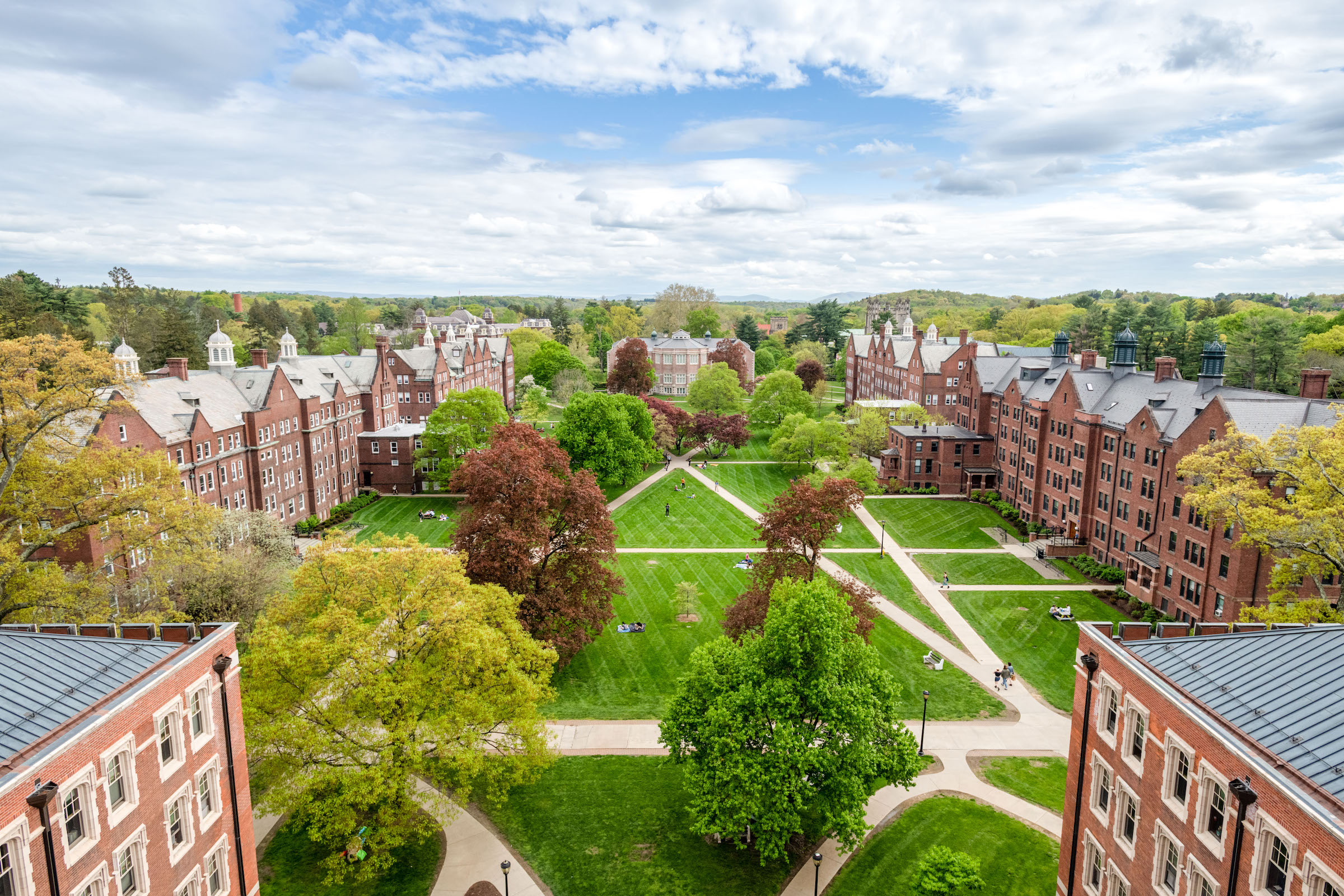
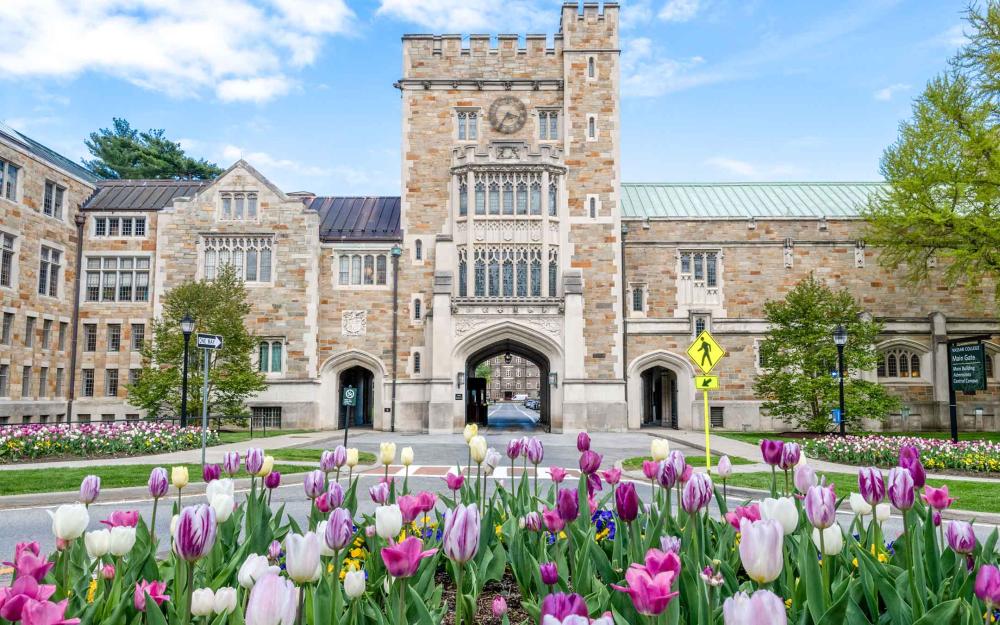
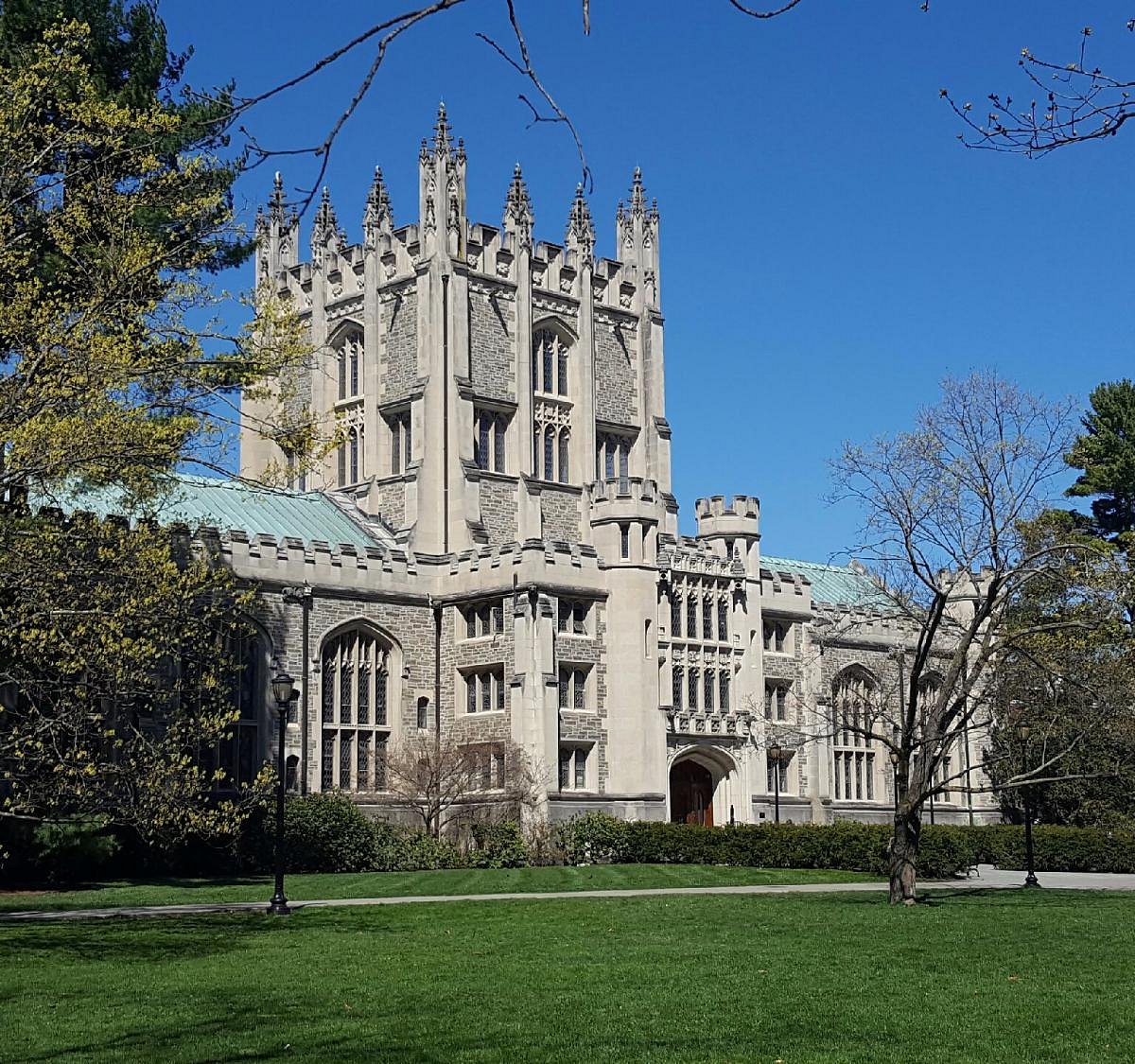
Vassar College is a fiercely intellectual, historically progressive liberal arts institution that has long defined the gold standard for undergraduate education. Founded as a women's college in 1861, it became coeducational in 1969 and has since cultivated a campus culture known for its vibrant, socially aware, and supportive community, particularly for progressive perspectives. With a curriculum characterized by boldness, breadth, and flexibility, it attracts students who are as serious about rigorous academics as they are about shaping the character of their residential houses and engaging with the world.
Admission requirements
Test-optional — scores considered if submitted
Required
High school transcript
Letters of recommendation
College-prep program
TOEFL (non-native English)
Considered (not required)
Grade point average
Class rank
Test scores (SAT/ACT)
Source: IPEDS Admissions survey (2022) via Urban Institute. Covers formal factors only — it does not reflect essays, extracurriculars, or other holistic criteria.
More details
Undergrad enrollment
2,444
In-state tuition
$71,030
Out-of-state tuition
$71,030
No-Loan Policy
Yes, incomes < $60k
Graduation Rate
91%
Meets Full Need
Yes
Demonstrated Interest
Not considered
Median Earnings (10yr)
$71,366
Outcomes & value
Outcomes & value
Median earnings (10 yr)
$71,366
Value (earnings ÷ net price)
1.8×
Median debt at graduation
$18,625
Graduation rate
91%
First-year retention
95%
Reducing loan balance (3 yr)
93%
Pell (lower-income) share
19%
First-gen share (among federal-aid recipients)
14%
Financial health
3.0 / 3.0Meets the federal financial-responsibility standard
U.S. Dept. of Education Financial Responsibility Composite Score (FY2022-23). Scale −1.0 to 3.0; ≥1.5 meets the standard. Reported for private nonprofit & for-profit institutions only — public universities are state-backed and not scored, so this is a stability signal, not a ranking.
Top-earning majors
Median earnings by field of study (highest credential), ~2 years after completion.
Computer and Information Sciences, General$69,535
Economics$57,995
Mathematics$49,683
Biochemistry, Biophysics and Molecular Biology$41,025
Education, General$39,741
Film/Video and Photographic Arts$39,729
Applicants here also applied to
The schools that most often appear alongside Vassar on applicants’ lists, from our self-reported outcomes corpus.
Co-application frequency from self-reported results — directional peer discovery, not a recommendation.
Campus & location
Campus safety
On-campus violent crimes (2024)
6
On-campus criminal offenses classed as violent (murder/non-negligent manslaughter, rape, robbery, aggravated assault) for the most recent reported year. Source: U.S. Dept. of Education Campus Safety and Security (Clery Act). Counts reflect what’s reported to the school, and urban campuses often report more partly due to non-student incidents nearby — read alongside campus size and setting, not as a standalone safety verdict.
Climate
Pleasant days / yr
90
Summer high
83°F
Winter low
25°F
Annual rain
48.9"
Annual snow
28.9"
Natural-hazard risk
Relatively Moderate
Pleasant days counts days per year with a mean temperature of 55–75°F, a high at or below 90°F, a low at or above 45°F, and little precipitation — a transparent comfort measure, not a weighting we invented. Computed from Open-Meteo ERA5 daily history (2019–2023). Natural-hazard risk is the county’s composite rating from the FEMA National Risk Index.
Deep dive — research, future-scholar output & economic mobility▾
Research output
Institutional h-index
254
Scholarly works
9,534
Institutional research volume and impact from OpenAlex. The h-index reflects large research universities and will be low for teaching-focused liberal-arts colleges — not a measure of undergraduate quality.
Share of this school’s graduates who go on to earn research doctorates (2010–20), by national rank and per-capita yield (NSF institutional-yield ratio). A signal of a research-oriented student culture — not a causal promise, since it partly reflects who enrolls. Only top producers appear. Source: NSF NCSES, Baccalaureate Origins of U.S. Research Doctorate Recipients.
Economic mobility
Quick answers
What is the acceptance rate at Vassar College?
Vassar College's acceptance rate is approximately 19% (Poughkeepsie, NY), based on the most recent figures we compiled from public and primary sources.
What SAT score do you need for Vassar College?
Admitted students at Vassar College typically score 1450–1550 on the SAT (the middle-50% range). Scores outside this band are still admitted, especially with strong applications.
How much does Vassar College cost?
At Vassar College, the average net price (after aid) is about $39,343 per year. Actual cost varies with financial aid and residency.
How many undergraduates attend Vassar College?
Vassar College enrolls approximately 2,444 undergraduate students.
Where is Vassar College located?
Vassar College is located in Poughkeepsie, NY.
Admissions
Gaining admission to Vassar is a highly selective proposition, with an of 19% for the most recent class. The college received 12,447 applications for the Class of 2028 and admitted 18.6% of them. For students who do submit scores, the academic profile is formidable: the SAT middle 50% range is 1450–1550, with a combined average of 1488, and the ACT composite average is 33. The average high school GPA of accepted students is 3.9. The student body is drawn predominantly from public high schools (67.5%), with 23.6% from private schools and 8.6% from parochial schools.
Vassar employs a policy, meaning applicants are not required to submit SAT or ACT scores. The admissions process is holistic, and the college does not consider demonstrated interest as a factor in its decisions. For applicants certain of their first choice, applying Early Decision offers a significant statistical advantage. The Early Decision acceptance rate is notably higher than the overall rate, reported at 31.2% for recent cycles, compared to the overall 19%.
Earnings = median of students working ~10 years after entry; debt = median of graduates. Value divides 10-yr earnings by one year’s net price — read it as earnings per dollar of annual cost, not a full lifetime ROI; it favors lower-cost schools. Source: U.S. Dept. of Education College Scorecard. Figures lag ~2 years and reflect all students, not your intended major.
Fine and Studio Arts
$35,600
Sociology$33,993
Source: U.S. Dept. of Education College Scorecard (field-of-study earnings). Figures cover graduates who received federal aid and lag ~2 years; not all programs report data.
Mobility rate = the share of students who both start in the bottom household-income quintile and reach the top quintile; bottom → top is that chance conditional on starting at the bottom. Source: Opportunity Insights Mobility Report Cards (Chetty, Friedman, Saez, Turner & Yagan). Reflects 1980–82 birth cohorts, so it’s directional, not current.
Vassar's academic identity is built on a curriculum of boldness, breadth, and flexibility—a tradition dating to its founding, when it was among the first colleges to offer courses in drama. There is no core curriculum, granting students remarkable freedom to design their intellectual journey across more than 50 majors. The most popular fields of study reflect a balance of quantitative and qualitative rigor: Economics, General; Biochemistry; Biology/Biological Sciences; Mathematics, General; Political Science and Government; Neuroscience; and English Language and Literature.
The college offers majors spanning the sciences, social sciences, arts, and humanities, including distinctive programs like Africana Studies, American Studies, and Astronomy. This open curriculum demands self-direction and intellectual curiosity, fostering an environment where interdisciplinary exploration is the norm rather than the exception.
Life at Vassar revolves around its nine historic residential houses, which are described as the heart of the campus. Residential life is student-led, empowering residents to contribute directly to the vibrant culture of their house community. This structure fosters a tight-knit, socially aware environment where, as the college states, 'people of divergent views and backgrounds come together to study, work, and live.'
The overall campus culture is consistently described as vibrant, socially aware, and supportive, particularly for progressive perspectives. Traditions like senior bell-ringing from the top of Main Building cement class bonds. While the surrounding city of Poughkeepsie is a topic of discussion among students, the campus itself forms a distinct and engaging community. Student publications like The Miscellany News provide a window into daily life, from academic pressures to social events.
A Vassar education is a durable investment, as evidenced by strong graduation rates and solid post-graduate outcomes. The college's six-year graduation rate is 91%. Most students graduate on time, with 81% finishing in four years and 88% within five years.
Financially, Vassar alumni see a strong return. Median earnings ten years after entry are $71,366. Earlier career data shows median earnings of $58,396 five years after graduation. These figures indicate that Vassar graduates successfully leverage their liberal arts degrees into meaningful and remunerative careers.
Vassar is committed to making its education accessible through a robust, need-based financial aid program. The college meets 100% of the full demonstrated financial need of all admitted students throughout their four years. This is a cornerstone promise, not a merit-based system.
This commitment translates into significant support for the student body. Around two-thirds of Vassar students receive financial aid, with the average Vassar scholarship award being $56,923. The average grant award is reported as $40,836, and the average overall financial aid package is $70,618. As a result, the average students pay after aid is $39,343. For families with the greatest need, Vassar has a no-loan policy: students with family income below $60,000 per year will not have a loan expectation included in their financial aid package.
Vassar stands out for its potent combination of academic rigor, progressive institutional DNA, and a deeply communal residential experience—all backed by one of the most generous financial aid promises in higher education. Its , no-demonstrated-interest admissions policy signals a commitment to evaluating the whole person, not just metrics. The open curriculum places extraordinary trust in students to architect their own education, a philosophy that attracts intellectually independent and curious individuals.
Beyond the classroom, the student-led residential house system creates micro-communities that define the undergraduate experience, fostering a culture that is both socially vibrant and intensely supportive. Crucially, Vassar puts its money where its values are: by meeting 100% of demonstrated need and eliminating loans for the lowest-income families, it actively works to ensure that the transformative education it offers is not reserved for the wealthy. This creates a socioeconomically diverse community where dialogue and perspective are enriched. It’s a college for students who want to be challenged by their coursework, shape their environment, and graduate with both a profound education and manageable debt.
Vassar College seal · sourceVisit Vassar College | Top Liberal Arts College in NY · sourceVisit ← Admission ← Vassar College · sourceVassar College - All You SHOULD Know Before Going 2026 (with Reviews) · source