Admit rate has ranged 33%–42% over the last 5 years — notably volatile. Source: IPEDS via Urban Institute.
Acceptance & SAT from Common Data Set / IPEDS; net price, earnings & graduation from the U.S. Dept. of Education College Scorecard. Figures lag ~1–2 years — verify with the school.
William & Mary is a singular fusion of the nation's second-oldest university and a top-tier public liberal arts college, where historic brick walkways meet a fiercely collaborative, intellectually intense undergraduate culture. It’s a place where students are as likely to be found debating in a 300-year-old building as they are conducting research alongside a professor, all driven by a shared, self-imposed passion for learning rather than cutthroat competition. The result is an exceptionally high-achieving, tradition-steeped community that produces graduates with both the analytical rigor of a research powerhouse and the close mentorship typical of a much smaller school.
Admission requirements
Test-optional — scores considered if submitted
Required
High school transcript
Grade point average
Letters of recommendation
College-prep program
Considered (not required)
Class rank
Test scores (SAT/ACT)
TOEFL (non-native English)
Source: IPEDS Admissions survey (2022) via Urban Institute. Covers formal factors only — it does not reflect essays, extracurriculars, or other holistic criteria.
More details
Undergrad enrollment
7,055
In-state tuition
$25,914
Out-of-state tuition
$51,038
No-Loan Policy
Not Stated in Sources
Graduation Rate
89%
Meets Full Need
Not Stated in Sources
ED Share of Class
Not Stated in Sources
First-Year Retention
Not Stated in Sources
Demonstrated Interest
Considered
Median Earnings (10yr)
$73,490
Outcomes & value
Outcomes & value
Median earnings (10 yr)
$73,490
Value (earnings ÷ net price)
3.8×
Median debt at graduation
$18,500
Graduation rate
89%
First-year retention
95%
Reducing loan balance (3 yr)
83%
Pell (lower-income) share
12%
First-gen share (among federal-aid recipients)
13%
Top-earning majors
Median earnings by field of study (highest credential), ~2 years after completion.
Computer Science$71,202
Business Administration, Management and Operations$65,610
Economics$53,108
Mathematics$52,107
Curriculum and Instruction$45,696
International Relations and National Security Studies$45,383
Applicants here also applied to
The schools that most often appear alongside William & Mary on applicants’ lists, from our self-reported outcomes corpus.
Co-application frequency from self-reported results — directional peer discovery, not a recommendation.
Campus & location
Campus safety
On-campus violent crimes (2024)
5
Per 1,000 students
0.51
On-campus criminal offenses classed as violent (murder/non-negligent manslaughter, rape, robbery, aggravated assault) for the most recent reported year. Source: U.S. Dept. of Education Campus Safety and Security (Clery Act). Counts reflect what’s reported to the school, and urban campuses often report more partly due to non-student incidents nearby — read alongside campus size and setting, not as a standalone safety verdict.
Climate
Pleasant days / yr
102
Summer high
87°F
Winter low
36°F
Annual rain
46"
Annual snow
4.4"
Natural-hazard risk
Very Low
Pleasant days counts days per year with a mean temperature of 55–75°F, a high at or below 90°F, a low at or above 45°F, and little precipitation — a transparent comfort measure, not a weighting we invented. Computed from Open-Meteo ERA5 daily history (2019–2023). Natural-hazard risk is the county’s composite rating from the FEMA National Risk Index.
Deep dive — research, future-scholar output & economic mobility▾
Research output
Institutional h-index
452
Scholarly works
36,926
Institutional research volume and impact from OpenAlex. The h-index reflects large research universities and will be low for teaching-focused liberal-arts colleges — not a measure of undergraduate quality.
Quick answers
What is the acceptance rate at William & Mary?
William & Mary's acceptance rate is approximately 34% (Williamsburg, VA), based on the most recent figures we compiled from public and primary sources.
What SAT score do you need for William & Mary?
Admitted students at William & Mary typically score 1400–1530 on the SAT (the middle-50% range). Scores outside this band are still admitted, especially with strong applications.
How much does William & Mary cost?
At William & Mary, the average net price (after aid) is about $19,096 per year. Actual cost varies with financial aid and residency.
How many undergraduates attend William & Mary?
William & Mary enrolls approximately 7,055 undergraduate students.
Where is William & Mary located?
William & Mary is located in Williamsburg, VA.
Admissions
Gaining admission to William & Mary is a selective proposition, with the university admitting roughly one in three applicants. The process is holistic, with the indicating that "special consideration" is given for participation in both school and non-school related activities. While the overall is competitive, applying via Early Decision presents a significant strategic advantage; the Early Decision pool is much smaller (approximately 1,200 applicants) and historically sees admit rates nearly double the regular decision rate, with recent classes showing Early Decision acceptance rates around 47-50%. The middle 50% SAT range for admitted students who submit scores is 1400–1530, and in the most recent class, 40% of applicants chose to apply . Demonstrated interest is a factor admissions officers consider, as indicated by its presence in the Common Data Set's C7 grid of admission factors.
Earnings = median of students working ~10 years after entry; debt = median of graduates. Value divides 10-yr earnings by one year’s net price — read it as earnings per dollar of annual cost, not a full lifetime ROI; it favors lower-cost schools. Source: U.S. Dept. of Education College Scorecard. Figures lag ~2 years and reflect all students, not your intended major.
Political Science and Government
$44,117
Romance Languages, Literatures, and Linguistics$41,565
Source: U.S. Dept. of Education College Scorecard (field-of-study earnings). Figures cover graduates who received federal aid and lag ~2 years; not all programs report data.
The academic experience at William & Mary is defined by its breadth of choice and depth of engagement. Students choose from over 115 majors, minors, and pre-professional programs spread across five schools. The curriculum is built around direct, hands-on experiences: undergraduate research, internships, and study abroad are central pillars. This is facilitated by a faculty renowned for being both "amazing and incredibly knowledgeable" and "solid instructors," who are highly accessible in a small-class environment. The culture is one of intense intellectual curiosity, but notably not cutthroat; students describe the stress as largely self-imposed within a supportive, collaborative community. The focus is on teaching students to "think critically and express themselves creatively," to question and to innovate.
Life outside the classroom at William & Mary is a vibrant tapestry of tradition, community, and self-expression. The campus vibe is famously friendly and studious, where a "love of tradition" and a "never-ending exchange of ideas and passions" are visibly woven into daily life. Students are actively engaged in hundreds of clubs and organizations, and the university encourages them to "sing, dance, act, draw, paint." The setting in historic Williamsburg provides a unique backdrop, with access to local bars, restaurants, and a robust Greek life scene. The overall atmosphere is one of belonging, where the pressure to achieve is balanced by a collective spirit—the stress students face is often "put on by themselves" rather than fostered by a toxic, competitive environment. It’s a place where being both smart and socially engaged isn’t just possible, it’s the norm.
A William & Mary education is a remarkably reliable investment in long-term success. The university's six-year graduation rate is an impressive 91%, which ranks seventh highest nationally among public universities—far above the national average of 60% for four-year institutions. This high completion rate translates directly into strong career launch points. According to the latest data, the median earnings for graduates ten years after entry are $73,490. The university proudly notes that the starting salary for its graduates, as reported by the Class of 2024, is higher than that of other public school graduates nationally. These figures underscore W&M's mission of preparing graduates for "lives of meaning and success."
William & Mary is committed to making its education accessible through a comprehensive financial aid program. The university offers four basic types of financial aid: grants, scholarships, loans, and work-study. For those who qualify, the average need-based scholarship or grant award is $22,474, contributing to an average aid package of $29,030. The result is a significantly reduced —the average cost after aid and scholarships are applied. The average net price for students receiving aid is $19,096. The university provides a net price calculator to help families estimate their financial aid package, and it's worth noting there are also prestigious merit-based scholarships, such as the 1693 Scholars program, which offers a tuition-free award to a select few outstanding students.
William & Mary occupies a unique and compelling niche in American higher education. It combines the historical gravitas and research muscle of a colonial-era university (chartered in 1693) with the intimate, teaching-focused feel of a top liberal arts college—all within the framework of a leading public institution. This blend creates an environment where undergraduates are not lost in the crowd; they are partners in discovery with accessible, dedicated professors. The student culture is its own powerful differentiator: highly driven and academically intense, yet collaboratively so, devoid of the toxic competition found at some peer institutions. This is complemented by a deep sense of place and tradition in Williamsburg. The outcome is a graduate who is not only exceptionally prepared for career success, as evidenced by strong median earnings, but also shaped by a culture that values intellectual curiosity, community, and character equally. It’s a public Ivy that actually delivers on the promise of a personalized, transformative undergraduate experience.
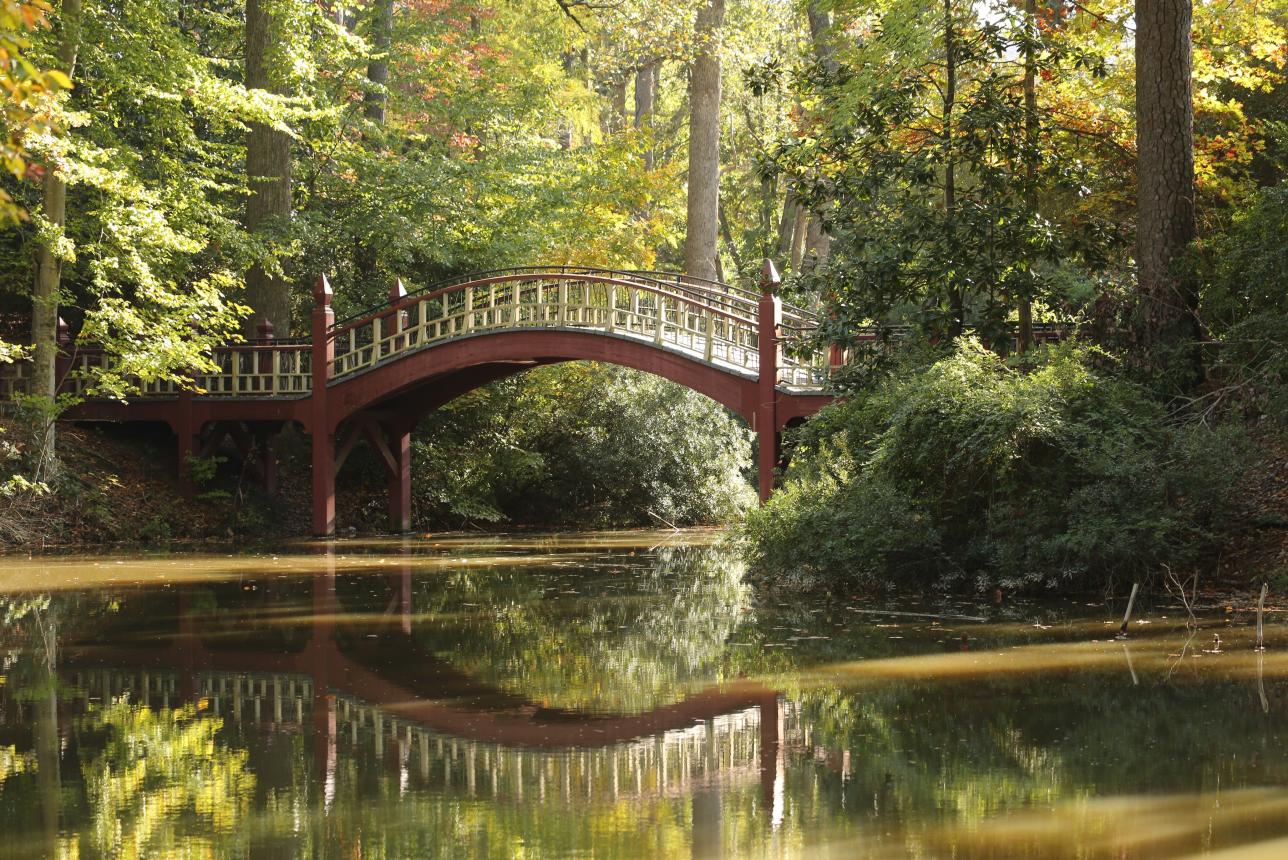
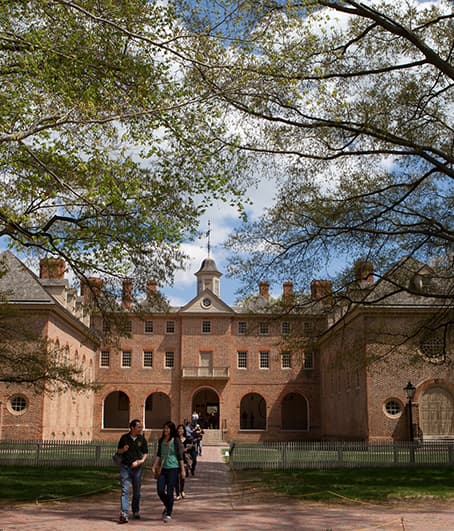
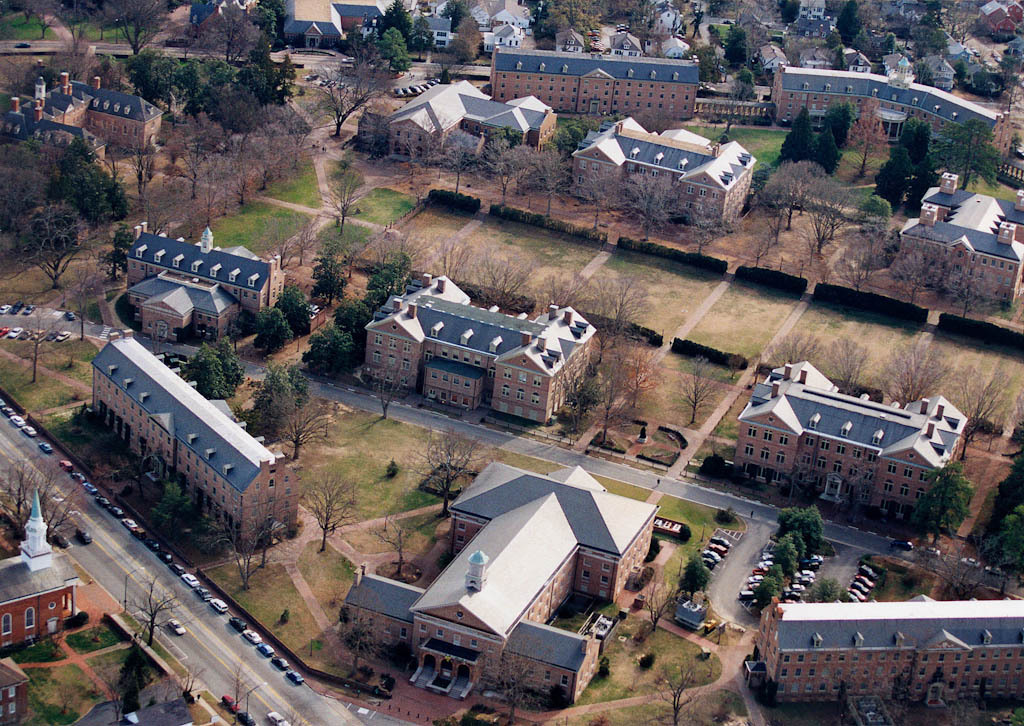
William & Mary seal · sourceHistoric Campus | William & Mary · sourceVisit Campus | About W&M | William & Mary · sourceCollege of William and Mary, Old Campus | SAH ARCHIPEDIA · source