Admit rate has ranged 23%–32% over the last 5 years — notably volatile, though the latest figure above (21%) falls outside that window. Source: IPEDS via Urban Institute.
Acceptance & SAT from Common Data Set / IPEDS; net price, earnings & graduation from the U.S. Dept. of Education College Scorecard. Figures lag ~1–2 years — verify with the school.
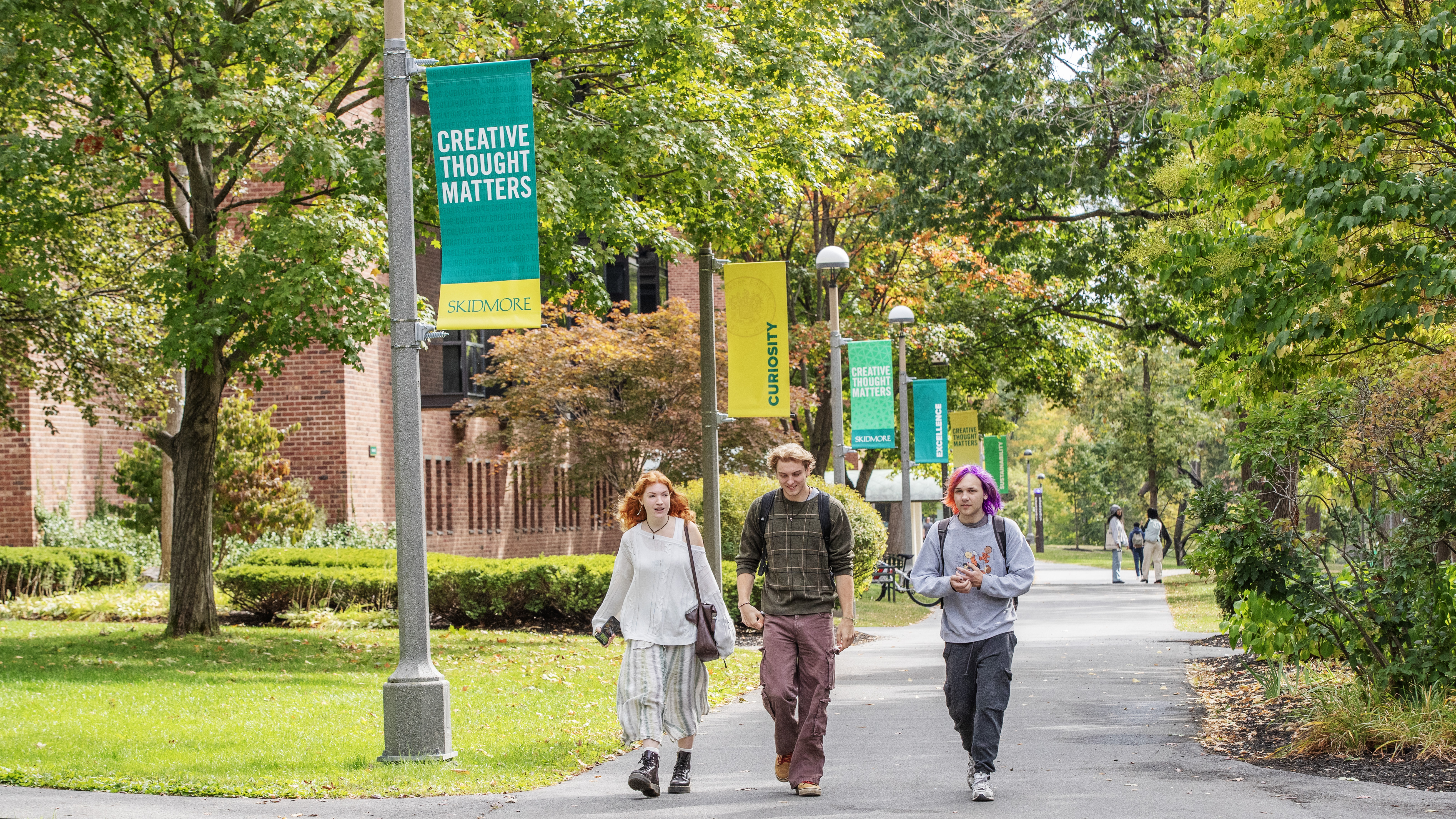
Skidmore College is a highly selective, residential liberal arts college in Saratoga Springs, New York, where 'Creative Thought Matters' isn't just a motto but the organizing principle of campus life. It blends a rigorous academic curriculum of over 40 majors with a distinctly collaborative, non-pretentious student culture, attracting a mix of artists, intellectuals, and athletes who thrive in its small, discussion-based classes. The college backs its commitment to access with a robust financial aid policy that meets 100% of demonstrated need, aiming to make its high-impact, creative education a tangible reality for admitted students.
Admission requirements
Test-optional — scores considered if submitted
Required
High school transcript
Letters of recommendation
College-prep program
TOEFL (non-native English)
Considered (not required)
Grade point average
Class rank
Test scores (SAT/ACT)
Source: IPEDS Admissions survey (2022) via Urban Institute. Covers formal factors only — it does not reflect essays, extracurriculars, or other holistic criteria.
More details
Undergrad enrollment
2,694
In-state tuition
$67,290
Out-of-state tuition
$67,290
Graduation Rate
83%
Meets Full Need
Yes
Demonstrated Interest
Considered
Student-Faculty Ratio
8:1
Median Earnings (10yr)
$69,363
Outcomes & value
Outcomes & value
Median earnings (10 yr)
$69,363
Value (earnings ÷ net price)
2.1×
Median debt at graduation
$19,500
Graduation rate
83%
First-year retention
90%
Reducing loan balance (3 yr)
86%
Pell (lower-income) share
13%
First-gen share (among federal-aid recipients)
15%
Financial health
3.0 / 3.0Meets the federal financial-responsibility standard
U.S. Dept. of Education Financial Responsibility Composite Score (FY2022-23). Scale −1.0 to 3.0; ≥1.5 meets the standard. Reported for private nonprofit & for-profit institutions only — public universities are state-backed and not scored, so this is a stability signal, not a ranking.
Top-earning majors
Median earnings by field of study (highest credential), ~2 years after completion.
Computer and Information Sciences, General$50,270
Economics$46,087
Business/Commerce, General$43,575
International Relations and National Security Studies$41,193
Chemistry$36,848
Psychology, General$36,668
Applicants here also applied to
The schools that most often appear alongside Skidmore College on applicants’ lists, from our self-reported outcomes corpus.
Co-application frequency from self-reported results — directional peer discovery, not a recommendation.
Campus & location
Campus safety
On-campus violent crimes (2024)
3
On-campus criminal offenses classed as violent (murder/non-negligent manslaughter, rape, robbery, aggravated assault) for the most recent reported year. Source: U.S. Dept. of Education Campus Safety and Security (Clery Act). Counts reflect what’s reported to the school, and urban campuses often report more partly due to non-student incidents nearby — read alongside campus size and setting, not as a standalone safety verdict.
Climate
Pleasant days / yr
90
Summer high
80°F
Winter low
19°F
Annual rain
49.1"
Annual snow
47.5"
Natural-hazard risk
Relatively Low
Pleasant days counts days per year with a mean temperature of 55–75°F, a high at or below 90°F, a low at or above 45°F, and little precipitation — a transparent comfort measure, not a weighting we invented. Computed from Open-Meteo ERA5 daily history (2019–2023). Natural-hazard risk is the county’s composite rating from the FEMA National Risk Index.
Deep dive — research, future-scholar output & economic mobility▾
Research output
Institutional h-index
157
Scholarly works
4,873
Institutional research volume and impact from OpenAlex. The h-index reflects large research universities and will be low for teaching-focused liberal-arts colleges — not a measure of undergraduate quality.
Economic mobility
Mobility rate
2.0%
Bottom → top quintile
44%
From bottom quintile
4%
Mobility rate = the share of students who both start in the bottom household-income quintile and reach the top quintile; bottom → top is that chance conditional on starting at the bottom. Source: Opportunity Insights Mobility Report Cards (Chetty, Friedman, Saez, Turner & Yagan). Reflects 1980–82 birth cohorts, so it’s directional, not current.
Quick answers
What is the acceptance rate at Skidmore College?
Skidmore College's acceptance rate is approximately 21% (Saratoga Springs, NY), based on the most recent figures we compiled from public and primary sources.
What SAT score do you need for Skidmore College?
Admitted students at Skidmore College typically score 1340–1480 on the SAT (the middle-50% range). Scores outside this band are still admitted, especially with strong applications.
How much does Skidmore College cost?
At Skidmore College, the average net price (after aid) is about $32,297 per year. Actual cost varies with financial aid and residency.
How many undergraduates attend Skidmore College?
Skidmore College enrolls approximately 2,694 undergraduate students.
Where is Skidmore College located?
Skidmore College is located in Saratoga Springs, NY.
Admissions
Skidmore is a very selective institution, historically admitting about one in five applicants, with recent classes being among the most selective in the college's history. The admitted student profile is academically strong, with a middle 50% SAT range of 1340–1480. The college offers a significant admissions advantage through its binding Early Decision plans; data shows the Early Decision is notably higher than the overall rate, with some sources citing rates as high as 41-62% for ED I, effectively doubling or tripling an applicant's odds compared to the Regular Decision pool. According to its , Skidmore does consider 'Level of applicant's interest' in its admissions process, meaning demonstrated interest—such as campus visits, interviews, and engagement—is a factor. The college also gives special consideration to students with demonstrated talent or abilities in areas of interest to the institution, such as sports, the arts, or languages.
Earnings = median of students working ~10 years after entry; debt = median of graduates. Value divides 10-yr earnings by one year’s net price — read it as earnings per dollar of annual cost, not a full lifetime ROI; it favors lower-cost schools. Source: U.S. Dept. of Education College Scorecard. Figures lag ~2 years and reflect all students, not your intended major.
Fine and Studio Arts
$34,704
Sociology$32,653
Source: U.S. Dept. of Education College Scorecard (field-of-study earnings). Figures cover graduates who received federal aid and lag ~2 years; not all programs report data.
The academic experience at Skidmore is defined by its internationally recognized liberal arts curriculum, which offers students more than 40 undergraduate majors and over 50 minors. The college emphasizes creative and relevant courses, community-building through small class sizes, and high-impact opportunities like research and internships. With a remarkably low student-faculty ratio of 8:1, the classroom environment is intensely collaborative and discussion-based. Popular majors cluster in the Social Sciences; Business, Management, Marketing, and Related Support Services; Psychology; and Visual and Performing Arts, reflecting the school's balance between traditional liberal arts and pre-professional pathways. The overarching ethos, captured in the college's signature phrase, is that 'Creative Thought Matters,' encouraging interdisciplinary connections and innovative problem-solving across all fields of study.
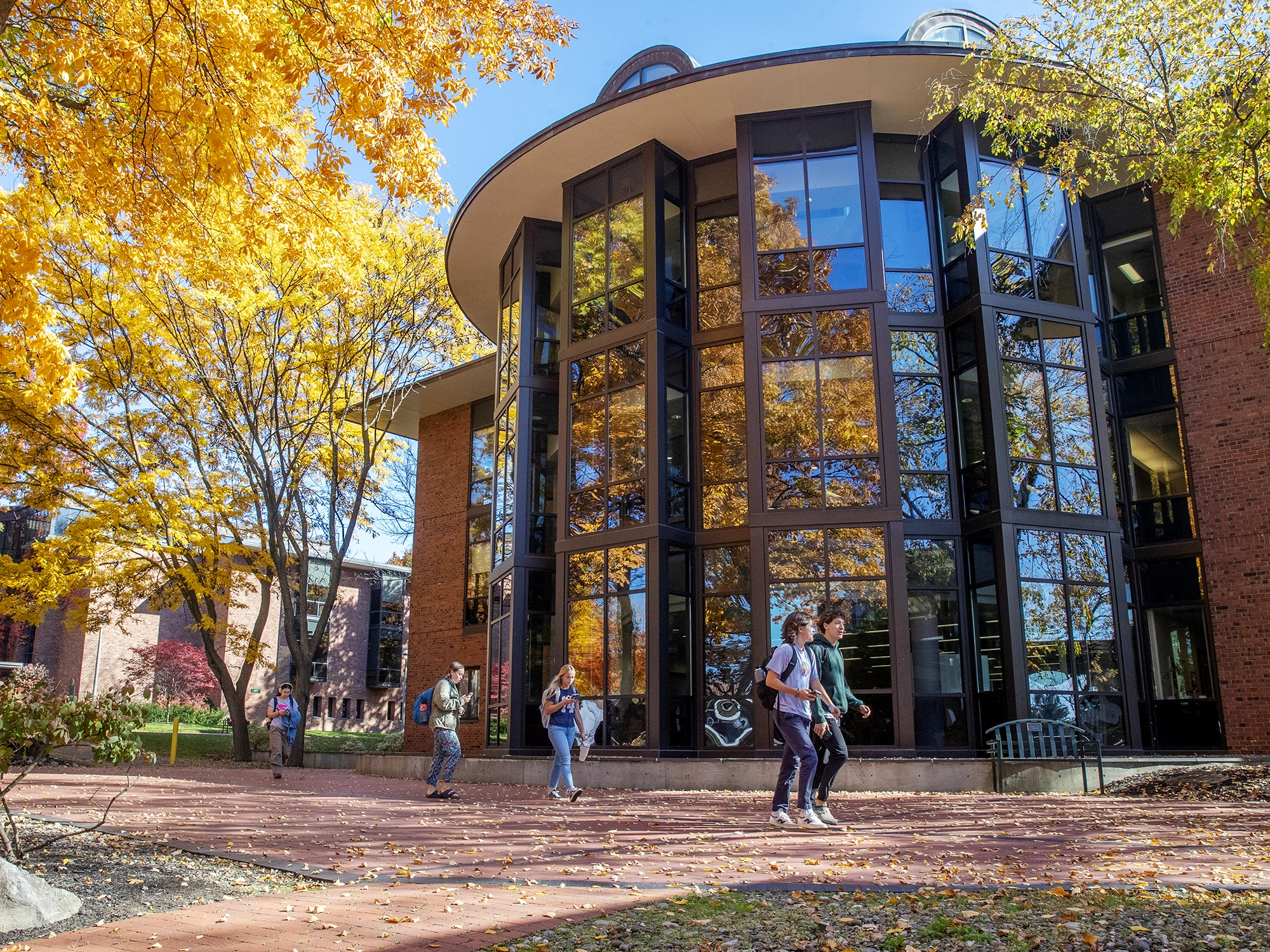
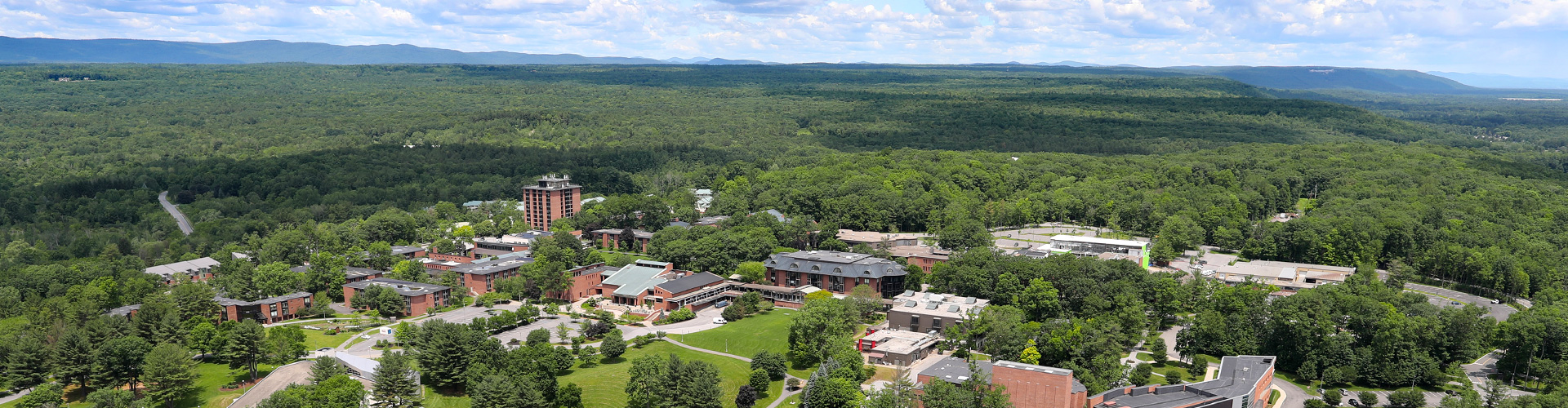
Life at Skidmore unfolds on a small but tidy campus in the historic, vibrant town of Saratoga Springs, known for its arts scene and natural springs. The student body is often described as a mix of athletes, artists, intellectuals, and iconoclasts—a diverse tapestry where, as one observer noted, 'each archetype pretty much sticks with their own, but everyone coexists peacefully.' The social scene is active and varied; while 'the party scene is alive & well,' with the typical college offerings, the overall vibe is reported as chill and non-judgmental. Students are 'constantly on the go,' filling their time with a wide array of clubs, performances, and outdoor activities. The campus is considered very clean and easy to navigate, fostering a sense of a close-knit, welcoming community where creativity and connection are paramount.
Skidmore graduates enter the next phase with strong credentials. The college boasts a high graduation rate, with sources reporting figures between 82% and 85%, placing it within the top tier nationally. Alumni career trajectories are diverse, with comprehensive data showing placements across various employment sectors and graduate schools. According to federal data, the median earnings of former students ten years after entry are robust, reflecting the value of a Skidmore degree in the marketplace. The three-year employment rate for graduates is also strong, indicating successful transitions into the workforce or further education.
Skidmore's sticker price is steep, but the college is committed to mitigating that cost through one of the most generous financial aid policies among liberal arts colleges. Crucially, Skidmore meets 100% of the demonstrated financial need for all accepted students who complete their aid applications on time. This commitment means that if a student is admitted and qualifies for aid, the college will cover the full calculated need with grants, scholarships, work-study, and sometimes loans, aiming for 'no gap and no surprises.' The average Skidmore grant is substantial, with reports indicating an average grant of $44,400 for one recent class and average aid packages reaching as high as $60,100. For many students, this results in a —the cost after grants and scholarships—that is significantly lower than the published tuition. Approximately 54% of full-time beginning undergraduates receive some form of financial aid.
Skidmore distinguishes itself through a potent and genuine synthesis of rigorous academics, creative energy, and a down-to-earth community. It's not a school for students who want to fade into the background; the 8:1 faculty ratio and discussion-based curriculum demand engagement. Yet, it lacks the cutthroat pressure of some peers, fostering a collaborative atmosphere where artists, scientists, business students, and athletes cross paths. The location in Saratoga Springs—a walkable, culturally rich town—provides an ideal collegiate backdrop that feels integrated rather than isolated. Most significantly, Skidmore puts its money where its mission is: the pledge to meet 100% of demonstrated need makes its distinctive brand of creative, high-touch liberal arts education accessible to a socioeconomically diverse student body. This combination—intellectual seriousness without pretension, creative freedom within a structured curriculum, and a serious commitment to affordability—creates an experience that is both transformative and practical.
Skidmore College seal · sourceSkidmore College Admissions | Where Creative Thought Matters · sourceInq: Event Portal · sourceSkidmore named among nation's top liberal arts colleges · source